
← News
Topic · Place

Madagascar

26 articles · 2+ stories

🔥

Stories about Madagascar

See also
📰

Latest Madagascar articles

World: 2026 - 2027 El Niño: Special Report (October 2, 2026 )

World: 2026 - 2027 El Niño: Special Report (October 2, 2026 )

Countries: World, Angola, Burkina Faso, Chad, Colombia, Ethiopia, Guatemala, Haiti, Honduras, Kenya, Lesotho, Madagascar, Malawi, Mali, Niger, Pakistan, Somalia, South Sudan, Sudan, Uganda, Zambia, Zimbabwe Source: Famine Early Warning System Network Please refer to the attached file. FEWS NET Special Reports provide in-depth analysis of food security issues of particular concern. In 2026–2027, FEWS NET will publish a series of El Niño Special Reports, focusing on countries where FEWS NET has a presence and where El Niño impacts are of concern. The first report, in October 2026, provides an overview of the event, distinguishes the timing of rainfall impacts from peak impacts on acute food security outcomes, and provides region-level summaries. It also examines the global impacts on food availability and prices and the longer-term implications for food security. A second report will be published in late 2026 and a third and final report will follow in early-to-mid 2027, both of which will provide more detailed early warning of likely outcomes in regions where El Niño impacts on food security occur later in 2027. Reports will also update on the potential transition to La Niña. Key Messages The 2026/27 El Niño has rapidly strengthened to very strong levels and is expected to drive significant rainfall anomalies across FEWS NET geographies. Below-average rainfall has already occurred across unimodal areas of East Africa, the Sahel of West Africa, Latin America and the Caribbean, and Pakistan. Southern Africa will face below-average rains during the October 2026 to March 2027 rainy season, while the Horn of Africa will see heavy rains and heightened flood risk during the October to December 2026 rains. The most severe food insecurity outcomes from El Niño-induced rainfall anomalies typically emerge during the following lean season, rather than during the rainy season itself. This makes El Niño an important early warning signal, giving governments and humanitarians time to deliver a humanitarian food assistance response before the most severe acute food insecurity materializes. Unimodal East Africa and Southern Africa are of highest concern. In both regions, El Niño is expected to result in widespread drought and be the primary driver of high food assistance needs in 2027. While El Niño is expected to have its most significant food security impacts in areas directly affected by extreme rainfall anomalies, indirect impacts are likely to emerge through regional and international trade and markets. These indirect import-related risks are particularly elevated in Southern Africa through regional maize trade, and in West Africa and Yemen through international imports. Global output of maize, wheat, and rice has changed little on balance in the strong and very strong El Niño years since 1980. In the crop marketing years of these events, global output fell by at most 3.9 percent from the year before, in 1987/88. The U.S. Department of Agriculture (USDA) projects global 2026/27 production of these crops to be 2.7 percent below last year, but still the second-largest crop on record . Food security outcomes are often driven by multiple coexisting shocks. FEWS NET’s assessed populations in need are available in many of FEWS NET’s global and country-level products , but these estimates represent needs driven by all relevant factors. This report does not seek to – and it is often not feasible to – disentangle the relative contribution of each driver in order to identify needs attributable to one factor, in this case El Niño only. Nonetheless, the regional summaries do identify where El Niño is, or is not, considered a primary driver of acute food insecurity and associated food assistance needs. Beyond its immediate impacts, El Niño can increase vulnerability to future shocks by eroding household coping capacity. Where livelihoods are damaged and recovery is insufficient, households will face greater difficulty managing subsequent shocks. The longer-term food security implications depend not only on current rainfall conditions, but also on efforts to mitigate risks and support recovery. While this report focuses on early warning of both the ongoing and forecast impacts of the 2026/27 El Niño, it is important to signal early warning for the forecast transition to La Niña in mid-to-late 2027. Although confidence in this transition is relatively low given the long lead time, a shift to La Niña should be prepared for, as it will introduce a new set of rainfall impacts and food security risks.

Oct 7, 2026 · byReliefWeb
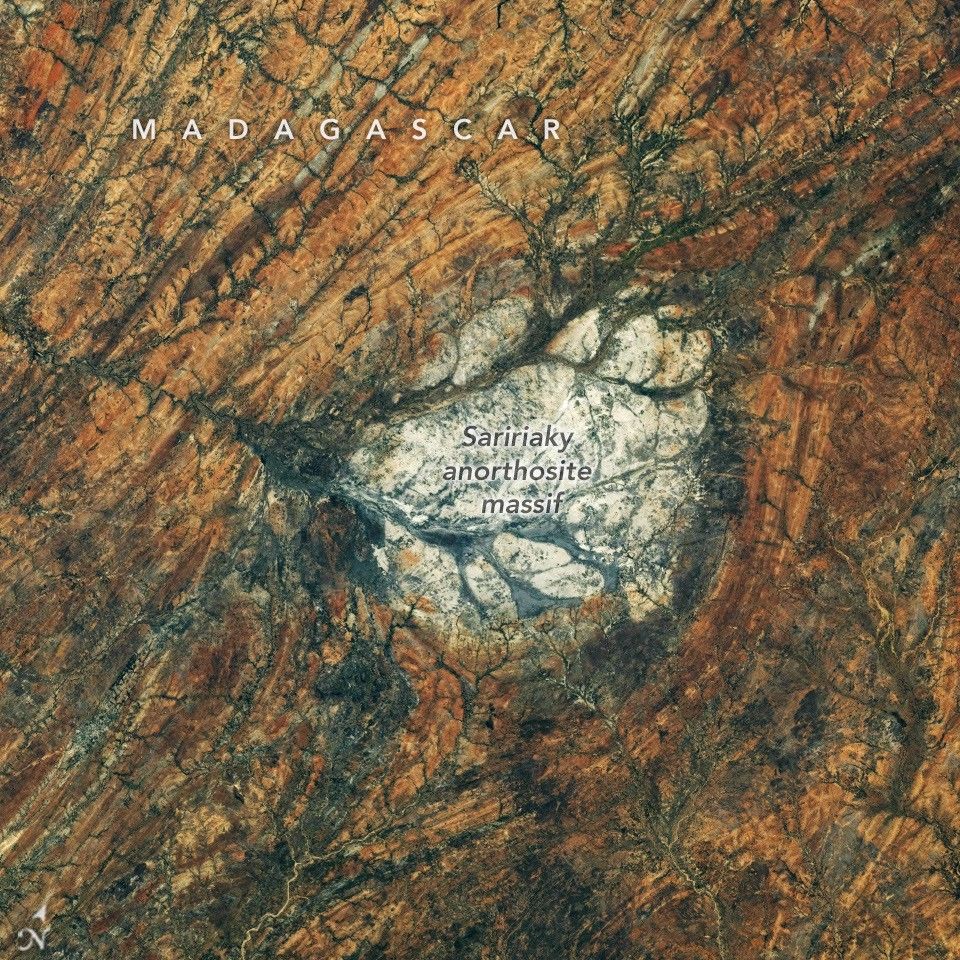
Moon-Like Madagascar

Moon-Like Madagascar

A bright lens of anorthosite, a rock type prevalent on the lunar surface, is cradled within sheared rocks in the country’s south.

Oct 5, 2026 · byNASA
Fear and ignorance

Fear and ignorance

Healthcare workers beaten as they fight Ebola in the Democratic Republic of Congo. Albino children kidnapped and dissected in Madagascar. And Donald Trump reelected in the United States.

Oct 2, 2026 · byCourthouse News
World: Africa CDC Epidemic Intelligence Weekly Report, September 2026

World: Africa CDC Epidemic Intelligence Weekly Report, September 2026

Countries: World, Angola, Burundi, Democratic Republic of the Congo, Guinea, Guinea-Bissau, Madagascar, Mali, Mauritius, Mozambique, Nigeria, Senegal, South Africa, Zambia Source: Africa Centres for Disease Control and Prevention Please refer to the attached file. Welcome to our Epidemic Intelligence Weekly Report, your trusted source for real-time updates on priority events of concern on the continent. The narrative brought to you focuses on three main areas: the epidemiological situation, event assessment (risk assessment and geoscope) and public health interventions by the affected Member State, partners, and Africa CDC. Every week we highlight events reported to Africa CDC that rank from moderate to very high risk as per the Africa CDC risk assessment tool. Geographic Focus: Reports could either focus on events affecting single country or multiple countries. Inclusion criteria: While Africa CDC continues to track all public health events on the continent, this report highlights only moderate to very high-risk events (with new updates in the reporting week). Events: We focus on a range of health threats, ranging from emerging infectious diseases to endemic conditions, and natural disasters. We follow a one-health multisectoral approach highlighting events across all relevant sectors: animal, environmental and human. This Event-Based Surveillance Weekly Report is your compass for navigating Africa’s public health landscape. We empower you with the latest information and insights, for informed decisions and effective interventions to attain a healthy and prosperous Africa.

CDCneutral
Oct 2, 2026 · byReliefWeb
Murdered for their eyes: people with albinism living in terror in Madagascar

Murdered for their eyes: people with albinism living in terror in Madagascar

The country is struggling to address a rise in attacks, with a record 13 people – mostly children – killed this year for body parts, which some believe can bring good fortune Not long after midnight in late May this year, three men barged through the door of the small room where Nicole Soalala lived with her family on the outskirts of Toliara, a coastal city in the south of Madagascar. Her husband got up to ask what they wanted, but they attacked him with a piece of wood and an axe. Soalala, 32, grabbed her youngest child, Landricia – an 18-month-old girl with albinism – and hoisted her on to her back, holding her there with a piece of fabric she started to wrap around herself. Her eldest daughter, 15, hid under the table with her other two children, aged six and three. Continue reading...

Sep 29, 2026 · byThe Guardian
‘We wanted to prove we didn’t need air conditioning’: the airport cooled by natural ventilation

‘We wanted to prove we didn’t need air conditioning’: the airport cooled by natural ventilation

At Roland Garros airport on Réunion island, the ceiling design funnels a light tropical breeze into the terminal At the arrivals terminal at Roland Garros airport on Réunion island, visitors are greeted by floor-to-ceiling windows framing the lush green mountains of the French Indian Ocean territory. What they may have also expected was the icy chill of air conditioning; this island just off Madagascar sits in the tropical zone to the south of the equator. But instead, the terminal is cooled by a light tropical breeze, the result of natural ventilation built into its unique design. Continue reading...

Sep 25, 2026 · byThe Guardian
📰

GIEWS Country Brief: Madagascar, 23-September-2026

Country: Madagascar Source: Food and Agriculture Organization of the United Nations FOOD SECURITY SNAPSHOT Paddy production rises but remains below average in 2026 El Niño poses downside risks to 2027 crop production Prices of rice decline in 2026 High levels of acute food insecurity persist in the south in 2026/27 Paddy production rises but remains below average in 2026 The bulk of the main‑season 2026 paddy crop was harvested by May. Pending official figures, total paddy production in 2026 is provisionally estimated to have increased from the reduced level of 2025 but is still expected to fall short of the five‑year average. The expected year‑on‑year increase largely reflects generally favourable weather conditions in northern and some central regions, which account for a large share of the national paddy output. These conditions supported a recovery in the national harvested area to a near‑average level, more than offsetting below‑average yields and contributing to the estimated production increase in 2026. However, weather conditions were less favourable in eastern and western regions, where the onset of the 2025/26 rainy season was delayed by up to three dekads, hindering planting activities and compressing the growing period. Although cumulative seasonal rainfall amounts were close to or slightly above the long‑term average, rainfall was poorly distributed over the season, negatively affecting crop development and constraining yields. In southern regions, seasonal rainfall totals were well below average. However, the effect on aggregate paddy production was limited because these regions account for only a small share of the national rice output. Production of maize, by contrast, is concentrated in the south, and national maize production is provisionally estimated to be below average in 2026, reflecting reduced yields on account of the seasonal rainfall shortages. Additional constraints to production in 2026 came from tropical cyclones Fytia and Gezani, which made landfall in late January and early February 2026, respectively. The storms caused flooding in the northwest and central highlands, damaging paddy crops that were at the early establishment and vegetative stages, when crops are particularly vulnerable to flood damage. Prolonged inundation led to crop losses in low‑lying fields, but the losses were localized, and therefore the impact on aggregate national paddy production was limited. El Niño poses downside risk to 2027 crop production Planting of the main‑season 2027 paddy crop is expected to commence in November. Weather forecasts associated with the ongoing El Niño event indicate an increased likelihood of average to below‑average rainfall amounts across most of the country during the first months of the season, raising concerns over planting operations and crop establishment. However, past El Niño events have had a limited effect on paddy production, as seasonal rainfall totals in the main producing regions have generally remained close to average and production volumes have broadly remained at near‑average levels. Prices of rice decline in 2026 Prices of rice have softened across the country since the start of 2026, with prices of locally produced varieties declining by up to 25 percent between January and July 2026. The decrease was in part supported by improved domestic market supplies following the recovery in paddy production in 2026. Prices of imported rice varieties also decreased, albeit at a slower pace, by less than 10 percent on average over the same period. The decline reflects sufficient supplies, including from stocks accumulated over the previous season, and was further reinforced by the appreciation of the national currency in 2026. High levels of acute food insecurity persist in the south According to the latest Integrated Food Security Phase Classification (IPC) analysis, about 2.12 million people, equivalent to 7 percent of the analysed population, are expected to face IPC Phase 3 (Crisis) and above conditions between June and September 2026. Conditions are projected to deteriorate thereafter, with about 3.72 million people, or 11 percent of the analysed population, expected to face IPC Phase 3 (Crisis) and above between October 2026 and February 2027, including nearly 426 000 people in IPC Phase 4 (Emergency). The number of people facing acute food insecurity is higher in 2026/27 compared to 2025/26, which partly reflects the broader geographic coverage of the latest IPC assessment. However, despite the increase in absolute numbers, the prevalence rate is projected at 11 percent, below the 19 percent recorded in 2025/26. This improvement is largely attributed to the recovery in paddy production and the easing of staple food prices, which broadly improved food availability and access. Acute food insecurity is expected to remain particularly severe in southern areas. In Androy Region alone, about 775 400 people are projected to face IPC Phase 3 (Crisis) and above conditions between October 2026 and February 2027. Acute food insecurity in the region is mainly driven by reduced agricultural production, depleted household food stocks, limited and irregular income‑earning opportunities, and the cumulative impact of recurring climate shocks on livelihoods. In addition, the prospect of El Niño‑related dry‑weather conditions later in the year poses a further threat to food security, given the potential adverse effects on crop production and household incomes in 2027.

Sep 25, 2026 · byReliefWeb
📰

Japan and WFP strengthen nutrition and farming in southern Madagascar | World Food Programme

Countries: Madagascar, Japan Source: World Food Programme BETIOKY, Madagascar – The Government of Japan and the United Nations World Food Programme (WFP) today inaugurated three solar-powered agricultural hubs under the “Rapid Rural Transformation” (RRT) initiative and six Learning and Nutritional Rehabilitation Centres in Betioky district. The nine facilities are supporting drought-affected communities to produce food, improve children’s nutrition and build resilience to climate shocks. The nine facilities were established through a JPY 300 million contribution from Japan, equivalent to USD 2.03 million. Pledged in 2025 in response to the severe drought linked to the 2024 El Niño event, the funding supports families whose livelihoods were eroded by crop losses and recurrent drought. Tojima Hitoshi, Ambassador of Japan to Madagascar, Tania Goossens, WFP Country Director and Representative in Madagascar and Eric Perdison, WFP Regional Director for Eastern and Southern Africa, marked their completion during a visit to one of the solar hubs. “Japan supports the “Rapid Rural Transformation” (RRT) initiative, which aims to strengthen the livelihoods and resilience of rural communities through integrated support in agriculture, nutrition and local development” said Ambassador Tojima during his visit. “This initiative reflects Japan’s commitment to human security by helping vulnerable communities strengthen their resilience and livelihoods, and we will continue working alongside Madagascar and WFP on these joint objectives.” Three solar hubs have already been established with Japan’s support, and one additional unit is being planned to further expand the initiative thanks to an additional contribution of JPY 100 million equivalent to USD 666,666 pledged by Japan this year. This cooperation also benefits from collaboration with the Graduate School of Energy Science of Kyoto University, which contributes its expertise to promote sustainable development and strengthen the resilience of rural communities in Madagascar. In addition, the Japanese NGO AMDA-MINDS contributes to the development of tilapia aquaculture, helping to diversify livelihoods and strengthen food security among local communities. The agricultural solar hubs are equipped with irrigation pumps, food-processing machinery and equipment for income-generating activities. Alongside crop preservation materials, the hubs are enabling 1,989 smallholder farmers to produce more nutritious crops, reduce post-harvest losses and improve food security in their communities. The Learning and Nutritional Rehabilitation Centres, known locally as FARNE centres, provide community-based care for children under five affected by moderate acute malnutrition. The centres have screened 1,292 children so far and provide nutrition and care guidance alongside early childhood development activities. The facilities also support women’s economic participation. More than 1,200 women have received entrepreneurship and financial education training, with participants using the skills to establish income-generating activities and contribute more actively to household incomes and community decision making. “This investment is helping families produce and preserve more food while bringing nutrition care closer to young children,” said Tania Goossens, WFP Country Director and Representative in Madagascar. “WFP is grateful to the Government of Japan for supporting practical solutions that strengthen livelihoods and help communities withstand recurrent droughts and other climate shocks.” The support comes as food insecurity is expected to deteriorate during Madagascar’s October to December lean season. The latest Integrated Food Security Phase Classification (IPC) analysis projected that 3.72 million people would face Crisis or worse levels of acute food insecurity during the lean season, including 426,000 people facing Emergency levels. The infrastructures and activities set up with the support from Japan are expected to support communities in southern Madagascar who face rainfall deficits and worsening drought amid strengthening El Niño conditions. # # # The United Nations World Food Programme is the world’s largest humanitarian organization saving lives in emergencies and using food assistance to build a pathway to peace, stability and prosperity for people recovering from conflict, disasters and the impact of climate change.

World Food Programmeneutral
Sep 24, 2026 · byReliefWeb
📰

World: Countries and partners commit more than US$715 million for reproductive health

Countries: World, Burundi, Denmark, Madagascar, Mozambique, Norway, United Kingdom of Great Britain and Northern Ireland, Zimbabwe Source: United Nations Population Fund UK announces £254 million (US$337.8 million) for reproductive health GiveWell makes its first investment in UNFPA with a US$10 million grant Burundi, Madagascar, Mozambique, and Zimbabwe commit more than US$292 million of their own resources for reproductive health NEW YORK, 23 September 2026 – At a landmark event, governments and philanthropic partners pledged over US$715 million to expand access to lifesaving health infrastructure, services and supplies including for family planning and maternal health. The announcements, made at a high-level event during the 81st session of the United Nations General Assembly, co-hosted by the United Nations Population Fund (UNFPA) and partners, come after major recent declines in international funding that have put access to essential and lifesaving reproductive health care at risk. “Today's commitments send a powerful message: investing in women and girls is the foundation for a prosperous and equitable future. Enabling their rights and choices is one of the smartest investments in development. Longstanding partners are standing firm, new ones are stepping up, and together we are changing lives," said Diene Keita, Executive Director of UNFPA. New, multi-year financing for family planning and maternal health brings renewed momentum for the reproductive health sector. Across the 54 low- and middle-income countries participating in the UNFPA Supplies Partnership — UNFPA’s flagship programme to ensure reliable access to contraceptives and maternal health medicines — record-high domestic commitments show that national governments are investing more of their own resources to help prevent unintended pregnancies and reduce maternal and newborn health complications and deaths. The United Kingdom announced £254 million (US$337.8 million) in funding, including £204 million for the UNFPA Supplies Partnership and £50 million for other partners working to expand access to reproductive health services and supplies. This is the largest single government investment in reproductive health supplies worldwide this year. The UK’s generous investment in the UNFPA Supplies Partnership will make voluntary family planning a possibility for more than 15 million women per year and could prevent 14 million unintended pregnancies and over 35,000 maternal deaths by 2028. New private and philanthropic funders are emerging alongside traditional government donors. Among these is GiveWell, an independent, nonprofit research organization dedicated to finding and funding highly cost-effective opportunities to save and improve lives. GiveWell announced a US$10 million grant to the UNFPA Supplies Partnership — its first investment in UNFPA and its largest investment in family planning to date. According to GiveWell’s modelling, its grant is expected to do about 19 times more good than giving cash directly to people. In addition, the European Investment Bank provided a grant of EUR 200 million (US$232 million). As importantly, low- and middle-income countries participating in the UNFPA Supplies Partnership are also investing more of their own resources in reproductive health. Burundi, Madagascar, Mozambique, and Zimbabwe announced a combined commitment exceeding US$292 million of their own resources for health infrastructure, services and supplies at the event. Between 2020 and 2025, government spending on contraceptives and maternal health supplies has increased more than sixfold across the 54 UNFPA Supplies Partnership countries, reaching a record US$68 million last year. The Partnership will match eligible commitments dollar for dollar through its Match Fund (within a predetermined amount) helping countries stretch their own resources farther and expand access to more people. UNFPA is the world’s largest provider of donated contraceptives to low- and middle-income countries, playing a critical role in ensuring family planning supplies reach people who need them most. Longstanding donor governments, including Denmark and Norway, also announced new and multi-year support for the UNFPA Supplies Partnership. Today’s commitments build on several years of work by UNFPA and partners to bring in new sources of financing while supporting low-and middle-income countries to invest more of their own resources in reproductive health. Together, these efforts will ensure access to lifesaving contraceptives and maternal health supplies today, while building more sustainable, country-led financing and health systems for the future. The event was co-hosted by UNFPA, FP2030 and the Gates Foundation, in partnership with the governments of Madagascar, Mozambique, Norway, Spain and Zimbabwe. KEY COMMITMENTS AND QUOTES BY ALPHABETICAL ORDER (Note: This is not a comprehensive list) The Government of Burundi committed US$4 million for family planning commodities in 2026, exceeding its contribution from the previous year, and more than US$500,000 for emergency obstetric and newborn care mentorship. The Government of Denmark committed US$53.6 million to UNFPA including US$19 million to the UNFPA Supplies Partnership. The European Investment Bank (EIB) gave a grant of US$232 million to the UNFPA Supplies Partnership. ​GiveWell, an independent, nonprofit research organization, pledged US$10 million to the UNFPA Supplies Partnership. The Government of Madagascar committed US$20 million from its national budget for reproductive health commodities in 2026 and 2027. The Government of Mozambique pledged US$17.6 million for reproductive health products in 2026 and 2027. The Government of Norway committed NOK 210 million ​(US$22.6 million) for the UNFPA Supplies Partnership for 2026 and 2027. The United Kingdom announced £254 million (US$337.8 million) through its CHOICES programme for 2025-2028, including £204 million for the UNFPA Supplies Partnership. The Government of Zimbabwe has committed more than US$250 million towards upgrading hospitals across the country, with approximately 30 percent of this investment dedicated to maternal and child health infrastructure. The government also committed US$2.25 million annually for family planning commodities in 2026 and 2027. GOVERNMENT QUOTES Ms. Elsebeth Søndergaard Krone, State Secretary for Development Policy, Denmark: “The lack of access to safe, affordable reproductive health commodities stands as a primary barrier to health equity around the globe. It has a negative impact on women’s right to decide over their own bodies […] This is why UNFPA’s core mandate - to promote sexual and reproductive health and rights - continues to be not only relevant but increasingly essential.” Ms. Kirsty McNeill, Minister for Development, United Kingdom: “It is a scandal that women and girls are denied the fundamental right to make informed choices about their own body, free from coercion, discrimination and violence. Every woman and girl should be able to make decisions about her own future. That choice can mean staying in school, finding work or surviving childbirth. The funding I have announced today will help give millions more women and girls across the world autonomy over their bodies, control over their futures, and the chance to fulfil their full potential.” Media contact Zina Alam, zialam@unfpa.org | media@unfpa.org About UNFPA UNFPA, the United Nations Population Fund, is the sexual and reproductive health agency of the UN, working to uphold the rights and choices of women, girls and young people across more than 150 countries and territories. It reaches millions of women, girls and young people with essential health services, protection from violence, and with vital information about their bodies and rights. It also helps governments plan for changing population needs so people can thrive today and in the future, regardless of fertility trends. About the UNFPA Supplies Partnership The UNFPA Supplies Partnership is UNFPA’s flagship programme for reproductive health commodity security. It supports 54 countries to strengthen health systems, supply chains, policy frameworks, financing and accountability systems while expanding access to quality-assured contraceptives and maternal health medicines.

Sep 24, 2026 · byReliefWeb
Madagascar: Weekly Bulletin on Outbreak and other Emergencies: Week 35: 24 to 30 August 2026

Madagascar: Weekly Bulletin on Outbreak and other Emergencies: Week 35: 24 to 30 August 2026

Countries: Madagascar, Chad, Mali, World Source: World Health Organization Please refer to the attached file. This Weekly Bulletin focuses on public health emergencies occurring in the WHO African Region. This week’s articles cover: Mpox, Madagascar Cholera, Chad Humanitarian situation in Mali For each of these events, a brief description, followed by public health measures implemented and an interpretation of the situation, is provided. A table is provided at the end of the bulletin with information on all new and ongoing public health events currently being monitored in the region, as well as recent events that have been controlled and closed. Major issues and challenges include Mpox in Madagascar: Mpox transmission in Madagascar eased in the latest reporting week, with confirmed cases and test positivity falling for a second consecutive week. However, the outbreak remains widespread, with cases across districts nationwide. Household and close-contact exposure still drive transmission, highlighting the need for sustained community-based prevention, early detection and contact follow-up. Surveillance reporting completeness recovered after a previous dip, though logistics reporting still lags, with several regions unreported. Challenges include harmonising and integrating surveillance, laboratory and case-management data, and the ongoing interruption of the national toll-free hotline, hampering community alerts and information access. Operational gaps persist in supply distribution, activating new treatment centres and maintaining diagnostics and response commodities.

Sep 23, 2026 · byReliefWeb
The WorldRiskReport 2026 - Why storms turn into disasters

The WorldRiskReport 2026 - Why storms turn into disasters

Country: World Source: Ruhr-Universität Bochum Please refer to the attached file. The new WorldRiskReport focuses on storms and presents the first-ever global storm risk ranking for 193 countries. The Philippines, Mexico, and Madagascar hold the top three spots, while Germany ranks 167th with a very low storm risk. Tropical cyclones are becoming more intense, their paths are shifting, and more and more people living on coastlines are falling within their reach. However, it is not the wind that determines whether a storm turns into a disaster. Why does the same storm lead to a once-in-a-century disaster in one country, while in a neighboring country it causes only minor damage? This question is explored in the WorldRiskReport 2026, which Bündnis Entwicklung Hilft and the Institute for International Law of Peace and Armed Conflict (IFHV) at Ruhr University Bochum are publishing today at the Extreme Weather Congress in Hamburg. Since 2011, the report has analyzed the disaster risk for 193 countries on an annual basis. This year, the focus is on storms – one of the most devastating natural hazards. The data reveal a clear trend. While the number of cyclones remains stable, their intensity is increasing. At the same time, their paths are shifting toward the poles, affecting regions that were never built to withstand severe storms. It is not the wind but the storm surge that claims the most lives, and as sea levels rise, coastlines that were once considered safe will be flooded in the future. Small island states and the rapidly growing coastal cities of the Global South will be hit the hardest. “Storms are natural phenomena. Disasters are not. Whether people die is decided long before a storm makes landfall – in building regulations, warning systems and social welfare systems,” says Dr. Katrin Radtke, scientific director of the WorldRiskReport at the IFHV. The storm ranking, published for the first time, illustrates just how unevenly the risk is distributed: 123 of the 193 countries are scarcely exposed to storms, while ten countries bear the brunt of the global storm risk. Leading the list is the Philippines, which has the highest overall risk. A look at Japan and the USA shows that high exposure does not necessarily result in a disaster. Although they are just as heavily exposed as many countries in the Global South, thanks to early warning systems, building standards and stable institutions, they bear only a fraction of the risk. The report also highlights a dangerous convergence, which political scientist Dr. Stephan Klingebiel analyzes in a commentary. While extreme weather events are on the rise, funding for humanitarian aid is coming under pressure worldwide. “Storms are becoming stronger, and people are increasingly living within their reach. At the same time, funding for humanitarian aid is being cut. The WorldRiskReport 2026 makes it clear just how costly this convergence will be if we do not invest in preparedness now,” says Dr. Ilona Auer Frege, Executive Director of Bündnis Entwicklung Hilft. Climate scientist Dr. Friederike Otto explains in an interview how climate change is altering storms. From this issue onwards, the report will appear in a fundamentally revised design.

Sep 23, 2026 · byReliefWeb
📰

World: Super El Niño threatens to push 8 million children into acute hunger across East and Southern Africa by early 2027 – Save the Children

Country: World Source: Save the Children NAIROBI, 22 September 2026 – About 8 million children across East and Southern Africa could face acute hunger by early 2027, a rise of 30%, as one of the strongest El Nino weather events in recent years fuels a growing food crisis, according to new analysis by Save the Children. Analysis of recent data from global hunger monitor, the Integrated Food Security Phase Classification (IPC), found that the number of people facing crisis levels of hunger or worse (IPC Phase 3+) in six countries is expected to surge from 12.6 million people to 16.4 million by March 2027 driven in part by the impacts of the looming “Super” El Niño. Currently six million children in those six countries are experiencing severe food shortages [1] but this is set to rise to eight million in the next few months unless urgent action is taken, Save the Children said. The agency’s analysis only covered countries with recent IPC reports where El Niño is projected to have devastating impacts including Madagascar, Malawi, Mozambique, Zambia, Uganda and Kenya. New hunger data is due out shortly for Somalia which has already been flagged for being at risk of El Nino-related floods . Uganda is projected to have the highest absolute number of people facing acute food insecurity in coming months, with 4.4 million people expected to be in crisis or worse levels of hunger by early 2027 – a 22% increase on previous figures. The situation is particularly bad in the Karamoja region of northeastern Uganda which has seen an increase of more than 40% in the number of people facing crisis or emergency food insecurity. Zambia is forecast to experience the sharpest deterioration, with the number of people facing crisis-level hunger rising by 80% to over 1.2 million people, while Madagascar, Mozambique and Malawi are expected to see increases of 75%, 55% and 35% respectively. While food security is expected to improve in Kenya overall by the start of 2027, having already deteriorated this year, the situation among refugees in the country is expected to deteriorate due to El Niño-related flooding. In Mozambique, the forecast comes as many communities in the central provinces are still recovering from severe flooding earlier this year, while conflict driven- displacement in Cabo Delgado continues to put pressure on food, water and health services. In Madagascar, about 502,000 children aged under 5 - or one in 10- are expected to suffer from acute malnutrition between May 2026 and April 2027. This includes about 78,000 children expected to have severe acute malnutrition, the most deadly form of malnutrition requiring urgent medical treatment [2]. The worsening food crisis across much of the region comes as a result of one of the strongest El Niño weather events in recent years, coupled with record-breaking global temperatures, a deadly combination that will cause dangerous droughts, crop failures and livestock losses across parts of Southern Africa. At the same time, the El Niño phenomenon will cause devastating floods in parts of East Africa, pushing already vulnerable families deeper into crisis. Save the Children said El Niño is unfolding against a backdrop of conflict, hunger, displacement, economic instability and humanitarian funding cuts. Without early action, the aid agency said, climate shocks are likely to compound existing vulnerabilities and deepen humanitarian needs, particularly for children and their families. Yvonne Arunga, Regional Director for Save the Children in East and Southern Africa, said: "Hunger is not just about empty stomachs. Children who do not have enough nutritious food are more likely to become malnourished, fall ill, miss school and face increased risks of exploitation and abuse. The longer families go without support, the harder it becomes for children to recover . “When families' livelihoods are destroyed by floods or drought, children may face greater risks of child labour, trafficking, neglect, violence, forced early marriage, and other forms of exploitation. “We know El Niño is coming. We know which children are most at risk. And we know that anticipatory action works. Governments must turn early warnings into early action to protect essential services like schools, hospitals, water and social protection systems, before the crisis hits. The international community and donors must invest now, before droughts, floods and food crises escalate. Every dollar spent helping communities prepare and act early can save lives, protect livelihoods, and reduce the need for much larger humanitarian responses late r .” Save the Children has invested significantly in anticipatory action, taking practical action ahead of forecasted shocks to reduce impacts on children and communities. Across the region, Save the Children is helping families prepare for floods, storms and droughts such as through early warning information targeted at children, evacuation planning, strengthening of community preparedness, and anticipatory cash assistance to allow families to prepare for disasters. Save the Children is also reinforcing health facilities, schools and water systems so they can better withstand floods, droughts and other climate-related shocks. Ends. Notes to Editors: [1] Save the Children compared the most recent Acute Food Insecurity analyses (IPC Phase 3+) from six countries in East and Southern Africa; the countries were selected due to having IPC analyses with a validity period as of September 2026 and a projection that looks ahead into the end of 2026/ the first quarter of 2027 when the effects of El Niño are expected to peak. In all cases, Save the Children compared the number of people currently facing IPC3+, with the projected figure for early 2027 within the same analysis report. The number of children in IPC3+ for each country was estimated by looking at the total number of people facing IPC3+ levels of food insecurity, and applying the national share of children in the population according to the UN’s World Population Prospects 2024 revision. [2] According to data from IPC - Integrated Food Security Phase Classification

Sep 21, 2026 · byReliefWeb
World: Global Update | September 2026: An Inter-Agency Report of the Global ENSO Analysis Cell - El Niño Status & Humanitarian Outlook

World: Global Update | September 2026: An Inter-Agency Report of the Global ENSO Analysis Cell - El Niño Status & Humanitarian Outlook

Countries: World, Afghanistan, Angola, Bangladesh, Burkina Faso, Cameroon, Central African Republic, Chad, Colombia, Cuba, Djibouti, Ecuador, El Salvador, Ethiopia, Fiji, Guatemala, Haiti, Honduras, Indonesia, Kenya, Kiribati, Madagascar, Malawi, Mali, Mozambique, Myanmar, Nepal, Nicaragua, Niger, Nigeria, Papua New Guinea, Peru, Solomon Islands, Somalia, South Sudan, Sudan, Timor-Leste, Tuvalu, Uganda, Vanuatu, Venezuela (Bolivarian Republic of), Zambia, Zimbabwe Sources: International Federation of Red Cross and Red Crescent Societies, Save the Children, UN Office for the Coordination of Humanitarian Affairs, World Food Programme Please refer to the attached file. OVERVIEW El Niño is firmly established and is forecast to reach very strong intensity. WMO forecasts indicate a nearly 100 per cent likelihood that it will persist through February 2027, with the event expected to strengthen further and peak towards the end of 2026. Its effects may lag and persist beyond the peak. A very strong El Niño is likely to bring major shifts in rainfall and temperature patterns, increasing the risk of drought, flooding, extreme heat and other weather and climate hazards. These effects will not be felt everywhere at the same time or in the same way. Their severity will depend on where the climate signal coincides with agricultural and livelihood calendars, existing humanitarian needs and people's ability to cope. WMO cautions that the strength of the global event does not translate directly into the scale of impacts in any individual country or region. El Niño is also occurring against the backdrop of long-term climate warming. The emerging risks must be understood alongside conflict, displacement, high food insecurity and high food prices, malnutrition, disease outbreaks, economic pressures and overstretched essential services. These conditions have not improved since the June update. In many places, repeated shocks have depleted household assets, increased debt and weakened the coping mechanisms that people would ordinarily rely on when drought, floods or high prices affect their livelihoods. WFP estimates suggest that up to 50 million people globally could be affected over the next six to nine months, indicating the potential scale of the humanitarian consequences.

Sep 17, 2026 · byReliefWeb
World: 11 for 11 – Global El Niño Program

World: 11 for 11 – Global El Niño Program

Countries: World, Bangladesh, Burkina Faso, Haiti, Madagascar, Malawi, Mali, Myanmar, Niger, Pakistan, Uganda, Zimbabwe Source: Welthungerhilfe Please refer to the attached file. SUMMARY Drought, extreme heat and erratic rainfall threaten crops, livestock, and water supplies across Southern Africa and the Sahel, while parts of East Africa face heightened risks of flooding and storms after an extended dry period. At the same time, communities in South Asia, Central America and the Caribbean are exposed to worsening water scarcity, agricultural losses, and resulting livelihood disruption. The 2026 ‘El Niño’ global climate phenomenon is already classified as ‘strong’ and is expected to intensify into a ‘very strong’ and exceptional event, with a near 100% likelihood of persisting through February 2027. El Niño is already intensifying the risk of drought, floods, and extreme heat as well as significantly altering rainfall and temperature patterns across many regions. Meanwhile, the latest World Meteorological Organization (WMO) outlook warns that, the event could become stronger than anything observed since modern monitoring began, with impacts expected to multiply and cascade across communities, economies, and supply chains. El Niño is therefore acting as a risk multiplier, amplifying the effects of existing food insecurity, displacement, conflict, and economic pressures. FEWS NET similarly highlights growing food security risks in vulnerable regions where climate shocks are already compounding impacts on fragile livelihoods and markets. The time to act is now, before these risks develop into a larger humanitarian crisis. Welthungerhilfe (WHH) and its vast network of national civil society partners are ready to work and scale on three levels: risk communication and readiness, taking anticipatory action when forecast thresholds are reached, and rapidly scaling up assistance when impacts materialize. Ready to act - and ready to scale As a civil society organization, WHH is the leading implementer of German-funded Anticipatory Action, with established operational structures, local partnerships, Action Anticipatory Plans (AAPs), and trigger models already in place across highrisk contexts. With more than 20 Anticipatory Action activations globally across slow- and rapid-onset hazards, WHH and its partners have demonstrated their ability to translate forecasts and early warnings into timely action before impacts materialize, even when the window of opportunity for action is narrow. This existing readiness provides a strong foundation to anticipate and respond to the impacts of a ‘very strong’ El Niño. While WHH and its partners are already prepared to act, the scale and severity of the anticipated impacts require us to reach more people at risk, expand support to additional high-risklocations, and scale up anticipatory and rapid response measures before impacts escalate into larger humanitarian crises. Comprehensive risk analyses, as well as established contingency plans, operational structures, and local partner networks enable WHH and its partners to act rapidly as risks and needs evolve - protecting people, livelihoods, and essential assets.

Sep 15, 2026 · byReliefWeb
DOJ Strike Force Seizes Illicit Marketplace and Restrains $52,000,000 in Crypto

DOJ Strike Force Seizes Illicit Marketplace and Restrains $52,000,000 in Crypto

The DOJ's Scam Center Strike Force seized an illicit Chinese-run scammer marketplace and restrained $52 million in crypto. A separate team assisted Madagascar authorities in dismantling 13 scam compounds as part of a crackdown extending beyond Southeast Asia. The post DOJ Strike Force Seizes Illicit Marketplace and Restrains $52,000,000 in Crypto appeared first on The Daily Hodl .

Sep 14, 2026 · byThe Daily Hodl
U.S. Disrupts Xinbi Guarantee Scam Marketplace, Freezes $52.8 Million in Crypto

U.S. Disrupts Xinbi Guarantee Scam Marketplace, Freezes $52.8 Million in Crypto

The U.S. Department of Justice (DoJ) on Wednesday announced coordinated actions aimed at an illicit online marketplace called Xinbi Guarantee that offered scam services, including seizing Telegram channels used to run the service, confiscating two cryptocurrency wallets, and deploying the Scam Center Strike Force to Madagascar to help disrupt 13 scam compounds run by Chinese organized crime

Sep 9, 2026 · byThe Hacker News
Bring on the drones: how a technology revolution is being rolled out across Africa’s nature reserves

Bring on the drones: how a technology revolution is being rolled out across Africa’s nature reserves

As graduates of an online training course gather from across the continent, the consensus is overwhelming: computers and saving animals go together On a bitingly cold night in Lapalala Wilderness nature reserve in South Africa’s Limpopo province, Duncan Kanyakera watches as instructor Jacques Viljoen deploys a thermal drone in search of a lone cheetah. Once the drone has disappeared into the inky sky, Kanyakera, from Tsavo in Kenya, and 20 other conservation professionals from across Africa turn their attention to the open-air screen in anticipation. Many of the students – from 11 African countries as far flung as Benin, Liberia, the Democratic Republic of the Congo and Madagascar – witnessing the demonstration have earned their places at Lapalala after performing well on an online training programme for protected area technicians (PAT) run by the Connected Conservation Foundation (CCF). Also on the course, are five members of Peace Parks staff in training. Continue reading...

Sep 3, 2026 · byThe Guardian