← News
Topic · Place

Zimbabwe

50 articles · 2+ stories

🔥

Stories about Zimbabwe

See also
📰

Latest Zimbabwe articles

World: 2026 - 2027 El Niño: Special Report (October 2, 2026 )

World: 2026 - 2027 El Niño: Special Report (October 2, 2026 )

Countries: World, Angola, Burkina Faso, Chad, Colombia, Ethiopia, Guatemala, Haiti, Honduras, Kenya, Lesotho, Madagascar, Malawi, Mali, Niger, Pakistan, Somalia, South Sudan, Sudan, Uganda, Zambia, Zimbabwe Source: Famine Early Warning System Network Please refer to the attached file. FEWS NET Special Reports provide in-depth analysis of food security issues of particular concern. In 2026–2027, FEWS NET will publish a series of El Niño Special Reports, focusing on countries where FEWS NET has a presence and where El Niño impacts are of concern. The first report, in October 2026, provides an overview of the event, distinguishes the timing of rainfall impacts from peak impacts on acute food security outcomes, and provides region-level summaries. It also examines the global impacts on food availability and prices and the longer-term implications for food security. A second report will be published in late 2026 and a third and final report will follow in early-to-mid 2027, both of which will provide more detailed early warning of likely outcomes in regions where El Niño impacts on food security occur later in 2027. Reports will also update on the potential transition to La Niña. Key Messages The 2026/27 El Niño has rapidly strengthened to very strong levels and is expected to drive significant rainfall anomalies across FEWS NET geographies. Below-average rainfall has already occurred across unimodal areas of East Africa, the Sahel of West Africa, Latin America and the Caribbean, and Pakistan. Southern Africa will face below-average rains during the October 2026 to March 2027 rainy season, while the Horn of Africa will see heavy rains and heightened flood risk during the October to December 2026 rains. The most severe food insecurity outcomes from El Niño-induced rainfall anomalies typically emerge during the following lean season, rather than during the rainy season itself. This makes El Niño an important early warning signal, giving governments and humanitarians time to deliver a humanitarian food assistance response before the most severe acute food insecurity materializes. Unimodal East Africa and Southern Africa are of highest concern. In both regions, El Niño is expected to result in widespread drought and be the primary driver of high food assistance needs in 2027. While El Niño is expected to have its most significant food security impacts in areas directly affected by extreme rainfall anomalies, indirect impacts are likely to emerge through regional and international trade and markets. These indirect import-related risks are particularly elevated in Southern Africa through regional maize trade, and in West Africa and Yemen through international imports. Global output of maize, wheat, and rice has changed little on balance in the strong and very strong El Niño years since 1980. In the crop marketing years of these events, global output fell by at most 3.9 percent from the year before, in 1987/88. The U.S. Department of Agriculture (USDA) projects global 2026/27 production of these crops to be 2.7 percent below last year, but still the second-largest crop on record . Food security outcomes are often driven by multiple coexisting shocks. FEWS NET’s assessed populations in need are available in many of FEWS NET’s global and country-level products , but these estimates represent needs driven by all relevant factors. This report does not seek to – and it is often not feasible to – disentangle the relative contribution of each driver in order to identify needs attributable to one factor, in this case El Niño only. Nonetheless, the regional summaries do identify where El Niño is, or is not, considered a primary driver of acute food insecurity and associated food assistance needs. Beyond its immediate impacts, El Niño can increase vulnerability to future shocks by eroding household coping capacity. Where livelihoods are damaged and recovery is insufficient, households will face greater difficulty managing subsequent shocks. The longer-term food security implications depend not only on current rainfall conditions, but also on efforts to mitigate risks and support recovery. While this report focuses on early warning of both the ongoing and forecast impacts of the 2026/27 El Niño, it is important to signal early warning for the forecast transition to La Niña in mid-to-late 2027. Although confidence in this transition is relatively low given the long lead time, a shift to La Niña should be prepared for, as it will introduce a new set of rainfall impacts and food security risks.

Oct 7, 2026 · byReliefWeb
Anticipatory Action Plan for Drought – Chiredzi, Kariba, Mwenezi, Zimbabwe

Anticipatory Action Plan for Drought – Chiredzi, Kariba, Mwenezi, Zimbabwe

Country: Zimbabwe Sources: Action Against Hunger, Welthungerhilfe Please refer to the attached file. This plan by WAHAFA partners Action Against Hunger (ACF) and Nutrition Action Zimbabwe (NAZ) shows how Anticipatory Action supports drought-prone communities in Chiredzi, Mwenezi and Kariba districts in Zimbabwe to act before severe drought impacts unfold. Details This locally led Anticipatory Action Plan (AAP) combines seasonal forecasts and drought indicators with community observations to trigger timely, pre-agreed actions addressing food insecurity, livestock losses, water shortages and loss of income. Developed with communities, district authorities and other stakeholders, the AAP includes agricultural and food assistance, livestock support, income-generating activities and improved access to water. Using the WFP “Ready-Set-Go” drought monitoring system, the mechanism enables district-specific activation of the AAP and the release of pre-agreed finance from the WAHAFA Fuel funding.

Oct 6, 2026 · byReliefWeb
📰

World: Sécheresses, inondations, tempêtes : les chocs climatiques, quels qu’ils soient augmentent les risques de mariage d'enfant, de violences et de grossesses précoces chez les filles

Countries: World, Bangladesh, Kenya, Peru, Senegal, Zimbabwe Source: Plan International Selon une nouvelle étude de Plan International, tous les types de catastrophes climatiques – des sécheresses aux inondations en passant par les tempêtes, les cyclones et les vagues de chaleur – exacerbent les risques de mariage d'enfant, de grossesses précoces et de violences à l'encontre des filles. Cette recherche repose sur l'analyse de trois décennies de données sur la santé et les aléas climatiques dans 52 pays à revenu faible ou intermédiaire, combinée à une enquête menée auprès de 5 000 filles et jeunes femmes, ainsi qu'à des entretiens approfondis et des groupes de discussion réunissant 139 participantes au Bangladesh, au Kenya, au Pérou, au Sénégal et au Zimbabwe. L'étude révèle que les catastrophes climatiques – qu'il s'agisse d'inondations, de sécheresses, de cyclones ou de chaleurs extrêmes, compromettent sérieusement l’accès des filles aux services de santé et d'éducation dont elles dépendent, au moment même où elles en ont le plus besoin (l’adolescence). Par ailleurs, les filles les plus marginalisées (celles qui disposaient déjà du moins de ressources, d'opportunités et de soutien) sont les plus durement frappées par le changement climatique. L'étude révèle notamment que : Une fille sur dix a connu une grossesse non désirée à la suite d'un aléa climatique, tandis que 33 % font état d'une hausse des grossesses non désirées dans leur communauté. Une fille sur dix s'est mariée avant l'âge de 18 ans et 36 % observent une augmentation du nombre de filles mariées ou vivant en union avant 18 ans dans leur communauté, à la suite d'un aléa climatique. Plus d'un quart des filles (28 %) constatent une augmentation des violences à l'égard des filles et des femmes après un choc climatique. Neuf filles sur dix estiment que les chocs climatiques mettent à rude épreuve la survie, la santé et la stabilité de leur famille. Plus des trois quarts des filles (76 %) constatent que davantage de filles et de jeunes femmes de leur communauté rencontrent des difficultés pour accéder à au moins un service de santé. Cette proportion atteint 84 % parmi celles touchées par la sécheresse. Les filles issues de communautés ont deux fois plus de chances de rencontrer des barrières dans leur accès aux services de santé et de protection, près de trois fois plus de chances de déclarer une grossesse non désirée et au moins deux fois plus de chances de subir des pressions pour se marier avant l'âge de 18 ans. Derrière ces conséquences se dessine une même réalité : les chocs climatiques contraignent de nombreuses filles à quitter l'école. Lorsque leur éducation est interrompue, elles perdent leur principale protection contre l'exploitation, les violences, le mariage d'enfant et les difficultés d'accès aux services de santé. « Pour les filles, la crise climatique est bien tangible. Elle perturbe déjà leur éducation et accroît les risques auxquels elles sont confrontées lorsqu'elles sont exclues des services de santé. Seule la moitié des plans climatiques nationaux prennent en compte la santé des filles et des femmes et, malgré l'impact croissant des chocs climatiques sur les systèmes et services de santé dont elles dépendent, à peine 0,5 % des financements climatiques multilatéraux sont consacrés à ce secteur », a déclaré Reena Ghelani, directrice générale de Plan International. Les participantes à l’étude expliquent que les chocs climatiques aggravent les risques d’exploitation sexuelle pour les filles. Elles rapportent des situations où elles se retrouvent contraintes d’avoir des rapports sexuels en échange d’argent ou de biens de première nécessité, à mesure que les systèmes de protection et les réseaux de soutien s’affaiblissent. Les filles interrogées décrivent également des conditions de vie dangereuses dans les centres d’hébergement d’urgence, où la promiscuité et l’obscurité les exposent davantage au harcèlement et aux violences sexuelles. « Après les inondations, certaines familles se retrouvent dans le dénuement le plus total et décident de marier leurs filles à un très jeune âge », explique Shahina, 19 ans, originaire du Bangladesh. Au Pérou, les filles interviewées font état de grossesses chez des filles de seulement 12 ou 13 ans. Au Zimbabwe, elles observent des grossesses chez des filles encore à l'école primaire ou chez des filles qui viennent d’entrer au collège. Près d'une fille sur deux (49 %) constate une augmentation des grossesses ou des accouchements avec complications, notamment des fausses couches, après un choc climatique. Près d'une sur quatre rapporte que les aléas climatiques entravent l’accès aux soins pendant la grossesse et à l'accouchement. L'étude met également en lumière une conséquence du changement climatique largement absente des dispositifs de prévention et de réponse aux catastrophes : les sécheresses chroniques. En compromettant durablement les moyens de subsistance des ménages, ces phénomènes affaiblissent l'une des principales protections contre le mariage d'enfant : la capacité des familles à subvenir aux besoins de leurs filles et à les maintenir à l'école. Dans 52 pays et sur une période de trois décennies, la sécheresse chronique apparaît comme le risque climatique le plus systématiquement associé à une hausse des mariages d'enfants et des unions précoces. À mesure que les familles perdent leurs récoltes, leur bétail et leurs revenus, les difficultés financières s'accumulent, poussant certaines à considérer le mariage d'une fille comme une stratégie de survie. « Mon père n'a plus de bétail à vendre pour financer mes études supérieures, c'est pour cela que j'ai accepté d'être mariée », explique Galgalo, 22 ans, originaire du Kenya. Parce qu'elles déclenchent rarement une intervention d'urgence, les sécheresses chroniques passent souvent sous les radars. Pourtant, leurs effets s'accumulent au fil du temps, fragilisant les moyens de subsistance des familles et compromettant la scolarité des filles. Or, les filles dont la scolarité a été interrompue sont deux fois plus susceptibles de connaître un mariage d'enfant ou une grossesse non désirée. L'analyse menée dans 52 pays sur trois décennies confirme que le maintien des filles à l'école demeure l'un des meilleurs remparts contre le mariage d'enfant, les grossesses précoces et les violences. Ces différents résultats mettent en évidence la manière dont les catastrophes climatiques exacerbent les inégalités préexistantes et exposent davantage les filles à des risques pour leur santé, leur sécurité et leur bien-être. Alors que le monde est confronté à des phénomènes météorologiques extrêmes de plus en plus fréquents et intenses, le phénomène El Niño pourrait cette année atteindre une intensité inégalée depuis plusieurs décennies, renforçant encore les pressions auxquelles sont confrontées les filles et leurs familles. Au Pérou, des filles décrivent comment les inondations récurrentes causées par El Niño perturbent leur accès aux services de santé, coupent les voies de communication et fragilisent davantage des familles déjà en difficulté. Alors qu'El Niño devrait encore s'intensifier dans les mois à venir, leurs témoignages rappellent l'urgence de protéger l'accès des filles à l'éducation, aux services de santé et aux dispositifs de protection avant que ses conséquences ne s'aggravent davantage. À l'approche de la COP31, où les dirigeants internationaux auront l’occasion de prendre des mesures fortes contre le changement climatique, cette étude rappelle que l'action climatique ne peut ignorer les conséquences croissantes des catastrophes climatiques sur les filles. Plan International appelle les gouvernements et les bailleurs de fonds à : Maintenir les écoles ouvertes et garantir leur gratuité pendant les chocs climatiques. Trois décennies de données prouvent que l'éducation représente le principal facteur protecteur des filles. Celles dont la scolarité est interrompue sont deux fois plus susceptibles de connaître un mariage d'enfant ou une grossesse non désirée. Garantir qu'une part des financements destinés à l'adaptation au changement climatique soit investie dans la santé des adolescentes, en particulier dans les services de santé sexuelle et reproductive, la contraception et les soins maternels. Veiller à ce que chaque kit d'urgence comprenne des produits d'hygiène menstruelle, des moyens de contraception et des services de protection dès le début d'une intervention. Veiller à ce que les filles les plus marginalisées ne soient pas laissées de côté. Les filles issues de communautés minoritaires, les filles en situation de handicap et celles déjà déplacées font souvent face aux obstacles les plus importants et comptent parmi celles qui reçoivent le moins de soutien. « Nous savons ce qui met les filles en danger et ce qui contribue à les protéger. Ce qui manque aujourd'hui, ce ne sont pas les preuves, mais la volonté d'agir. Les filles ne peuvent plus être laissées de côté dans l'action climatique. Elles doivent avoir leur mot à dire dans les décisions qui façonnent leur vie. Leurs droits comme leurs besoins doivent être pleinement intégrés aux politiques climatiques et aux mécanismes de financement, et ce dès leur conception », a déclaré Reena Ghelani. FIN NOTES À L'ATTENTION DES RÉDACTEURS Méthodologie : Cette étude combine une analyse des données d’enquêtes démographiques et d’enquêtes de santé, croisées avec des données sur les risques climatiques dans 52 pays à revenu faible ou intermédiaire sur une période de trente ans, ainsi que des recherches de terrain menées au Bangladesh, au Kenya, au Pérou, au Sénégal et au Zimbabwe. Ces recherches comprennent une enquête auprès de 5 000 filles et jeunes femmes âgées de 15 à 24 ans, ainsi que des entretiens individuels et des groupes de discussion menés avec 139 participantes issues de communautés particulièrement vulnérables au changement climatique. Services étudiés : Cette étude analyse l'impact des chocs climatiques sur l'accès à des services essentiels de santé et de protection, notamment la santé menstruelle, les soins maternels, le soutien psychosocial, la contraception, les services de protection et l'éducation à la santé sexuelle. Elle examine quatre types d'aléas climatiques : les sécheresses, les inondations, les vagues de chaleur extrême, ainsi que les cyclones et les tempêtes. Les porte-paroles suivants sont disponibles pour des entretiens : Reena Ghelani, directrice générale de Plan International Des experts en politique climatique Des spécialistes de la santé et des droits sexuels et reproductifs (SDSR) Des spécialistes régionaux pour l'Afrique, l'Asie-Pacifique et l'Amérique latine De jeunes activistes du Bangladesh, du Kenya, du Pérou et du Zimbabwe Langues : Les entretiens peuvent être réalisés en anglais, espagnol, français, bengali, shona et kiswahili. Pour tout complément d’information ou afin d’organiser des entretiens, veuillez contacter : Rilian Agunos, Global Media Manager (Disasters), Plan International Global Hub Tel: +1 519 835 5105 rilian.agunos@plan-international.org

Oct 5, 2026 · byReliefWeb
📰

World: Todo tipo de impacto climático pone a las niñas en riesgo de matrimonio infantil, violencia y embarazo adolescente, revela un importante estudio global

Countries: World, Bangladesh, Kenya, Peru, Senegal, Zimbabwe Source: Plan International Los desastres climáticos están generando mayores riesgos de matrimonio infantil, embarazo adolescente y violencia para las niñas, según una nueva investigación de Plan International. El estudio combina un análisis a gran escala de datos de salud y clima que abarca casi 50 países a lo largo de tres décadas con una encuesta a 5.000 niñas, entrevistas en profundidad y discusiones de grupos focales con 139 niñas, en Bangladesh, Kenia, Perú, Senegal y Zimbabue. El estudio encontró que los desastres climáticos, como inundaciones, sequías, ciclones y calor extremo, están destruyendo los servicios de salud y educación de los que dependen las niñas justo en el momento en que más los necesitan, y las consecuencias recaen con mayor fuerza sobre las niñas que ya tienen menos. Entre los principales hallazgos del informe se incluyen: Una de cada 10 niñas dijo haber vivido personalmente un embarazo no planificado a raíz de un evento relacionado con el clima, mientras que el 33% informó un aumento de los embarazos no planificados en su comunidad. Una de cada 10 niñas dijo haberse casado antes de los 18 años, y el 36% informó haber visto a más niñas casadas o en unión antes de cumplir los 18 años en su comunidad a raíz de desastres relacionados con el clima. Más de una cuarta parte (28%) de las niñas dijo haber observado un aumento de la violencia contra mujeres y niñas a raíz de eventos relacionados con el clima. Nueve de cada 10 niñas dijo que los eventos relacionados con el clima estaban ejerciendo una presión grave sobre la supervivencia, la salud y la estabilidad de su familia. Más de tres cuartas partes (76%) de las niñas dijo que más niñas y mujeres jóvenes de su comunidad tenían dificultades para acceder a al menos un servicio de salud, cifra que aumenta al 84% entre las afectadas por la sequía. Las niñas de comunidades en situación de exclusión tenían el doble de probabilidades de tener dificultades para acceder a servicios, casi el triple de probabilidades de informar un embarazo no planificado, y más del doble de probabilidades de enfrentar presión para casarse a temprana edad. Detrás de muchas de estas consecuencias hay una realidad simple pero devastadora: los choques climáticos están sacando a las niñas de la escuela. Cuando la educación se interrumpe, las niñas pierden el factor más protector de sus vidas, lo que las hace significativamente más vulnerables a la explotación, la violencia, el matrimonio infantil y la pérdida de acceso a servicios de salud. "Para las niñas, la crisis climática no es una amenaza lejana. Ya está interrumpiendo su educación y aumentando los riesgos que enfrentan cuando no pueden acceder a servicios de salud. Solo la mitad de los planes climáticos nacionales mencionan la salud de las niñas o las mujeres, y a pesar del creciente impacto de los choques climáticos en los sistemas y servicios de salud de los que dependen las niñas, apenas el 0,5% del financiamiento climático multilateral respalda la salud", dijo Reena Ghelani, directora ejecutiva de Plan International. Las niñas informaron un aumento de los riesgos de explotación sexual tras el impacto climático, incluida la presión para intercambiar sexo por dinero o necesidades básicas, a medida que se debilitan los sistemas de protección y las redes de apoyo. Las niñas también informaron un mayor peligro en los refugios de emergencia, donde las condiciones de hacinamiento y la oscuridad las dejaban expuestas al acoso y la violencia sexual. "Cuando las inundaciones dejan a la gente completamente indigente, las familias piensan en las dificultades económicas y casan a las niñas a una edad muy temprana", dijo Shahina, de 19 años, de Bangladesh. Las participantes del estudio describieron a niñas que quedaban embarazadas desde los 12 y 13 años en Perú, mientras que en Zimbabue se señalaron embarazos entre niñas que aún cursaban la escuela primaria y los primeros años de secundaria. Casi la mitad de las niñas (49%) notó más complicaciones relacionadas con la salud del embarazo o el parto, incluidos abortos espontáneos, en su comunidad a raíz del impacto climático. Casi una de cada cuatro dijo que el acceso a la atención médica durante el embarazo y el parto se volvió más difícil. La investigación también identifica una forma de daño climático que está casi completamente ausente de la planificación ante desastres. La sequía de inicio lento destruye las economías familiares que mantienen a las niñas fuera del matrimonio. En 52 países y a lo largo de tres décadas, la sequía prolongada surgió como el peligro más consistentemente asociado con el aumento de las tasas de matrimonio infantil y las uniones tempranas, a medida que las familias pierden cosechas, ganado e ingresos durante meses y años, hasta que casar a una hija se convierte en una estrategia de supervivencia. "Mi padre no tiene ganado que vender para llevarme a la universidad, así fue como acepté que me casaran", dijo Galgalo, una participante de 22 años de Kenia. Debido a que la sequía de inicio lento rara vez desencadena una respuesta de emergencia, este daño se acumula sin ser visto. Las niñas cuya escolaridad se vio interrumpida tenían el doble de probabilidades de casarse jóvenes o enfrentar un embarazo no planificado. Un análisis secundario que abarca casi 50 países a lo largo de tres décadas confirmó que la educación ininterrumpida es el factor protector más consistente contra el matrimonio precoz y la violencia. Los hallazgos ponen de relieve cómo los desastres relacionados con el clima están agravando las desigualdades y vulnerabilidades existentes para las niñas, aumentando los riesgos para su salud, seguridad y bienestar. Este año, el patrón climático de El Niño está intensificando los fenómenos meteorológicos extremos en todo el mundo, y las previsiones esperan que sea el más potente en décadas. En Perú, las niñas describieron cómo las inundaciones recurrentes provocadas por El Niño interrumpieron el acceso a servicios de salud, cortaron rutas de transporte y aumentaron la presión sobre familias que ya enfrentaban dificultades. Con las condiciones de El Niño previstas para intensificarse aún más en los próximos meses, la ventana para actuar antes de que estos impactos se agraven se está reduciendo Con la atención mundial a punto de dirigirse a la COP31, donde los países tendrán la oportunidad de negociar acciones internacionales sobre el cambio climático, Plan International hace un llamado a los gobiernos y donantes para que actúen: Mantener las escuelas abiertas y gratuitas durante los impactos climáticos: la educación es el factor protector más consistente a lo largo de tres décadas de datos, y las niñas cuya escolaridad se interrumpe tienen el doble de probabilidades de casarse jóvenes o enfrentar un embarazo no planificado. Destinar una parte definida del financiamiento para la adaptación climática a la salud de las adolescentes, incluidos los servicios de salud sexual y reproductiva, la anticoncepción y la atención de maternidad. Incluir productos menstruales, anticoncepción y servicios de protección en todos los paquetes de respuesta de emergencia, y no como una intervención de etapa posterior. Llegar a las niñas más marginadas. Las niñas de comunidades en situación de mayor exclusión, las que tienen discapacidades y las que ya han sido desplazadas enfrentan las mayores barreras y reciben el menor apoyo. "Sabemos qué pone en riesgo a las niñas, y sabemos qué ayuda a protegerlas. Lo que falta no es la evidencia, sino la urgencia para actuar en consecuencia. Las niñas no pueden seguir quedando en segundo plano en la acción climática. Deben tener una voz significativa en las decisiones que dan forma a sus vidas, y sus derechos y necesidades deben integrarse en la política y el financiamiento climáticos desde el principio", dijo Reena Ghelani. FIN NOTAS PARA LOS EDITORES Sobre la investigación: El estudio combinó un análisis secundario de datos de la Encuesta de Demografía y Salud vinculados con datos de peligros climáticos en 52 países de ingresos bajos y medianos a lo largo de tres décadas, con la recopilación de datos primarios mediante métodos mixtos en Bangladesh, Kenia, Perú, Senegal y Zimbabue. La recopilación de datos primarios incluyó una encuesta a 5.000 niñas y mujeres jóvenes de entre 15 y 24 años en Bangladesh, Kenia, Perú, Senegal y Zimbabue, además de entrevistas presenciales y grupos focales con 139 niñas y mujeres jóvenes en comunidades vulnerables al clima de esos mismos cinco países. Servicios examinados: La investigación examinó cómo los eventos climáticos afectan el acceso a servicios de salud, incluidos la salud menstrual, la atención de maternidad, la orientación psicológica, la anticoncepción, los servicios de protección y la educación en salud sexual. Se examinaron cuatro tipos de eventos climáticos: sequía, inundaciones, calor extremo y ciclones o tormentas. Portavoces: Reena Ghelani, directora ejecutiva, Plan International Experto/a en política climática Expertas y expertos en salud y derechos sexuales y reproductivos (SDSR) Especialistas regionales de África, Asia-Pacífico y América Latina Jóvenes defensoras de Bangladesh, Kenia, Perú y Zimbabue Idiomas: Las entrevistas están disponibles en inglés, español, francés, bangla, shona y kiswahili. Para más información o solicitudes de entrevista, por favor contactar a: Rilian Agunos, Gerente Global de Medios (Desastres), Plan International Global Hub Tel: +1 519 835 5105 rilian.agunos@plan-international.org Acerca de Plan International Plan International es una organización independiente humanitaria y de desarrollo que promueve los derechos de la niñez y la igualdad para las niñas. Creemos en el poder y el potencial de cada niña y niño, pero sabemos que a menudo se ven limitados por la pobreza, la violencia, la exclusión y la discriminación. Y son las niñas las más afectadas. En colaboración con niñas, niños, jóvenes, seguidores y socios, luchamos por un mundo justo, abordando las causas profundas de los problemas a los que se enfrentan las niñas y los niños en situación más vulnerable. Apoyamos a la niñez desde su nacimiento hasta la edad adulta y los capacitamos para prepararse y responder a las crisis y a la adversidad. Impulsamos el cambio de prácticas y políticas a nivel local, nacional y global gracias a nuestro alcance, experiencia y conocimientos. Durante más de 85 años, hemos reunido a otros optimistas determinados para transformar la vida de todas las niñas y niños en más de 80 países. No nos detendremos, hasta lograr la igualdad.

Oct 5, 2026 · byReliefWeb
State of the World's Girls 2026: Change her forecast - How the climate crisis fuels sexual violence, child marriage and unintended pregnancy, and limits girls’ futures

State of the World's Girls 2026: Change her forecast - How the climate crisis fuels sexual violence, child marriage and unintended pregnancy, and limits girls’ futures

Countries: World, Bangladesh, Kenya, Peru, Senegal, Zimbabwe Source: Plan International Please refer to the attached file. Climate shocks put girls at risk of child marriage, violence and teen pregnancy Change Her Forecast, the State of the World's Girls 2026 report, reveals how climate change is putting girls' health, safety and futures at risk. Climate disasters are driving greater risks of child marriage, teenage pregnancy, and violence for girls, according to new global research from Plan International. The study combines a large-scale analysis of health and climate data spanning more than 50 countries over 3 decades with a survey of 5,000 girls, in-depth interviews and focus group discussions with 139 girls, across Bangladesh, Kenya, Peru, Senegal, and Zimbabwe. Climate disasters destroy services girls depend on The study found that climate disasters such as floods, droughts, cyclones, and extreme heat are destroying the health and education services girls depend on at the precise moment they need them most, with the consequences falling hardest on girls who already have the least. Key findings of the report include: One in 10 girls said they had personally experienced an unintended pregnancy following a climate-related event, while 33% reported an increase in unintended pregnancies in their community. One in 10 girls said they had personally married before the age of 18, and 36% reported seeing more girls married or in a union before they turned 18 in their community following climate-related disasters. More than a quarter (28%) of girls said they had observed an increase in violence against women and girls following climate-related events. 9 in 10 girls said climate-related events were placing serious pressure on their family’s survival, health, and stability. More than three-quarters (76%) of girls said more girls and young women in their community were struggling to access at least one health service, rising to 84% among those affected by drought. Girls from minority communities were twice as likely to struggle to access services, nearly 3 times as likely to report an unintended pregnancy, and more than twice as likely to face pressure to marry young. Girls being pulled out of school Behind many of these consequences lies a simple but devastating reality: climate shocks are pulling girls out of school. When education is disrupted, girls lose the single most protective factor in their lives, making them significantly more vulnerable to exploitation, violence, early marriage, and lost access to health services. “For girls, the climate crisis is not a distant threat. It is already disrupting their education and increasing the risks they face when they cannot access health services. Only half of national climate plans mention girls’ or women’s health, and despite the escalating impact of climate shocks on the health systems and services girls rely on, just 0.5% of multilateral climate finance supports health”, said Reena Ghelani, Plan International CEO. Girls’ safety and health at risk Girls reported increased risks of sexual exploitation in the aftermath of climate shocks, including being pressured into exchanging sex for money or basic necessities as protection systems and support networks break down. Girls also reported heightened danger in emergency shelters, where cramped conditions and darkness left them exposed to harassment and sexual violence. “When floods leave people completely destitute, families think about financial hardship and marry off girls at a very young age,” said Shahina, 19, from Bangladesh. Participants in the study described girls becoming pregnant from as young as 12 and 13 in Peru, with girls in Zimbabwe noting pregnancy among girls still in primary and early secondary school. Almost half of girls (49%) noticed more pregnancy health or childbirth related complications, including miscarriages, in their community following a climate shock. Nearly 1 in 4 said access to healthcare during pregnancy and delivery care became harder to reach. Droughts linked to child marriage The research also identifies a form of climate harm that is almost entirely absent from disaster planning. Slow-onset drought destroys the household economies that keep girls out of marriage. Across 52 countries and 3 decades, prolonged drought emerged as the hazard most consistently associated with rising rates of child marriage and early unions, as families lose harvests, livestock, and income over months and years until marrying a daughter becomes a survival strategy. “My father has no livestock to sell and take me to college, that’s how I accepted to be married off,” said Galgalo, a 22-year-old participant from Kenya. Because slow-onset drought rarely triggers an emergency response, this damage accumulates unseen. Girls whose schooling was disrupted were twice as likely to marry young or face an unintended pregnancy. A secondary analysis spanning over 50 countries across 3 decades confirmed that uninterrupted education is the single most consistent protective factor against early marriage and violence. Extreme weather expected to increase pressure on girls The findings highlight how climate-related disasters are exacerbating existing inequalities and vulnerabilities for girls, increasing risks to their health, safety, and wellbeing. This year, the El Niño weather pattern is intensifying weather extremes across the globe and predictions expect it to be the most powerful in decades. In Peru, girls described how recurring El Niño floods disrupted access to health services, cut off transport routes, and increased pressure on already struggling families. With El Niño conditions projected to intensify further in the coming months, the window to act before these impacts deepen is narrowing. Governments and donors must act With the world’s attention soon to turn to COP31, where countries have an opportunity to negotiate international action on climate change, Plan International is calling on governments and donors to act: Keep schools open and free during climate shocks – education is the single most consistent protective factor across 3 decades of data, and girls whose schooling is disrupted are twice as likely to marry young or face an unintended pregnancy. Allocate a defined share of climate adaptation finance to adolescent girls’ health, including sexual and reproductive health services, contraception, and maternity care. Include menstrual products, contraception, and protection services in every emergency response package, not as a later stage intervention Reach the most marginalised girls. Girls from minority communities, those with disabilities, and those already displaced face the greatest barriers and receive the least support. “We know what puts girls at risk, and we know what helps protect them. What is missing is not the evidence, but the urgency to act on it. Girls cannot continue to be treated as an afterthought in climate action. They must have a meaningful say in the decisions that shape their lives, and their rights and needs must be built into climate policy and financing from the outset”, said Reena Ghelani.

Oct 4, 2026 · byReliefWeb
World: Crop Monitor for Early Warning | No. 120 – October 2026

World: Crop Monitor for Early Warning | No. 120 – October 2026

Country: World Source: GEOGLAM Crop Monitor Please refer to the attached file. Overview In East Africa , prolonged rainfall deficits since around April and high temperatures resulted in below average yields in many areas, including main producing regions in Ethiopia and western Kenya. In West Africa , agro-climatic conditions remain mostly favourable for ongoing cropping activities with some localized areas of dry conditions rainfall deficits along parts of the Sahel. In the Middle East & North Africa , rice prospects remain favourable in Egypt, Iraq, and Iran, and land preparation is beginning for the upcoming 2026/27 wheat season. In Southern Africa , winter wheat prospects have degraded in the main producing region of South Africa due to recent dry impacts. Elsewhere, in Zimbabwe and Zambia wheat prospects remain favourable. In Central & South Asia , the 2025/26 spring wheat harvest is underway with generally favourable conditions with some areas of dryness. In Southeast Asia , conditions are generally favourable for dry-season rice and maize in the south, while drought is negatively impacting wet-season crops in Thailand and Cambodia, and heavy rains are negatively impacting parts of the Philippines, Vietnam and Myanmar. In Central America & the Caribbean , harvesting of Primera season crops is complete, and below average yields resulted across the region due to prolonged dry spells and high temperatures since the start of the season.

Oct 2, 2026 · byReliefWeb
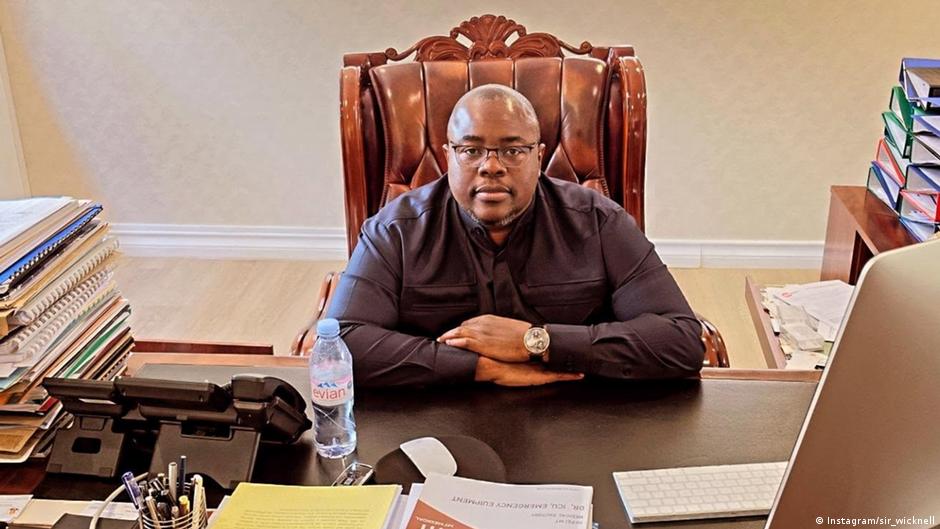
Zimbabwean businessman Chivayo, close to ruling elite, killed in helicopter crash

Zimbabwean businessman Chivayo, close to ruling elite, killed in helicopter crash

HARARE: Zimbabwean businessman Wicknell ‌Chivayo, ​his wife and several others were killed on Wednesday in a helicopter crash, President Emmerson Mnangagwa said. Mnangagwa said in a statement on X that he was "in deep shock and grief," while in ⁠a separate post Kenya's President William Ruto called Chivayo his friend and said he was saddened by his passing. Chivayo cultivated close ties with Mnangagwa ‌and other African leaders, posting pictures with them on social media where he also flaunted luxury cars, designer ‌clothing and lavish gifts. A government spokesperson said ‌on Wednesday that a helicopter with a high-profile ‌businessman on board had ‌crashed but did not give the businessman's name. Critics frequently cited Chivayo ​as an example ‌of a ​small elite class that benefited ⁠from government-linked contracts under Zimbabwe's long-ruling ZANU-PF party. He denied allegations of corruption. Chivayo was jailed for several ​years ⁠after a 2005 ⁠conviction as part of a money-laundering case. He was arrested in 2018 over the alleged misuse of ⁠a $5.6 million advance payment tied to a solar power project, but a magistrate struck the case off the court roll in 2023, citing delays by prosecutors. In 2024, he again drew scrutiny after ‌Mnangagwa described his company as Starlink's exclusive partner in Zimbabwe, prompting the telecommunications ​regulator to clarify that it was one of several approved resellers.

Oct 1, 2026 · byMobile Business
📰

World: Countries and partners commit more than US$715 million for reproductive health

Countries: World, Burundi, Denmark, Madagascar, Mozambique, Norway, United Kingdom of Great Britain and Northern Ireland, Zimbabwe Source: United Nations Population Fund UK announces £254 million (US$337.8 million) for reproductive health GiveWell makes its first investment in UNFPA with a US$10 million grant Burundi, Madagascar, Mozambique, and Zimbabwe commit more than US$292 million of their own resources for reproductive health NEW YORK, 23 September 2026 – At a landmark event, governments and philanthropic partners pledged over US$715 million to expand access to lifesaving health infrastructure, services and supplies including for family planning and maternal health. The announcements, made at a high-level event during the 81st session of the United Nations General Assembly, co-hosted by the United Nations Population Fund (UNFPA) and partners, come after major recent declines in international funding that have put access to essential and lifesaving reproductive health care at risk. “Today's commitments send a powerful message: investing in women and girls is the foundation for a prosperous and equitable future. Enabling their rights and choices is one of the smartest investments in development. Longstanding partners are standing firm, new ones are stepping up, and together we are changing lives," said Diene Keita, Executive Director of UNFPA. New, multi-year financing for family planning and maternal health brings renewed momentum for the reproductive health sector. Across the 54 low- and middle-income countries participating in the UNFPA Supplies Partnership — UNFPA’s flagship programme to ensure reliable access to contraceptives and maternal health medicines — record-high domestic commitments show that national governments are investing more of their own resources to help prevent unintended pregnancies and reduce maternal and newborn health complications and deaths. The United Kingdom announced £254 million (US$337.8 million) in funding, including £204 million for the UNFPA Supplies Partnership and £50 million for other partners working to expand access to reproductive health services and supplies. This is the largest single government investment in reproductive health supplies worldwide this year. The UK’s generous investment in the UNFPA Supplies Partnership will make voluntary family planning a possibility for more than 15 million women per year and could prevent 14 million unintended pregnancies and over 35,000 maternal deaths by 2028. New private and philanthropic funders are emerging alongside traditional government donors. Among these is GiveWell, an independent, nonprofit research organization dedicated to finding and funding highly cost-effective opportunities to save and improve lives. GiveWell announced a US$10 million grant to the UNFPA Supplies Partnership — its first investment in UNFPA and its largest investment in family planning to date. According to GiveWell’s modelling, its grant is expected to do about 19 times more good than giving cash directly to people. In addition, the European Investment Bank provided a grant of EUR 200 million (US$232 million). As importantly, low- and middle-income countries participating in the UNFPA Supplies Partnership are also investing more of their own resources in reproductive health. Burundi, Madagascar, Mozambique, and Zimbabwe announced a combined commitment exceeding US$292 million of their own resources for health infrastructure, services and supplies at the event. Between 2020 and 2025, government spending on contraceptives and maternal health supplies has increased more than sixfold across the 54 UNFPA Supplies Partnership countries, reaching a record US$68 million last year. The Partnership will match eligible commitments dollar for dollar through its Match Fund (within a predetermined amount) helping countries stretch their own resources farther and expand access to more people. UNFPA is the world’s largest provider of donated contraceptives to low- and middle-income countries, playing a critical role in ensuring family planning supplies reach people who need them most. Longstanding donor governments, including Denmark and Norway, also announced new and multi-year support for the UNFPA Supplies Partnership. Today’s commitments build on several years of work by UNFPA and partners to bring in new sources of financing while supporting low-and middle-income countries to invest more of their own resources in reproductive health. Together, these efforts will ensure access to lifesaving contraceptives and maternal health supplies today, while building more sustainable, country-led financing and health systems for the future. The event was co-hosted by UNFPA, FP2030 and the Gates Foundation, in partnership with the governments of Madagascar, Mozambique, Norway, Spain and Zimbabwe. KEY COMMITMENTS AND QUOTES BY ALPHABETICAL ORDER (Note: This is not a comprehensive list) The Government of Burundi committed US$4 million for family planning commodities in 2026, exceeding its contribution from the previous year, and more than US$500,000 for emergency obstetric and newborn care mentorship. The Government of Denmark committed US$53.6 million to UNFPA including US$19 million to the UNFPA Supplies Partnership. The European Investment Bank (EIB) gave a grant of US$232 million to the UNFPA Supplies Partnership. ​GiveWell, an independent, nonprofit research organization, pledged US$10 million to the UNFPA Supplies Partnership. The Government of Madagascar committed US$20 million from its national budget for reproductive health commodities in 2026 and 2027. The Government of Mozambique pledged US$17.6 million for reproductive health products in 2026 and 2027. The Government of Norway committed NOK 210 million ​(US$22.6 million) for the UNFPA Supplies Partnership for 2026 and 2027. The United Kingdom announced £254 million (US$337.8 million) through its CHOICES programme for 2025-2028, including £204 million for the UNFPA Supplies Partnership. The Government of Zimbabwe has committed more than US$250 million towards upgrading hospitals across the country, with approximately 30 percent of this investment dedicated to maternal and child health infrastructure. The government also committed US$2.25 million annually for family planning commodities in 2026 and 2027. GOVERNMENT QUOTES Ms. Elsebeth Søndergaard Krone, State Secretary for Development Policy, Denmark: “The lack of access to safe, affordable reproductive health commodities stands as a primary barrier to health equity around the globe. It has a negative impact on women’s right to decide over their own bodies […] This is why UNFPA’s core mandate - to promote sexual and reproductive health and rights - continues to be not only relevant but increasingly essential.” Ms. Kirsty McNeill, Minister for Development, United Kingdom: “It is a scandal that women and girls are denied the fundamental right to make informed choices about their own body, free from coercion, discrimination and violence. Every woman and girl should be able to make decisions about her own future. That choice can mean staying in school, finding work or surviving childbirth. The funding I have announced today will help give millions more women and girls across the world autonomy over their bodies, control over their futures, and the chance to fulfil their full potential.” Media contact Zina Alam, zialam@unfpa.org | media@unfpa.org About UNFPA UNFPA, the United Nations Population Fund, is the sexual and reproductive health agency of the UN, working to uphold the rights and choices of women, girls and young people across more than 150 countries and territories. It reaches millions of women, girls and young people with essential health services, protection from violence, and with vital information about their bodies and rights. It also helps governments plan for changing population needs so people can thrive today and in the future, regardless of fertility trends. About the UNFPA Supplies Partnership The UNFPA Supplies Partnership is UNFPA’s flagship programme for reproductive health commodity security. It supports 54 countries to strengthen health systems, supply chains, policy frameworks, financing and accountability systems while expanding access to quality-assured contraceptives and maternal health medicines.

Sep 24, 2026 · byReliefWeb

As president of Botswana, I know how we can make malaria a memory in Africa | Duma Gideon Boko

As president of Botswana, I know how we can make malaria a memory in Africa | Duma Gideon Boko

The disease is soaring as funding is cut. African nations are plugging the gap but they need help with the transition Botswana nearly defeated malaria. In 2024, we recorded just 290 cases and one death. Through our elimination efforts, many of our districts had seen no local malaria cases since 2010. Then, as is unfortunately the nature of malaria, it came back. In the first 23 weeks of 2025 we recorded 2,223 cases and 11 deaths . The disease reached places where previously there was no malaria. We were not alone. Namibia recorded more than 95,000 cases in 2025, and Zimbabwe more than 156,000 , according to government figures. Continue reading...

Sep 22, 2026 · byThe Guardian
Australia deny Zimbabwe a consolation win after Ellis pulls off last-over heist

Australia deny Zimbabwe a consolation win after Ellis pulls off last-over heist

Inglis hits 103 to set up chase and 3-0 series win Madhevere drops Ellis in penultimate over Josh Inglis scored his second one-day international century and Nathan Ellis his highest score in ⁠the format with an unbeaten 36 from 44 balls as Australia claimed a dramatic one-wicket victory over Zimbabwe with a ball ⁠to spare in Harare on Sunday. When Ellis was joined at the crease by Australia’s No 11, Spencer Johnson, ⁠the tourists needed 27 runs for victory, something the pair managed at a run-a-ball to take their side to the win. Continue reading...

Sep 20, 2026 · byThe Guardian