← News
Topic · Place

Angola

164 articles

See also
📰

Latest Angola articles

World: 2026 - 2027 El Niño: Special Report (October 2, 2026 )

World: 2026 - 2027 El Niño: Special Report (October 2, 2026 )

Countries: World, Angola, Burkina Faso, Chad, Colombia, Ethiopia, Guatemala, Haiti, Honduras, Kenya, Lesotho, Madagascar, Malawi, Mali, Niger, Pakistan, Somalia, South Sudan, Sudan, Uganda, Zambia, Zimbabwe Source: Famine Early Warning System Network Please refer to the attached file. FEWS NET Special Reports provide in-depth analysis of food security issues of particular concern. In 2026–2027, FEWS NET will publish a series of El Niño Special Reports, focusing on countries where FEWS NET has a presence and where El Niño impacts are of concern. The first report, in October 2026, provides an overview of the event, distinguishes the timing of rainfall impacts from peak impacts on acute food security outcomes, and provides region-level summaries. It also examines the global impacts on food availability and prices and the longer-term implications for food security. A second report will be published in late 2026 and a third and final report will follow in early-to-mid 2027, both of which will provide more detailed early warning of likely outcomes in regions where El Niño impacts on food security occur later in 2027. Reports will also update on the potential transition to La Niña. Key Messages The 2026/27 El Niño has rapidly strengthened to very strong levels and is expected to drive significant rainfall anomalies across FEWS NET geographies. Below-average rainfall has already occurred across unimodal areas of East Africa, the Sahel of West Africa, Latin America and the Caribbean, and Pakistan. Southern Africa will face below-average rains during the October 2026 to March 2027 rainy season, while the Horn of Africa will see heavy rains and heightened flood risk during the October to December 2026 rains. The most severe food insecurity outcomes from El Niño-induced rainfall anomalies typically emerge during the following lean season, rather than during the rainy season itself. This makes El Niño an important early warning signal, giving governments and humanitarians time to deliver a humanitarian food assistance response before the most severe acute food insecurity materializes. Unimodal East Africa and Southern Africa are of highest concern. In both regions, El Niño is expected to result in widespread drought and be the primary driver of high food assistance needs in 2027. While El Niño is expected to have its most significant food security impacts in areas directly affected by extreme rainfall anomalies, indirect impacts are likely to emerge through regional and international trade and markets. These indirect import-related risks are particularly elevated in Southern Africa through regional maize trade, and in West Africa and Yemen through international imports. Global output of maize, wheat, and rice has changed little on balance in the strong and very strong El Niño years since 1980. In the crop marketing years of these events, global output fell by at most 3.9 percent from the year before, in 1987/88. The U.S. Department of Agriculture (USDA) projects global 2026/27 production of these crops to be 2.7 percent below last year, but still the second-largest crop on record . Food security outcomes are often driven by multiple coexisting shocks. FEWS NET’s assessed populations in need are available in many of FEWS NET’s global and country-level products , but these estimates represent needs driven by all relevant factors. This report does not seek to – and it is often not feasible to – disentangle the relative contribution of each driver in order to identify needs attributable to one factor, in this case El Niño only. Nonetheless, the regional summaries do identify where El Niño is, or is not, considered a primary driver of acute food insecurity and associated food assistance needs. Beyond its immediate impacts, El Niño can increase vulnerability to future shocks by eroding household coping capacity. Where livelihoods are damaged and recovery is insufficient, households will face greater difficulty managing subsequent shocks. The longer-term food security implications depend not only on current rainfall conditions, but also on efforts to mitigate risks and support recovery. While this report focuses on early warning of both the ongoing and forecast impacts of the 2026/27 El Niño, it is important to signal early warning for the forecast transition to La Niña in mid-to-late 2027. Although confidence in this transition is relatively low given the long lead time, a shift to La Niña should be prepared for, as it will introduce a new set of rainfall impacts and food security risks.

Oct 7, 2026 · byReliefWeb
📰

Angola: Cunene Steps Up Community Surveillance to Accelerate the Eradication of Guinea Worm

Country: Angola Source: World Health Organization Angola continues to intensify its efforts to interrupt the transmission of dracunculiasis (Guinea worm disease), focusing on community surveillance, coordination among partners, and promoting sustainable access to safe drinking water. A joint mission by the Ministry of Health, the World Health Organization (WHO), the National Technical Committee for the Certification of Dracunculiasis Eradication (CTNCED), The Carter Center, and the Cunene Provincial Health Office assessed the progress made in the province and defined strategic priorities to support the national goal of certifying Angola as a disease-free country by 2030. During visits to the municipalities of Humbe and Cuanhama, the teams assessed the functioning of community surveillance, observed environmental conditions and the state of water sources, and met with local leaders and residents to emphasize the importance of early detection, including the timely reporting of rumors, infections, and suspected cases. The mission helped strengthen coordination among national, provincial, and municipal levels, promoting a more integrated and efficient response. This collaborative effort made it possible to identify operational needs, strengthen oversight mechanisms, and coordinate interventions to ensure the continuity of surveillance in the most vulnerable communities. “Community-based surveillance remains the primary tool for preventing the reemergence of the disease and ensuring the interruption of its transmission. The commitment demonstrated by communities, local authorities, and partners is essential for Angola to achieve certification of dracunculiasis eradication,” stated Dr. Nzuzi Katondi, head of the WHO’s dracunculiasis eradication program in Angola. Among the mission’s key findings was the strengthening of coordination among partners involved in the operational transition of activities previously supported by the WHO to The Carter Center. This transition has involved strengthening local technical teams, establishing municipal focal points, and expanding the community surveillance network in priority areas of the province. Discussions held during the mission also highlighted the importance of maintaining high levels of community awareness and trust in the surveillance system. In this regard, strategies were analyzed to improve the dissemination of reward mechanisms for reporting suspected cases, as well as measures aimed at ensuring the proper management of resources used in disease prevention and increasing local operational capacity. The partners also emphasized that the elimination of dracunculiasis depends not only on active surveillance but also on expanding access to safe drinking water sources and other interventions recommended by the WHO. Ensuring that communities have access to sustainable water supply alternatives remains essential to preventing disease transmission and protecting public health. At the conclusion of the mission, health authorities and partners reaffirmed their commitment to maintaining rigorous surveillance, deepening community engagement, and consolidating the progress achieved in recent years. Thanks to strong collaboration between the government, communities, and technical partners, Angola is firmly committed to permanently interrupting the transmission of Guinea worm and obtaining certification of the disease’s eradication. Media contacts Olívio Gambo Oficial de Comunicação Escritório da OMS em Angola gamboo@who.int T: +244 923 61 48 57

Oct 7, 2026 · byReliefWeb
📰

World: Testing coordination before hazards become disasters

Countries: World, Angola, Côte d'Ivoire, Zambia Source: UN Office for Disaster Risk Reduction Across Africa, climate-related hazards place growing pressure on communities. For Angola, Côte d'Ivoire and Zambia, floods and droughts have been identified as significant and recurring hazards, with risks projected to evolve under changing climatic conditions, including under the 2026/2027 El Niño. As climate-related hazards intensify across the continent, effective action and coordination based on early warning information becomes more critical than ever before. In July 2026, the United Nations Office for Disaster Risk Reduction (UNDRR) Regional Office for Africa, co-organized three discussion-based exercises (DBXs) in Angola, Côte d'Ivoire and Zambia. DBXs are a type of simulation exercise designed to surface strengths, gaps, and bottlenecks in the early warning value chain. They emphasize sequencing and timing, allowing participants to examine how their collaboration efforts are affected as new information becomes available. The three DBXs convened separate groups of national stakeholders to explore how continental early warning information can support preparedness. While all the exercises shared a common methodology, each was tailored to the hazard profiles and institutional arrangements of each country. The exercises were convened under the Disaster Risk Reduction Capacity Building in Africa programme funded by the Government of Italy. They were facilitated with support from the African Union Commission and the CIMA Research Foundation. At national level, they were co-organized by the Civil Protection and Firefighters Service of Angola (SPCB), the National Platform for Risk Reduction and Disaster Management (PN-RRC) in Côte d'Ivoire, and the Disaster Risk Management Division (DRMD) in Zambia. In Angola, participants worked through a flood scenario reflecting the country's exposure to heavy rainfall and riverine flooding. In Côte d'Ivoire and Zambia, the exercises centered on drought conditions, enabling participants to examine how early warning information can support decision-making in the face of slow-onset hazards. By simulating realistic disaster scenarios in a low-risk environment, the exercises enabled stakeholders to test existing procedures, clarify institutional roles and examine how information flows between technical agencies, disaster management authorities and key decision makers, and towards the communities who rely on these warnings and advisories to take action. The discussions helped identify where warning information may be delayed, misunderstood or insufficiently linked to decision-making processes, providing a basis for strengthening preparedness plans and standard operating procedures. A key focus of the exercise was familiarizing national stakeholders with the early warning products created by the African Multi-Hazard Early Warning and Early Action System (AMHEWAS) programme . Drawing on forecasts and information from its continental network, AMHEWAS provides its Member States with forecasting products, which support the monitoring of evolving hazards. These include products like the Continental Watch, a multi-hazard early warning bulletin for emerging fast-onset weather risks, and the Africa Drought Watch, which provides information on rainfall deficits, vegetation stress and evolving drought patterns.support the monitoring of evolving hazards. These include products like the Continental Watch, a multi-hazard early warning bulletin for emerging fast-onset weather risks, and the Africa Drought Watch, which provides information on rainfall deficits, vegetation stress and evolving drought patterns. “This simulation has opened our eyes to drought hazards. Drought has not been well understood in Côte d'Ivoire, as we are mostly affected by flood events. This exercise has helped us learn more about drought monitoring, and helped us to understand how to take ownership of AMHEWAS products. Like the Aeronautical Meteorological Airport Development And Operations Company (SODEXAM) and other organisations here, we are working out how to support decision-making in the country with high-quality hydrological data.” - Mr. Ouattara Almamy, Deputy Director of Hydrological Studies, Hydrology Directorate of the Ministry of Hydrology, Health, and Sanitation of Côte d'Ivoire. The DBXs demonstrated to participants how continental products can provide an additional layer of hazard and vulnerability data for improved preparedness, particularly for transboundary hazards. By combining AMHEWAS information with national forecasts and local observations, decision-makers will have a more comprehensive understanding of emerging risks, and will be able to take action earlier. "[This DXB] will help to develop Zambia's national anticipatory action framework, especially with the country's trigger thresholds, and with formulating and achieving wider stakeholder consultation. This exercise will also enrich further discussions around drought protocols at the regional and continental levels, for which we have pledged to provide early warnings for each and every population at risk by 2030." - Mr. Likezo Musobani, Director in charge of Disaster Risk Management, Disaster Risk Management Division of Zambia The relevance of these exercises is underscored by the ongoing El Niño 2026/2027 event. During the Twenty-first African Continental Climate Outlook Forum (ACCOF-21), stakeholders stated that African countries must move their focus from simply producing and disseminating forecasts to fostering a continental coordinated system, ensuring that information from various regions will be co-produced and shared. These DBXs help to foster coordinated systems not only on the continental level but also at the national level. Effective coordination cannot be assumed, it must constantly be practiced and improved. The importance of strengthening coordination and preparedness was also highlighted at the Africa Early Warnings Forum , held in Addis Ababa in September 2026. The Forum featured a plenary on the implications of the anticipated 2026-2027 El Niño event, during which experts and government officials emphasized that early warning systems must not only generate forecasts, but also ensure that warnings lead to timely and effective early action. The Forum culminated in the Addis Ababa Call to Action on Early Warnings in Africa , which calls for stronger, more coordinated early warning systems across the continent. The best way to ensure that systems are coordinated and ready to respond is by constantly exercising them. By simulating real-world disaster scenarios, these discussion-based exercises help transform plans and forecasts into effective early action.

Oct 7, 2026 · byReliefWeb
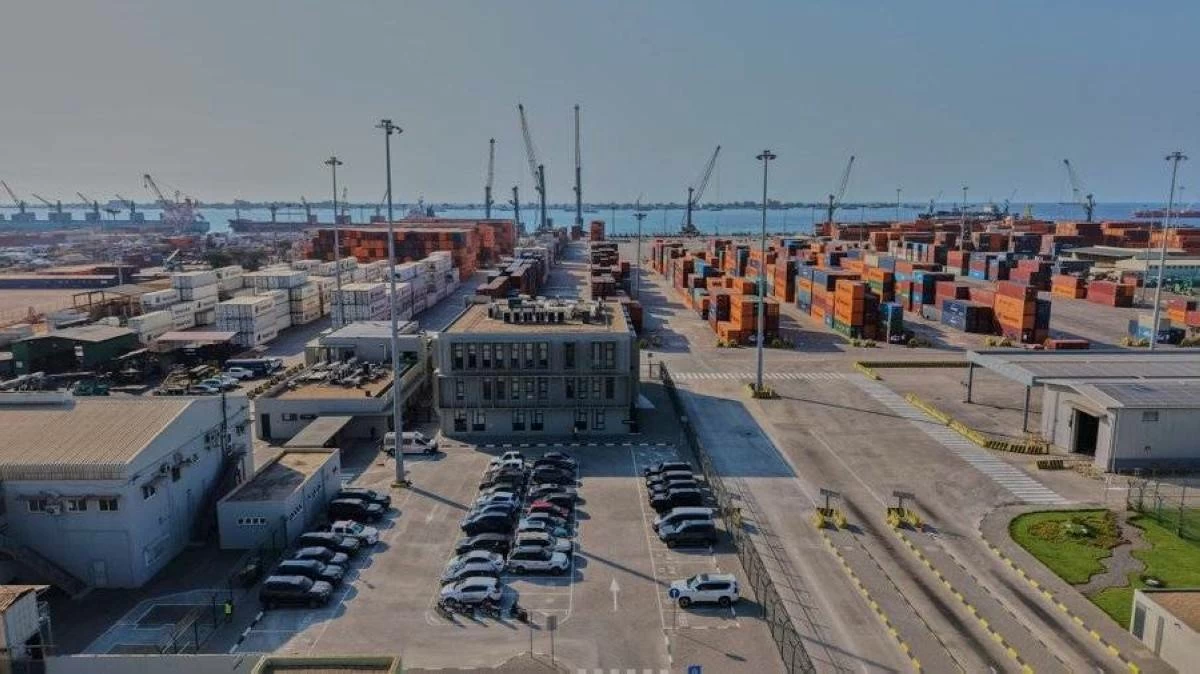
DP World secures Luanda port concession extension until 2051

DP World secures Luanda port concession extension until 2051

DUBAI: DP World has secured a 10-year extension to its concession for operating the multi-purpose container terminal at the Port of Luanda in Angola, extending the agreement until 2051. The extension comes as the global logistics company accelerates investments in the terminal, which it has operated since 2021. DP World said it has invested more than $260 million in the development and modernisation of the facility over the past five years. During the same period, container throughput nearly doubled from 177,000 TEUs (twenty-foot equivalent units) to more than 350,000 TEUs, supported by the addition of 28,000 square metres of container handling yard space. To support growing demand, the company added two mobile harbour cranes and new equipment for handling empty containers this year, increasing the total number of mobile cranes at the terminal to eight. Refrigerated container connection points were also expanded from 630 to 700. During the inauguration of the new container terminal building, DP World announced a further $90 million investment over the next two years to expand infrastructure, equipment and operational capabilities. The expansion programme will extend the terminal’s quay by 222 metres, add 10 hectares of operational space and increase the facility’s design capacity to 1.2 million TEUs. The project also includes the acquisition of three ship-to-shore gantry cranes and 12 semi-automated rubber-tyred gantry cranes, enabling the terminal to accommodate two Post-Panamax vessels simultaneously. DP World said the expansion will strengthen Luanda’s position as a major container gateway for Central Africa and an important trade hub for sub-Saharan Africa, while supporting employment, manufacturing growth, export competitiveness and foreign investment. Mohammed Akoojee, Chief Executive Officer and Managing Director for Africa at DP World, said: “The expansion of DP World Luanda is a significant milestone for both Angola and the region as a whole. The ability to handle larger vessels will support new shipping services and enhance the container terminal’s potential as a gateway to West and Central Africa. “Our investment will improve the efficiency and sustainability of trade flows, providing customers with greater reliability, reducing vessel service times, improving access to global markets, and solidifying Angola’s prominent role within our regional and global logistics network.” Paco Benzon, Chief Executive Officer of DP World Luanda, said the concession extension reflects the company’s long-term commitment to Angola. “Our concession extension until 2051 confirms our long-term commitment to enhancing the future of trade in Angola as a leading regional trade gateway,” he said. “Our continued investment will contribute to providing a more efficient and competitive experience for our customers, while supporting Angola’s ambitions to enhance trade connectivity, diversify its economy and become a continent-wide logistics hub.” He added that the expansion would support the wider logistics ecosystem, create opportunities, strengthen regional connectivity and contribute to sustainable economic growth in Angola.

Oct 6, 2026 · byMobile Business
Angola Key Message Update September 2026 - January 2027: Rising food prices and early lean season threaten food access in the south

Angola Key Message Update September 2026 - January 2027: Rising food prices and early lean season threaten food access in the south

Country: Angola Source: Famine Early Warning System Network Please refer to the attached file. Key Messages In September 2026, Stressed (IPC Phase 2)-aligned outcomes are expected in southern Angola. Following below-average 2025/26 harvests, poor households in Cunene, Namibe, Huíla, and Cuando Cubango provinces exhausted their food stocks atypically early by July, rather than October as is typical, and well ahead of the November lean season start. Households are relying on markets, using limited income from casual labor and increased charcoal and firewood sales, to meet their basic food needs. From October 2026 through January 2027, Crisis (IPC Phase 3)-aligned outcomes are expected in the agropastoral south as El Niño-related shocks will likely further limit household food access. The forecast delayed rainy season onset is driving poor pastoralists to engage in livestock distress sales before forage deficits worsen amid expected delayed recovery. El Niño will also likely result in below-average rainfall, which is expected to reduce agricultural labor opportunities and further degrade pasture and water points. Localized pockets of poor households are likely to be worst affected and face Emergency (IPC Phase 4)-aligned outcomes as the lean season peaks between November and January. Inflation is easing, but food price pressures remain significant and uneven across Angola. Angola’s annual headline inflation rate declined to 8.78 percent in August 2026, down from 9.33 percent in July and well below the 18.88 percent recorded in August 2025. However, food and non-alcoholic beverages remained a major contributor to annual inflation at 9.94 percent, though this reflects a significant deceleration from 19.24 percent in August 2025. National averages continue to mask substantial differences between surplus-producing and food-deficit areas in the south. Below-average market supply and elevated transport costs are driving staple food prices to record highs in southern deficit regions as of August. Fuel shortages are driving price hikes on the parallel market, where diesel prices have surged more than 250 percent above official prices to reach 1,500 AOA per liter. These high fuel costs are being passed on to transportation costs and are disrupting commercial food inflows from central surplus-producing zones, such as Huambo, to southern markets. In Cunene, the price of dry beans remains highly elevated at 1,500-1,750 AOA/kilograms (kg), representing an approximate 35 percent year-on-year increase. However, yellow maize meal prices are relatively stable compared to last year at 1,100 AOA/kg, but 7.8 percent above the five-year average. This relative market stability is expected to be short-lived, with prices projected to rise sharply as the lean season deepens and fuel shortages persist. Atypically low demand for agricultural labor has further constrained household income in the south. Land preparation for the 2026/27 agricultural season typically provides vital seasonal labor income ( ganho-ganho ) in September and October. However, a forecast El Niño-driven delay to the rainy season start and severe national fertilizer shortages have prompted better-off farmers to postpone and scale back land preparation, limiting seasonal income-generating opportunities for poorer households, and alternative income sources are failing to bridge the gap. The markets for charcoal sales and petty trade are oversaturated and yielding low returns, while livestock income is declining significantly due to poor body conditions. With total household income declining just as market dependence peaks amid record-high staple food prices, purchasing power is critically constrained, particularly in southern Angola.

Oct 6, 2026 · byReliefWeb
France come from behind to stun Belgium 4-1 as Croatia host Spain and England face Czech Republic tonight

France come from behind to stun Belgium 4-1 as Croatia host Spain and England face Czech Republic tonight

⚽ It’s another busy day on the pitch, with plenty of action to keep us entertained — and two fixtures in particular in the UEFA Nations League that we’ll be stocking up on snacks for. In the AFCON qualifiers, Group B resumes with Angola hosting Malawi at 10pm on beIN Sports Max 1. Angola are still […] The post France come from behind to stun Belgium 4-1 as Croatia host Spain and England face Czech Republic tonight appeared first on EnterpriseAM Egypt .

Oct 5, 2026 · byEnterpriseAM Egypt
World: Africa CDC Epidemic Intelligence Weekly Report, September 2026

World: Africa CDC Epidemic Intelligence Weekly Report, September 2026

Countries: World, Angola, Burundi, Democratic Republic of the Congo, Guinea, Guinea-Bissau, Madagascar, Mali, Mauritius, Mozambique, Nigeria, Senegal, South Africa, Zambia Source: Africa Centres for Disease Control and Prevention Please refer to the attached file. Welcome to our Epidemic Intelligence Weekly Report, your trusted source for real-time updates on priority events of concern on the continent. The narrative brought to you focuses on three main areas: the epidemiological situation, event assessment (risk assessment and geoscope) and public health interventions by the affected Member State, partners, and Africa CDC. Every week we highlight events reported to Africa CDC that rank from moderate to very high risk as per the Africa CDC risk assessment tool. Geographic Focus: Reports could either focus on events affecting single country or multiple countries. Inclusion criteria: While Africa CDC continues to track all public health events on the continent, this report highlights only moderate to very high-risk events (with new updates in the reporting week). Events: We focus on a range of health threats, ranging from emerging infectious diseases to endemic conditions, and natural disasters. We follow a one-health multisectoral approach highlighting events across all relevant sectors: animal, environmental and human. This Event-Based Surveillance Weekly Report is your compass for navigating Africa’s public health landscape. We empower you with the latest information and insights, for informed decisions and effective interventions to attain a healthy and prosperous Africa.

CDCneutral
Oct 2, 2026 · byReliefWeb
📰

World: WHO reports latest global trends in cholera, meningitis and plague

Countries: World, Angola, Bangladesh, Democratic Republic of the Congo, Nigeria, South Sudan, Sudan, Yemen Source: World Health Organization Cholera deaths increased by 30% in 2025, despite fewer cases being reported to the World Health Organization (WHO). In 2025, 47 countries reported 451 499 cholera cases and 7870 deaths to WHO. This is the highest number of annual cholera deaths reported to WHO since 1999. These figures reflect surveillance data reported to WHO and not the actual global burden of cholera, which is estimated to be substantially higher as many cases go unreported. Seven countries – Angola, Bangladesh, the Democratic Republic of the Congo, Nigeria, South Sudan, Sudan and Yemen – accounted for around 90% of all reported cholera cases and deaths globally. The WHO African Region reported the largest burden, with a 34% increase in cases and a 58% increase in deaths compared with 2024. These findings are published in the latest edition of the Weekly Epidemiological Record alongside updates about two other epidemic-prone bacterial diseases: meningitis and plague. "The rise in cholera deaths is a reminder of the challenge ahead,” said Dr Chikwe Ihekweazu, Executive Director of WHO's Health Emergencies Programme. “No one should be dying from cholera today when we have the tools to prevent and treat this disease. The concentration of cases and deaths in a small number of countries shows where targeted investments in safe water, sanitation and hygiene could have the greatest impact. Combined with stronger disease surveillance, community engagement, vaccination and access to quality care, these investments can help turn this trend around." Cholera is an acute diarrhoeal disease caused by Vibrio cholerae bacteria. The disease spreads through food and water contaminated with faeces, especially in areas without safe water and sanitation. While cholera is preventable and treatable, it can be fatal if severe dehydration is not rapidly treated. More than one in five reported cholera deaths occurred outside health facilities, highlighting that too many patients are still not reaching care in time. Among patients treated in health facilities, the fatality rate was below 1% – a threshold for adequate care – globally. However, the rate exceeded 1% in 12 countries in 2025. Global production of oral cholera vaccines more than doubled between 2022 and 2025, increasing from around 30 million to approximately 80 million doses annually, significantly improving vaccine availability. Last year, the International Coordinating Group (ICG) on Vaccine Provision approved 71 million doses for use in affected countries, including 20 million doses for preventive vaccination, which resumed earlier this year after being suspended for more than three years. Vaccination is advancing the fight to defeat meningitis by 2030 Bacterial meningitis continues to place a substantial burden on countries in the African meningitis belt, an area extending from Senegal to Ethiopia where epidemics occur regularly. In 2025, 24 of the 26 countries in the region reported 21 526 suspected cases and 971 deaths to WHO, corresponding to a fatality rate of 4.5%. Among countries reporting data for both years, cases declined by 5.9% compared with the previous year. Meningitis is the inflammation of the tissues surrounding the brain and spinal cord, with bacterial meningitis being the most serious type. Four types of bacteria account for most cases of bacterial meningitis worldwide. Vaccination has transformed the efforts to combat meningococcal meningitis, one of the main causes of bacterial meningitis. Since the introduction of the meningococcal A conjugate vaccine in 2010, cases of serogroup A have declined by more than 99% among vaccinated populations, and no confirmed case has been reported since 2017 in countries that introduced the vaccine. A vaccine offering broader protection against five meningococcal serogroups, Men5CV/MMCV, is now being introduced in the region for both outbreak response through the ICG and preventive vaccination campaigns. In 2025, Niger became the first country to carry out a country-wide campaign using this vaccine. Surveillance remains essential to control plague Plague is a bacterial disease that usually spreads between animals through fleas and can sometimes infect people. Between 2019 and 2025, 10 countries reported suspected human plague cases to WHO, six of which reported confirmed cases. Overall, 3847 suspected cases and 423 deaths were reported to WHO, corresponding to a case fatality rate of 11%. Most cases were reported from the Democratic Republic of the Congo and Madagascar, where plague remains endemic in some areas. Plague may also occur in countries that do not report cases, and annual case numbers fluctuated depending on the timing, location and magnitude of outbreaks. Continued surveillance of rodent and other animal populations, together with rapid response to outbreaks, remains essential to detect plague early, reduce transmission and prevent larger outbreaks. About WHO Dedicated to the well-being of all people and guided by science, WHO leads and champions global efforts to give everyone, everywhere, an equal chance at a safe and healthy life. We are the United Nations’ agency for health that connects nations, partners and people in more than 150 locations – leading the world’s response to health emergencies, preventing disease, addressing the root causes of health issues and expanding access to medicines and health care. Our mission is to support all countries to promote, provide and protect health. “Together for health. Stand with science”, the theme of World Health Day 2026, marks a year-long campaign to highlight science as the foundation for protecting health and well-being worldwide.

Sep 29, 2026 · byReliefWeb