Topic · Place
Bangladesh
45 articles
See also
📰
Latest Bangladesh articles


Berlinale Title ‘Lali’ to Open Tasveer Film Festival’s 21st Edition (EXCLUSIVE)
Seattle’s Tasveer Film Festival & Market has unveiled its 21st edition lineup: 136 films from 16 countries screening Oct. 13-18, opening with Sarmad Sultan Khoosat’s “Lali,” a Berlinale Panorama title, in its West Coast premiere. The films, spanning more than 25 languages, tell stories from Afghanistan, Bangladesh, Bhutan, India, the Maldives, Nepal, Pakistan, Sri Lanka, […]
 Sep 23, 2026 · byVariety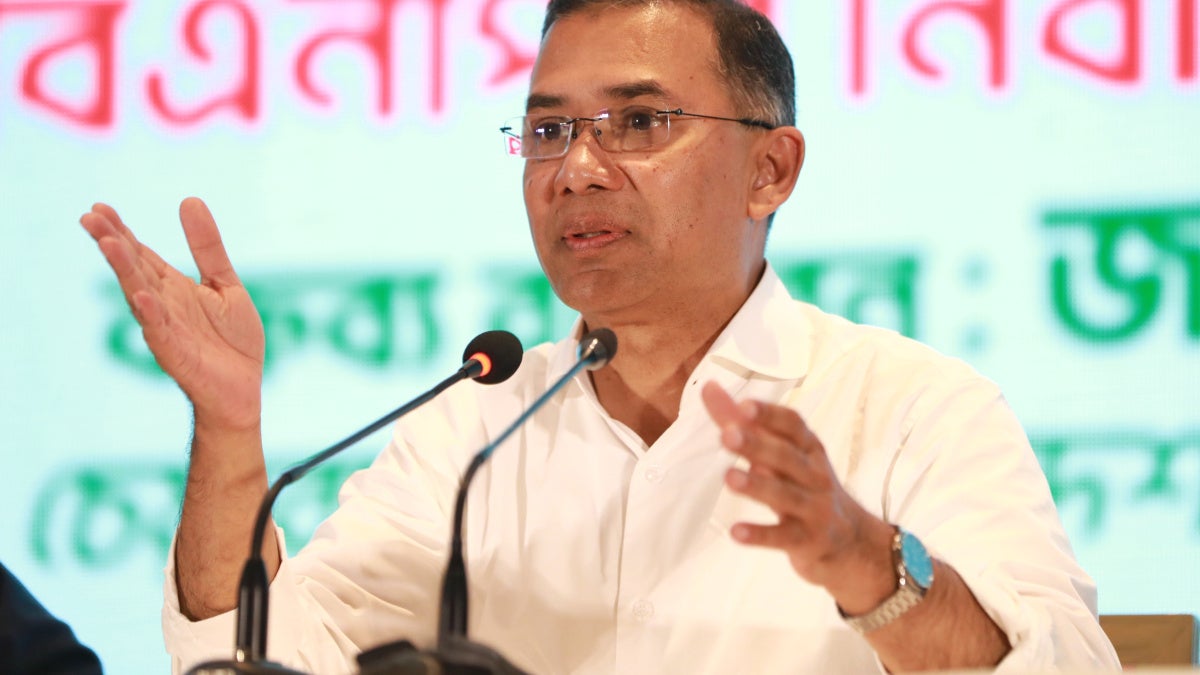
Bangladesh: New Laws Reverse Rights Protections, Empower Abusers
Click to expand Image Bangladesh Nationalist Party (BN) chairman and Prime Minister Tarique Rahman in Dhaka, Bangladesh, on February 14, 2026. © 2026 MD Abu Sufian Jewel/NurPhoto via AP Photo (London, September 23, 2026) – Three laws approved in September 2026 by the Bangladeshi parliament have reversed human rights protections and broken the ruling Bangladesh Nationalist Party’s (BNP) commitments to reform, Human Rights Watch said today. The legislation removes safeguards created by the interim government, which ruled Bangladesh between August 2024 and February 2026, reducing protections that could prevent a return to violations such as enforced disappearances and extrajudicial killings which were widespread in the past. The interim government had introduced two ordinances to strengthen the National Human Rights Commission (NHRC), including powers to prevent, investigate, and seek accountability for enforced disappearances. After being elected earlier this year, the government of Prime Minister Tarique Rahman has now legislated to remove the NHRC’s independence and weaken its investigative powers. The third law purports to abolish the paramilitary Rapid Action Battalion (RAB), a law enforcement agency responsible for extrajudicial killings, enforced disappearances, and torture, but in effect only renames it while providing fewer safeguards than apply to the regular police. “To prevent a return to the terrible abuses of the past, Bangladesh needs real security sector reform and an independent human rights body with the authority to investigate allegations of abuse,” said Elaine Pearson, Asia director at Human Rights Watch. “The new government’s efforts to shield security forces from scrutiny and accountability offer no reason to trust that killings and disappearances will remain a thing of the past.” Under the Awami League government of former Prime Minister Sheikh Hasina, which ruled Bangladesh between 2009 and 2024, law enforcement agencies committed widespread abuses, including extrajudicial killings, enforced disappearances, arbitrary arrests of critics, and the use of excessive force against protesters. Although killings and disappearances have sharply declined, the Rahman government, like its predecessor, is holding hundreds of perceived political opponents in arbitrary detention. The Awami League established the NHRC in 2009, but it lacked independence and had no power to investigate allegations against security agencies. Under the law in force at the time, a committee dominated by government or government-aligned officials selected the commissioners. If it received allegations against law enforcement agencies, the NHRC could only “call for a report from the government” and submit recommendations. The interim government sought to strengthen the NHRC with an ordinance that empowered it to investigate security agencies, created a more independent appointments process, and provided more robust and independent arrangements for funding and staffing. For the first time it created a National Preventive Mechanism, which is required under the Optional Protocol to the Convention against Torture, to inspect and monitor places of detention. However, after a new government was elected in February, the ordinance had to be confirmed or it would automatically lapse. The BNP administration let it lapse. The new legislation, passed on September 6 following a walkout by opposition legislators, does not allow the NHRC to directly investigate alleged rights violations by security forces. It can only request a report from the agency facing the allegation, although a vaguely worded provision seems to allow the NHRC to open its own inquiries if that agency fails to respond, or its report is deemed unsatisfactory. The new law also restores government control of the appointments process, reduces the NHRC’s budgetary and administrative independence, and downgrades the status and independence of the National Preventive Mechanism. As with the NHRC that existed under the Awami League’s 2009 law, the law adopted by the current government does not appear to comply with standards for investigatory powers, political independence, or adequate resourcing under the Paris Principles, the minimum international standard for national human rights institutions. Also on September 6, parliament adopted the Enforced Disappearance Prevention and Redress Act, which reverses reforms in another ordinance of the interim government. While the lapsed ordinance empowered the NHRC to investigate allegations of enforced disappearance, under the new act the government will appoint a security agency other than the agency implicated to investigate such allegations. While the ordinance empowered the NHRC to monitor, inspect, and investigate detention facilities, including if it suspects a secret detention facility, those powers have been removed. The legal standard for command responsibility for enforced disappearances, which was previously based on the Rome Statute of the International Criminal Court and held officers responsible for violations they should have known about and prevented, has also been changed. It now requires evidence of direct orders to hold a commanding officer responsible for enforced disappearances. On September 10, parliament passed the Special Response Battalion Act, renaming the RAB, which had been sanctioned by the United States for its role in serious human rights abuses. Seven of its former senior officers have been placed under targeted US sanctions, and several former members are facing trial at Bangladesh’s International Crimes Tribunal for alleged crimes against humanity, such as enforced disappearance. The ruling BNP had previously called for RAB’s dissolution, as had Human Rights Watch. The new law transfers the battalion’s personnel, powers, and property, including records to a supposedly new force, the Special Response Battalion (SRB), which began operating on September 16. Even the logo remains the same, only changing the letters RAB to SRB. In May, Home Minister Salahuddin Ahmed had said that renaming the unit might lead the United States to “reconsider” the sanctions against it. Human rights experts have expressed dismay at the lack of provision for safeguards, training, oversight, or accountability in the new law. As a matter of urgency, Bangladesh’s international partners should press the government to ensure that the as-yet undrafted rules for the SRB’s activities under the new law include rigorous human rights vetting of personnel, independent external oversight, safeguards governing arrest and detention, preservation of RAB’s records and other evidence, and an end to the routine deployment of seconded military personnel for civilian law enforcement, Human Rights Watch said. The United States should maintain its sanctions on the renamed entity until adequate measures to ensure respect for human rights and accountability for past violations, are in effect. Bangladesh’s international partners, including the European Union and the United Kingdom, should also strongly express their concern at the emerging human rights record and policies of Bangladesh’s new government. “Tarique Rahman came to office promising reform, after protesters risked their lives to overthrow a government that had committed widespread and severe rights violations,” Pearson said. “It is deeply alarming to see the new government so quickly following in the abusive footsteps of Sheikh Hasina, because we have seen where this can lead.”

UNGA 2026: Can the UN stop wars?
Al Jazeera asked people in Bangladesh, Gaza and Nigeria what they think of the UN’s role in resolving conflicts.
 Sep 22, 2026 · byAl Jazeera
Italy weekly sea arrivals update - 21 September 2026
Countries: Italy, Algeria, Bangladesh, Libya, Pakistan, Somalia, Sudan, Tunisia, Türkiye Source: UN High Commissioner for Refugees Please refer to the attached Infographic.
 Sep 21, 2026 · byReliefWeb
North Korea anthem played at South’s Bangladesh hockey match at Asian Games
Asian Games organisers in Japan accidently play North Korea's anthem ahead of South's hockey match with Bangladesh.
Asian Gamesneutral
Sep 18, 2026 · byAl Jazeera
‘I spend a bagful of money and don’t fill a bag’: the energy crisis hits Bangladesh
The country has been left in the dark as it endures power cuts caused by the Iran war and reliance on gas imports At 1am, Halder’s alarm goes off and the 34-year-old Bangladeshi bank employee rises and heads to her kitchen. She is up at this time not for work but to cook for her family. An energy crisis paralysing the capital, Dhaka, a city of almost 40 million people , means this has become the only time when the piped gas supply is strong enough to allow cooking. The city now operates in darkness, as people try to continue their lives with power even in public areas shut off early in the evening to preserve energy. Continue reading...
 Sep 18, 2026 · byThe Guardian
UNHCR Malta Fact Sheet, February 2026
Countries: Malta, Libya, Sudan, Syrian Arab Republic, Ukraine Source: UN High Commissioner for Refugees Please refer to the attached file. UNHCR established its presence in Malta in 2005 and monitors access to territory and reception, while promoting fair and efficient asylum procedures in line with international standards. As of December 2025, Malta had issued 2,944 Temporary Protection certificates since the full-scale war in Ukraine began in 2022, with 80 per cent of certificates issued to women and children. As of mid-2025, there were 8,556 international protection holders in Malta. In 2025, 472 lodged asylum application mainly from Syria, Colombia, Bangladesh and Libya. HIGHLIGHTS Improved initial conditions and coordination for sea arrivals: Following a recent shift by the Government towards improved disembarkation arrangements, initial conditions and coordination during recent disembarkations have improved. After the first health checks at the disembarkation site, the identification and vulnerability screening are done in a better equipped facility; allowing UNHCR to provide asylum information and to support identification of vulnerable individuals. New Labour Migration Policy opens room for dialogue on refugee inclusion: UNHCR welcomed Malta’s new Labour Migration Policy as a positive step in addressing precarious work and the exploitation of foreign workers. UNHCR supported the Government with proposed measures to strengthen refugee selfreliance and economic inclusion, such as free work permits for refugees and the prioritisation of refugees in the “I Belong” programme for the early inclusion of refugees in society. Communities improved their access to services: UNHCR Malta works closely with refugee-led organizations (RLOs) to strengthen their capacity and expertise in delivering protectionoriented services to refugee communities. In November 2025, the RLO “Foundation for the Ukrainian Community of Malta” implemented a UNHCR grant aimed at supporting displaced Ukrainians in accessing services and delivering information sessions on rights and social protection.
Sep 17, 2026 · byReliefWeb
UNHCR Italy Factsheet, February 2026
Countries: Italy, Afghanistan, Bangladesh, Pakistan, Peru, Syrian Arab Republic, Ukraine, World Source: UN High Commissioner for Refugees Please refer to the attached file. taly has been party to the 1951 Refugee Convention since 1954. The same year, UNHCR established a country office in Italy, which became a multi-country office in 2020, covering Italy, the Holy See and San Marino and Malta since 2026. UNHCR supports Italy in strengthening its asylum system, including through assistance in the implementation of the EU Pact on Migration and Asylum, to ensure compliance with international standards. UNHCR advances safe and legal pathways for refugees through labour, education and humanitarian corridors, evacuations, and resettlement, partnering with government, civil society, and the private sector as part of Italy's external dimension agenda. HIGHLIGHTS ARRIVALS BY LAND AND SEA In 2025, Italy remained the primary destination for sea arrivals in Southern Europe, accounting for 46 per cent (66,316 people) of the total, with nearly 90 per cent of sea crossings originating from Libya, followed by Tunisia, Algeria, and Türkiye. Around 6,500 people were intercepted at the north-eastern land border with Slovenia —similarly to 2024—although UNHCR estimates that many more crossings went undetected. CITY-TO-CITY EVENT On 19 and 20 November 2025, the third edition of the Cityto-City event was held in Naples, bringing together municipalities signatory to the Charter for the Integration of Refugees and attended by fifty representatives from municipal administrations, civil registry offices, the National Association of Italian Municipalities, and private sector. The event strengthened collaboration on refugee inclusion through thematic roundtables on documentation, residence registration, housing and data collection, with municipalities reaffirming their commitment to advancing solutions and sharing best practices to enhance integration efforts.
Sep 17, 2026 · byReliefWeb
Gulf crisis worsens energy disruption in Bangladesh and Pakistan
The Gulf crisis underscores South Asia's energy vulnerability, potentially escalating global oil prices and straining regional economies. The post Gulf crisis worsens energy disruption in Bangladesh and Pakistan appeared first on Crypto Briefing .
 Sep 17, 2026 · byCryptoBriefing
UNHCR Romania Fact Sheet, February 2026
Countries: Romania, Bangladesh, Pakistan, Somalia, Syrian Arab Republic, Ukraine, World Source: UN High Commissioner for Refugees Please refer to the attached file. UNHCR supports the Government’s response to protect and include refugees in Romania through initiatives fostering inclusion and self-reliance, protection services, counselling and targeted assistance. Romania granted access to social benefits for refugees from Ukraine, through the Emergency Ordinance No. 96 on 28 June 2024, thereby addressing the needs of vulnerable refugees, to the same extent as Romanian citizens. UNHCR leads Inter-Agency coordination, supporting the national response, with 43 Refugee Response Plan partners ensuring alignment and synergy with the Government’s policy and localization. HIGHLIGHTS Life-saving assistance In 2025, UNHCR enrolled over 2,275 refugees for cash assistance as a transitional safety net measure and distributed 190,295 core relief items (CRIs), including blankets, bedding, clothing, and hygiene kits to 46,580 people in need. Protection information and counselling In 2025, UNHCR and partners have provided over 11,800 refugees with information and counselling in person or by phone. In addition, some 21,400 refugees are regularly reached through social media dedicated channels, including UNHCR’s Telegram channel, amplifying UNHCR’s messages to nearly 80,000 refugees. Delivering together UNHCR hosts 11 partners and national authorities at the RomExpo Community Centre in Bucharest, visited by over 250 refugees daily. The centre serves as a main “one-stop shop” for refugees. UNHCR is also hosting the social shop run by the Municipality of Bucharest.
Sep 17, 2026 · byReliefWeb
World: Global Update | September 2026: An Inter-Agency Report of the Global ENSO Analysis Cell - El Niño Status & Humanitarian Outlook
Countries: World, Afghanistan, Angola, Bangladesh, Burkina Faso, Cameroon, Central African Republic, Chad, Colombia, Cuba, Djibouti, Ecuador, El Salvador, Ethiopia, Fiji, Guatemala, Haiti, Honduras, Indonesia, Kenya, Kiribati, Madagascar, Malawi, Mali, Mozambique, Myanmar, Nepal, Nicaragua, Niger, Nigeria, Papua New Guinea, Peru, Solomon Islands, Somalia, South Sudan, Sudan, Timor-Leste, Tuvalu, Uganda, Vanuatu, Venezuela (Bolivarian Republic of), Zambia, Zimbabwe Sources: International Federation of Red Cross and Red Crescent Societies, Save the Children, UN Office for the Coordination of Humanitarian Affairs, World Food Programme Please refer to the attached file. OVERVIEW El Niño is firmly established and is forecast to reach very strong intensity. WMO forecasts indicate a nearly 100 per cent likelihood that it will persist through February 2027, with the event expected to strengthen further and peak towards the end of 2026. Its effects may lag and persist beyond the peak. A very strong El Niño is likely to bring major shifts in rainfall and temperature patterns, increasing the risk of drought, flooding, extreme heat and other weather and climate hazards. These effects will not be felt everywhere at the same time or in the same way. Their severity will depend on where the climate signal coincides with agricultural and livelihood calendars, existing humanitarian needs and people's ability to cope. WMO cautions that the strength of the global event does not translate directly into the scale of impacts in any individual country or region. El Niño is also occurring against the backdrop of long-term climate warming. The emerging risks must be understood alongside conflict, displacement, high food insecurity and high food prices, malnutrition, disease outbreaks, economic pressures and overstretched essential services. These conditions have not improved since the June update. In many places, repeated shocks have depleted household assets, increased debt and weakened the coping mechanisms that people would ordinarily rely on when drought, floods or high prices affect their livelihoods. WFP estimates suggest that up to 50 million people globally could be affected over the next six to nine months, indicating the potential scale of the humanitarian consequences.
Sep 17, 2026 · byReliefWeb
UNHCR Moldova Fact Sheet, February 2026
Countries: Moldova, Bangladesh, Syrian Arab Republic, Türkiye, Ukraine Source: UN High Commissioner for Refugees Please refer to the attached file. Moldova continues to host one of Europe’s most vulnerable Ukrainian refugee populations, with one-third unable to afford essentials and over 80 per cent of households headed by women, older persons, or caregivers with limited earning capacity. While inclusion efforts advance, Moldova’s absorption capacity is stretched, underscoring the need for sustained international support to help bridge humanitarian needs with longer‑term, government-led solutions. UNHCR partners with the Government to reinforce an efficient, fair asylum system and expand pathways to longer-term solutions, including a secure legal status for Ukrainian refugees to enable their inclusion. HIGHLIGHTS Towards a more sustainable Refugee Response In 2025, UNHCR advanced transition towards a more sustainable refugee response by strengthening national and local leadership, and building strategic partnerships. Working closely with government institutions, UN agencies, civil society, and refugee‑led groups, UNHCR helped align the refugee response with national priorities. Local coordination mechanisms were reinforced, national and grass-root organization received targeted capacity support, and community‑level engagement expanded — including active refugee participation—ensuring continued access to protection and essential services even amid reduced funding. The expansion of the Sergio Vieira de Mello Academic Chair to six universities, supporting research and community outreach, further anchored an evidence-based approach and fosters a more resilient response architecture that benefits both refugees and host communities over the long term
Sep 16, 2026 · byReliefWeb
A Route-Based Snapshot: Data & Trends for Refugees from Myanmar, as of end-August 2026
Countries: Myanmar, Bangladesh, India, Indonesia, Malaysia, Sri Lanka, Thailand Source: UN High Commissioner for Refugees Please refer to the attached Infographic. The humanitarian crisis in Myanmar remains one of the world’s most complex and protracted, marked by repeated waves of displacement and limited prospects for durable solutions. Escalating conflict and human rights violations have forced millions to flee within Myanmar and across borders. As of August 2026, 4 million people are internally displaced, and 1.63 million are refugees and asylum-seekers. The crisis has been worsened by disasters and extreme weather in recent years, including Cyclone Mocha (May 2023), Typhoon Yagi (September 2024), and a 7.7 magnitude earthquake (March 2025). With no sign of improvement, prospects for safe and voluntary returns, especially for 1.33 million Rohingya remain bleak. As humanitarian resources in host countries grow increasingly strained, thousands of Myanmar refugees are undertaking dangerous journeys in search of protection, safety, family reunification, and livelihoods. UNHCR is adopting a Route-Based Approach to improve early access to protection and solutions for refugees and asylum-seekers - ultimately reducing the need for risky onward movement. UNHCR continues to urge States across the region to strengthen coordination to save lives at sea, fully deploy rescue capacities, and ensure safe, timely disembarkation—upholding the principles of humanity, solidarity, and shared responsibility.
Sep 16, 2026 · byReliefWeb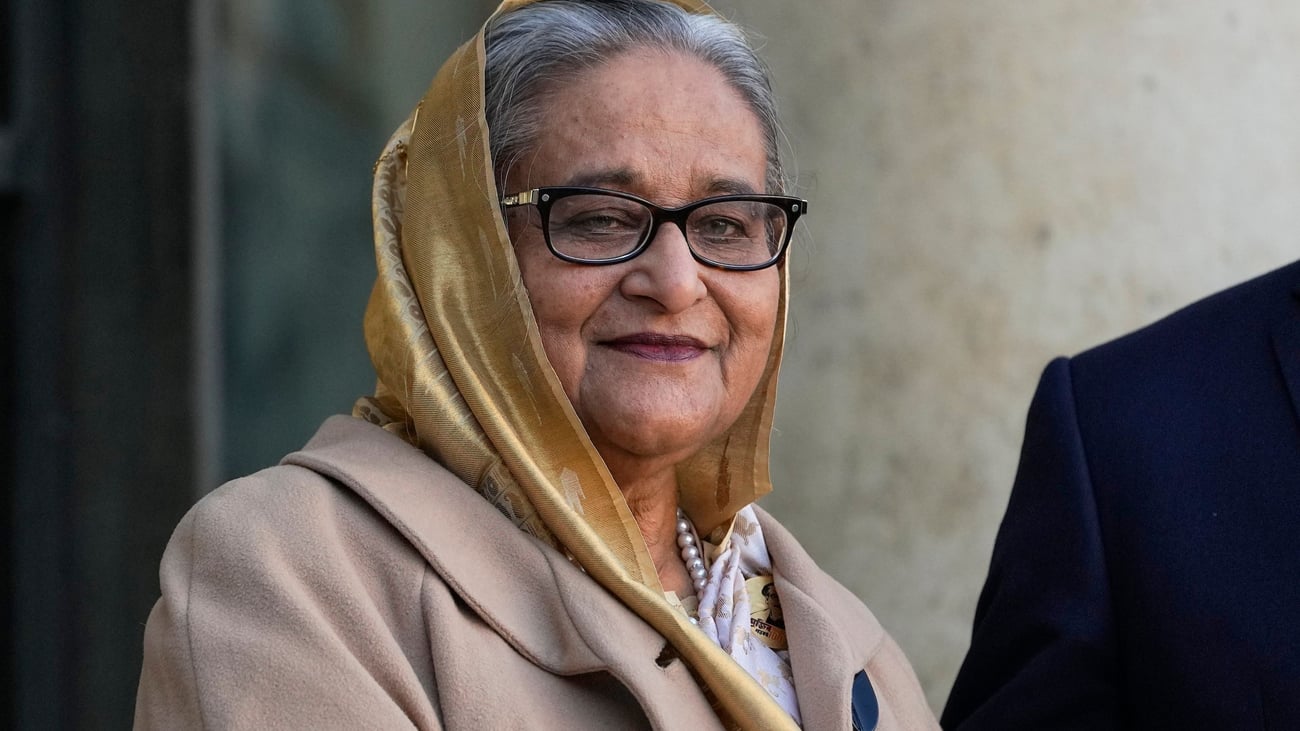
Bangladesh sentences seven Hasina-era leaders to death
Sheikh Hasina’s iron-fisted, 15-year rule ended in August 2024, when she fled her palace by helicopter for neighboring India, where she remains in hiding.

Bangladesh hands death sentences to 7 aides of ousted Prime Minister Hasina
Seven members of ousted PM Sheikh Hasina's Awami League convicted of crimes including murder, provoking killings.
Sep 15, 2026 · byAl Jazeera
UNHCR France Fact Sheet, February 2026
Countries: France, Afghanistan, Bangladesh, Guinea, Syrian Arab Republic, Ukraine, World Source: UN High Commissioner for Refugees Please refer to the attached file. UNHCR mobilizes support for refugees in France and the Francophonie by raising awareness about forced displacement globally and the need for sustainable responses, in the spirit of the Global Compact on Refugees (GCR). UNHCR collaborates with French asylum authorities, provides recommendations to improve reception conditions and supports solutions through resettlement and complementary pathways, in line with the route-based approach. UNHCR works with authorities, NGOs, the private sector and refugees to promote the socioeconomic inclusion and meaningful participation of refugees in France.
Sep 15, 2026 · byReliefWeb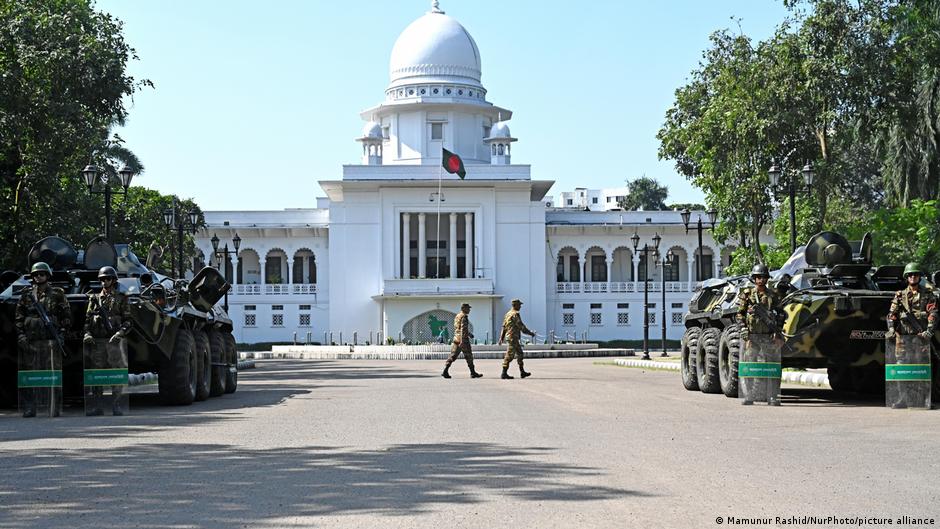
Bangladesh court sentences 7 Hasina allies to death
The latest verdict brings to 22 the number of death sentences handed down in cases stemming from the 2024 uprising that ended Sheikh Hasina's 15-year rule.
 Sep 15, 2026 · byDeutsche Welle
World: 11 for 11 – Global El Niño Program
Countries: World, Bangladesh, Burkina Faso, Haiti, Madagascar, Malawi, Mali, Myanmar, Niger, Pakistan, Uganda, Zimbabwe Source: Welthungerhilfe Please refer to the attached file. SUMMARY Drought, extreme heat and erratic rainfall threaten crops, livestock, and water supplies across Southern Africa and the Sahel, while parts of East Africa face heightened risks of flooding and storms after an extended dry period. At the same time, communities in South Asia, Central America and the Caribbean are exposed to worsening water scarcity, agricultural losses, and resulting livelihood disruption. The 2026 ‘El Niño’ global climate phenomenon is already classified as ‘strong’ and is expected to intensify into a ‘very strong’ and exceptional event, with a near 100% likelihood of persisting through February 2027. El Niño is already intensifying the risk of drought, floods, and extreme heat as well as significantly altering rainfall and temperature patterns across many regions. Meanwhile, the latest World Meteorological Organization (WMO) outlook warns that, the event could become stronger than anything observed since modern monitoring began, with impacts expected to multiply and cascade across communities, economies, and supply chains. El Niño is therefore acting as a risk multiplier, amplifying the effects of existing food insecurity, displacement, conflict, and economic pressures. FEWS NET similarly highlights growing food security risks in vulnerable regions where climate shocks are already compounding impacts on fragile livelihoods and markets. The time to act is now, before these risks develop into a larger humanitarian crisis. Welthungerhilfe (WHH) and its vast network of national civil society partners are ready to work and scale on three levels: risk communication and readiness, taking anticipatory action when forecast thresholds are reached, and rapidly scaling up assistance when impacts materialize. Ready to act - and ready to scale As a civil society organization, WHH is the leading implementer of German-funded Anticipatory Action, with established operational structures, local partnerships, Action Anticipatory Plans (AAPs), and trigger models already in place across highrisk contexts. With more than 20 Anticipatory Action activations globally across slow- and rapid-onset hazards, WHH and its partners have demonstrated their ability to translate forecasts and early warnings into timely action before impacts materialize, even when the window of opportunity for action is narrow. This existing readiness provides a strong foundation to anticipate and respond to the impacts of a ‘very strong’ El Niño. While WHH and its partners are already prepared to act, the scale and severity of the anticipated impacts require us to reach more people at risk, expand support to additional high-risklocations, and scale up anticipatory and rapid response measures before impacts escalate into larger humanitarian crises. Comprehensive risk analyses, as well as established contingency plans, operational structures, and local partner networks enable WHH and its partners to act rapidly as risks and needs evolve - protecting people, livelihoods, and essential assets.
Sep 15, 2026 · byReliefWeb
Bangladesh: BGD: Epidemic - 09-2026 - Dengue Outbreak (2026-09-14)
Country: Bangladesh Sources: Bangladesh Red Crescent Society, International Federation of Red Cross and Red Crescent Societies Please refer to the attached file. Description Dengue remains a major public health concern in Bangladesh, with recurrent seasonal outbreaks that threaten life and stretch the health system's capacity. The 2026 outbreak has followed an unusual trajectory: national figures ran below the 2025 pace through mid-August, before a sharp monsoon-driven surge from late August pushed the cumulative case count past last year's comparable tally within weeks. According to the Directorate General of Health Services (DGHS), from the beginning of the year to 13 September 2026, more than 51,000 dengue cases and 149 deaths have been recorded nationwide. The dengue situation has continued to deteriorate in recent days. Between 8 and 14 September 2026, more than 8,000 new dengue cases were reported, with 16 deaths recorded during this six-day period. In September 2026, more than 15,000 new dengue cases and 52 deaths have been reported up to 14 September. During the first 14 days of September, the country recorded an average of more than 1,200 hospital admissions per day, indicating a continued sharp increase in dengue transmission and the pressure on health facilities. August recorded 20,536 hospital admissions and 43 deaths — more than double the 9,206 admissions recorded in July 2026. In August 2026, Bangladesh recorded its third-highest monthly dengue morbidity and mortality since the country's major outbreak in 2000. Cases in August have more than tripled compared to 2024 (6,521 → 20,536) and nearly doubled year-on-year from 2025 to 2026. Moreover, according to some popular news portals, hospitals are currently managing a dual caseload of measles and dengue admissions, placing additional pressure on an already stretched health system. Health authorities report that measles patients require strict isolation owing to the disease's high transmissibility and cannot be co-located with dengue admissions. This is constraining ward capacity and complicating patient triage and management across affected facilities. A further rise in dengue cases is expected to compound this pressure. Health experts anticipate a sharp increase in dengue infections over the coming two months, driven by continued wet weather conditions and gaps in vector control coverage. The current surge has affected all eight divisions, with Dhaka Division the hardest hit. From 1 January to 8 September 2026, Dhaka Division (including its two city corporations) reported 18,209 cases approximately 40% of the national total. Khulna (7,298), Barishal (6,808) and Chattogram (6,721) reported the next-highest numbers, followed by Rajshahi (2,557) and Mymensingh (2,499). Sylhet and Rangpur reported the lowest numbers. Men accounted for 62.2% of reported cases against 37.8% for women, consistent with the male-dominant infection pattern of recent years, generally attributed to greater outdoor and inter-location mobility. The mortality pattern, however, runs in the opposite direction, women accounted for 55.4% of deaths against 44.6% for men. Request For Assistance Government Requests International Assistance: No NS Requests International Assistance: Yes Information Bulletin Published Completed Actions taken by RCRC Summary The RCRC Movement partners, in coordination with the IFRC and BDRCS, are closely monitoring the dengue situation and supporting the national response efforts. As part of this support, 29,375 NS1 test kits were handed over to the DGHS with funding from the Danish Red Cross and the Swiss Red Cross, contributing to strengthened dengue surveillance and early case detection across the country. Actions taken by Federation General NS Institutional readiness Summary The IFRC is closely monitoring the dengue situation in coordination with BDRCS, in-country partners, and the Directorate General of Health Services (DGHS) of the Ministry of Health and Family Welfare. To support the national dengue response, 38,000 NS1 test kits were provided to DGHS through the IFRC stockpile project, while 50 apheresis kits were handed over to the BDRCS Dhaka Blood Centre. Actions taken by National Society Health Community-based surveillance (CBS) RCCE for Health and hygiene promotion Vector control General NS Institutional readiness Volunteer Support Summary In response to the 2026 dengue outbreak, BDRCS supported government efforts by mobilizing volunteers for a national dengue campaign in Dhaka, canal and waterbody clean-up activities in Pirojpur, and continued Community-Based Surveillance in Puthia and Godagari upazilas of Rajshahi. Additionally, 67,375 NS1 test kits were provided to DGHS with support from IFRC, Swiss Red Cross, and Danish Red Cross, while 50 apheresis kits were handed over to the BDRCS Dhaka Blood Centre to strengthen dengue case management. Actions taken by others The Government of Bangladesh has intensified its dengue response through a three-month nationwide awareness and cleanliness campaign, weekly vector-control drives, mobile court inspections to eliminate Aedes mosquito breeding sites, and broad community engagement involving volunteers, youth organizations, and educational institutions. Preparedness and response measures include the establishment of dengue corners at upazila hospitals, a standby field hospital in Dhaka, free dengue testing in public hospitals, subsidized dengue-related testing in diagnostic centres, and reserved treatment capacity in private hospitals. To strengthen clinical case management, the Directorate General of Health Services (DGHS), in collaboration with the Bangladesh Society of Medicine and with support from UNICEF, updated national dengue treatment guidelines and conducted a divisional-level Training of Trainers (ToT) on Clinical Management of Dengue on 31 August 2026, enhancing the capacity of healthcare professionals to effectively manage the growing number of dengue cases and hospital admissions. Planned International Response DREF: Requested
Sep 15, 2026 · byReliefWeb
North Korea thrash Bangladesh 10-0 in Asian Games women’s football
North Korea, enjoying support in the stands, were up 7-0 by half-time and are favourites for the gold.
Sep 14, 2026 · byAl Jazeera
World: Routes Monitor Key Updates - September 2026
Countries: World, Algeria, Bangladesh, Eritrea, Somalia, Sudan Source: UN High Commissioner for Refugees Please refer to the attached file. Highlights The integration of quarterly land movement estimates provides a more complete understanding of route dynamics. The figures highlight the importance of overland movements along the South and South-East Asia route and improve visibility of the land segment of both Western and Eastern Mediterranean Routes. The indicator should support comparison of how movements are distributed across each route, rather than direct comparison between maritime and land movements totals. Routes recorded lower arrival figures in July, although the scale of the decline varied. Arrivals decreased by 22% on both the Central and Eastern Mediterranean Routes, while recorded movements on the South and South-East Asia Route fell more sharply, from 518 in June to 65 in July. Disembarkation patterns shifted towards the Western Mediterranean Route in July. Disembarkations in the Western Mediterranean increased from 96 in June to 1,320 in July, while Central Mediterranean disembarkations rose by 8% to 2,769. By contrast, Western Africa Atlantic Route disembarkations declined by 52% to 385. Dead or missing people at sea: Most reported deaths and disappearances at sea were recorded along the Western Africa Atlantic Route in July, highlighting the continued risks associated with movements across the Atlantic corridor and the importance of sustained protection monitoring. Nationality patterns shifted across the Mediterranean routes in July 2026. Sudanese and Bangladeshi nationals’ movements on the Eastern Mediterranean Route declined compared with June, largely reflecting lower movements from Libya to Greece. Afghans became relatively more prominent on the Eastern Mediterranean Route, while the Central Mediterranean profile shifted towards Algerians, Bangladeshis, Somalis and Eritreans, with a marked reduction in Sudanese movements.
Sep 14, 2026 · byReliefWeb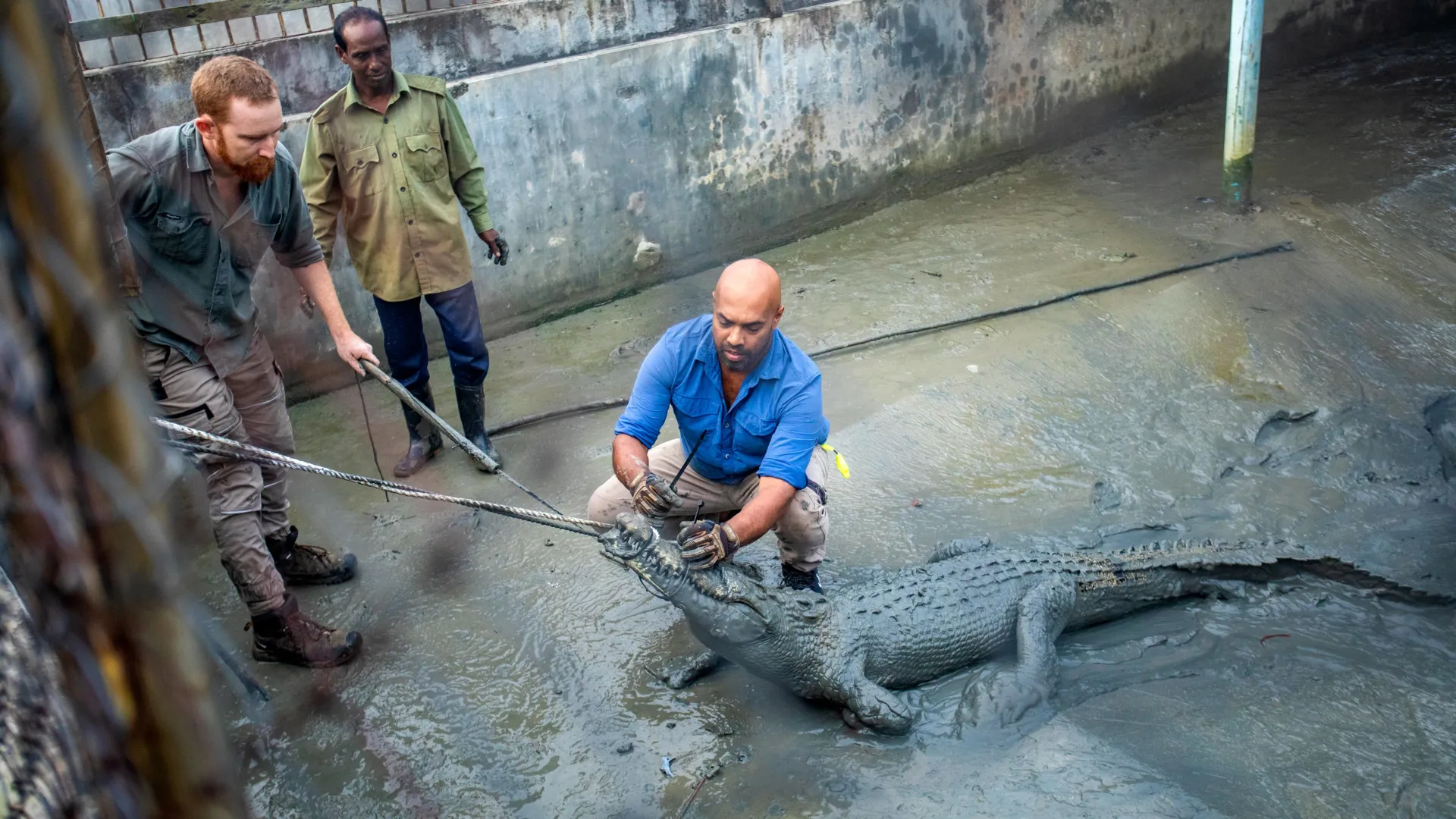
Crocodiles are famous for finding their way home. These ones didn’t
Captive-raised saltwater crocodiles released into Bangladesh’s Sundarbans surprised scientists by settling into the wild rather than trying to return to their breeding facility. The result suggests that releasing larger, mature captive crocodiles could help restore depleted populations more successfully than relying only on vulnerable hatchlings.
 Sep 14, 2026 · byScienceDaily
Italy weekly sea arrivals update - 14 September 2026
Countries: Italy, Algeria, Bangladesh, Libya, Somalia, Sudan, Tunisia, Türkiye Source: UN High Commissioner for Refugees Please refer to the attached Infographic.
Sep 14, 2026 · byReliefWeb