Carlsberg agrees to buy PepsiCo bottlers in Georgia and Armenia
Oct 5, 2026 · byGlobal Banking & Finance Review
31 articles

A crackdown on refugees pits peace against democracy in Armenia.
 Oct 2, 2026 · byForeign Policy
Almost 400 teams from more than 190 countries competed over 11 rounds. Germany took bronze, while Hungary, France and Spain also finished in the top 10, alongside Azerbaijan and Armenia.
 Oct 2, 2026 · byEuronews
Host nation won having led almost from start to finish, while young English player reached a stunning landmark Uzbekistan, the host nation, won the open gold medals at the 2026 Olympiad, the biennial chess international team tournament, at Samarkand last week in the style of the legendary Soviet grandmasters of long ago. India, the defending champions, were second, Germany a surprise third, and the top-seeded United States fourth. The hosts led almost from start to finish, with world No 5 Nodirbek Abdusattorov and the world title challenger Javokhir Sindarov their top-board powerhouses. The team recovered swiftly from a single defeat by Germany, and were particularly impressive in crushing Armenia by 3.5-0.5 in the penultimate round. The Uzbekistan government rewarded each of the five players with $200,000 (£178,000), plus $50,000 for the coach Rustam Kasimdzhanov. Continue reading...
 Oct 2, 2026 · byThe Guardian
FLYONE Armenia will configure the aircraft with 239 seats as the privately owned carrier expands its network across Europe, the Middle East and former Soviet states
 Sep 30, 2026 · byAir Data News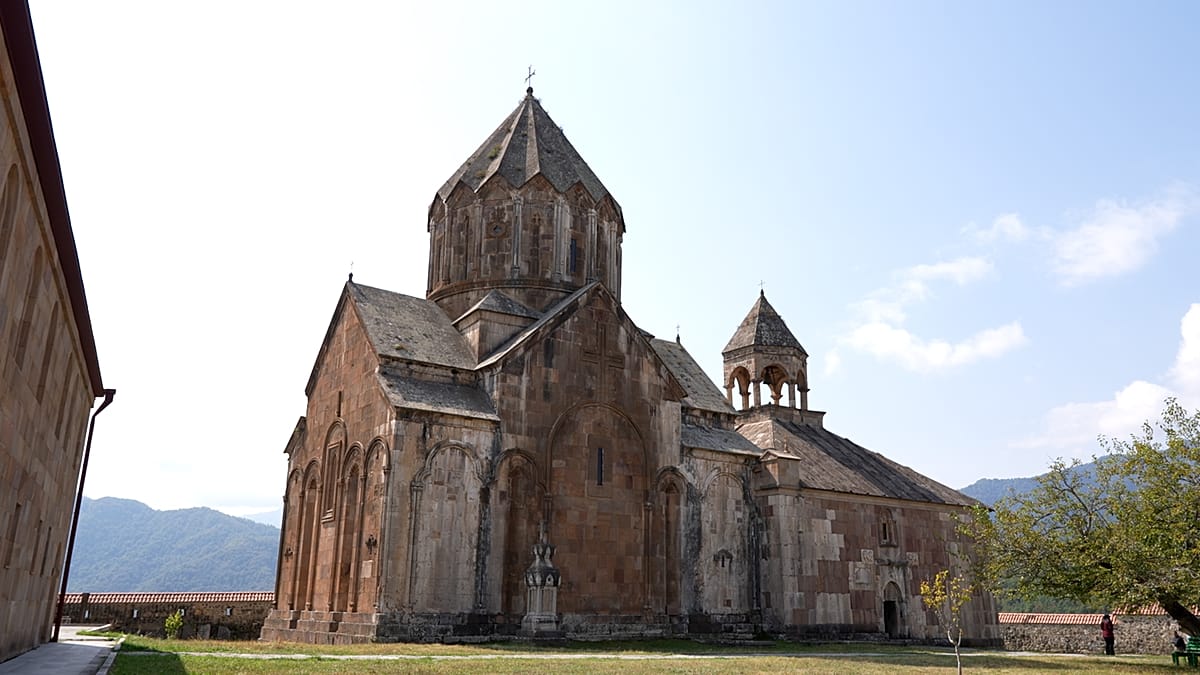
A religious service at the historic Gandzasar monastery has offered a rare insight into Karabakh’s Christian heritage, as historic religious disputes linger while Azerbaijan and Armenia work toward lasting peace.
Sep 24, 2026 · byEuronewsThe post Matthew Bryza joins Azerbaijan’s ARB TV 24 about new transport corridor investments helping to bolster peace between Azerbaijan and Armenia appeared first on Atlantic Council .
 Sep 22, 2026 · byAtlantic Council
Armenia's rise as a US AI hub could reshape regional geopolitics, boost local tech sectors, and test infrastructure resilience. The post Armenia emerges as a top hub for US AI infrastructure appeared first on Crypto Briefing .
 Sep 22, 2026 · byCryptoBriefing
Armenian low cost carrier FlyOne Armenia will launch a new two weekly service between Yerevan and Belgrade during the upcoming winter season. Flights will commence on December 15 and operate on Tuesdays and Fridays with an Airbus A320 aircraft. The carrier will face no direct competition on the route. Tickets are now available for purchase through the airline’s website, while further flight details can be found here . Services are currently scheduled until the end of the 2026/27 winter season, in late March. The new service will mark the first time the Serbian and Armenian capitals have been linked by scheduled nonstop flights. FlyOne Armenia commenced operations in 2021 and is affiliated with Moldova’s FlyOne. Based at Yerevan’s Zvartnots International Airport, the airline operates scheduled and charter flights to destinations across Europe, Russia and the Middle East, primarily using Airbus A320-family aircraft. The development comes after Air Serbia said it plans to launch flights to Yerevan , following the success of its services to Tbilisi and Baku, both of which were introduced over the past year and a half. However, the Serbian carrier has also said it aims to attract more partner airlines to Belgrade, generating additional transfer traffic for its own network. FlyOne Armenia’s arrival time is timed to connect with Air Serbia’s afternoon departure wave. EX-YU Aviation News

Just days after Armenian Prime Minister Nikol Pashinyan reaffirmed an intention to reduce the country’s dependence on Russian natural gas imports, Russia’s provider, Gazprom Armenia, has taken the seemingly punitive step of announcing a prolonged cutoff of supplies. Pashinyan told journalists on September 11 that Armenia is actively pursuing alternate sources of gas amid deepening tension in Armenian-Russian relations. Russia provided roughly 82 percent of Armenia’s overall gas imports in 2025. Just three days after…

Countries: Armenia, Azerbaijan, Egypt, Iran (Islamic Republic of), Iraq, Syrian Arab Republic Source: UN High Commissioner for Refugees Please refer to the attached file. Strengthening asylum, protection, and legal frameworks to ensure access to territory, fair procedures, and durable solutions for refugees Delivering protection and solutions on the ground, including legal aid, community-based protection, livelihoods and inclusion, and support to refugee-led initiatives. Building preparedness and response capacity, working with government, municipalities, and partners to strengthen contingency planning, emergency readiness, and protection-sensitive responses. HIGHLIGHTS Advancing National Framework on Inclusive Livelihoods for refugees and host communities UNHCR, together with UNDP and UNRCO, supported the Government of Armenia and the Deputy Prime Minister’s Office to develop and launch a national livelihoods and employment framework for refugees from Karabakh, strengthening coordination with development and humanitarian partners. The framework focuses on jobs and skills, access to social protection and services, housing and local economic development, and private-sector engagement, benefiting both refugees and host communities through a whole-of-government, multi-partner approach.
 Sep 17, 2026 · byReliefWeb
Countries: World, Argentina, Armenia, Australia, Chile, Cuba, Democratic Republic of the Congo, Djibouti, Dominican Republic, Eritrea, Ethiopia, France, Haiti, Indonesia, Iran (Islamic Republic of), Jamaica, Jordan, Malaysia, Nigeria, Pakistan, Philippines, Somalia, South Africa, Sri Lanka, Syrian Arab Republic, Thailand, Türkiye, United States of America, Viet Nam Source: World Meteorological Organization Please refer to the attached file. WMO: Recent water trends have serious future implications The WMO State of Global Water Resources report is a comprehensive science-based annual assessment of the hydrological cycle and extreme events in 2025 and over the past five years. 2025 was one of driest years for river discharge in 35 years Past 7 years have seen abnormal river flows Water storage on Earth’s land surface has decreased in past 10 years Widespread glacier loss across all regions for 4th consecutive year Asia and Africa are the regions most affected by water-related disasters Water data availability has improved, but gaps remain in hard hit areas Geneva, Switzerland, 17 September 2026 (WMO) – Rivers across the globe in 2025 had one of the driest years in more than three decades, according to a new report from the World Meteorological Organization (WMO). It shows a continuation of the long-term decline in Earth’s freshwater storage and in glacier retreat - trends with serious implications for people and economies in the future. The WMO State of Global Water Resources Report shows that the water cycle has become more erratic and unpredictable, swinging between too little or too much. The past seven years have seen the fewest rivers with “normal” flows since 1991. Asia and Africa together accounted for at least half of all recorded water-related extreme events and more than 80% of reported associated deaths over the past five years, it says. The report provides a comprehensive, science-based assessment of the entire water cycle loop, including river discharge, groundwater, evapotranspiration, land water storage, and snow and ice, as well as high-impact events. It covers the year 2025 and summarizes findings of the past five years since it was first published. Some parts of this cycle are fast – such as precipitation, river flow, soil moisture – they respond to weather within days or weeks. Others, like groundwater, glaciers and seasonal snowpack, are slow, they accumulate or deplete over seasons to decades or longer. Traditionally these slow reserves have acted as the planet's savings account: a buffer that absorbs bad years so that a single drought or a single dry season does not translate directly into a water crisis,” said WMO Secretary-General Celeste Saulo. “We are depleting that savings account. Global terrestrial water storage has shown a declining trend since 2014–2016 - a persistent, decade-long signal. For the fourth consecutive year, every major glaciated region on Earth lost ice mass. Groundwater tells a similar story: nearly two-thirds of monitored wells worldwide showed conditions outside the historical norm in 2025, and the balance shifted further toward deficit compared with 2024, not toward recovery,” said Celeste Saulo. “At the same time, we are seeing more water-related disasters. The strengthening El Niño will increase the risk of drought in some areas, and flooding in others,” she said. The report highlights some major areas of concern: 2025 was one of driest years for river discharge globally in 35 years, with below-normal flows over 36% of global basin area. This is based on data from simulations from 13 global hydrological models, driven by observed weather data. For the seventh year in a row, the number of river basins with “normal” conditions was in a clear minority: ranging between 34-38%, compared to the average of 46% between 1991-2020, according to the report. Terrestrial water storage – the total amount of water stored in groundwater, lakes and rivers, soil moisture, vegetation and ice and snow – has been in decline since mid-2010s. 2025 marked the fourth consecutive year with widespread glacier loss across all regions – leading to short term hazards like floods and long-term water insecurity. Between 2023-2025 glaciers lost mass in each reporting year with cumulative global glacier mass loss at 1400 Gigatonnes of water. This is roughly equal to the water required to fill about 560 million Olympic-sized swimming pools, or about one third of annual freshwater withdrawals. In each of the past five years, National Meteorological and Hydrological Services around the globe reported record-breaking floods and droughts. Some places have had no recovery time between one event and the next. “Water respects no borders. A river basin's water balance depends on what happens in another country. A glacier's retreat in one country reshapes water availability for populations hundreds of kilometers downstream. This is precisely why we need shared data, shared standards, and shared early warning — the exact function WMO exists to perform,” said Celeste Saulo. Dozens of experts from National Meteorological and Hydrological Services, data centres, researchers and partner institutions shared in situ observations, model outputs and space-based data and contributed to the report, which has expanded from three to 15 hydrological variables since the first edition in 2021. Country coverage has greatly expanded. However, Africa and Asia are still among the least represented regions in terms of hydrological observations in the report, even though they are most affected by extremes. 2025 was one of the warmest years on record. A weak La Niña emerged towards the end of the year after neutral conditions, and there was a predominantly negative Indian Ocean Dipole, which influenced precipitation. River basins Across the five reporting years (2021-2025), recurring below-normal river discharge was observed in major parts of the Amazon and La Plata basins, North America, Central and East Africa, Central Asia and the Middle East. Annual river discharge in 2025 was above-normal to much-above-normal across South and South-East Asia and parts of northern South America. In Africa, there were above-normal flows in the Senegal, Niger, Lake Chad, Orange and Limpopo basins, but much-below-normal discharge in the Nile, Congo and Zambezi basins. Below-normal to much-below-normal river discharge affected several major regions, including much of North America, the La Plata and São Francisco basins of South America, Eastern European basins, the Middle East and Central Asia. Reservoir and lake levels followed similar geographical trends as for river basins. African lakes were largely much above normal, with Kariba a notable exception. Terrestrial water storage Terrestrial water storage shows a persistent negative trend since 2014-2016 with increasing area under below-normal conditions. Between 2021-2025 below-normal terrestrial water storage repeatedly affected the south-western United States, Patagonia and the subtropical Andes, the Ganges–Indus headwaters, North Africa, the Middle East, Central Asia and eastern China, while persistent positive anomalies occurred in parts of sub-Saharan Africa, the Sahel and the Tibetan Plateau. In 2025, it was below-normal in northern and southwestern North America, Patagonia, Eastern Europe, the Middle East, Central Asia, eastern Brazil, northern India, parts of Northern Europe, the Russian Federation, China and Northern Africa. La Plata in South America showed signs of partial recovery from the long-term drought. Much-above-normal storage continued from 2024 into 2025 in Central and Southern Africa. Groundwater levels Persistent groundwater deficits were observed during 2022–2025 in parts of the Americas, Europe, the Middle East, India, southern Africa and Australia. Persistent and widespread below-normal to much-below-normal groundwater levels were observed across Central and Eastern Europe, central United States, parts of Mexico, northern and central Chile, northeastern and central-western Brazil, northern South Africa, northwestern India and parts of southern Australia, pointing to a cumulative depletion with multi-year drying trend. There were above-normal to much-above-normal conditions include parts of France, much of Northern Europe, the southeastern United States, large parts of South Africa, South-East Asia, and eastern Australia. Snow cover and glaciers Snow conditions were below normal across Europe in 2025, whilst the Russian Federation and North America showed strong regional contrasts. In the hydrological year 2025, glaciers lost 408 (±132) Gigatonnes of mass, equivalent to 1.1 (±0.4) mm of sea-level rise. It marked the fourth consecutive year in which every major glaciated region recorded a net loss. Central Asia, South Asia West, Russian Arctic, Iceland, Western Canada and USA all recorded annual mass balances that ranked among the three most negative years on record for that region. Some regions dominated by smaller glaciers, such as the Caucasus, Western Canada and the USA, and Central Europe may already have reached “peak water conditions,” the threshold where the glacier reaches its maximum runoff due to melting. Extreme events From 2021-2025, South America’s La Plata and Amazon basins, the Middle East and the Greater Horn of Africa experienced persistent multi-year drought conditions, while severe floods repeatedly affected West and Central Africa and South-East Asia. Asia and Africa were the regions most affected by extreme hydrometeorological events in 2025, with several African countries experiencing major flooding for two (Nigeria) or three consecutive years (Democratic Republic of the Congo). South and South-East Asia was hit by compound tropical cyclones and intense monsoon, leading to up to 3 600 deaths across affected countries - Sri Lanka, Pakistan, Viet Nam, Indonesia, Thailand, Malaysia, the Philippines. Assessing the economic losses associated with water-related disasters remains challenging in many countries. Jamaica reported that hurricane Melissa resulted in losses equivalent to 41% of GDP. Cyclone Ditwah cost Sri Lanka around 4% of GDP. Severe drought gripped East Europe, the Mediterranean, and Middle East and also returned to the Greater Horn of Africa after one of the driest October–December seasons on record linked to La Niña and a negative Indian Ocean Dipole. Notes to Editors The WMO State of Global Water Resources 2025 report includes scientific contributions from dozens of WMO Members, partners and scientists. Full details of the datasets, references and institutions involved are available in the report. The WMO Secretariat wishes to thank everyone who dedicated their time and expertise to this report. The World Meteorological Organization is the United Nations System’s authoritative voice on Weather, Climate and Water. For further information, please contact: Clare Nullis, WMO media officer, cnullis@wmo.int, +41 79 709 13 97 Global Communication and Engagement Media Contact media@wmo.int
Sep 17, 2026 · byReliefWeb![Armenia: Operational Highlights January-June 2026 - Facts & Figures [EN/HY]](https://reliefweb.int/sites/default/files/styles/thumbnail/public/previews/57/4c/574cdcd4-943a-4dee-b5d0-f5f073d20fcd.png)
Country: Armenia Source: International Committee of the Red Cross Please refer to the attached files. Armenia: Operational highlights for the first half of 2026 We continued engaging with the relevant authorities to support their efforts to provide answers to families and strengthen their understanding of key aspects of the missing persons phenomenon, including ambiguous loss and the importance of establishing a coordination mechanism between the conflict sides. Families continued to benefit from Right to Know sessions addressing legal and forensic issues, as well as from MHPSS sessions aimed at strengthening coping capacities and promoting psychosocial well-being. We also supported vulnerable households across Armenia through beekeeping assistance, small-scale livelihood and productive grants, and multipurpose cash assistance. Agricultural cooperatives and communities received equipment, including a seeder, grain cleaner and bale compressor, to improve agricultural productivity, post-harvest processing and access to agricultural machinery. In border regions, emergency health services were strengthened through training, the provision of medical equipment and supplies to hospitals and primary healthcare facilities, and the furnishing and equipping of village health posts. In addition, hybrid solar photovoltaic systems were installed in healthcare facilities across four border regions, helping improve the reliability and continuity of electricity supply. We worked with relevant state institutions, academia, and military authorities to further assist in promoting the knowledge and integration of international humanitarian law (IHL) in the national legal framework, IHL learning and practice. We continued to contribute to strengthening of the capacities of the Armenian Red Cross Society (ARCS) and worked together on different projects addressing the needs of the border communities and families of the missing.
Sep 17, 2026 · byReliefWeb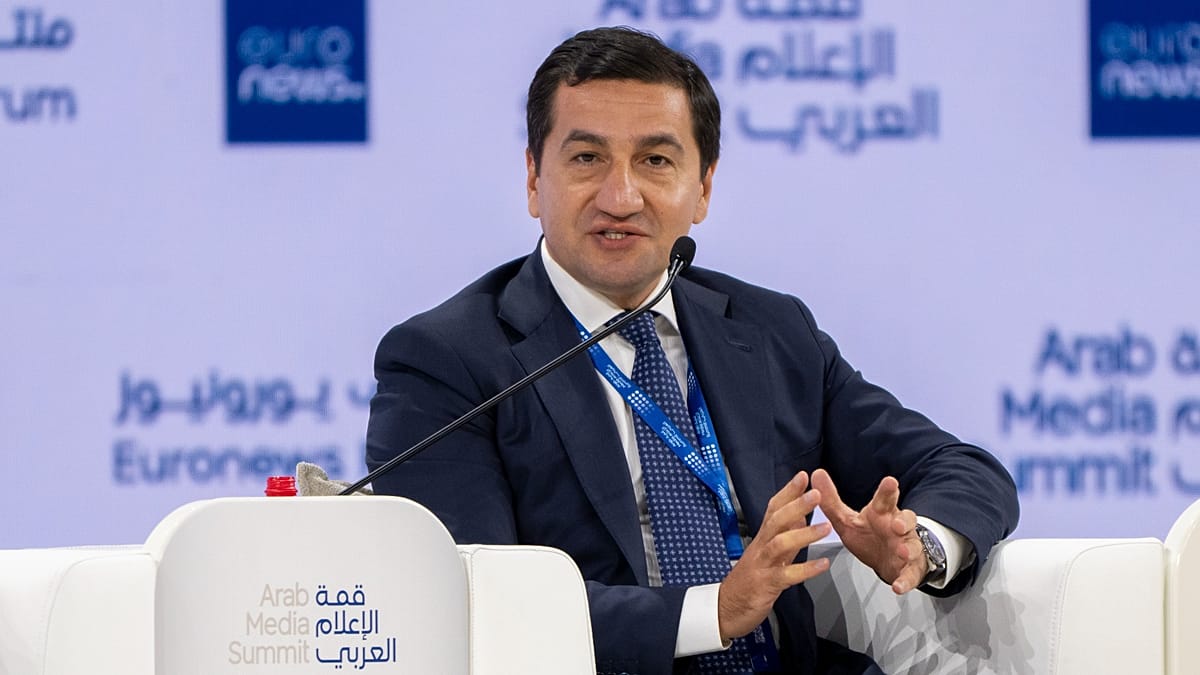
In a Euronews Forum panel in Dubai, Azerbaijan’s presidential advisor Hikmet Hajiyev said peace with Armenia is “an uphill struggle,” but Azerbaijan is committed to preserving the Christian heritage on its territory as it is part of its history.
Sep 16, 2026 · byEuronews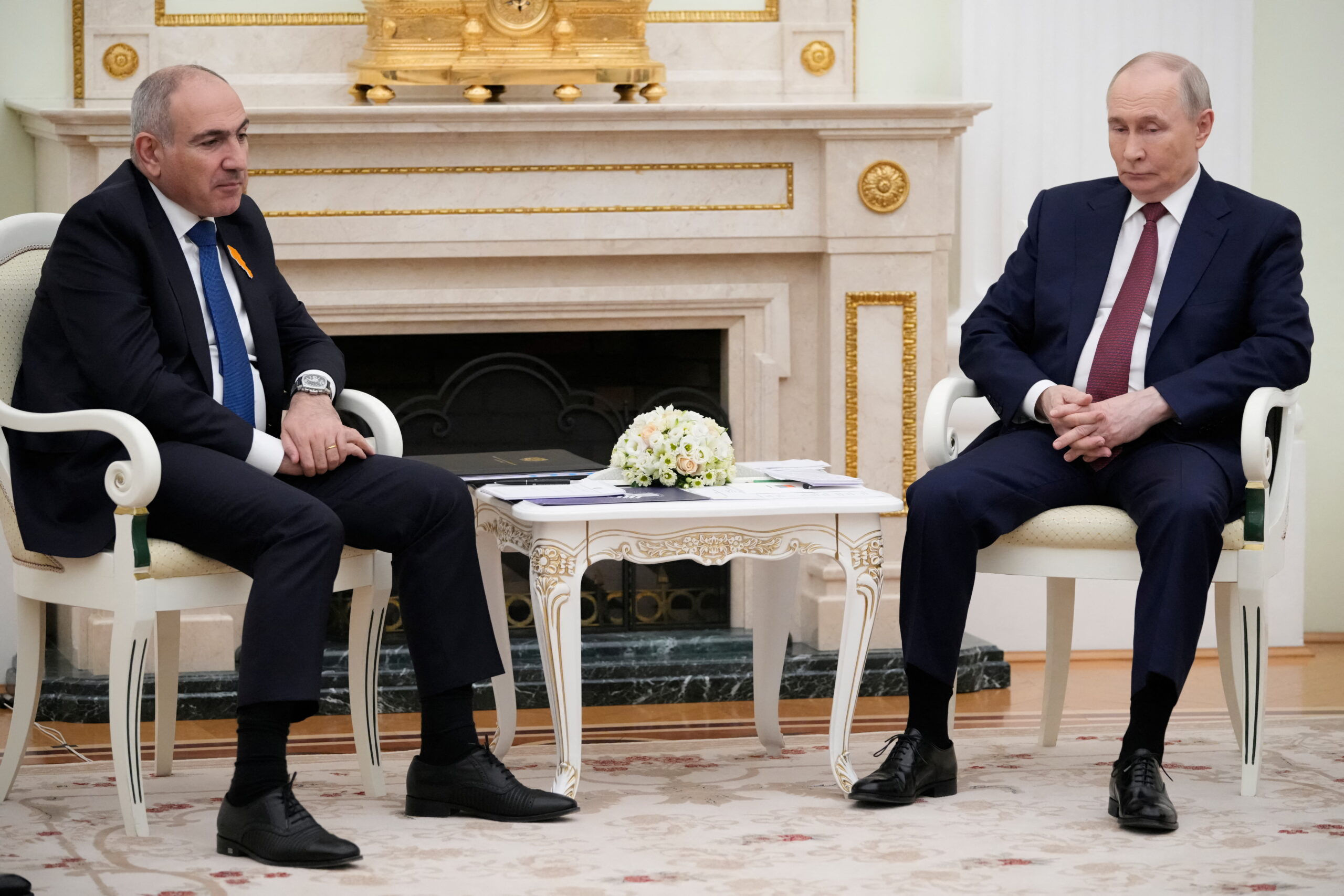
Every day Ukraine keeps fighting, Russian influence grows weaker in the countries of the ex-USSR that Moscow refers to as the “near abroad.” Nowhere is this Russian retreat clearer than in Armenia, writes Joseph Epstein. The post With Putin overextended in Ukraine, Armenia is turning away from Russia appeared first on Atlantic Council .
Sep 15, 2026 · byAtlantic Council
For decades one of Russia’s closest allies in the former Soviet Union, the country is preparing to apply for membership in the European Union.
 Sep 15, 2026 · byThe Hill
Apple today announced a new subscription initiative that turns paid iCloud+ subscriptions into a broader services bundle in more than 100 countries. In select countries, Apple says every paid iCloud+ plan, including the cheapest 50GB tier, now includes Apple TV and Apple Arcade "at no additional cost," while family sharing extends the storage, TV and Arcade access to up to five people. The initiative does not include the U.S., Canada, Australia, the UK, and European markets, but it is clearly more than a promotional offer, since Apple TV and Apple Arcade will stop being sold as individual subscriptions through Apple in countries where it has launched. Apple says existing standalone subscriptions will be cancelled as customers transition to access through iCloud+, while Arcade saves and progress are preserved. Countries where Apple is launching the new iCloud+ bundle include the following: Albania Algeria Angola Anguilla Antigua and Barbuda Armenia Azerbaijan Bahamas Bahrain Barbados Belize Benin Bermuda Bhutan Bosnia and Herzegovina Botswana British Virgin Islands Burkina Faso Cameroon Cape Verde Cayman Islands Chad Côte d'Ivoire Democratic Republic of the Congo Dominica Egypt Eswatini Fiji Gabon Gambia Georgia Ghana Grenada Guinea-Bissau Guyana India Iraq Israel Jamaica Jordan Kazakhstan Kenya Kosovo Kuwait Kyrgyz Republic Lebanon Liberia Libya Madagascar Malawi Maldives Mali Mauritania Mauritius Micronesia Moldova Montenegro Montserrat Morocco Mozambique Namibia Nauru Nepal Niger Nigeria North Macedonia Oman Pakistan Palau Papua New Guinea Qatar Republic of the Congo Rwanda Saint Kitts and Nevis Saint Lucia Saint Vincent and the Grenadines São Tomé and Príncipe Saudi Arabia Senegal Serbia Seychelles Sierra Leone Singapore Solomon Islands Sri Lanka Suriname Tajikistan Tanzania Tonga Trinidad and Tobago Tunisia Türkiye Turkmenistan Turks and Caicos Uganda Ukraine United Arab Emirates Uzbekistan Vanuatu Yemen Zambia Zimbabwe Apple says existing iCloud+ subscribers in these countries will "automatically gain access" to TV and Arcade, while someone subscribing individually to TV or Arcade but not iCloud+ will be notified that they are now subscribed to iCloud+, and their old standalone subscription will be cancelled. What's particularly interesting is that Apple One is effectively being wound down in these markets. New customers will no longer be able to subscribe, although existing Apple One subscribers can keep their plans. It's a clear sign that Apple is shifting away from Apple One toward iCloud+ in smaller markets. "We're excited to bring Apple TV and Apple Arcade to iCloud+ users in over 100 countries in one convenient subscription," said Eddy Cue, Apple's senior vice president of Services and Health. "iCloud+ users can now securely store and share personal content across their devices, enjoy the absolute best in original storytelling from Apple TV, and explore an incredible lineup of hundreds of games through Apple Arcade." As part of the iCloud+ changes, Apple is also including an additional service called Apple Music Select that offers ad-free Apple-curated music stations. The stations are included to entice iCloud+ subscribers to upgrade to full Apple Music at a discounted monthly rate. For example, Apple's Mozambique announcement quotes $2.79/month for Individual and $4.49/month for Family plans. With the introduction of iCloud+ with Apple TV and Apple Arcade, Apple TV is also expanding to 59 new countries, making the streaming service now available in 170 countries across the globe. Related Roundup: Apple TV Tags: Apple Arcade , Apple Music , Apple One , iCloud Buyer's Guide: Apple TV (Don't Buy) Related Forums: Apple TV and Home Theater , Apple Music, Apple Pay/Card, iCloud, Fitness+ This article, " iCloud+ Now Includes Apple TV, Apple Arcade, and Curated Apple Music Stations in Over 100 Countries " first appeared on MacRumors.com Discuss this article in our forums

Countries: Lebanon, Afghanistan, Armenia, Azerbaijan, Iran (Islamic Republic of), Iraq, Pakistan, Syrian Arab Republic, Türkiye, Turkmenistan Source: International Organization for Migration Please refer to the attached file. On 17 June 2026, the United States of America and the Islamic Republic of Iran reached an agreement on a Memorandum of Understanding (MOU) concerning the cessation of hostilities. The escalation in the Middle East and beyond had triggered a humanitarian crisis affecting multiple regions in an already fragile context. A resurgence of hostilities in recent weeks are placing pressure on humanitarian access and threatens civilian and essential services. Mobility dynamics across the region and beyond due to renewed escalation remains uncertain. The situation continues to be highly fragile, requiring sustained monitoring and operational preparedness. In the Islamic Republic of Iran, some families have begun returning to their homes amid signs of de-escalation. However, thousands continue to shelter in hotels due to damage to housing and civilian infrastructure. As of 01 June, approximately 9,000 individuals remain displaced, unable to return to their homes due to the extent of the damage. Overall, population movements remain localized, temporary, and economically driven, with no signs of mass displacement. In Lebanon, displacement nationwide remains significant despite continuing returns. As of 01 September 2026, 329,240 people remain internally displaced across 628 cadasters, a 5.6 per cent decrease compared to the previous reporting period (as of 19 August 2026). Of the total IDPs in Lebanon, 21,758 individuals remained displaced in 218 collective shelters. Returns have continued, with 856,316 returned IDPs reported as of 19 August 2026, marking a 4.7 per cent increase from the previous round (as of 12 August 2026). Humanitarian and protection needs remain acute, driven by the destruction of homes and services, prolonged displacement, explosive ordnance risks, protection concerns, and declining coping capacities. Meanwhile, cross-border flows into the Syrian Arab Republic are continuing, with a total of 761,319 movements recorded as of 07 September 2026. IOM’s Displacement Tracking Matrix (DTM) is on the ground, actively tracking displacement and cross border mobility while scaling operations in coordination with local authorities and partners to better understand how the crisis is impacting human mobility in the region.
Sep 10, 2026 · byReliefWeb
Click to expand Image Students in a pre-primary school classroom in Tashkent, Uzbekistan, 2021. © 2021 Bede Sheppard / Human Rights Watch The global push to make free education accessible for every child gained momentum, as 81 states met at the United Nations in Geneva on August 31 to September 2 to discuss a proposed treaty that could strengthen children’s right to education and remove financial barriers that keep many out of school. The new optional protocol to the Convention on the Rights of the Child would recognize early childhood care and education as part of the right to education, guarantee at least one year of free public pre-primary education, and strengthen the promise of free public secondary education. The initiative has been led by Sierra Leone, the Dominican Republic, and Bulgaria, which already provide free education for their children from pre-primary through secondary. During the three-day meeting, Guatemala became the 62nd country to publicly support the initiative. However, there were differences about next steps: Some states including Armenia, Azerbaijan, Bulgaria, Chile, Cuba, the Dominican Republic, Ecuador, Georgia, Peru, South Africa, and Uruguay supported moving forward to draft the treaty while others, including Austria, Bangladesh, Belgium, Egypt, and Slovenia, called for more time to consider different options. Children played a central role at the meeting. Child delegates from all five regions shared recommendations based on consultations with more than 80 children worldwide. Tuition-free education is not genuinely free if families still need to pay for transport, uniforms, school materials, and other essential costs, the delegates said. Free pre-primary education gives children a stronger start and children from disadvantaged families a fairer chance to succeed. Free secondary education can change the course of a child’s life by reducing the likelihood of child marriage and opening doors to further education and decent work. For children with disabilities, removing financial and practical barriers can enable them to participate fully and learn alongside their peers. Further consultations will take place before the next formal meeting in October 2027. The Sierra Leone chair called for continued review of the proposals for the treaty and expert advice, while stressing that children should continue to have a meaningful, safe, and inclusive role in the next stages. The momentum now needs to become action. Governments should move this process forward so that millions of children are not left waiting for the education to which they are entitled.
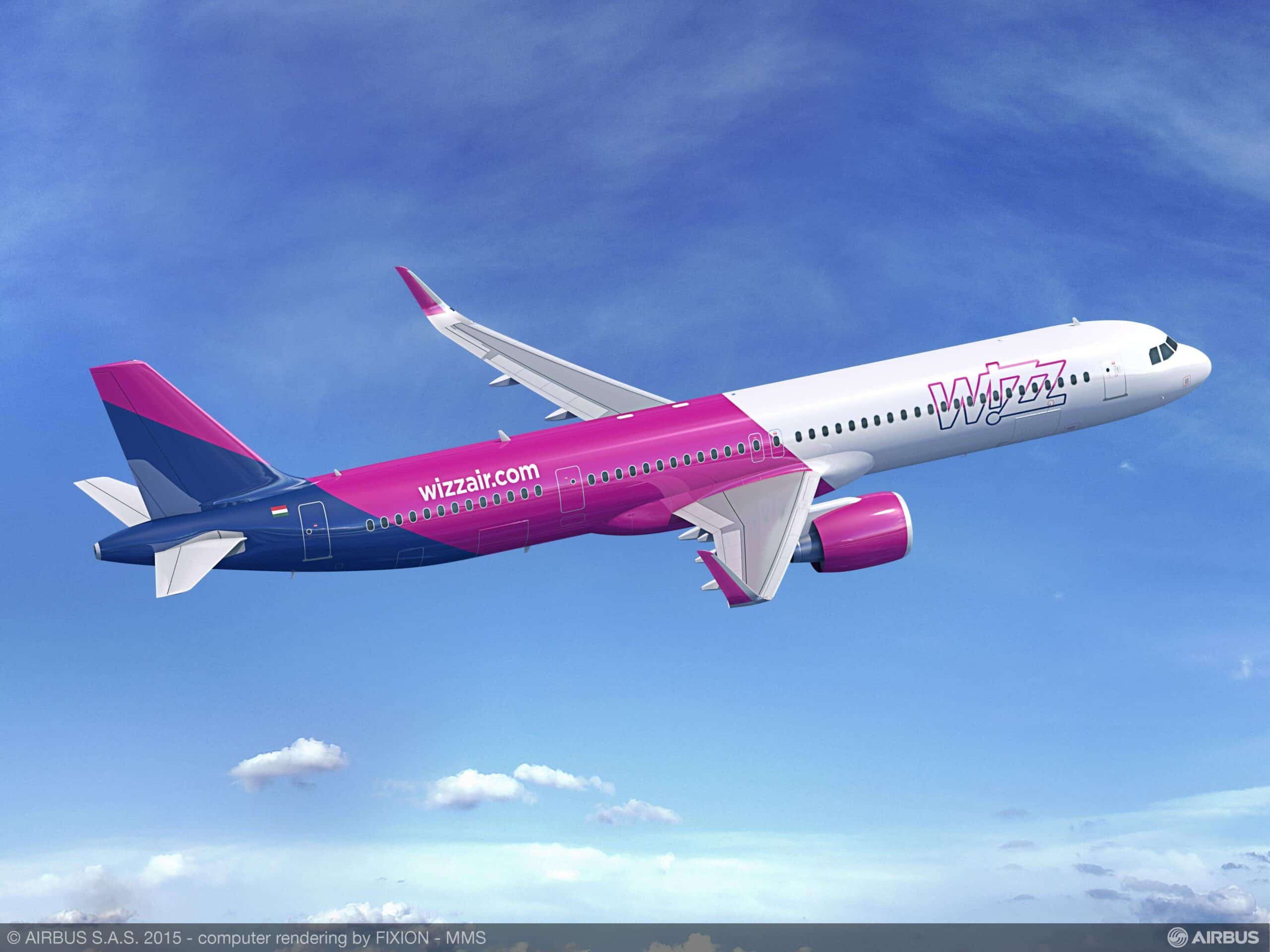
Wizz Air is expanding its network from Yerevan while reinstating 12 routes between Europe and the Middle East for the 2026/27 winter season. The airline will base a fourth aircraft in Yerevan from December and launch three routes: Basel three times weekly from 18 December, Valencia twice weekly from 19 December and Varna from 6 […]
 Sep 9, 2026 · byAviation24.be
Armenia's Western pivot may reshape regional alliances, altering Russia's strategic focus and impacting military and diplomatic dynamics. The post Armenia’s pivot to West strains ties with Russia, impacts regional dynamics appeared first on Crypto Briefing .
Sep 2, 2026 · byCryptoBriefing
A Russian-born businessman heads the investment fund financing the so-called "Trump Route," a planned corridor through Armenia linking Azerbaijan with Nakhchivan. Who is Konstantin Sokolov, and what role does he play?
 Aug 29, 2026 · byDeutsche Welle
Nvidia's expansion into Armenia and Kazakhstan could shift global AI power dynamics, reducing reliance on traditional tech hubs. The post Nvidia partners with Armenia and Kazakhstan to build AI infrastructure worth billions appeared first on Crypto Briefing .
Aug 8, 2026 · byCryptoBriefingAirbus Helicopters and the Republic of Armenia have signed a contract for the acquisition of six H145 helicopters. The agreement, which was finalised during the official state visit of French President Emmanuel Macron to Yerevan, recently entered into force, marking a significant milestone in the strengthening of bilateral ties between France and Armenia. The multi-purpose The post Armenia signs for six H145s appeared first on HeliHub.com .