UNRWA
11 articles
Latest UNRWA articles
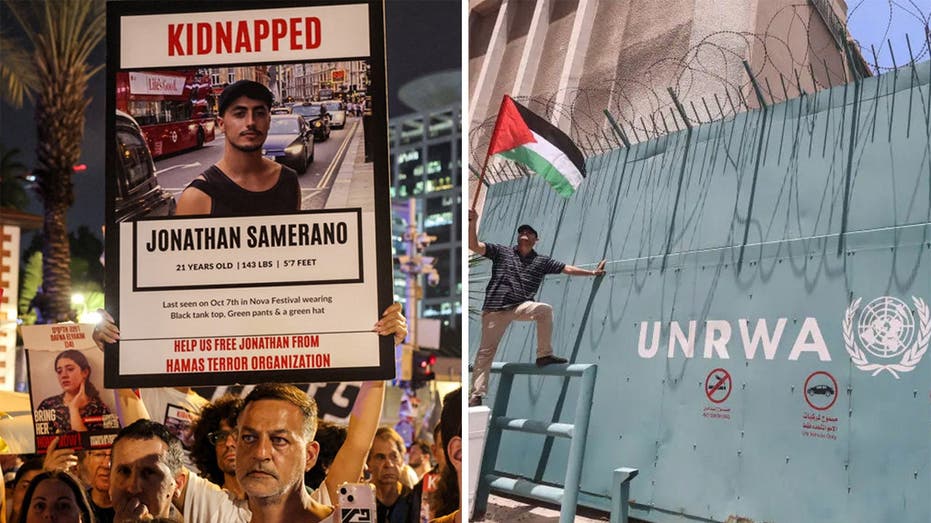
![oPt: UNRWA Situation Report #235 on the Humanitarian Crisis in the Gaza Strip and the occupied West Bank, including East Jerusalem [EN/AR]](https://reliefweb.int/sites/default/files/styles/thumbnail/public/previews/6c/f6/6cf669ba-4a3a-4719-b10f-4f3968be0d52.png)
oPt: UNRWA Situation Report #235 on the Humanitarian Crisis in the Gaza Strip and the occupied West Bank, including East Jerusalem [EN/AR]
Country: occupied Palestinian territory Source: UN Relief and Works Agency for Palestine Refugees in the Near East Please refer to the attached files. Highlights The Gaza Strip UNRWA started the 2026/2027 school year on 19 September across the Gaza Strip through a combination of in-person and distance learning. A launch event was held in Nuseirat Camp at an UNRWA school that has fully returned to education use, after having been used previously as an emergency shelter. During the first week of the school year, nearly 97,000 students attended UNRWA learning spaces across the Gaza Strip. Students also returned to in-person learning at both campuses of the UNRWA Rehabilitation Centre for the Visually Impaired (RCVI), with classes resuming in Deir El Balah on 19 September and in Gaza City on 20 September. UNRWA opened two additional carpentry workshops, bringing the total to three facilities operating in Khan Younis, Deir El Balah and Gaza City. Together, the workshops can produce approximately 450 school desks and chairs per week to support the expansion of learning spaces. Multiple war-damaged residential buildings collapsed in the Gaza Strip during the reporting period, highlighting the risks faced by families sheltering in unsafe structures. UN Humanitarian Coordinator Ramiz Alakbarov warned that people live in “hundreds of damaged structures assessed as unsafe, for lack of better options”. These include some families sheltering in non-operational UNRWA installations, which are no longer managed by UNRWA, for safety reasons. With winter approaching, risks are expected to increase as rainfall further weakens already compromised structures. UNRWA remains engaged in inter-agency efforts to address the issue and encourage families to relocate to safer shelter options where available. Over the reporting period, Israeli authorities issued multiple evacuation orders and shelter-in-place alerts affecting UNRWA installations across the Gaza Strip. Separately, hostilities in the vicinity of UNRWA facilities resulted in injuries to six displaced persons sheltering at UNRWA schools, including four children. One cash-for-work beneficiary supporting UNRWA operations was killed and one UNRWA staff member seriously injured in separate incidents linked to strikes by Israeli forces in their vicinity. Key points The Gaza Strip Fatalities and injuries Between 7 October 2023 and 20 September 2026, according to the Ministry of Health, as reported by the Health Cluster , 73,914 Palestinians were killed in the Gaza Strip and another 174,952 were injured. This includes 1,394 fatalities and 4,991 injuries between the announcement of a ceasefire agreement on 10 October 2025 and 20 September 2026. UNRWA has recorded 394 colleagues killed in the Gaza Strip since the start of the war (311 UNRWA personnel and 83 persons who were supporting UNRWA [2] , as of 22 September. Health crisis The worsening fuel and engine oil shortage is increasingly disrupting health services across the Gaza Strip. The UN warned that reduced fuel support to hospitals, driven by funding shortfalls and high procurement costs, could affect most hospitals and lead to cuts in primary and secondary healthcare services. Over the reporting period, several UNRWA health centres also experienced temporary disruptions due to generator overload, highlighting the growing operational impact of the shortage of fuel, lubricant oil and spare parts on the delivery of healthcare. Water, sanitation and hygiene (WASH) needs According to the WASH Cluster’s Light Touch Monitoring Survey , completed in early July 2026, 90 per cent of the population are experiencing frequent, unpredictable disruptions in access to safe, clean, and reliable water for daily drinking, cooking, and hygiene – an increase from 84 per cent the previous month. Shelter needs According to the Shelter Cluster’s classification , based on surveys conducted between 14 and 28 June 2026, an estimated 1.98 million people, representing 94 per cent of the population of the Gaza Strip, require shelter and non-food item assistance (NFI). The assessment also suggests that 58 per cent of the population is facing critical or catastrophic shelter needs, meaning severe deficiencies in shelter conditions or lack of access to essential services and NFIs that expose them to serious health, safety, and dignity risks. Protection needs According to UN Women , the number of women-headed households in the Gaza Strip has doubled since October 2023, reaching about 86,000 households – or almost one in every four families. This includes widows and women whose husbands are missing, detained, severely injured, or forcibly disappeared, or whose fate simply remains unknown. Operational implications and humanitarian response Around 10,500 Palestinian UNRWA personnel continue to provide services and assistance to people in the Gaza Strip. In the occupied West Bank, UNRWA also plays a central role with over 4,000 of the Agency’s Palestinian personnel providing education, health, and other services to Palestine Refugees. All UNRWA international staff are prevented from entering the Occupied Palestinian Territory - the Gaza Strip and the occupied West Bank, including East Jerusalem. This follows the implementation of laws passed by the Israeli parliament on 28 October 2024 [3] that purport to prohibit UNRWA’s operations in areas that Israel considers its sovereign territory, including occupied East Jerusalem, and seek to bar any contact between Israeli officials and UNRWA. Israeli authorities have not granted the Agency’s international staff visas or permits to enter the Occupied Palestinian Territory, including the Gaza Strip, since the end of January 2025. Since March 2025, the Israeli authorities have been blocking UNRWA from directly bringing humanitarian personnel and aid into the Gaza Strip. Despite the huge needs on the ground, UNRWA was therefore unable to distribute the aid it had pre-positioned outside Gaza, which included enough food parcels, flour, and shelter supplies for hundreds of thousands of people.
 Oct 1, 2026 · byReliefWeb
‘No role for UNRWA in Gaza’: Does the Board of Peace toe Israeli lines?
Board of Peace excludes UNRWA from Gaza, aligning with repeated Israeli calls to sideline the refugee aid agency.
 Sep 27, 2026 · byAl Jazeera
2026 UNRWA Syria Mid Year Protection cases trends update
Country: Syrian Arab Republic Source: UN Relief and Works Agency for Palestine Refugees in the Near East Please refer to the attached file. Executive Summary – Mid-Year 2026 Protection Case Trends, UNRWA Syria During the first half of 2026, UNRWA recorded 587 protection cases affecting Palestine refugees across Syria. Reported cases increased from 266 in Q1 to 321 in Q2 , reflecting strengthened case identification and referral pathways, expanded implementation of the Protection Case Referral SOP, and continued engagement of frontline personnel across programmes. As with previous reporting periods, reported case numbers should be interpreted in the context of reporting capacity, programme access and referral mechanisms, and not as a direct measure of the prevalence of protection risks. Key Protection Trends Gender-Based Violence (GBV) accounted for the largest share of reported cases ( 381 cases; 65% ), with psychological and emotional abuse remaining the most frequently reported GBV concern ( 149 cases ). General Protection (GP) represented 164 cases (28%) , with psychological/emotional abuse and neglect continuing to dominate reporting. Increases were also observed in barriers to services, civil documentation concerns and physical violence, reflecting evolving protection risks affecting vulnerable households and returnees. Child Protection (CP) accounted for 42 cases (7%) of reported cases. Child abuse and neglect remained the principal concern, while reduced reporting during Q2 may partly reflect fewer identification opportunities during school closures and holiday periods rather than reduced protection risks. Geographical Concentration of Needs Protection concerns remained concentrated in a limited number of locations: Rural Damascus accounted for 289 cases (49.2%) , representing nearly half of all reported protection cases. The North Area recorded 92 cases (15.7%) , followed by the Central Area with 87 cases (14.8%) and the South Area with 74 cases (12.6%) . Increasing return movements are generating additional protection concerns related to housing, civil documentation, access to services and psychosocial wellbeing, particularly in areas of return. Emerging and High-Risk Protection Patterns Psychological and emotional abuse remained the most prominent protection concern across both GBV and GP categories, highlighting persistent psychosocial distress among Palestine refugees. Civil documentation and barriers to services increased during the reporting period, raising concerns regarding access to rights, assistance and reintegration support. Complex cases requiring coordinated responses across multiple programmes continue to highlight the importance of integrated protection interventions and strengthened referral mechanisms. During H1 2026, 119 cases required multi-service referrals within UNRWA. Programme Contributions and Service Response The Health Programme remained the primary entry point for case identification ( 81% of reported cases ), reflecting the critical role of health and MHPSS personnel in detecting and responding to protection concerns. UNRWA continued to provide a range of protection-related services, with health and hospitalization services (40%) and PSS/MHPSS support (34%) accounting for the largest share of responses. Why Support Remains Critical Protection risks affecting Palestine refugees in Syria remain acute and increasingly complex. Sustained support is needed to: Strengthen PSS/MHPSS and GBV prevention and response services , given the continued predominance of psychological and emotional harm. Support integrated responses for complex and high-risk cases , including survivors of GBV, children at risk and vulnerable returnee households. Expand legal assistance and civil documentation support to address growing administrative and access-related barriers. Strengthen community-based protection mechanisms and referral systems to improve early identification and response. Maintain emergency protection assistance and multi-programme service delivery for individuals and families facing heightened protection vulnerabilities. Overall, H1 2026 demonstrates both the continued protection needs facing Palestine refugees in Syria and the importance of sustained investment in integrated protection systems, referral pathways and frontline services to ensure timely identification, referral and response to those most at risk.
Sep 27, 2026 · byReliefWeb
Hamas slams Board of Peace for refusal to work with UNRWA in Gaza
Hamas accuses Board of Peace of aligning with Israel after excluding UN agency for Palestinians from Gaza operations.
Sep 26, 2026 · byAl Jazeera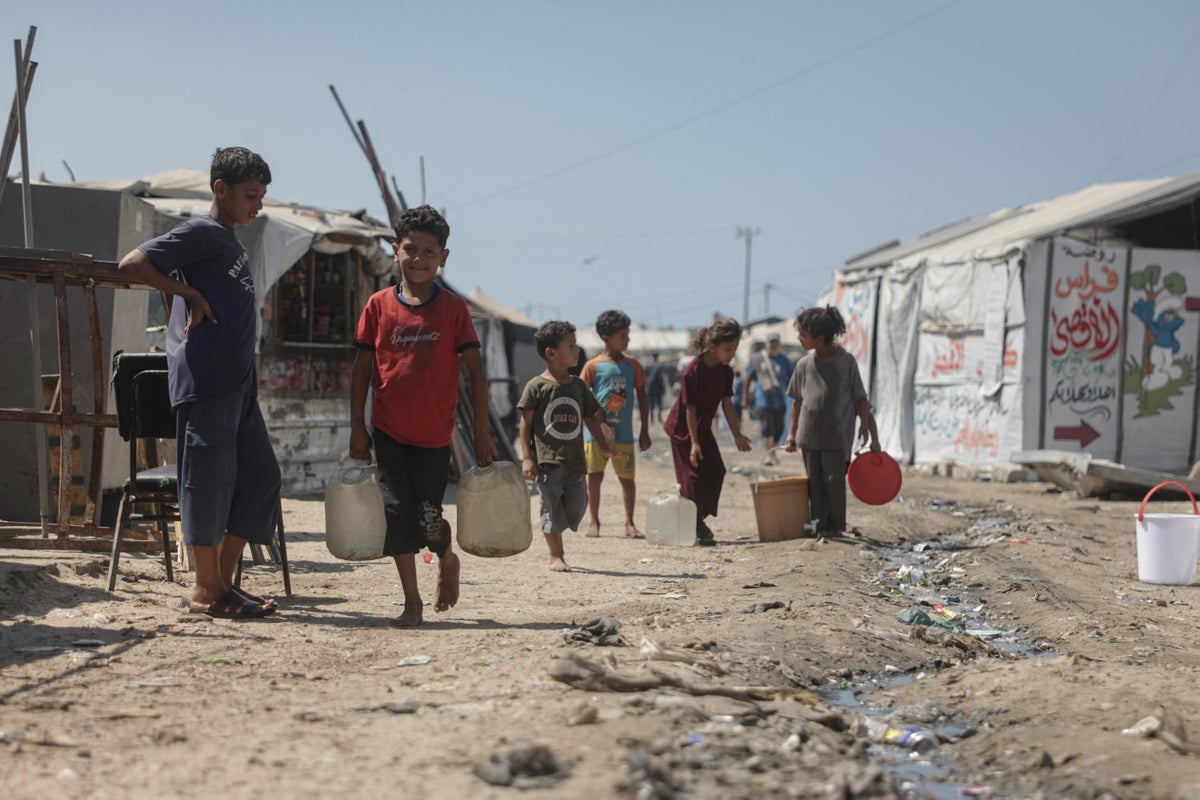
Board of Peace secretly met with UNRWA despite public disavowal, ex-agency chief says
UNRWA remains the primary aid distributor in Gaza, maintaining an essential role in delivering health and educational services
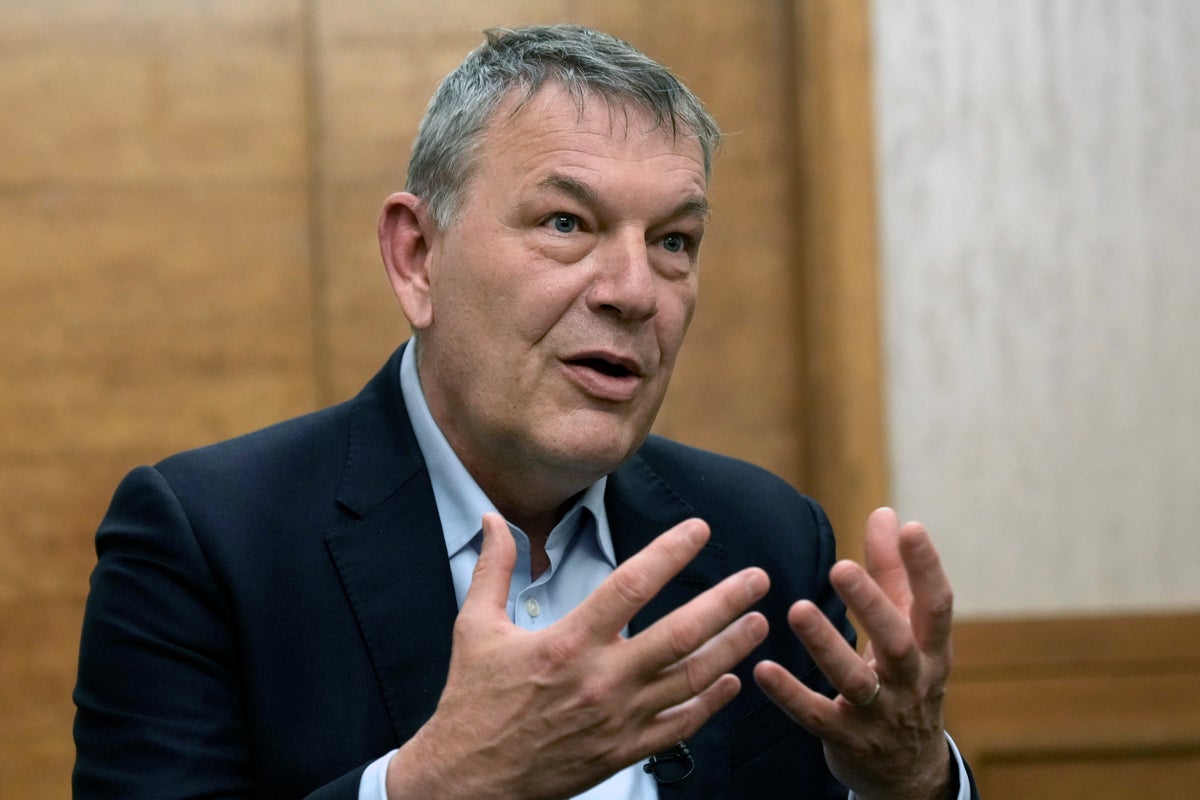
Board of Peace has met with UNRWA despite saying it has no Gaza role, agency's ex-chief says
The U.S.-created Board of Peace has said the U.N. agency for Palestinian refugees has no place in Gaza
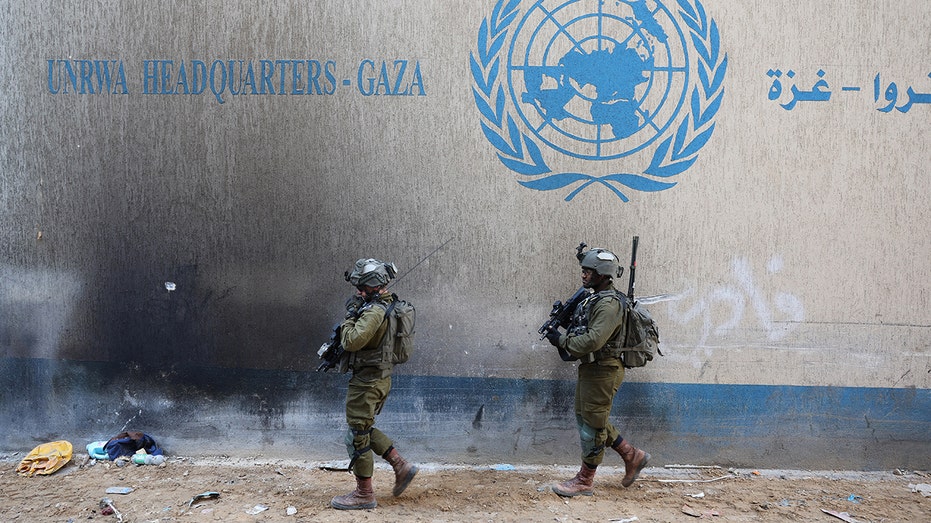
Trump brings new heat to controversial UN agency as alleged Hamas ties engulf scores of employees
UN Watch says UNRWA completed at most 13 of 50 reforms, accusing the agency of counting draft policies and pilot programs as finished overhauls.
![oPt: UNRWA Situation Report #234 on the Humanitarian Crisis in the Gaza Strip and the occupied West Bank, including East Jerusalem [EN/AR]](https://reliefweb.int/sites/default/files/styles/thumbnail/public/previews/0c/30/0c30414c-7c2b-41d1-ba8a-a7313b897c42.png)
oPt: UNRWA Situation Report #234 on the Humanitarian Crisis in the Gaza Strip and the occupied West Bank, including East Jerusalem [EN/AR]
Country: occupied Palestinian territory Source: UN Relief and Works Agency for Palestine Refugees in the Near East Please refer to the attached files. Highlights The Gaza Strip Humanitarian partners warned of major gaps ahead of the 2026-2027 winter preparation phase, driven by severe funding shortfalls and continued restrictions on the entry of critical supplies and equipment into the Gaza Strip. UNRWA continues to play a central role in the response, co-leading the Site Management Cluster and running the largest network of collective displacement sites – currently hosting approximately 65,000 internally displaced persons across 114 emergency shelters. As part of efforts to streamline and strengthen primary healthcare delivery, UNRWA integrated services previously provided through four medical points located within emergency shelters into nearby health centres. The Agency also continues piloting the Family Health Team model in three health centres across the Gaza Strip, whereby the same medical specialists are assigned to a family throughout its medical history, to improve service quality, efficiency, continuity, and patient-centred care. UNRWA’s Summer Activities Programme concluded on 3 September 2026. Over 47,700 children participated in recreational and psychosocial support activities, as well as in remedial classes in literacy, numeracy, and foundational English and science skills. The summer learning activities were delivered in-person across 686 classrooms in 83 UNRWA collective emergency shelters, with support from over 3,000 UNRWA education staff. The occupied West Bank, including East Jerusalem Following the forced entry into Kalandia Training Centre on 25 August 2026, Israeli authorities have remained on site inside the compound. The centre was due to start classes this week for more than 340 Palestine Refugee students from across the occupied West Bank. Approximately 48,000 Palestine Refugee students started the new academic year at 90 UNRWA schools across the occupied West Bank on 7 September, amid challenges to their right to education, including movement and access restrictions, security operations in and around schools, and high levels of occupation-related violence. Three Palestinians were killed in incidents linked to Israeli settler violence, as the occupied West Bank continues to experience heightened levels of violence and harassment perpetrated by Israeli settlers. Settlement expansion – contrary to international law – also continued, with a new settlement established near Qabatiya on 31 August.
Sep 16, 2026 · byReliefWeb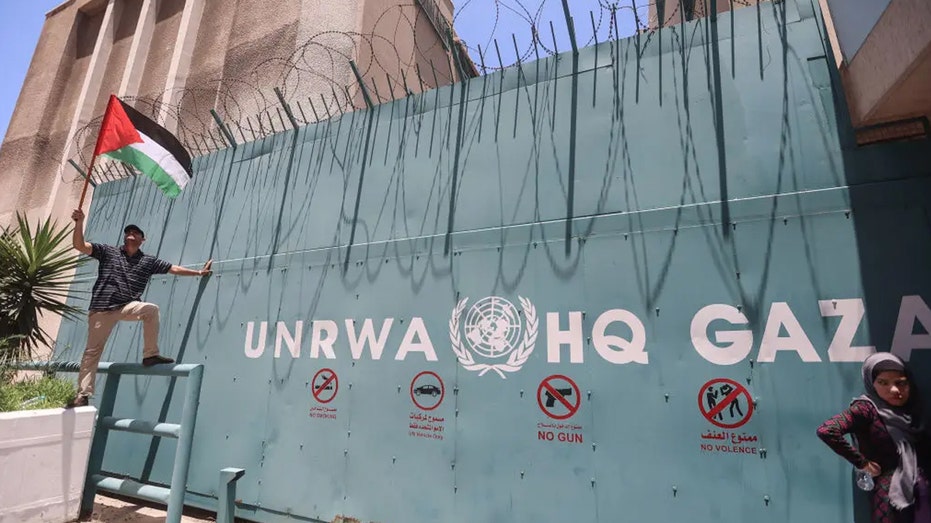
UN agency accused of Hamas ties sees another European nation cut funding
Finland will discontinue UNRWA funding by end of 2026, following the Trump administration and Sweden in cutting ties with the Hamas-linked U.N. agency.
US urges halt to UNRWA funding, cites Hamas infiltration concerns
The U.S. stance may signal a policy shift, potentially reducing the likelihood of Palestine's recognition and impacting Palestinian aid dynamics. The post US urges halt to UNRWA funding, cites Hamas infiltration concerns appeared first on Crypto Briefing .
 Jul 8, 2026 · byCryptoBriefing