The World Health Organization
28 articles
Latest The World Health Organization articles

The WHO seeks more details on the death of a plague research lab employee in Russia
The World Health Organization says it wants more information on what caused the death of an employee at a Russian plague research lab. Russia says the woman died of pneumonia of unknown origin.
 Oct 7, 2026 · byNPR
WHO says it does not have ‘full picture’ from Russia following suspected plague death
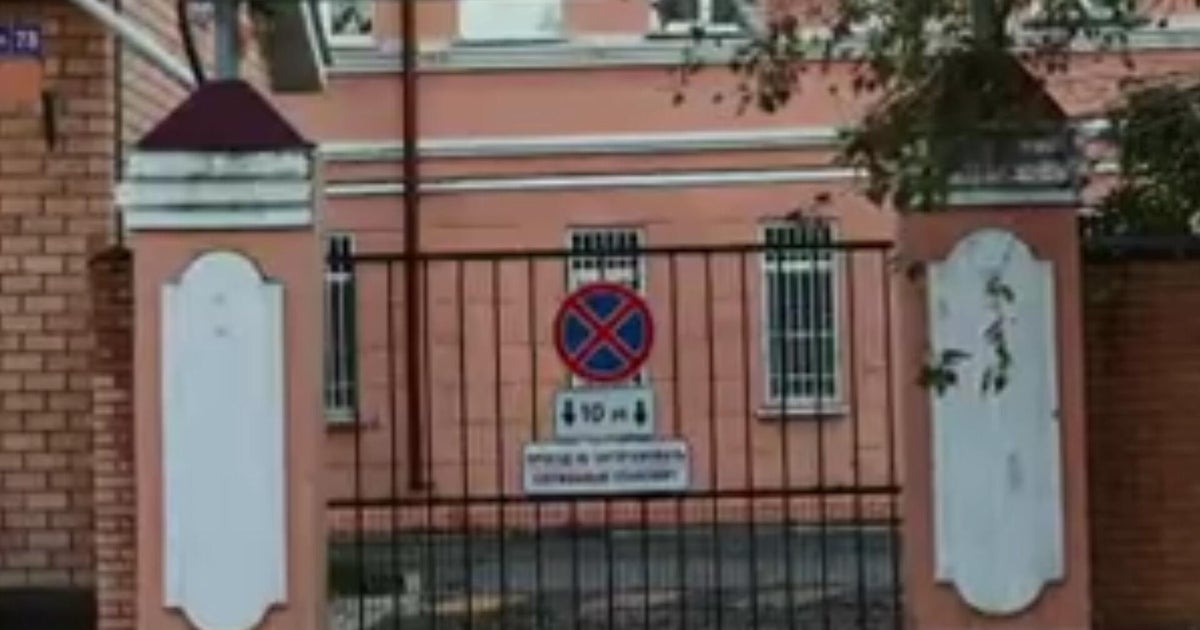
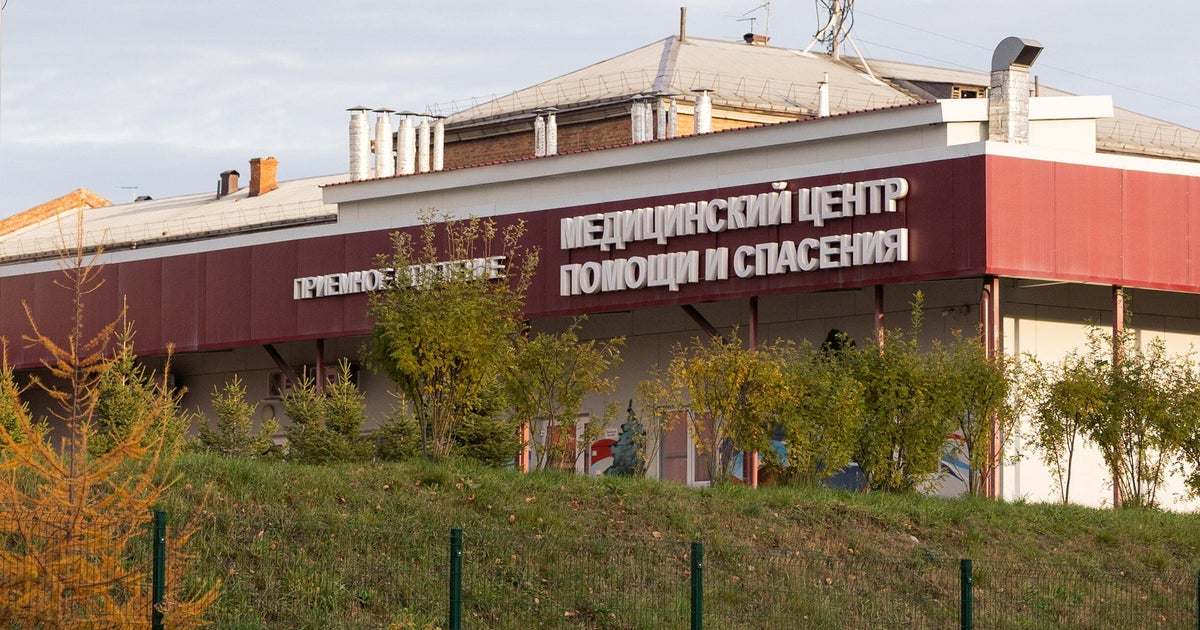
‘Transparent information sharing’ from Moscow is required to conduct full risk assessment, UN agency says The World Health Organization has said it does not have the “full picture” from Russia following the suspected death from plague last week of a 28-year-old laboratory worker in Siberia. Darya Shipilova died two days after falling ill with cold-like symptoms . She was an employee at the anti-plague research institute in the eastern city of Irkutsk, with some reports suggesting she was infected after a workplace accident. Continue reading...
 Oct 7, 2026 · byThe Guardian
Trump says the U.S. is in ‘very deep discussions’ and will with speak ‘very soon’ with Putin over a possible plague case in Russia
The World Health Organization said the risk outside Russia is “very low” as authorities investigate the death of an anti-plague institute worker

Russia warns against spreading 'false information' as reports emerge of second plague case
The World Health Organization joined Western leaders on Wednesday in urging Russia to share more information about what killed a plague institute worker in Siberia as reports emerged of a second suspected case. The Kremlin said Moscow had shared what it knew and accused the media of spreading "false information".

STAT+: Pharmalittle: We’re reading about WHO obesity guidelines for kids, DOJ targeting pharma, and more
The World Health Organization released its first guidelines addressing the sharp rise in obesity among children and adolescents
 Oct 7, 2026 · bySTAT
WHO questions Russia on reported second plague lab death
The World Health Organization is pressing Russia for more information about the unexplained death of a worker at a Siberian plague research institute — and a potential second incident. WHO Director-General Tedros Adhanom Ghebreyesus said in a statement Tuesday that the agency has asked Russian authorities to clarify what caused the severe case of pneumonia…
 Oct 7, 2026 · byThe Hill
Russian officials say no cases of plague in city where lab technician died
The World Health Organization says Russian authorities told it that no cases of plague had been detected among anyone who had come into contact with a Siberian plague institute laboratory worker who died last week.

WHO: No further signs of infections at Russian plague lab
The World Health Organization (WHO) said Monday there were no further signs of infections at the Irkutsk Research Anti-Plague Institute of Siberia, following one researcher at the facility reportedly dying from the pneumonic plague. “No case of this dangerous disease has been recorded in the city of Irkutsk, Russian Federation,” Russian authorities said in an…
Oct 6, 2026 · byThe Hill
Plague epidemic risk in Russia low after death of lab technician, WHO says
World Health Organization detects no sign of further outbreak since Darya Shipilova died last week The World Health Organization has said the risk of an epidemic in Russia is lowafter the sudden death of a lab technician who worked at a plague research institute in Siberia. Darya Shipilova, who was 28, died last week, two days after falling ill. Russian media reports suggested she may have become infected after an accident at her workplace , where dangerous pathogens are kept and studied. Continue reading...
Oct 6, 2026 · byThe Guardian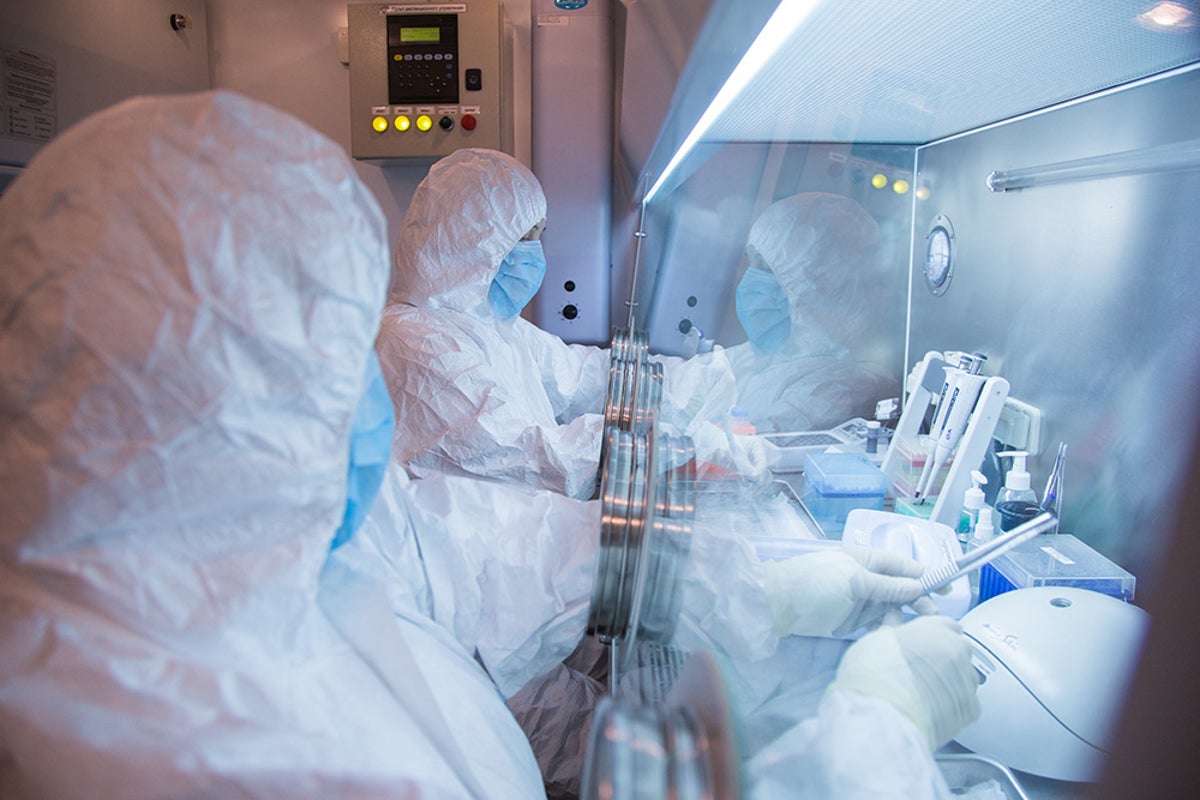
How Russia and the world are responding to a possible case of pneumonic plague after lab worker dies
The World Health Organization says that a possible case of pneumonic plague in Russia poses a "very low" risk outside the country
Rubio calls on Russia to be more open about plague lab worker's death
The World Health Organization says public risks are low after a plague center worker's death, but Marco Rubio says Moscow should "share more information with the world."
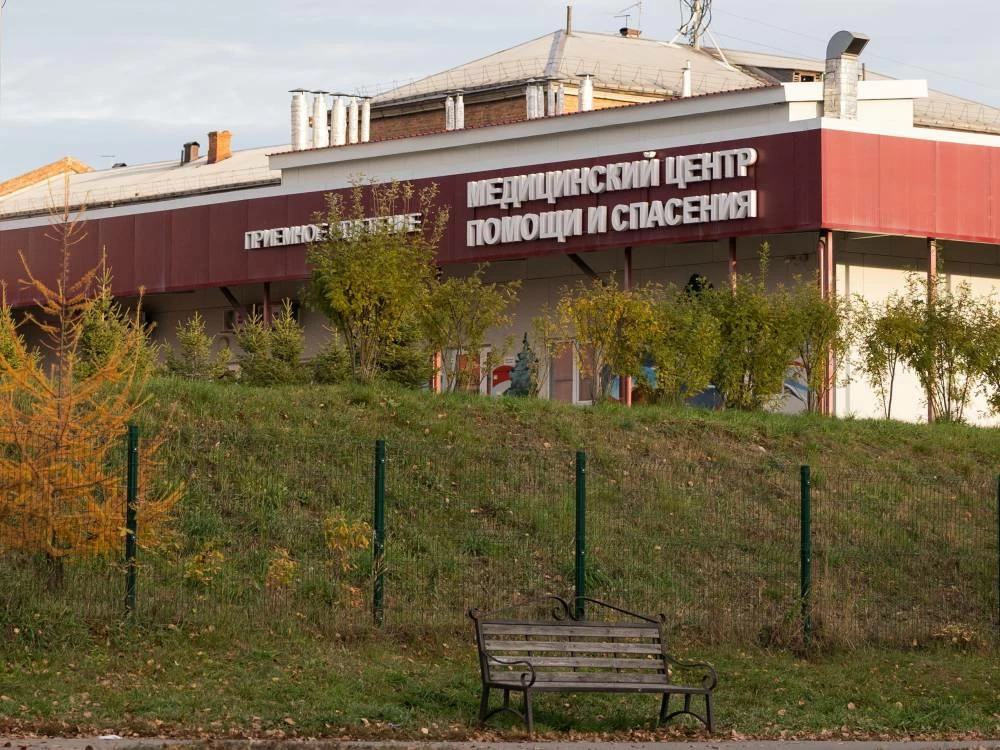
WHO says no further infections detected after death of Russian plague lab worker
GENEVA: The World Health Organization (WHO) said on Tuesday that no further illnesses have been detected among people who came into contact with a laboratory worker at a plague research institute in Siberia who died from unknown causes. WHO spokesperson Christian Lindmeier said all identified contacts are being monitored and have shown no signs of illness. “All of the patient's contacts have reportedly been identified and are being monitored for illness, and none to date have shown symptoms of illness,” Lindmeier said. Russian authorities are investigating whether pneumonic plague may have been responsible for the laboratory worker’s death, although no official determination has been made. Lindmeier said the WHO has requested information from Russian authorities, who have yet to formally respond. The investigation comes as health officials continue to monitor the situation closely following the worker's death at the Siberian research facility.
Somalia: When Aid Shrinks, the Walk Gets Longer: Inside Garasbaley Health Center, Mogadishu
Country: Somalia Source: SOS Children's Villages International Funding cuts are forcing health centres across Somalia to close or scale back services. For mothers on the outskirts of Mogadishu, that means longer journeys, often on foot, with babies strapped to their backs to reach the few facilities still open. For some families, even that journey is out of reach. Transport costs are simply too high, leaving mothers and children without essential maternal and child healthcare. The World Health Organization (WHO) warns that more than 600 health facilities across Somalia could shut down. For women already walking for hours, every closure means a longer journey, and for some, no care at all. We spoke with two mothers who made the journey to Garasbaley Health Center, a facility supported by SOS Children's Villages, to seek care. Their stories reveal what happens when essential health services become fewer, farther away, and harder to reach. “We walked together in a group of mothers to reach here.” Fardowsa, 31, a mother of 3, lives in Elasha Biyaha in the Afgooye District. Her 11-month-old daughter was due for routine baby vaccinations. Unable to afford the transport fare, she joined other mothers on a nearly 5-kilometer walk to reach Garasbaley Health Centre. "Before, there were several small health facilities around us," said Fardowsa. "They have been closed for more than a year now. I could not afford the transportation to get here, so I joined other women and walked together to reach here." A haven for families with nowhere else to go About 10 kilometers west of Mogadishu's city center, Garasbaley district is home to hundreds of informal settlements that shelter displaced families and people affected by forced evictions in central Mogadishu. As a major destination for internally displaced people (IDPs), the area keeps absorbing vulnerable families into ever-growing, sprawling IDP camps. It is a refuge with few basic services, where families struggle to access clean water, shelter, education, and healthcare. The number of people seeking treatment has grown substantially, from about 200 a day before to more than 300 in recent months. Between April and August this year, the facility recorded about 41,000 patient visits, for services ranging from maternal and child healthcare to nutrition and psychosocial counseling. "Over the past three months, we have seen people displaced by conflict, including those from Basra in the Lower Shabelle Region and those affected by the recent conflict in Baidoa City, seeking assistance here," said Dr. Muna Issack, the Health Facility In-Charge. "That means we stay late to attend to each of these mothers and children." “I left home early in the morning so I could make it here in good time.” Fadumo Iftin, 27, a mother of four, lives in the Talowadaag IDP Camp on the farthest periphery of Garasbaley District. Her husband is elderly, so she had no one to help her carry her 2-year-old son. She walked to the facility, slowly, snaking through several informal settlements before she finally reached the center. "My son was unwell for three weeks. There is no health center around us. I tried several traditional healers, but it didn’t work,” said Fadumo. “Last night, he was in pain, so we didn’t sleep.” "I didn't have the fare, so I walked early in the morning to make it here on time. A neighbor had told me about the facility. It took us two hours to get here," she said. "I'm grateful for the assistance I received." A lifeline that needs to stay open For Fardowsa, Fadumo and thousands of mothers like them, Garasbaley Health Center is not just the nearest centre but the only one within reach. Every step they take, with a child in their arms and no fare in their pockets, shows what is at stake as funding shrinks and services disappear. Behind the numbers (6.5 million Somalis facing food insecurity and 2 million children at risk of malnutrition) are mothers walking for hours so their children can be seen. Through the CaafimaadPlus Consortium and with support from the UK Government through the British Embassy in Mogadishu, Garasbaley Health Center is helping to save lives and bring essential services closer to communities. But health centers like Garasbaley cannot keep their doors open, or their staff working late, without continued support. When aid shrinks, the walk gets longer, but with support it does not have to end at a closed door. END
 Oct 5, 2026 · byReliefWeb
World: WHO joins Pre-COP31 to advance climate action that delivers for people’s health
Country: World Source: World Health Organization With health impacts of climate change increasingly felt in the region, WHO joins Pacific leaders and partners in Fiji to advance health priorities ahead of COP31. The World Health Organization (WHO) is joining Pacific leaders, governments and partners at Pre-COP31 in Fiji from 5 to 8 October to advance health priorities in climate action and strengthen the Pacific voice ahead of the 31st Conference of the Parties (COP31) to the United Nations Framework Convention on Climate Change (UNFCCC). COP31, to be held next month in Antalya, Türkiye, marks an important step for global climate and health action. Health is one of the 10 priority themes of the COP31 Action Agenda, “Dynamic and Resilient Health Systems”, and a dedicated Health Day will take place on 9 November, the first day of COP31. The inclusion of health reflects growing global recognition that climate action and health are closely connected. The climate crisis is affecting population health globally. Across the WHO Western Pacific Region, which includes Pacific island countries and areas, the consequences of climate change include extreme heat, cyclones, floods, rising sea levels, food and water insecurity, infectious diseases and disruptions to essential health services. The Pacific in particular faces additional challenges. A recent review of 76 hospitals in 14 Pacific island countries found that 62% of health facilities are located within 500 metres of the sea or a river, leaving them particularly exposed to flooding, storm surges and sea-level rise. Bringing Pacific priorities to the global climate agenda The Pacific Pre-COP31 provides an important opportunity for Pacific countries and partners to consolidate regional priorities and bring the experiences and leadership of Pacific communities into global climate discussions. Pacific countries have been advancing practical approaches to protect health in a changing climate, including strengthening climate-resilient health systems, improving preparedness for extreme weather events, building resilient health infrastructure and mobilizing climate finance for health. “This Pre-COP is an important moment for the Pacific, bringing global climate discussions to a region that has long been at the forefront of the climate crisis. It provides an opportunity for Pacific countries and areas to set their priorities, experiences and leadership on the global stage, and to ensure that the realities of Pacific communities are genuinely reflected in the decisions made on climate action,” said Dr Saia Ma’u Piukala, WHO Regional Director for the Western Pacific. Throughout this week, WHO will co-convene and participate in high-level discussions and events focused on climate and health, climate resilience, adaptation, financing and implementation. “Climate finance is essential for resilient and healthy Pacific communities,” emphasized Dr Mark Jacobs, WHO Representative to the South Pacific and Director of Pacific Technical Support. “We must ensure that financing reaches the people, communities and essential services most exposed to climate risks, supporting locally defined priorities and investments.” WHO will work with partners to strengthen the integration of health considerations across climate policies and investments, including national climate plans and resilience initiatives. Health as a driver of climate action Amid the risks to health and pressures on health systems, well-strategized and implemented climate action can deliver significant health benefits. Investments in clean energy, sustainable transport, resilient infrastructure, food systems and nature-based solutions have proven to reduce health risks while contributing to climate mitigation and adaptation. “Climate action is truly an investment in health. Cleaner energy, healthier food systems and climate-resilient health services can protect lives while building stronger communities. We now need to turn these opportunities into action and make health a core part of climate investments,” said Dr Sandro Demaio, Director and Head of Office, WHO Asia-Pacific Centre for Environment and Health in the Western Pacific Region. “These benefits demonstrate that climate action is not only about reducing future risks. It is also an opportunity to improve lives today while building healthier, safer and more resilient societies.” At COP31 next month, WHO will also support the Health Pavilion, which will bring together the global health community and partners to advance health and equity within climate negotiations. With COP31 poised to move health higher on the global climate agenda, WHO will continue working with countries and partners across the Western Pacific Region and globally to strengthen climate-resilient and low-carbon health systems, and ensure that climate action protects and improves people’s health. ____________________ Media contacts Elizabeth Bennett, WHO Asia-Pacific Centre for Environment and Health in the Western Pacific Region, elizabeth.bennett@who.int Julia Dongwhan Shin, WHO Asia-Pacific Centre for Environment and Health in the Western Pacific Region, dong.shin@who.int WHO Western Pacific Communications, wprocom@who.int
Oct 5, 2026 · byReliefWeb
DR Congo: DRC: Ebola BVD Outbreak Response: Global LTC (Telecoms) Teleconference #06 (Date: 24/09/2026 Time: 10:00 UTC)
Country: Democratic Republic of the Congo Sources: Emergency Telecommunications Cluster, Logistics Cluster, World Food Programme Please refer to the attached file. 1. Situation update • As of 21 September, the Democratic Republic of the Congo (DRC) had reported more than 7,700 confirmed Bundibugyo virus disease (BVD) cases, including over 3,700 deaths, across 63 health zones in seven provinces. Transmission remained widespread, with daily case numbers continuing to fluctuate and geographic spread persisting despite recent declines in some affected areas. • The outbreak remains a public health emergency. The World Health Organization (WHO) and response partners continue to prioritize surveillance, contact tracing, clinical preparedness and treatment capacity, infection prevention and control measures, and community engagement activities. • Weekly cross-border coordination calls with Uganda continue to support the exchange of situation updates, lessons learned, and preparedness measures, helping to strengthen regional readiness and response efforts.
Sep 29, 2026 · byReliefWeb
Antibiotic resistance research calls for tests that reflect bacteria's changing environments
The World Health Organization (WHO) regards antimicrobial resistance, including antibiotic resistance, as one of the world's major health challenges. A new fundamental understanding of antibiotic resistance could therefore potentially have a far-reaching impact on global public health, animal health and the environment.

World: Progress on drinking water, sanitation and hygiene in schools 2015-2025
Country: World Sources: UN Children's Fund, World Health Organization Please refer to the attached file. Introduction Global progress on WASH in schools The World Health Organization (WHO) and the United Nations Children’s Fund (UNICEF) Joint Monitoring Programme for Water Supply, Sanitation and Hygiene (JMP) produces internationally comparable estimates of progress on drinking water, sanitation and hygiene (WASH) and is responsible for global monitoring of the Sustainable Development Goal (SDG) targets related to WASH. The JMP releases updated estimates for WASH in households in odd years and updated estimates for WASH in schools and health care facilities in even years. This report presents updated country,1 regional and global estimates for WASH in schools up to the year 2025. It includes examples of national data on additional indicators that could potentially be used for advanced monitoring of WASH in schools post-2030. It supersedes all previous JMP progress updates on WASH in schools.
Sep 22, 2026 · byReliefWebWHO Flags Growing Health Workforce Gap as Workers and Patients Age
The World Health Organization warned on Friday of a gap in the medical workforce around the world in the 2030s, with a quarter of doctors set to retire in the next... Reuters Health Information
 Sep 18, 2026 · byMedscape
WHO sees 'encouraging signs' in DR Congo Ebola response but says outbreak 'far from over'
The World Health Organization said Wednesday that the fight against the Ebola outbreak in DR Congo was showing “encouraging signs" but that the epidemic was "far from over". More than 7,000 cases have been reported across seven provinces as of September 11.
Ebola Response Making Progress in Congo, but Outbreak 'far From Over,' WHO Says
The World Health Organization said on Wednesday there were encouraging signs measures to contain an Ebola epidemic in Democratic Republic of Congo were gaining ground,... Reuters Health Information
Sep 16, 2026 · byMedscape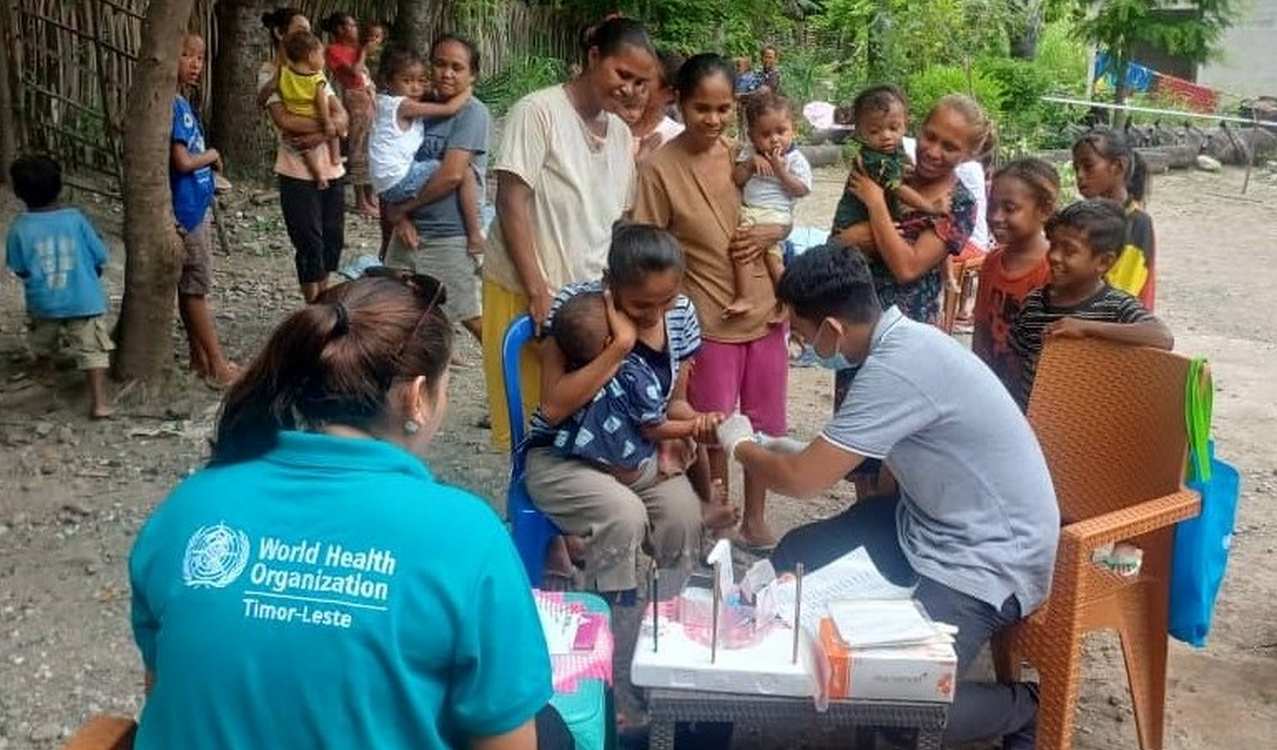
Following Timor-Leste’s Triumph, All of Southeast Asia Has Eliminated Trachoma
The World Health Organization (WHO) recently announced it has certified Timor-Leste as having eliminated trachoma as a public health problem. The leading infectious cause of blindness, the achievement on the island nation now means that the entire Southeast Asian region, as defined by the WHO, is trachoma-free. It means over 2 billion people now live […] The post Following Timor-Leste’s Triumph, All of Southeast Asia Has Eliminated Trachoma appeared first on Good News Network .
 Sep 14, 2026 · byGood News Network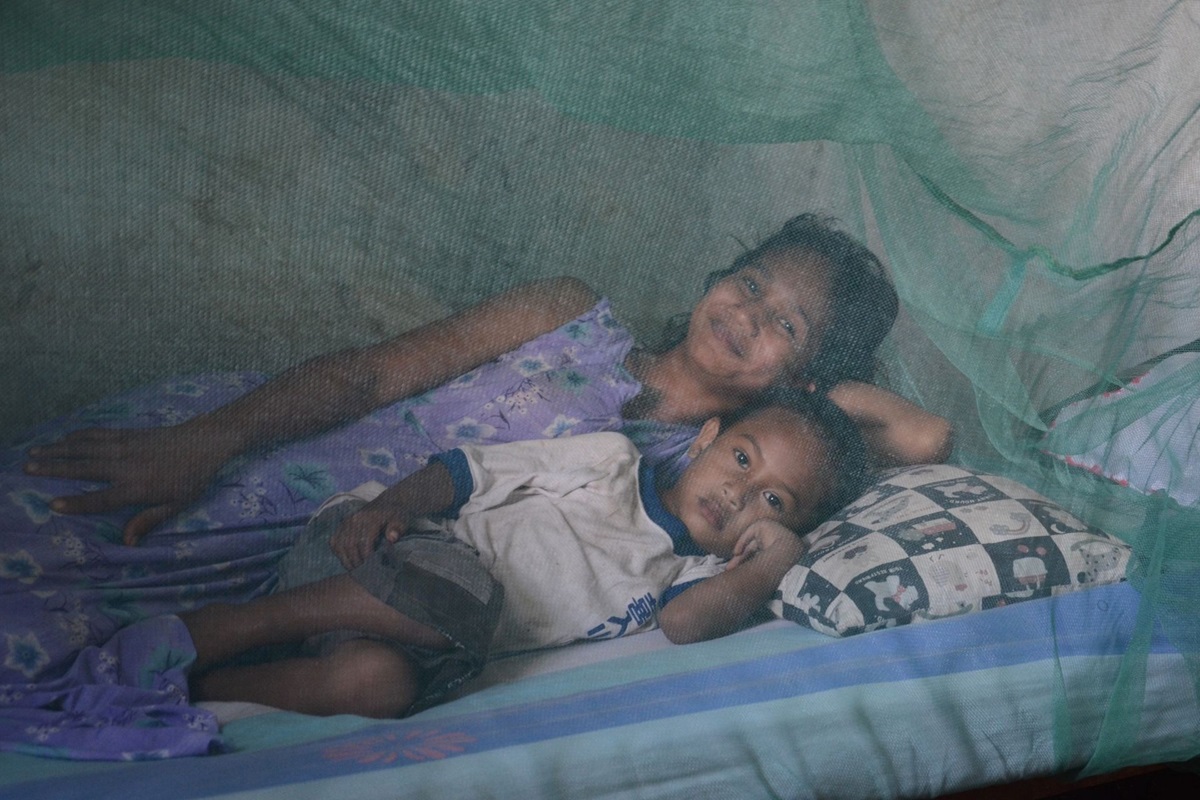
Timor-Leste certified malaria-free by WHO
The World Health Organization (WHO) has certified Timor-Leste as malaria-free, a remarkable achievement for a country that prioritized the disease and embarked on a concerted, nation-wide response shortly after gaining independence in 2002. “WHO congratulates the people and government of Timor-Leste on this significant milestone,” said Dr Tedros Adhanom Ghebreyesus, WHO Director-General. “Timor-Leste’s success proves that malaria can be stopped in its tracks when strong political will, smart interventions, sustained domestic and external investment and dedicated health workers unite.” With today’s announcement, a total of 47 countries and 1 territory have been certified as malaria-free by WHO. Timor-Leste is the third country to be certified in the WHO South-East Asia region, joining Maldives and Sri Lanka which were certified in 2015 and 2016 respectively. Certification of malaria elimination is granted by WHO when a country has proven, beyond reasonable doubt, that the chain of indigenous transmission has been interrupted nationwide for at least the previous three consecutive years. “We did it. Malaria has been one of our most relentless enemies – silent, persistent, and deadly. We lost too many lives to a disease that should be preventable. But our health workers never gave up, our communities held strong, and our partners, like WHO, walked beside us. From 223 000 cases to zero – this elimination honours every life lost and every life now saved. We must safeguard this victory with continued vigilance and community action to prevent malaria's re-entry,” said Dr Élia António de Araújo dos Reis Amaral, SH, Minister of Health, Government of Timor-Leste. A rapid shift from high burden country to malaria-free Since gaining independence in 2002, Timor-Leste has made remarkable strides in the fight against malaria – reducing cases from a peak of more than 223 000 clinically diagnosed cases in 2006 to zero indigenous cases from 2021 onwards. Timor-Leste’s success in eliminating malaria was driven by the Ministry of Health’s swift action in 2003 to establish the National Malaria Programme, a dedicated programme for planning, implementing, and monitoring malaria control efforts nationwide. With only two full-time officers initially, the programme was able to lay the foundation for progress early on through strong technical leadership, managerial capacity and attention to detail. Within a few years, the country introduced rapid diagnostic tests and artemisinin-based combination therapy as part of the National Malaria Treatment Guidelines and began distributing free long-lasting insecticide treated nets to communities most at risk. In 2009, with support from the Global Fund to Fight AIDS, Tuberculosis and Malaria, Timor-Leste scaled up nationwide vector control efforts through the distribution of long-lasting insecticide-treated nets and indoor residual spraying. Malaria diagnosis was also expanded using microscopy and rapid diagnostic tests at the point of care across all local health posts. Facing the challenges of severe shortages of health workers and doctors, Timor-Leste made investments and developed its three-tier health system – comprising national hospitals, reference hospitals, community health centers (CHCs), and health posts – to ensure most residents can access care within an hour's walk. Additionally, citizens are provided with free health services at the point of care, as part of the government’s policy on free universal health care. Monthly mobile clinics and community outreach programmes further enhance health services in rural areas. Timor-Leste’s success in combating malaria highlights the importance of country leadership and strong collaboration between the Ministry of Health, WHO, local communities, non-governmental organizations, donors, and multiple government sectors. A real-time integrated case-based surveillance system ensures rapid data collection and response, while trained health workers ensure timely detection and screening of malaria cases, including at borders. These integrated efforts have paved the way for the country to be officially certified malaria-free. "Timor-Leste’s malaria-free certification is a defining national triumph – driven by bold leadership, tireless efforts of health workers, and the resolve of its people. As a young nation, Timor-Leste stayed focused – testing, treating, and investigating swiftly. Ending transmission and maintaining zero deaths takes more than science; it takes grit. This victory protects generations, present and future, and shows what a determined country can achieve,” said Dr Arvind Mathur, WHO Representative to Timor-Leste. Note to the editor WHO malaria-free certification The final decision on awarding a malaria-free certification is made by the WHO Director-General, based on a recommendation by the Technical Advisory Group on Malaria Elimination and Certification and validation from the Malaria Policy Advisory Group. More on WHO’s malaria-free certification process .
/signing-of-mou-between-who-and-african-union.tmb-1200v.jpg?sfvrsn=b1c9f94d_6)
African Union and World Health Organization renew strategic partnership to drive impact and strengthen health systems in Africa
The World Health Organization (WHO) and the African Union (AU) Commission renewed their longstanding strategic partnership today with the signing of an updated Memorandum of Understanding (MoU) on the sidelines of the 78th World Health Assembly in Geneva. This renewed agreement reaffirms the joint commitment to advancing health security, universal health coverage, and sustainable development across the African continent at a time of unprecedented financial challenges in the global health landscape. It further underscores the African Union’s leadership in fostering collective action, inclusive partnerships, and regional resilience, and positions the Department of Health, Humanitarian Affairs, and Social Development of the AU Commission at the heart of the continent’s health policy implementation efforts. The agreement was signed by Her Excellency Ambassador Amma Adomaa Twum-Amoah, Commissioner for Health, Humanitarian Affairs and Social Development, on behalf of His Excellency Mahmoud Ali Youssouf, Chairperson of the African Union Commission, and Dr Tedros Adhanom Ghebreyesus, WHO Director-General. It marks a defining moment for primary health care and universal health coverage. Commissioner Twum-Amoah emphasized the strategic importance of the agreement and the AU’s leadership in shaping Africa’s health landscape: “This Agreement marks a new chapter in AU–WHO cooperation. By working together more closely, we can better respond to the health needs of our populations and ensure that no one is left behind. The African Union values WHO’s central and leading role in global health and looks forward to deepening this strategic partnership in support of our shared goals. We need to move from budgeting for survival to planning for health sovereignty,” she added. Building on the foundation of the 2019 MoU, the renewed agreement streamlines and strengthens collaboration across all AU entities. It aligns efforts in support of Africa’s health priorities and sets the stage for enhanced cooperation between WHO and the AU. It also reaffirms WHO’s central technical and normative leadership role in global and regional health, and its commitment to supporting the AU and its institutions in achieving health-related Sustainable Development Goals. “This renewed agreement comes at a critical time, as cuts to bilateral aid imperil the health of millions in Africa,” said Dr Tedros. “It reflects our determination to translate our partnership into tangible results for the people of Africa, and support countries to leave behind the era of aid dependency and transition to sustainable self-reliance. We are proud to stand with the African Union in driving forward the health priorities of the continent.” The Memorandum outlines five key areas of collaboration: health systems strengthening : including regulatory harmonization, support for local pharmaceutical manufacturing, traditional medicine, domestic health financing, workforce development, and digital health innovation; reproductive, maternal, neonatal, child, and adolescent health (RMNCAH) : with continued support for the Campaign on Accelerated Reduction of Maternal Mortality in Africa (CARMMA Plus 2021–2030) and advancement of the reviewed Addis Ababa Declaration on Immunization (ADi); disease prevention and control : supporting the implementation of AU frameworks on communicable and noncommunicable diseases, including efforts to end AIDS, tuberculosis, and malaria; eliminate neglected tropical diseases (NTDs); and address the burden of viral hepatitis in line with WHO strategies; nutrition and food security : strengthening the nutrition agenda through implementation of the Africa Nutrition Strategy 2015–2025 and related WHO strategies; and health in emergency settings : by strengthening joint responses to humanitarian crises, conflicts, and climate-related emergencies. The timing of the renewed agreement is significant. It reflects the African Union’s elevated voice in global health governance – bolstered by its G20 membership – and highlights WHO’s ongoing key role as a trusted technical and operational partner. The renewed MoU marks new momentum for regional and multilateral cooperation to address Africa’s most pressing health challenges and deliver meaningful, lasting results on the continent. For further information: Professor Julio Rakotonirina | Director | Department of Health, Humanitarian Affairs and Social Development | African Union Commission | E-mail JulioR@africa-union.org Ms Stéphanie Seydoux | Director | DG Envoy for Multilateral Affairs| World Health Organization| E-mail seydouxs@who.int