DR Congo: WHO Director-General's opening remarks at the media briefing – 7 October 2026
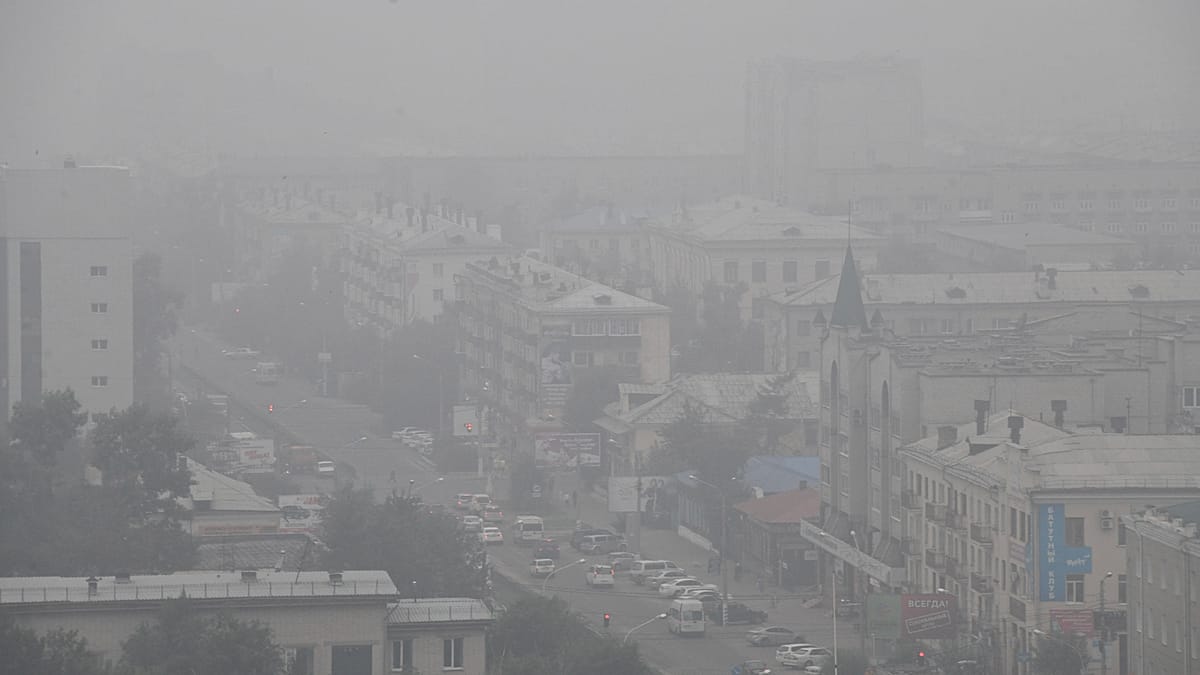
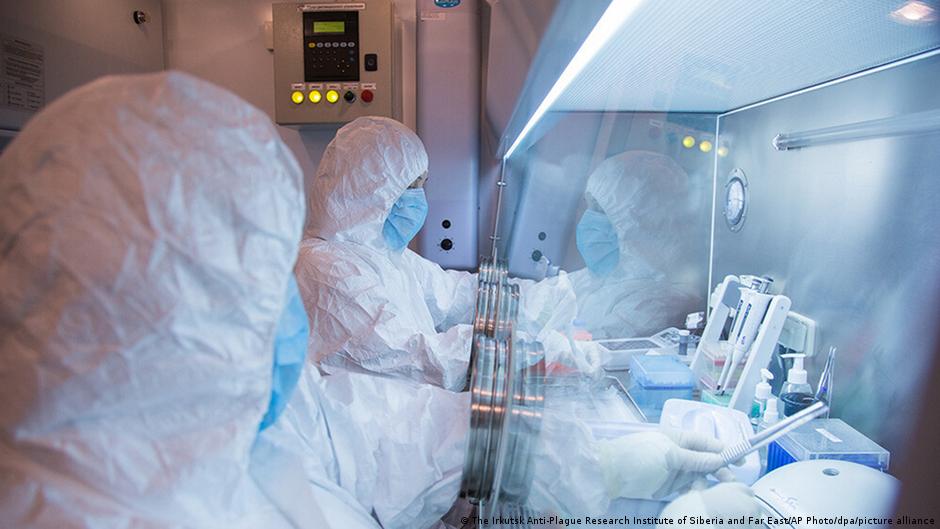
Countries: Democratic Republic of the Congo, Kenya Source: World Health Organization Good morning, good afternoon and good evening. Last Friday, the 2nd of October, the first media reports emerged of a suspected case of pneumonic plague in a laboratory worker at the Irkutsk Antiplague Research Institute in the Russian Federation. The lab worker died after being hospitalized with severe pneumonia. Initial media reports suggested pneumonic plague following an accidental lab exposure. WHO is aware that the Russian government held a meeting on the 2nd of October because they suspected a resident of the Irkutsk oblast had contracted a dangerous infection. On Saturday, WHO asked the Russian Federation for more information, in accordance with the International Health Regulations. Yesterday, the Russian Federation responded, saying that no case of plague had recently been reported in the Irkutsk oblast, and that they had placed about 200 contacts in quarantine. However, WHO has requested further information on the laboratory tests conducted on the individual who died and the contacts, more detail on what prompted the public health measures, and details about the health status of the contacts. We have also sought verification of media reports of a second employee with pneumonia of undetermined cause. WHO has offered technical support related to plague and lab biosafety and biosecurity. As we don’t yet have the full picture of this event, we are not able to conduct a full risk assessment. Timely, complete and transparent information sharing under the International Health Regulations is essential to clarify conflicting reports and enable an accurate assessment of potential public health risks. === Now to the Ebola epidemic in the Democratic Republic of the Congo. The number of confirmed cases has now reached 8665, with 4178 confirmed deaths. In some areas, there are clear signs that the epidemic is slowing down, although in others it is continuing to grow. Since the outbreak began, contact tracing has improved significantly, around 2000 alerts are reported every day, and about 5 million people have been reached through community engagement activities. Clinical trials of therapeutics are progressing, with more than 600 people enrolled; A vaccine trial is expected to start later this month, and we are working on ensuring access to these products should they prove efficacious in trials. These advances are the result of hard work over many months, by communities and partners under the leadership of the government. But we continue to face significant challenges. The majority of deaths still happen in the community instead of in treatment centres, and contact tracing is still not at the level needed. And we cannot forget that this epidemic is unfolding in an area beset by a prolonged humanitarian crisis. While transmission is going down overall, new hotspots continue to appear, including in areas close to the border with South Sudan. And as you know, Kenya yesterday reported a case of Ebola in a Kenyan citizen who fell ill in DRC, was treated at several facilities there, then travelled to the Kenyan capital Nairobi via the Ugandan capital Kampala. Immediately upon arrival in Nairobi, he was taken to hospital where he was isolated and Ebola was confirmed. He received care but died on Monday this week. Kenyan authorities are monitoring 55 contacts, including passengers and crew who were with the patient on the flight from Kampala to Nairobi. Yesterday, I spoke to the Cabinet Secretary to discuss the case and the measures that Kenya had taken to prepare for an event like this. I commend the Kenyan government for its prompt action and for reporting the case to WHO under the International Health Regulations in a timely way. WHO advises against blanket travel or trade restrictions, which are less effective than screening, contact tracing and other measures. Transparency should be rewarded, not punished. === As you know, today marks three years since the horrific attacks by Hamas and other armed groups on Israel. I recognize and respect the deep and continuing grief over those attacks, especially for those who lost someone they love that day, or who was taken hostage and did not return alive – and I have met families a number of times. This Saturday marks one year since the ceasefire between Israel and Hamas took effect. A year later, the health situation in Gaza remains critical and the needs of almost two million people are overwhelming. WHO calls for a constant and uninterrupted flow of supplies at scale; For health services to be restored and medical corridors to be opened; For the ceasefire to be respected and maintained; And for lasting peace, and a political solution. === Today, WHO released its first guidelines addressing the sharp rise in obesity among children and adolescents. In the past 25 years, the prevalence of obesity among children and adolescents has quadrupled, from 2% to 8%. More than 170 million children and adolescents globally now live with obesity. In the new guidelines, WHO strongly recommends structured changes to diet, behaviour and physical activity for children and adolescents with obesity. The guidelines also include advice on pharmacological treatment, bariatric surgery and weight-loss devices. The guidelines stress that obesity management should go beyond weight loss and aim to improve health, functioning and well-being. As always, prevention is better than treatment. WHO continues to call for policies and measures that make healthy diets and physical activity more accessible and affordable. === Also today, WHO and partners are launching a new global roadmap on hypertensive disorders in pregnancy, including pre-eclampsia. Hypertensive disorders account for about 16% of maternal deaths globally, resulting in 42 000 deaths and more than 500 000 stillbirths and newborn deaths. In many countries, women still lack reliable access to basic blood-pressure measurement and access to testing and essential medicines. Weak referral systems, shortages of trained health workers and limited emergency obstetric services can further delay life-saving care. The new global roadmap aims to address an innovation gap, between the scale of the problem and the availability of medicines to prevent or treat pre-eclampsia. The roadmap aims to accelerate coordinated investment action to ensure that proven interventions and future innovations reach the women and babies who need them most. === Finally, this Saturday, the 10th of October, marks World Mental Health Day. This year, our focus is on the lived experience of people with mental health conditions – especially those who have received institutional care. Often these people are left out of decisions about how mental health systems are designed and reformed. Many are kept in psychiatric hospitals involuntarily for months, years, or even decades, isolating them from the outside world. This week, WHO will launch a practical guide to support countries to shift away from institutionalized care towards person-centred care in communities that respects people’s rights and choices. Christian, back to you.
 Oct 8, 2026 · byReliefWeb