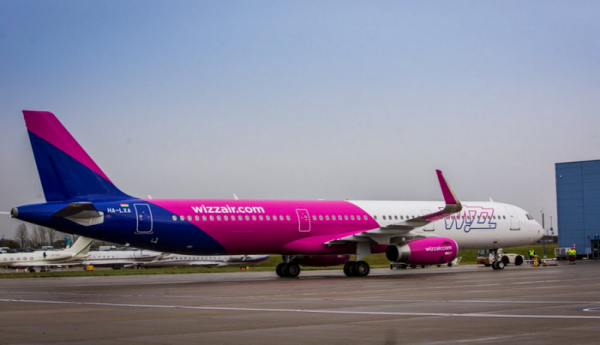
The former Yugoslavia’s 21 commercial airports with scheduled passenger traffic handled a combined total of 29.214.323 travellers during the January - August period. The figure represents an increase of 2.174.011 passengers, or 8%, on the same period in 2025. Macedonia remained the fastest-growing market in the former Yugoslavia, adding 663.870 passengers during the first eight months of the year. Its capital, Skopje, was the region’s fastest-growing airport in absolute terms, handling an additional 615.244 travellers compared to the same period last year, for a total of 2.687.002 passengers, up 29.7%. Ohrid also performed strongly, welcoming 232.423 travellers, an increase of 26.5%. Growth at both airports has been fuelled primarily by Wizz Air’s significant expansion in the country. Passenger traffic among former Yugoslav airports, January - August 2026 Belgrade remained the former Yugoslavia’s busiest airport, handling 6.316.012 passengers during the January - August period, an increase of 420.594 travellers, or 7.1%. Zagreb ranked second with 3.167.017 passengers, while Pristina was close behind with 3.119.584. Pristina has managed to recoup the passenger losses recorded during a slower first half of the year and was back in positive territory by the end of August, with traffic up 0.2% on 2025. During the peak summer period, the airport also handled more passengers than Zagreb, although the Croatian capital maintained a narrow cumulative lead of 47.433 travellers at the end of August. Podgorica continued to record some of the strongest growth in the region. The Montenegrin capital handled 1.584.195 passengers during the first eight months, representing an increase of 30.1%, or 366.512 travellers. August was particularly strong, with 348.628 passengers handled, up 47.6% year-on-year. The growth has been driven by Wizz Air’s two-aircraft base in the city, which opened in March. Together with Tivat, which welcomed 1.090.962 passengers, Montenegro’s airports handled over 2.67 million travellers during the period. Tuzla recorded the largest percentage increase among airports in the former Yugoslavia, more than doubling its passenger numbers. The airport handled 435.599 travellers, up around 101% on the same period last year, representing an increase of 218.651 passengers. Croatia’s airports handled just over 10.3 million passengers during the January - August period, representing growth of around 2.1% on last year. Zagreb, Dubrovnik, Zadar, Rijeka and Brač all recorded increases, while Split, Pula and Osijek remained below their 2025 levels. Results at several coastal airports were impacted during the first half of the year by the temporary suspension of domestic Public Service Obligation flights operated by Trade Air after the Croatian government failed to launch the tender process for a new four-year domestic services contract within the required timeframe. EX-YU Aviation News
Oct 6, 2026 · byEX-YU Aviation News