Israel slams Jordan’s king after UN speech criticizing Gaza policies
 Sep 23, 2026 · byCryptoBriefing
195 articles · 6+ stories
 Sep 10, 2026· CryptoBriefing
 Aug 31, 2026· CryptoBriefing
 Jul 24, 2026· CryptoBriefing
 Jul 18, 2026· CryptoBriefing
 Jul 20, 2026· CryptoBriefing
 Jul 19, 2026· CryptoBriefing
Heightened Israel-Jordan tensions may shift US diplomatic strategies, potentially increasing the likelihood of Palestine's recognition. The post Israel slams Jordan’s king after UN speech criticizing Gaza policies appeared first on Crypto Briefing .
Sep 23, 2026 · byCryptoBriefing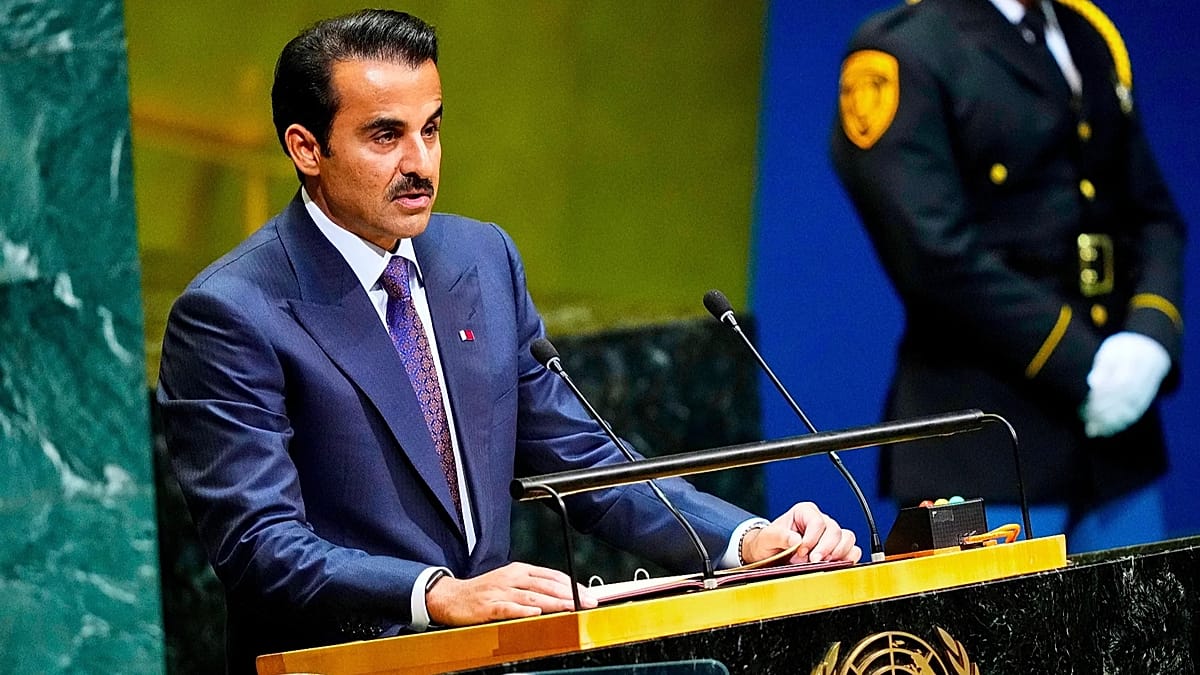
The leaders of Qatar, Turkey and Jordan called for talks with Tehran and greater international pressure on Israel.
 Sep 23, 2026 · byEuronews
Countries: occupied Palestinian territory, Ireland, Jordan, South Africa, Spain Source: Save the Children NEW YORK, 22 September 2026 – Her Majesty Queen Rania Al Abdullah of Jordan joined the Taoiseach (Irish Prime Minister) Micheál Martin, the State of Palestine and Save the Children at a United Nations General Assembly side event on Tuesday to call for urgent international action to protect Palestinian children subjected to military detention. The High-Level Dialogue on Palestinian Children in Military Detention, convened by Save the Children and co-sponsored by the governments of Jordan, Ireland, the State of Palestine, Spain, and South Africa, focused on the escalating risks facing Palestinian children who are arrested, detained and prosecuted under Israeli military law, and on the concrete steps governments can take to protect their rights. Save the Children’s latest research documents severe physical, psychological and sexual abuse of Palestinian children in Israeli military detention, including reports of torture and other ill-treatment, solitary confinement, deprivation of adequate food and medical care, and denial of basic legal protections. The humanitarian organisation has found that conditions for detained children have deteriorated significantly since October 2023. The dialogue came amid growing international concern over the treatment of Palestinian children in detention and called for greater diplomatic action. Her Majesty Queen Rania Al Abdullah of Jordan said: “Children’s accounts follow a grim, familiar pattern: Ripped from their homes in the middle of the night, not knowing where they are being taken or why. Brought alone, handcuffed and blindfolded, to interrogation sites; hauled before military courts; pressured to sign documents they don’t understand. Assaulted and threatened with rape… kept underfed, isolated, and afraid.” “I just don’t understand. What is so terrifying about Palestinian children? Before they have even come of age, Palestinians are cast as threats: demographic threats, security threats, presumed guilty of future crimes they haven’t committed. Their innocence stripped away, they are dehumanized so thoroughly that even a kid with roller skates, a soccer ball, or a kite can be seen as something menacing. And a child can be branded a terrorist – as if they were never a child at all.” Micheál Martin, Taoiseach (Prime Minister) of Ireland said: “The report on abuse of Palestinian children in Israeli military detention, and the testimonies we have heard today, are deeply shocking and describe experiences that no child should ever endure. “We all have a responsibility to ensure that the testimonies of these extraordinarily courageous children are not only listened to, but urgently acted upon. The military detention of children cannot be justified. “Ireland, together with international partners, continues to call for Israel to fully comply with international law, and for independent monitoring and accountability, and the protection of all children affected by conflict – of their rights, safety and dignity at all times.” Inger Ashing, CEO of Save the Children International, said: “Children should never be subjected to violence, abuse or degrading treatment. Yet for decades, Palestinian children have been arrested, prosecuted and detained through a military system that fails to guarantee the protections every child is entitled to. “The testimonies we have heard from children are deeply disturbing. They describe being taken from their families, subjected to violence and humiliation, denied adequate food and healthcare, and left with lasting physical and psychological harm. “Governments have both the responsibility and the influence to act. Expressions of concern are not enough. We need coordinated diplomatic action that delivers tangible protection for Palestinian children and ensures their rights are respected.” The event brought together representatives of governments, the United Nations, humanitarian and human rights organisations to examine both the immediate protection needs of detained Palestinian children and the broader international response. Discussions focused on steps governments can take to end violations against children, strengthen monitoring and accountability, secure independent access to children in detention, and ensure that international law and child rights standards are upheld. Save the Children is calling for an end to the detention of Palestinian children within the Israeli military detention system and the release of children currently held. The organisation is also calling on the international community to use its diplomatic influence to end systematic violations against Palestinian children and ensure independent investigation and accountability for alleged abuses. Notes to editors The High-Level Dialogue took place on Tuesday, 22 September 2026, from 3:00–4:15pm EDT in New York, on the sidelines of the UN General Assembly. The event was livestreamed on UNTV . Save the Children’s policy brief, “Tortured”: The Escalating Abuse of Palestinian Children in Israeli Military Detention , documents physical, psychological and sexual abuse, solitary confinement, inadequate food and medical care, and denial of legal protections reported by Palestinian children subjected to military detention. The research found a significant deterioration in detention conditions since October 2023, with serious long-term consequences for children’s mental health, education and wellbeing. Save the Children has called for children held in the military detention system to be released, for the system of military detention of Palestinian children to end, and for stronger international action to protect Palestinian children and uphold their rights.
 Sep 23, 2026 · byReliefWeb
Countries: Syrian Arab Republic, Lebanon Source: International Organization for Migration Please refer to the attached file. Cross-border movements from Lebanon into Syria have continued to stabilise since the ceasefire announced on 17 April 2026, with recent movement patterns becoming more gradual. Between 2 March and 21 September, DTM identified 128,129 arrivals across 1,185 communities spanning all 14 governorates. Syrian nationals accounted for 99 per cent of recorded arrivals, while Lebanese nationals represented less than 1 per cent. Flow monitoring at four assessed Syrian-Lebanese border crossings recorded approximately 813,000 movements into Syria during the same period. Of these, around 98 per cent were Syrian nationals and 2 per cent were Lebanese nationals. A further 4,100 Lebanese nationals were recorded transiting through Syria towards Jordan, indicating that Syria continues to serve as a transit route for onward regional movement alongside arrivals into the country. Access conditions at the border have also continued to shape observed movement patterns. The Arida crossing has remained closed for more than six weeks following its temporary closure on 6 August for technical works on the Lebanese side, with movement data therefore available only through 5 August. KIs reported that those who previously relied on Arida have had to use alternative crossings located further from Tartous Governorate, contributing to longer journeys and increased travel costs.
Sep 22, 2026 · byReliefWeb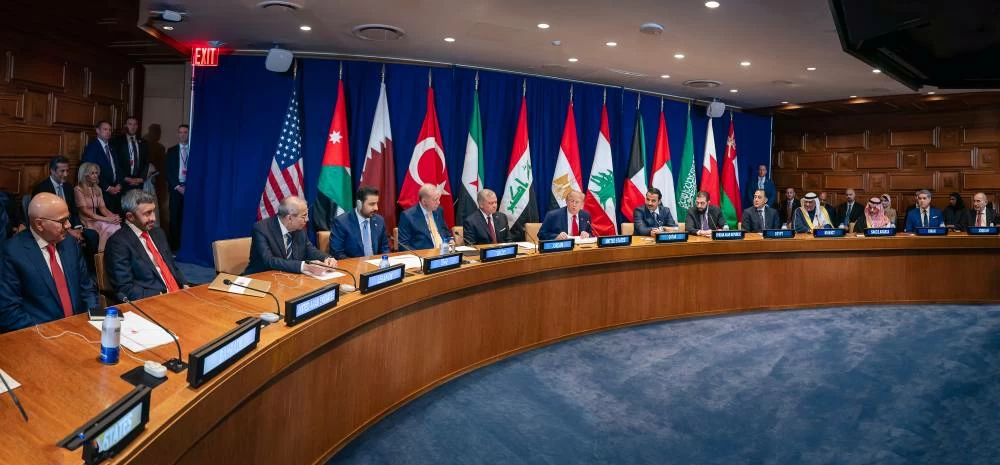
New York: His Highness Sheikh Abdullah bin Zayed Al Nahyan, Deputy Prime Minister and Minister of Foreign Affairs, participated in a meeting convened by US President Donald Trump with a number of leaders and foreign ministers from Arab and Islamic countries on the sidelines of the 81st Session of the United Nations General Assembly in New York. The meeting was attended by His Majesty King Abdullah II bin Al Hussein of the Hashemite Kingdom of Jordan; H.H. Sheikh Tamim bin Hamad Al Thani, Emir of the State of Qatar; Recep Tayyip Erdoğan, President of the Republic of Türkiye; Ahmed Al-Sharaa, President of the Syrian Arab Republic; H.H. Sheikh Sabah Khaled Al-Hamad Al-Sabah, Crown Prince of the State of Kuwait; Ali al-Zaidi, Prime Minister of the Republic of Iraq; Dr. Nawaf Salam, Prime Minister of the Lebanese Republic; Dr. Mostafa Madbouly, Prime Minister of the Arab Republic of Egypt; H.H. Prince Faisal bin Farhan bin Abdullah, Minister of Foreign Affairs of the Kingdom of Saudi Arabia; Ayman Safadi, Deputy Prime Minister and Minister of Foreign Affairs and Expatriates of Jordan; Dr. Abdullatif bin Rashid Al Zayani, Minister of Foreign Affairs of the Kingdom of Bahrain; and Ambassador Talal bin Sulaiman bin Habib Al Rahbi, Ambassador of the Sultanate of Oman to the United States. The meeting discussed current regional developments and the situation in the Middle East, as well as ways to consolidate security and stability and fulfil the aspirations of the region's peoples for development and economic prosperity. The participants also discussed mechanisms to strengthen multilateral international action in support of efforts to achieve peace, development and stability and address regional and international challenges. His Highness Sheikh Abdullah bin Zayed commended the efforts of US President Donald Trump to promote security and stability and advance peace and development in the Middle East. The top diplomat reaffirmed the UAE's support for regional and international efforts aimed at de-escalation and establishing lasting peace in a manner that enhances security, stability and prosperity for all peoples of the region. His Highness Sheikh Abdullah also underscored the depth of the strategic relations between the UAE and the United States, which, he said, are founded on solid pillars of trust, mutual respect and shared interests, as well as fruitful cooperation across numerous vital sectors in support of the development priorities of both friendly countries. The meeting was also attended by Lana Zaki Nusseibeh, Minister of State; Saeed bin Mubarak Al Hajeri, Minister of State; and Yousef Al Otaiba, UAE Ambassador to the United States.

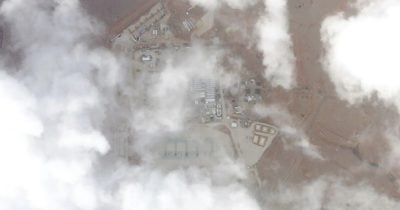
Countries: Iran (Islamic Republic of), Lebanon, Yemen Source: World Health Organization Please refer to the attached file. ACUTE HEALTH THREATS Following a period of relative calm since late July, hostilities began to re-intensify on 30 August in Iran, with additional reported impacts in military bases in Jordan and the United Arab Emirates. Additional sanctions announced on 24 August on Iran have had significant effects on the economy, including on health. Currency depreciation and access restrictions to international financial systems are adding additional complexities to humanitarian imports, including medicines. WHO offices are reporting frequent power cuts impacting power continuity in hospitals. In Lebanon, despite the June ceasefire, hostilities continue to be reported around Nabatieh with people unable to return home in the affected areas. In Syria, hostilities reported in southern Syria and along the Israel-Lebanon border raise concerns of localized escalation and potential spillover effects. In Yemen, the current escalation has greatly increased trauma needs and resulting in increased displacement and additional pressure on an overstretched health system, with conflict occurring in areas affected by diseases such as measles, cholera, dengue, food insecurity, and malnutrition. The security situation in Iraq has also deteriorated, with several airstrikes reported across multiple governorates since late July. Across the Middle East, attacks impacting oil infrastructure and shipping raise additional concerns on the continued effects of the current escalation on oil supplies and prices in addition to the potential environmental health consequences
Sep 22, 2026 · byReliefWeb
Jordan's King Abdullah II decried Israeli settlements in the occupied West Bank as a strategy of ‘forced displacement.'
 Sep 22, 2026 · byAl Jazeera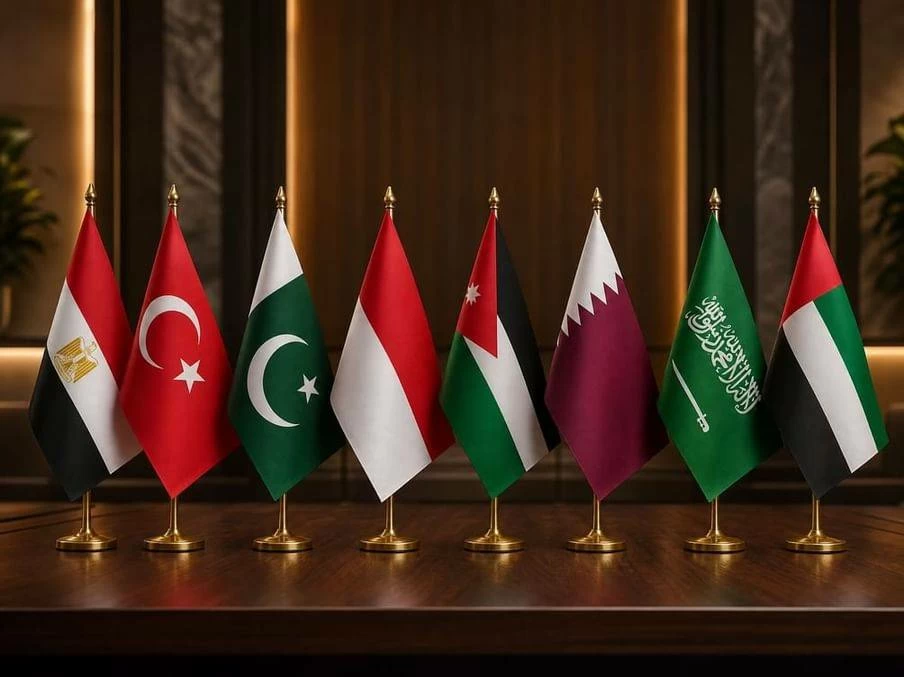
New York - The Ministers of Foreign Affairs of the Arab Republic of Egypt, the State of Qatar, the Hashemite Kingdom of Jordan, the United Arab Emirates, the Republic of Indonesia, the Islamic Republic of Pakistan, the Republic of Türkiye, and the Kingdom of Saudi Arabia met in New York on September 21, 2026, on the margins of the 81st Session of the United Nations General Assembly. The Ministers express deep concern over the continued humanitarian suffering in Gaza and call upon Israel to immediately fulfil its outstanding commitments under the First Phase of the Comprehensive Plan, including by ensuring the immediate, safe and unhindered delivery of humanitarian assistance and Early Recovery supplies, and facilitating the rehabilitation of critical infrastructure. They stress the imperative of preserving the ceasefire and ending all violations. The Ministers stress that the Road Map constitutes an integral part of the Comprehensive Plan and provides the implementation framework for advancing its Second Phase, including decommissioning alongside full Israeli withdrawal, the deployment of the International Stabilization Force (ISF), the assumption by the National Committee for the Administration of Gaza (NCAG) of its responsibilities throughout the Gaza Strip, and the launch of early recovery and reconstruction across Gaza. They call on all parties to fulfil their respective commitments in good faith and without delay. The Ministers reiterate their categorical rejection of any measures aimed at the expulsion or the forced displacement of the Palestinian people from their homeland or attempts to alter the territorial or demographic character of the Occupied Palestinian Territory. They deplore in this context the illegal measures aimed at consolidating Israeli control and annexation, including the accelerating settlement expansion, land confiscation, demolition of Palestinian homes, settler violence and terrorism, and forced displacement, and called for their immediate reversal. They express grave concern over measures undermining the historical and legal Status Quo of the Muslim and Christian holy sites in Jerusalem. The Ministers welcome the recent measures taken by the United Kingdom, as well as broader national and European efforts, in response to illegal Israeli settlement activity, including measures to halt trade with illegal Israeli settlements and call for further effective measures to end settlement expansion and ensure accountability for settler violence. They also emphasise that Gaza must remain an integral part of the Palestinian territory and reaffirm that the implementation of the Comprehensive Plan must contribute to the reunification of the West Bank, including East Jerusalem, and the Gaza Strip, and to a credible and irreversible pathway towards the exercise of the Palestinian people's right to self-determination and the realization of a sovereign, viable, and independent Palestinian State with East Jerusalem as its capital, through the implementation of the two-State solution. The Ministers commend the leadership of President Donald J. Trump and underscore the indispensable role of the United States in ensuring the implementation of the Comprehensive Plan. They call for sustained and active US engagement to ensure that all parties, including Israel, fulfil their commitments and obligations and to overcome obstacles to the implementation of the Road Map. They stress that tangible progress on the ground will strengthen the credibility of the Board of Peace and the authority of the plan and create deeply needed momentum. The Ministers reaffirm their readiness to continue working collectively with the United States, the Board of Peace, the Palestinian Authority and all relevant parties to advance the full implementation of the Comprehensive Plan and its Road Map, alleviate the suffering of the Palestinian people, fulfil their right to self-determination and independent statehood and achieve just, lasting and comprehensive peace in the region.

Countries: Syrian Arab Republic, Egypt, Iraq, Jordan, Lebanon, Türkiye Source: UN High Commissioner for Refugees Please refer to the attached file. REGIONAL OVERVIEW As of 31 August 2026, an estimated 1.8 million Syrians had returned from neighbouring countries, alongside over 2 million internally displaced persons (IDPs) who returned to their areas of origin. Return movements continued across the region, although patterns and volumes varied by operation. This edition focuses on the role of cash assistance in supporting voluntary return and reintegration. Across host countries and inside Syria, cash assistance helps refugees and returnees address practical barriers before departure, during movement and after arrival, including transportation, documentation, baggage, food, shelterrelated costs and other immediate household needs. Cash assistance is one part of UNHCR’s broader protection and durable solutions response. It complements counselling, legal assistance, information provision, protection monitoring, in-kind support, referrals and community-based services. It is not designed as an incentive to return; rather, it supports refugees and returnees who have already made, or declared, an informed and voluntary decision to return.
Sep 22, 2026 · byReliefWeb
Country: World Source: UN Office for the Coordination of Humanitarian Affairs Please refer to the attached file. New York, 21 September 2026 Welcome, everyone. These are some of the 87 million lives that we want to reach that we are already reaching this year with life-saving support. A huge welcome today. We have, I think, two big objectives in the next hour. Number one, to leave everyone feeling that they are part of something extraordinary and brave, and really, really difficult. And that’s why we’re doing it – because it matters. And secondly, to get you out of here ahead of time, because we’ve all had enough meetings already, and it’s only day one, so, we’re going to try and accelerate through this. I want to welcome Hadjar [Lahbib, European Commissioner for Equality, Preparedness and Crisis Management, European Commission] and Sjoerd [Sjoerdsma, Minister of Foreign Trade and Development Cooperation of the Netherlands] as co-hosts. Ayman Safadi [Deputy Prime Minister and Minister of Foreign Affairs of Jordan] is entering the building as we speak, and so we’ll welcome him in just a moment. Can I also welcome our extraordinary local leaders? Do you want to stand up? The local leaders team, who have joined us. Here we are. These are the heroes and heroines of the effort and we’ll be hearing from them later on. They are co-leading our humanitarian delegation this week. We’re doing it because we believe in what they do. Now, very quick, some stats before we get going. We’re making some progress. We’ve mobilized – and it’s mainly the people in this room, in fact, it may be all the people in this room – about $14 billion so far for this campaign. And, of course, we never wanted to have to prioritize like this. We hate having to make these choices, but if we have to start somewhere, we’re starting with those [people] hardest to reach in severity four and five. And so already that means we’ve reached 40 million people so far this year with some form of life-saving support. And everyone in here has been part of that effort. And it’s an extraordinary effort, an effort of courage and creativity. Sixty-five million people have received some form of assistance this year. But anyone still counting the numbers, you’ll see that leaves us $9 billion short of even the hyper-prioritised target we’re trying to reach, let alone the money we need to raise to reach the over 200 million other people in need. And we all know what that means. […] So that does leave us a gap in the people we’re trying to reach and a gap in the funding. And it’s not just, of course, about the money. We have a mission this week, and I need help from everyone here to get the 10 access agreements in place. […] If we get these 10 agreements in place this week, then we can reach 11 million people that we can’t currently reach – from [the Democratic Republic of the Congo] to Yemen to Haiti to Colombia to Afghanistan, South Sudan, [the Occupied Palestinian Territory], Sudan, Ukraine, Yemen and beyond. And so, we need your diplomatic support as well as your support for this campaign. Now, last couple of slides on some stats. We want to also recognize those who are giving most generously. In fact, more than that, we want you to start competing with each other, frankly. Which is why I’ve had some slides made that show where the money is currently coming from for this campaign. So, this [ slide ] is the quantity, the overall quantity. And come and find these slides later if you want to see them closer up. If you can’t see your country on there, well, I hope your country is on there. If it’s not, then you know what to do. But this [ slide ] is effort. So, this is what our generous donors are giving to the humanitarian family and to the plan put together by over 2,000 humanitarian organizations by the size of their economy. So, there you see a different group of colleagues and friends can step forward and take a bow there. One thing, one huge change in the course of the year now, one big shift in the system, is that now 25 per cent of funding is going through pooled funds . And that allows us, of course, to get funding out to the front lines, to the local organizations, or indeed to the partner best placed to deliver, whether that’s a UN agency or an [international] NGO or a local NGO or another organization. So, this then shows you what each donor is giving in terms of pooled funds. And then, and I think we’re almost there on the slides, the generosity is not just measured in dollars. So, we also want to show you countries who are most generous in terms of hosting refugees . And so therefore are probably the most generous donors of all. And I’ve turned round to look at His Excellency Ayman Safadi because you see Jordan is at the top of that league table. And when you look at refugee-hosting countries relative to their economy , we have a surprising result because it shows different forms of leadership. It’s not all about the cash – although to those with lots of cash, we like that as well. It shows that there are different ways of stepping forward as part of this effort to save 87 million lives this year. That’s more than enough from me. We want this to be a quick-fire conversation over the next hour. So, we are going to be asking for swift top-level interventions. And we’re going to be asking some of the difficult questions. I’ve been in eight meetings at least so far and in every single one we’ve agreed on everything. And that is not the measure of success of our conversation today – we also have to lean into the areas where we might not agree on everything. I’ll stop there and hand over to our friend and colleague, Ayman Safadi.
Sep 22, 2026 · byReliefWeb
Countries: Syrian Arab Republic, Jordan, Lebanon, Türkiye Source: International Organization for Migration Please refer to the attached file. This report provides insights into the evolving displacement and return trends of key population groups across all governorates in Syria. Data was collected between 1 and 31 August through a network of 30,164 Key Informants across 9,755 locations. Key findings include: 9,004 new internally displaced persons (IDPs) were recorded in August. 32,823 IDPs returned to their locations of origin during the same period. The cumulative number of IDP returnees since December 2024 stands at 2,244,736 . The total number of IDPs since 2011 who remain displaced is 5,625,935 . 17,725 Syrians arrived from abroad to their areas of origin in August, bringing total arrivals since December 2024 who returned to their areas of origin to 1,306,055 . 1,396 Syrians arrived from abroad to other locations in August, bringing total arrivals since December 2024 who returned to other locations to 112,815 .
Sep 22, 2026 · byReliefWeb
The Jordanian monarch will most likely base his speech on the expansion of illegal Israeli settlements in the West Bank and other Palestinian issues.
 Sep 22, 2026 · byThe New York Times
IHG signs a 50-room coffee-inspired hotel in Amman with Al Ameed Coffee, bringing its new premium Noted Collection brand to Jordan. No opening date is set.

Thirty-plus years after its original release, Neil Jordan’s Brad Pitt and Tom Cruise starring gothic vampire movie “Interview with the Vampire” is available in 4K and on 4K UHD Blu-ray. The bonus features include never-before-seen deleted scenes, as well as two special features: “Eternal Night and Deadly Light,” where Jordan and film editor Mick Audsley […]
 Sep 21, 2026 · byVariety
Jordan has chosen Zain Duraie’s Sink as its entry for the International Feature Film category at the 99th Academy Awards. Clara Khoury (The Voice of Hind Rajab) stars as a mother in denial about her son’s mental health struggles, preferring instead to interpret his emotional withdrawal and disruptive behavior at school as adolescent rebellion. She […]
 Sep 21, 2026 · byDeadline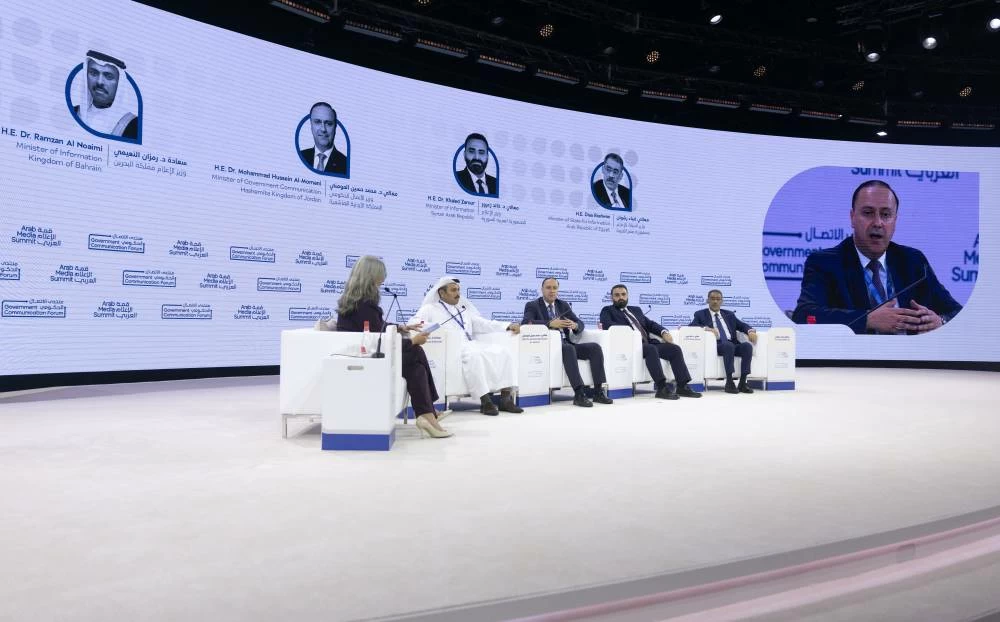
Dubai: Governments must communicate verified information more quickly and clearly without compromising the independence of professional media, Arab information ministers said at the Arab Media Summit 2026. The discussion highlighted how information gaps can quickly create information disorder, particularly during crises, making it essential for official institutions to provide timely facts while allowing media organisations to examine, explain and deliver them professionally. The discussion took place during “The Ministers Roundtable”, featuring His Excellency Dr. Ramzan Al Noaimi, Minister of Information, Kingdom of Bahrain; His Excellency Dr. Khaled Zarour, Minister of Information, Syrian Arab Republic; His Excellency Diaa Rashwan, Minister of State for Information, Arab Republic of Egypt; and His Excellency Dr. Mohammad Hussein Al-Momani, Minister of Government Communication, Hashemite Kingdom of Jordan. The session was moderated by Naoufer Ramoul, Media Presenter at DMI. His Excellency Dr. Mohammad Hussein Al-Momani said official institutions must communicate quickly, accurately and continuously, especially when complete information is not immediately available. He said that, when an incident is unfolding, governments should acknowledge it and commit to providing verified updates, helping prevent unverified information from filling the gap. At the same time, he stressed that media organisations must be given sufficient space to work independently and professionally. The speakers’ remarks highlighted the need for stronger professional capabilities, greater regional coordination and more effective formats for communicating beyond domestic audiences. Picture credit: GDMO His Excellency Diaa Rashwan reinforced this distinction, arguing that the role of government is to facilitate professional media through appropriate constitutional and legal frameworks rather than act as its guardian. He said the weakening of professional journalism had allowed social media in parts of the Arab world to shift from being a tool for accessing news to becoming a primary source of news, creating greater space for rumours and inaccurate information. His Excellency Dr. Khaled Zarour said speed alone could not build trust without credibility. He highlighted the importance of protecting media freedom, developing specialised journalism and presenting information within its proper context. Media, he added, must help audiences recognise verified facts rather than simply reinforcing selective narratives or existing biases. Drawing on Bahrain’s crisis-communication experience, His Excellency Dr. Ramzan Al Noaimi said public trust depended on providing honest information and practical guidance, even when developments were difficult. He also said official media institutions should treat technological change as an opportunity, highlighting AI’s potential across news monitoring, editing, production and analysis of content consumption. The discussion also turned to the ability of Arab media to reach international audiences. The speakers’ remarks highlighted the need for stronger professional capabilities, greater regional coordination and more effective formats for communicating beyond domestic audiences. Taken together, their remarks pointed to a shared direction for strengthening trust: official institutions provide verified information promptly, professional media retain the freedom to examine and contextualise it and technology expands its reach without weakening accuracy.

Emmanuel Macron welcomes Lebanese President Joseph Aoun and Jordan's King Abdullah II to Paris today for talks on Lebanon's security and international support for the Lebanese army. The meeting comes as France pushes to prevent a security vacuum ahead of UNIFIL's planned withdrawal at the end of 2026, with Israeli strikes continuing in southern Lebanon and concerns growing over who will secure the border. FRANCE 24's Luke Shrago has the latest.
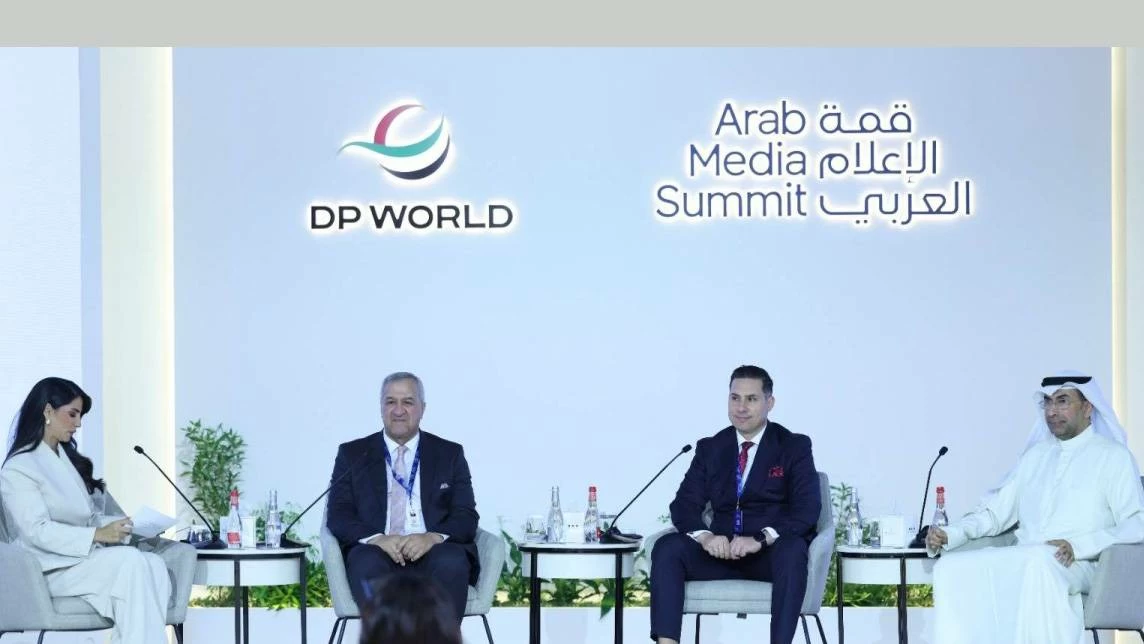
Officials and experts in government communication stressed that rapid digital transformation and changing audience behaviour are forcing governments to develop their communication tools and adopt more flexible and responsive strategies. At the same time, they highlighted the importance of maintaining the accuracy and reliability of information to strengthen public trust and curb the spread of rumours and misinformation. These remarks were made during the session, "The Audience Has Changed... Has Government Communication Changed?", held on the third day of the Arab Media Summit. The session was moderated by Heba Zaarour and featured Dr. Nasser Muheisen, Undersecretary of the Ministry of Information and Head of the Government Communication Center in Kuwait; Dr. Zaid Al-Nawaisa, Secretary-General of the Ministry of Government Communication in Jordan; and Dr. Nidal Shukair, Professor of Strategic Communication and Government Relations. Dr. Nasser Muheisen said rumours are among the most significant challenges governments face during crises. He stressed the need to address them carefully and intelligently by ensuring a strong government presence from the earliest stages of an event and continuously providing the public with available information. He emphasised the need for governments to adopt flexible and fast communication strategies that can adapt to changing audience behaviour. He explained that the rapid pace of the digital environment and competition from social media platforms require government communication institutions to move quickly in delivering accurate and reliable information. This helps prevent the spread of rumours and false news. He noted that government communication should take priority during crises. This can be achieved by providing clear preliminary information to the public and assuring them that they will receive updates first-hand. Such an approach helps reduce rumours and prevents confusion. He added that balancing speed and accuracy remains one of the biggest challenges in communication. Providing reliable information at the right time helps give the public a clearer picture of events and strengthens confidence and reassurance. He also noted that Kuwait is making continuous efforts to keep pace with these changes by regulating the digital content sector and strengthening frameworks related to the use of artificial intelligence. These efforts support the development of government communication and help it adapt to rapid technological change. For his part, Dr. Zaid Al-Nawaisa said balancing speed and accuracy is one of the key challenges facing government communication. He noted that digital transformation has compelled government institutions to reassess their roles and develop communication tools that meet the expectations of modern audiences. He explained that Jordan launched the "Farah" platform to deliver government information and explain policies and decisions to citizens in a simple and direct way through social media. The initiative aims to reach the widest possible audience and improve understanding of government messages. Dr. Nidal Shukair said artificial intelligence has brought about a major shift in how news and information are consumed. He noted that audiences are increasingly turning to platforms that provide content more quickly and conveniently. He added that governments continue to be a major and trusted source of information. He praised the UAE's experience in government communication and public engagement, noting that positive public interaction with government initiatives and campaigns has contributed to their success and effectiveness. He stressed the importance of governments continuing to develop communication methods and adopt best practices that strengthen public engagement and keep pace with rapid digital transformation. This, he said, is essential to ensuring government messages reach all segments of society effectively.

French President Emmanuel Macron is hosting Lebanese President Joseph Aoun in Paris for talks focused on Lebanon's security and wider Middle East tensions, with Jordan's King Abdullah II also taking part in the meeting. FRANCE 24's Luke Shrago and Kethevane Gorjestani have the analysis from Paris.

Emmanuel Macron is hosting Lebanese President Joseph Aoun and Jordan's King Abdullah II in Paris for talks on Lebanon's security and international support for the Lebanese army. The meeting comes as concerns grow over Israel's continued strikes in southern Lebanon and the possible end of the UNIFIL peacekeeping mission, with France seeking a "clear, credible and realistic" plan to back Lebanon through funding, equipment and military training.

Countries: World, Argentina, Armenia, Australia, Chile, Cuba, Democratic Republic of the Congo, Djibouti, Dominican Republic, Eritrea, Ethiopia, France, Haiti, Indonesia, Iran (Islamic Republic of), Jamaica, Jordan, Malaysia, Nigeria, Pakistan, Philippines, Somalia, South Africa, Sri Lanka, Syrian Arab Republic, Thailand, Türkiye, United States of America, Viet Nam Source: World Meteorological Organization Please refer to the attached file. WMO: Recent water trends have serious future implications The WMO State of Global Water Resources report is a comprehensive science-based annual assessment of the hydrological cycle and extreme events in 2025 and over the past five years. 2025 was one of driest years for river discharge in 35 years Past 7 years have seen abnormal river flows Water storage on Earth’s land surface has decreased in past 10 years Widespread glacier loss across all regions for 4th consecutive year Asia and Africa are the regions most affected by water-related disasters Water data availability has improved, but gaps remain in hard hit areas Geneva, Switzerland, 17 September 2026 (WMO) – Rivers across the globe in 2025 had one of the driest years in more than three decades, according to a new report from the World Meteorological Organization (WMO). It shows a continuation of the long-term decline in Earth’s freshwater storage and in glacier retreat - trends with serious implications for people and economies in the future. The WMO State of Global Water Resources Report shows that the water cycle has become more erratic and unpredictable, swinging between too little or too much. The past seven years have seen the fewest rivers with “normal” flows since 1991. Asia and Africa together accounted for at least half of all recorded water-related extreme events and more than 80% of reported associated deaths over the past five years, it says. The report provides a comprehensive, science-based assessment of the entire water cycle loop, including river discharge, groundwater, evapotranspiration, land water storage, and snow and ice, as well as high-impact events. It covers the year 2025 and summarizes findings of the past five years since it was first published. Some parts of this cycle are fast – such as precipitation, river flow, soil moisture – they respond to weather within days or weeks. Others, like groundwater, glaciers and seasonal snowpack, are slow, they accumulate or deplete over seasons to decades or longer. Traditionally these slow reserves have acted as the planet's savings account: a buffer that absorbs bad years so that a single drought or a single dry season does not translate directly into a water crisis,” said WMO Secretary-General Celeste Saulo. “We are depleting that savings account. Global terrestrial water storage has shown a declining trend since 2014–2016 - a persistent, decade-long signal. For the fourth consecutive year, every major glaciated region on Earth lost ice mass. Groundwater tells a similar story: nearly two-thirds of monitored wells worldwide showed conditions outside the historical norm in 2025, and the balance shifted further toward deficit compared with 2024, not toward recovery,” said Celeste Saulo. “At the same time, we are seeing more water-related disasters. The strengthening El Niño will increase the risk of drought in some areas, and flooding in others,” she said. The report highlights some major areas of concern: 2025 was one of driest years for river discharge globally in 35 years, with below-normal flows over 36% of global basin area. This is based on data from simulations from 13 global hydrological models, driven by observed weather data. For the seventh year in a row, the number of river basins with “normal” conditions was in a clear minority: ranging between 34-38%, compared to the average of 46% between 1991-2020, according to the report. Terrestrial water storage – the total amount of water stored in groundwater, lakes and rivers, soil moisture, vegetation and ice and snow – has been in decline since mid-2010s. 2025 marked the fourth consecutive year with widespread glacier loss across all regions – leading to short term hazards like floods and long-term water insecurity. Between 2023-2025 glaciers lost mass in each reporting year with cumulative global glacier mass loss at 1400 Gigatonnes of water. This is roughly equal to the water required to fill about 560 million Olympic-sized swimming pools, or about one third of annual freshwater withdrawals. In each of the past five years, National Meteorological and Hydrological Services around the globe reported record-breaking floods and droughts. Some places have had no recovery time between one event and the next. “Water respects no borders. A river basin's water balance depends on what happens in another country. A glacier's retreat in one country reshapes water availability for populations hundreds of kilometers downstream. This is precisely why we need shared data, shared standards, and shared early warning — the exact function WMO exists to perform,” said Celeste Saulo. Dozens of experts from National Meteorological and Hydrological Services, data centres, researchers and partner institutions shared in situ observations, model outputs and space-based data and contributed to the report, which has expanded from three to 15 hydrological variables since the first edition in 2021. Country coverage has greatly expanded. However, Africa and Asia are still among the least represented regions in terms of hydrological observations in the report, even though they are most affected by extremes. 2025 was one of the warmest years on record. A weak La Niña emerged towards the end of the year after neutral conditions, and there was a predominantly negative Indian Ocean Dipole, which influenced precipitation. River basins Across the five reporting years (2021-2025), recurring below-normal river discharge was observed in major parts of the Amazon and La Plata basins, North America, Central and East Africa, Central Asia and the Middle East. Annual river discharge in 2025 was above-normal to much-above-normal across South and South-East Asia and parts of northern South America. In Africa, there were above-normal flows in the Senegal, Niger, Lake Chad, Orange and Limpopo basins, but much-below-normal discharge in the Nile, Congo and Zambezi basins. Below-normal to much-below-normal river discharge affected several major regions, including much of North America, the La Plata and São Francisco basins of South America, Eastern European basins, the Middle East and Central Asia. Reservoir and lake levels followed similar geographical trends as for river basins. African lakes were largely much above normal, with Kariba a notable exception. Terrestrial water storage Terrestrial water storage shows a persistent negative trend since 2014-2016 with increasing area under below-normal conditions. Between 2021-2025 below-normal terrestrial water storage repeatedly affected the south-western United States, Patagonia and the subtropical Andes, the Ganges–Indus headwaters, North Africa, the Middle East, Central Asia and eastern China, while persistent positive anomalies occurred in parts of sub-Saharan Africa, the Sahel and the Tibetan Plateau. In 2025, it was below-normal in northern and southwestern North America, Patagonia, Eastern Europe, the Middle East, Central Asia, eastern Brazil, northern India, parts of Northern Europe, the Russian Federation, China and Northern Africa. La Plata in South America showed signs of partial recovery from the long-term drought. Much-above-normal storage continued from 2024 into 2025 in Central and Southern Africa. Groundwater levels Persistent groundwater deficits were observed during 2022–2025 in parts of the Americas, Europe, the Middle East, India, southern Africa and Australia. Persistent and widespread below-normal to much-below-normal groundwater levels were observed across Central and Eastern Europe, central United States, parts of Mexico, northern and central Chile, northeastern and central-western Brazil, northern South Africa, northwestern India and parts of southern Australia, pointing to a cumulative depletion with multi-year drying trend. There were above-normal to much-above-normal conditions include parts of France, much of Northern Europe, the southeastern United States, large parts of South Africa, South-East Asia, and eastern Australia. Snow cover and glaciers Snow conditions were below normal across Europe in 2025, whilst the Russian Federation and North America showed strong regional contrasts. In the hydrological year 2025, glaciers lost 408 (±132) Gigatonnes of mass, equivalent to 1.1 (±0.4) mm of sea-level rise. It marked the fourth consecutive year in which every major glaciated region recorded a net loss. Central Asia, South Asia West, Russian Arctic, Iceland, Western Canada and USA all recorded annual mass balances that ranked among the three most negative years on record for that region. Some regions dominated by smaller glaciers, such as the Caucasus, Western Canada and the USA, and Central Europe may already have reached “peak water conditions,” the threshold where the glacier reaches its maximum runoff due to melting. Extreme events From 2021-2025, South America’s La Plata and Amazon basins, the Middle East and the Greater Horn of Africa experienced persistent multi-year drought conditions, while severe floods repeatedly affected West and Central Africa and South-East Asia. Asia and Africa were the regions most affected by extreme hydrometeorological events in 2025, with several African countries experiencing major flooding for two (Nigeria) or three consecutive years (Democratic Republic of the Congo). South and South-East Asia was hit by compound tropical cyclones and intense monsoon, leading to up to 3 600 deaths across affected countries - Sri Lanka, Pakistan, Viet Nam, Indonesia, Thailand, Malaysia, the Philippines. Assessing the economic losses associated with water-related disasters remains challenging in many countries. Jamaica reported that hurricane Melissa resulted in losses equivalent to 41% of GDP. Cyclone Ditwah cost Sri Lanka around 4% of GDP. Severe drought gripped East Europe, the Mediterranean, and Middle East and also returned to the Greater Horn of Africa after one of the driest October–December seasons on record linked to La Niña and a negative Indian Ocean Dipole. Notes to Editors The WMO State of Global Water Resources 2025 report includes scientific contributions from dozens of WMO Members, partners and scientists. Full details of the datasets, references and institutions involved are available in the report. The WMO Secretariat wishes to thank everyone who dedicated their time and expertise to this report. The World Meteorological Organization is the United Nations System’s authoritative voice on Weather, Climate and Water. For further information, please contact: Clare Nullis, WMO media officer, cnullis@wmo.int, +41 79 709 13 97 Global Communication and Engagement Media Contact media@wmo.int
Sep 17, 2026 · byReliefWeb
In celebration of Jordan’s October 2026 Vogue cover, we revisit some of his very earliest years onscreen, when he was still a leading man in the making.

Countries: Ireland, Afghanistan, Syrian Arab Republic, Ukraine, World Source: UN High Commissioner for Refugees Please refer to the attached file. Arrivals: a total of 13,162 people applied for international protection in Ireland in 2025, representing a decrease of nearly 30 per cent compared with 2024. In addition, Ireland welcomed 290 Syrian refugees through resettlement from Lebanon and Jordan. CJEU Ruling: In its judgment on reception conditions in Ireland, the Court of Justice of the European Union found that the State cannot invoke force majeure to justify failing to provide asylum‑seekers with their basic material needs. The ruling aligns with UNHCR’s submission. International Protection Bill: In January, the Minister for Justice received Cabinet approval to publish the International Protection Bill 2026, which will replace the International Protection Act 2015 and reform Ireland’s asylum system in line with the EU Pact on Migration and Asylum.
Sep 16, 2026 · byReliefWebCountry: Yemen Source: UN Office of the Special Envoy of the Secretary-General for Yemen Amman, 23 October 2024 - On 2 October, the Office of the Special Envoy of the Secretary General for Yemen (OSESGY) initiated a series of political dialogues with Yemeni actors as part of its ongoing efforts to build momentum towards a peaceful and inclusive resolution to the conflict in Yemen. These meetings, held in Amman, Jordan, have so far included discussions with representatives of the Rashad Party, the Nasserite Party, and the Yemeni Socialist Party as well as civil society groups. During these meetings, there emerged a broad consensus on the need for transparency and inclusive discussions towards a roadmap. The political and civil society actors amplified the urgency of economic recovery and immediate humanitarian relief, highlighting that these critical issues—such as the payment of salaries and the reopening of vital roads—cannot be delayed until a political settlement is reached. They stressed that addressing these pressing concerns is essential to gaining public support and alleviating the suffering of ordinary Yemenis. During the dialogues, each actor presented unique perspectives on the ongoing peace efforts. Among the issues were the importance of political inclusivity, with a strong emphasis on the notion that "Yemen’s political future must be owned by Yemenis, without exclusion," and the need for clearer communication regarding the roadmap process. Regarding the political process, there was a strong call to address the root causes of Yemen’s conflict through a phased approach to the transition process, focusing on restoring state institutions and ensuring the withdrawal of armed groups. The participants also emphasized the need for a clear framework for the roadmap, highlighting the importance of building on the past progress like the talks in Kuwait in 2016. During the discussions, OSESGY briefed the participants on the commitments reached between the Parties in December 2023, with the support of Saudi Arabia and Oman, including among others; a nationwide ceasefire, salary payments, resumption of oil exports, opening of roads, the withdrawal of non-Yemeni forces and the initiation of a Yemeni- led political process under UN auspices, aimed at achieving a lasting solution. The Office briefed on efforts to operationalize these commitments in the Roadmap and noted how developments—particularly the attacks in the Red Sea and growing regional tensions—have narrowed its mediation space, delaying progress. While recognizing the regional challenges, OSESGY stressed the importance of continued dialogue on moving forward and critical confidence building steps. Yemeni people’s vision and contributions remain key to shaping the next steps. In addition, economic recovery and humanitarian relief were stressed as immediate priorities for Yemenis, suggesting that the peace process must address economic needs as a priority to gain public support. It was argued that the economic file should not be secondary to political and security discussions. OSESGY briefed the parties on the progress made in addressing key economic issues raised during recent discussions with interlocutors. Building on the July 23 understanding, these efforts have focused on de-politicizing the economy and fostering collaboration over competition. OSESGY emphasized the importance of shifting away from a zero-sum mind-set notion to protect the economy from further escalation. While acknowledging each side’s constructive engagement, OSESGY stressed that positive signals must translate into concrete actions that benefit the Yemeni people. On the security front, the political parties raised concerns about the growing involvement of regional and external actors, stressing the need for strong international and regional guarantees to ensure that agreements are respected. Without such guarantees, they warned of the potential for further destabilization, particularly given regional escalations in the Red Sea and beyond. In turn, OSESGY briefed on its engagement with the Military Coordination Committee and local actors on the basis of the OSESGY-led Ceasefire Concept that focuses on de-escalation and planning. The exchange also covered a range of security-related topics that need to be discussed in the security track. In addition to the messages voiced by the political parties, civil society actors raised the issue of detainees, including those from the UN, international NGOs, local civil society organizations, and diplomatic missions, as a matter of significant concern. Civil society representatives underscored the deep human impact of the detainee issue beyond politics. Families continue to suffer as their loved ones remain in captivity, and there is an urgent need for immediate action, accompanied by sustained international pressure, to secure their release. Addressing this issue is seen as essential for building trust and advancing efforts toward a meaningful peace process. More discussions will follow in the coming weeks and into 2025 with Yemeni political parties and entities, and Yemeni civil society groups, including youth, women, and marginalized people. OSESGY will continue to focus on incorporating the insights gained into its discussions with the Parties and advocating for solutions shaped by Yemeni perspectives and needs. OSESGY extends its appreciation to the Hashemite Kingdom of Jordan for hosting and facilitating these important meetings, contributing significantly to advancing the dialogue for peace in Yemen.
Sep 16, 2026 · byReliefWeb