← News
Topic · Place

România

59 articles

See also
📰

Latest România articles

USG DiCarlo's remarks to the Security Council on Ukraine [as delivered] (23 September 2026)

USG DiCarlo's remarks to the Security Council on Ukraine [as delivered] (23 September 2026)

Countries: Ukraine, Lithuania, Moldova, Poland, Romania Source: UN Department of Political and Peacebuilding Affairs New York, UN Rosemary A. DiCarlo, Under-Secretary-General for Political and Peacebuilding Affairs Mr. President, We are entering a dangerous new phase in the war in Ukraine. Every day the attacks are intensifying. Civilian casualties are mounting. The destruction is spreading. The risk of regional spillover is growing. And the consequences are being felt far beyond the battlefield. Make no mistake. This is not simply an escalation in fighting. It is an escalation in human suffering, in regional risk, and in the damage being done to the principles of the UN Charter and the international order. Nowhere is this more painfully evident than in the mounting toll the conflict is taking on civilians in Ukraine. This year has been particularly devastating. In the first eight months alone, more civilians were killed or injured in Ukraine than during the entirety of 2025. The high number of civilian casualties reported so far in September indicates that this deeply troubling trend is continuing. Long-range missile and drone attacks are striking populated areas with increasing frequency, including cities far from the frontlines. For weeks, Kyiv and other major cities have endured almost daily attacks, killing and injuring civilians and damaging homes and essential infrastructure. Closer to the frontlines, short-range drones and guided aerial bombs continue to exact a devastating toll. At the same time, repeated attacks on critical civilian infrastructure are making daily life increasingly precarious for millions of Ukrainians. In recent weeks, railway infrastructure, shopping centers, gas stations, warehouses, as well as food and logistics companies have repeatedly been hit. Since February 2022, the Office of the High Commissioner for Human Rights has verified that at least 17,257 civilians, including 835 children, have been killed in Ukraine. A further 53,693 civilians, including 3,247 children, have been injured. The actual figures are likely considerably higher. Mr. President, The civilian impact of the war inside the Russian Federation has also grown significantly over the past year. Russian authorities have reported increasing numbers of civilian casualties from Ukrainian attacks on infrastructure, including commercial warehouses, logistics centers, oil and industrial facilities. Over the weekend, Moscow and other parts of the Russian Federation came under the largest wave of drone attacks to date. From January through August, Russian authorities have reported that 443 civilians were killed and 2,932 injured in the Russian Federation, a sharp increase compared to the same period last year. International humanitarian law is clear. Attacks directed against civilians and civilian infrastructure are prohibited. These attacks – in Ukraine and in the Russian Federation – are unacceptable and must stop immediately. Mr. President, Concerns continue to grow regarding the fallout of the war in countries neighbouring Ukraine and the danger of further expansion. Cross-border drone incursions affecting or approaching the airspace of neighboring States have become increasingly frequent, heightening concerns about the danger of further regional spillover. Attacks on border crossings and transport and logistics infrastructure close to international borders compound these risks. In the past few weeks, alarming incidents involving drones have been reported at Ukraine’s border areas with Moldova and Poland, as well as in Lithuania and Romania. Reported military activity in and around Ukraine’s nuclear sites, as well as nuclear facilities in the Russian Federation, also remains a grave concern. Any incident that jeopardizes the safety and security of any nuclear facility could have catastrophic consequences. Mr. President, As another war-time winter approaches, the intensifying attacks affecting Ukraine’s already strained energy infrastructure are particularly concerning. The cumulative impact of these strikes could plunge millions of people into darkness and cold in the coming months. Everything possible must be done to prevent a further deterioration of the humanitarian situation. We call for urgent steps to end attacks on energy infrastructure and an immediate moratorium on all attacks on population centers. Mr. President, These concerns are compounded by the increasingly dangerous conditions facing humanitarian operations. Between January and July, ten humanitarian workers were killed, and almost 40 injured in Ukraine. At least 19 warehouses have been severely damaged or destroyed, erasing millions of dollars in aid. UN humanitarian convoys have been struck, including during efforts to evacuate civilians. These attacks not only harm individuals – they deprive the most vulnerable of the help they depend on. Furthermore, civilians in the areas of Ukraine under the temporary occupation of the Russian Federation remain largely beyond our reach due to persistent lack of access and increasingly dangerous conditions. I urge the sides to ensure safe, rapid and unimpeded humanitarian access to all people in need, wherever they are. Mr. President, The cascading consequences of this war extend far beyond Ukraine, including through growing risks to global food security. Attacks on grain infrastructure, civilian vessels and ports, together with severe disruption to commercial navigation in the Black Sea and the Sea of Azov, have impeded agricultural exports from both Ukraine and the Russian Federation. The Food and Agriculture Organization’s Food Price Index rose again in August, reaching its highest level since late 2022. The consequences of prolonged disruption will be felt most acutely in import-dependent developing countries already facing high levels of food insecurity. I therefore reiterate the Secretary-General’s call on all concerned to ensure freedom of navigation, in accordance with international law, and to protect civilian ports and maritime infrastructure. The United Nations supports all efforts that can enable food and fertilizer exports to reach world markets safely and predictably. Mr. President, The position of the United Nations regarding Ukraine’s sovereignty and territorial integrity is clear and unchanged. The Russian Federation’s attempted illegal annexation of the Autonomous Republic of Crimea and the City of Sevastopol in 2014, and the attempted illegal annexation of the Donetsk, Luhansk, Kherson and Zaporizhzhia regions of Ukraine in 2022, are invalid and unrecognized by the international community. Under international humanitarian law, the Russian Federation, as an occupying Power, is obliged to uphold the laws of Ukraine in force in the territories it occupies. The holding by the Russian Federation of elections to the State Duma this past weekend in the temporarily occupied territories of Ukraine has no legal grounds. Such actions cannot alter the status of these territories under international law. Mr. President, I reaffirm the United Nations’ unwavering commitment to, and respect for, the sovereignty, independence and territorial integrity of Ukraine within its internationally recognized borders,in line with international law, including the Charter of the United Nations, and relevant United Nations resolutions. Nearly five years in, the Russian Federation and Ukraine are facing a stark choice between an even larger conflict and a conscious decision to pursue peace. The choice will impact us all. Ahead of this High-Level Week, the Secretary-General called on the world leaders to “live up to the UN Charter.” The full-scale invasion of Ukraine was launched in blatant violation of the Charter and international law. As world leaders gather here in New York, we must reaffirm the principles upon which this Organization was founded. We must reaffirm our commitment to the primacy of the peaceful settlement of disputes. And we must reject the use of force against the territorial integrity or political independence of any State. We have welcomed various diplomatic efforts to bring this war to an end, including recent renewed engagement by the United States. We hope it will provide an opportunity to re-energize diplomacy and pave the way for the resumption of direct talks. Diplomatic engagement must be matched by meaningful de-escalation. Without it, the dangers to civilians, to the wider region and to international peace and security will only grow. We therefore reiterate our call to redouble diplomatic efforts towards an immediate, full and unconditional ceasefire, as a first step towards a just, comprehensive and lasting peace in Ukraine. The United Nations stands ready to support all meaningful efforts to that end. Thank you.

Sep 23, 2026 · byReliefWeb
UNHCR Romania Ukraine Refugee Situation Update - 21 September 2026

UNHCR Romania Ukraine Refugee Situation Update - 21 September 2026

Countries: Romania, Ukraine Source: UN High Commissioner for Refugees Please refer to the attached file. Highlight On 16 September, UNHCR Romania inaugurated the Sadako Ogata Conference Room at the UNHCR’s Community Centre for refugees at RomExpo in Bucharest in the presence of H.E. Mr. Takashi Katae, Ambassador of Japan to Romania, Ms. Luminița Odobescu, State Counsellor and advisor to the Prime Minister on Diplomatic Affairs, Inspector General Tiberiu Gim Giurea, Head of the General Immigration Inspectorate (GII), and Mr. Mihai Lupu, Director of Cabinet to the Secretary of State, Head of the Department for Emergency Situations (DSU), partners and refugees. Named in honour of Ms. Sadako Ogata, United Nations High Commissioner for Refugees from 1991 to 2000, the room reflects her enduring legacy of principled humanitarian leadership and commitment to the dignity and protection of refugees. Ambassador Katae thanked UNHCR for this initiative honouring such an important figure and highlighted the value of the conference room available to refugees and partners within the community centre where refugees can access a range of services. Ms. Odobescu highlighted the principled humanitarianism exercised by Ms. Ogata, and thanked UNHCR for its key contribution in the ongoing refugee response, while the UNHCR Representative, Mr. Pablo Zapata, paid tribute to her contribution, reaffirming the organization’s commitment to the values she championed. The inauguration highlighted the longstanding partnership between Japan and UNHCR, with Japan’s support in Romania contributing to efforts to strengthen refugee protection and inclusion

Sep 21, 2026 · byReliefWeb
UNHCR Romania Fact Sheet, February 2026

UNHCR Romania Fact Sheet, February 2026

Countries: Romania, Bangladesh, Pakistan, Somalia, Syrian Arab Republic, Ukraine, World Source: UN High Commissioner for Refugees Please refer to the attached file. UNHCR supports the Government’s response to protect and include refugees in Romania through initiatives fostering inclusion and self-reliance, protection services, counselling and targeted assistance. Romania granted access to social benefits for refugees from Ukraine, through the Emergency Ordinance No. 96 on 28 June 2024, thereby addressing the needs of vulnerable refugees, to the same extent as Romanian citizens. UNHCR leads Inter-Agency coordination, supporting the national response, with 43 Refugee Response Plan partners ensuring alignment and synergy with the Government’s policy and localization. HIGHLIGHTS Life-saving assistance In 2025, UNHCR enrolled over 2,275 refugees for cash assistance as a transitional safety net measure and distributed 190,295 core relief items (CRIs), including blankets, bedding, clothing, and hygiene kits to 46,580 people in need. Protection information and counselling In 2025, UNHCR and partners have provided over 11,800 refugees with information and counselling in person or by phone. In addition, some 21,400 refugees are regularly reached through social media dedicated channels, including UNHCR’s Telegram channel, amplifying UNHCR’s messages to nearly 80,000 refugees. Delivering together UNHCR hosts 11 partners and national authorities at the RomExpo Community Centre in Bucharest, visited by over 250 refugees daily. The centre serves as a main “one-stop shop” for refugees. UNHCR is also hosting the social shop run by the Municipality of Bucharest.

Sep 17, 2026 · byReliefWeb
Does NuScale Hold the Key to Clean Energy?

Does NuScale Hold the Key to Clean Energy?

NuScale Power announced a significant engineering milestone on September 1, 2026. Working with nuclear materials manufacturer MillenniTEK, the company fabricated first-of-a-kind boron-oxide pellets. These components serve NuScale's passive emergency core cooling system. The achievement is a manufacturing milestone, not a deployment milestone. No pellets are installed in an operating reactor. NuScale offers a distinct value proposition for energy markets. Investors must evaluate this innovator across multiple complex dimensions. Geopolitics and Geostrategy Energy independence drives modern national security protocols. NuScale capitalizes on this geopolitical shift. The company supplies technology to the RoPower project in Romania. Nuclearelectrica shareholders approved the final investment decision on February 12, 2026. The plan covers six modules totaling 462 MWe at a former coal site in Doicești. The approval carries explicit conditions. Nuclearelectrica listed mandatory requirements that condition project feasibility. The target is operation at the beginning of the next decade. Analysts project the first module online around 2033. This placement helps Eastern Europe reduce reliance on hostile energy suppliers. Nations globally seek safe and scalable nuclear options. NuScale provides a vital geopolitical tool for allied countries. Macroeconomics and Economics The broader economic landscape presents both hurdles and opportunities. High interest rates stifle capital-intensive energy projects. The Federal Reserve raised its target range to 3.75% to 4.00% on September 16, 2026. NuScale experienced cost pressure directly when its Utah project collapsed in 2023. The Carbon Free Power Project with UAMPS ended amid escalating costs. Macroeconomic demand for clean electricity remains explosive. Data centers and grid electrification require massive power outputs. The Tennessee Valley Authority opportunity belongs to ENTRA1, not NuScale directly. TVA signed an agreement with ENTRA1 Energy on September 2, 2025. ENTRA1 would develop and own six plants across TVA's seven-state region. It would sell output to TVA under future power purchase agreements. NuScale supplies the reactors. The memorandum is non-binding and confidential, with no disclosed timeline or financial terms. NuScale has already incurred a $495 million milestone payment to ENTRA1 under that arrangement. The company ended Q2 2026 with $1.9 billion in cash and investments. Industry Trends and Business Models Traditional nuclear construction suffers from severe cost overruns. NuScale attacks this industry trend directly. The company adopts a business model based on pre-fabrication. Management has assembled a network of more than 60 specialized partners. It has executed over 30 agreements, covering more than half that network. NuScale awarded Paragon a contract for final design development of the Highly Integrated Protection System. Doosan Enerbility has completed two years of production on heavy forgings. Components are manufactured before construction begins. This strategy targets the on-site engineering bottlenecks that sank earlier projects. It aims to transform nuclear plants into scalable and repeatable products. Management, Leadership, and Company Culture Effective leadership requires adaptability and strategic foresight. NuScale management learned painful lessons from the Utah cancellation. Executives now prioritize supply chain resilience and strategic partnerships. ENTRA1 Energy serves as the exclusive global commercialization partner. This partnership model reflects a culture focused on pragmatic execution. Leaders aim to avoid repeating past on-site construction mistakes. Science, Technology, and High-Tech NuScale advances nuclear science through passive engineering. Traditional reactors rely on active mechanical insertion of control rods. They also use powered chemical injection pumps during nonstandard events. NuScale engineered a passive alternative. Boron-oxide pellets sit in baskets inside the containment vessel. On ECCS actuation, vent valves release steam into containment. The steam condenses on the containment wall and runs down. Some condensate routes into the baskets and dissolves the pellets. Recirculation valves then feed the borated water back into the core. Boron absorbs neutrons efficiently. The boron-10 isotope does almost all the work. This reduces the neutrons available to sustain the reaction. The system controls core reactivity without operator intervention. MillenniTEK achieved production yields above 95%. Patent Analysis and Regulatory Moat Intellectual property forms a core part of NuScale's competitive position. The NRC certified the 50 MWe US600 design in 2022. The NRC granted a Standard Design Approval for the uprated 77 MWe US460 module in May 2025. Each module produces 77 MWe and scales to 924 MWe across twelve modules. As of Q2 2026, the company states it holds the only NRC design certification in the SMR industry. That status is a genuine head start. Investors should note the limits. The design approval does not eliminate site-specific licensing requirements. Construction and operating permits remain outstanding for any US project. NuScale protects its designs through patent filings. Cybersecurity Imperatives Digital threats pose critical risks to modern power grids. Attackers target digital control systems across the energy sector. NuScale's passive design reduces the attack surface. The boron-oxide cooling system does not require powered injection pumps. The pellets dissolve and borate the coolant without operator commands. Fewer active components mean fewer remotely exploitable pathways. The plant still runs a protection system. NuScale contracted Paragon to complete final design development of the Highly Integrated Protection System. Passive safety narrows cyber exposure. It does not eliminate it.

Sep 17, 2026 · byTradingView Ideas
UNHCR Romania Ukraine Refugee Situation Update - 14 September 2026

UNHCR Romania Ukraine Refugee Situation Update - 14 September 2026

Countries: Romania, Ukraine Source: UN High Commissioner for Refugees Please refer to the attached file. Highlight On 10 September, UNHCR met with Ms. Ana Rădulescu, President of the National Authority for the Protection of the Rights of Persons with Disabilities (ANPDPD), to strengthen cooperation on the protection and inclusion of refugees with disabilities in Romania. The meeting reaffirmed the strong partnership and reviewed efforts to improve refugees’ access to disability-related services and national support systems. UNHCR highlighted its 2023 support to ANPDPD in developing and disseminating accessible guidance on Romania’s disability certification process, including information materials and outreach to refugee communities. UNHCR also welcomed ANPDPD’s direct engagement with refugees through joint information sessions and accessible public information, while stressing the importance of keeping materials updated. The meeting addressed efforts to harmonize disability certification standards for children and adults, noting progress following ANPDCA’s alignment of standards for children with those used by ANPDPD. Both institutions agreed to continue joint information sessions, update materials and coordinate outreach to refugee communities. ANPDPD also invited UNHCR to participate in a working group to further advance cooperation.

Sep 14, 2026 · byReliefWeb
TAROM takes delivery of its first Boeing 737 MAX

TAROM takes delivery of its first Boeing 737 MAX

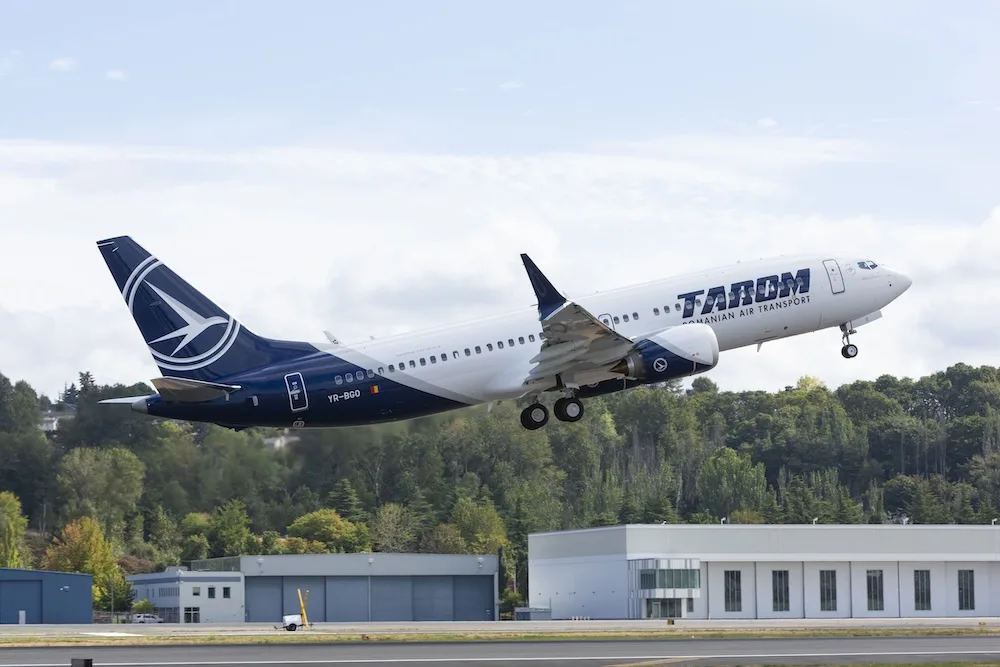
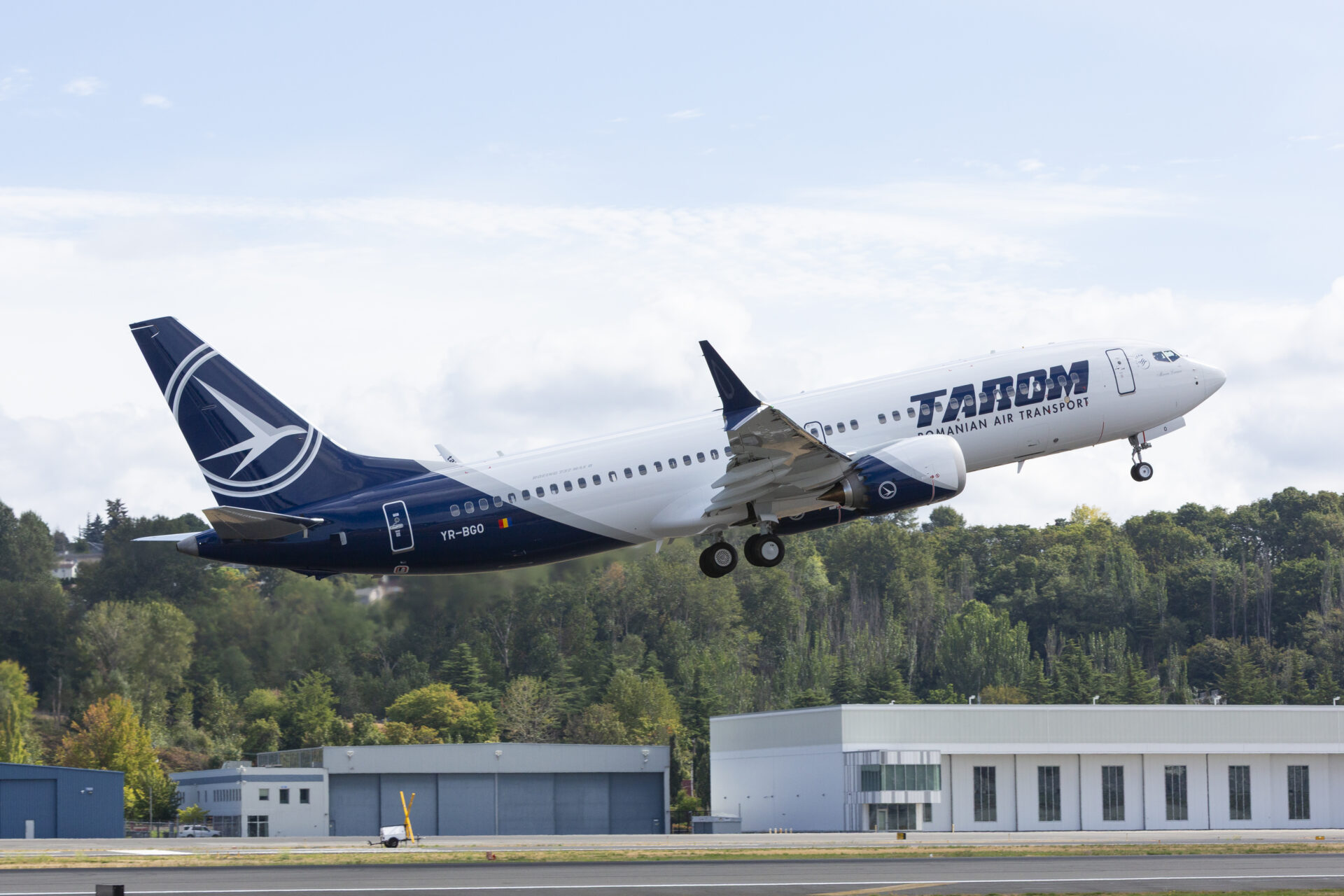
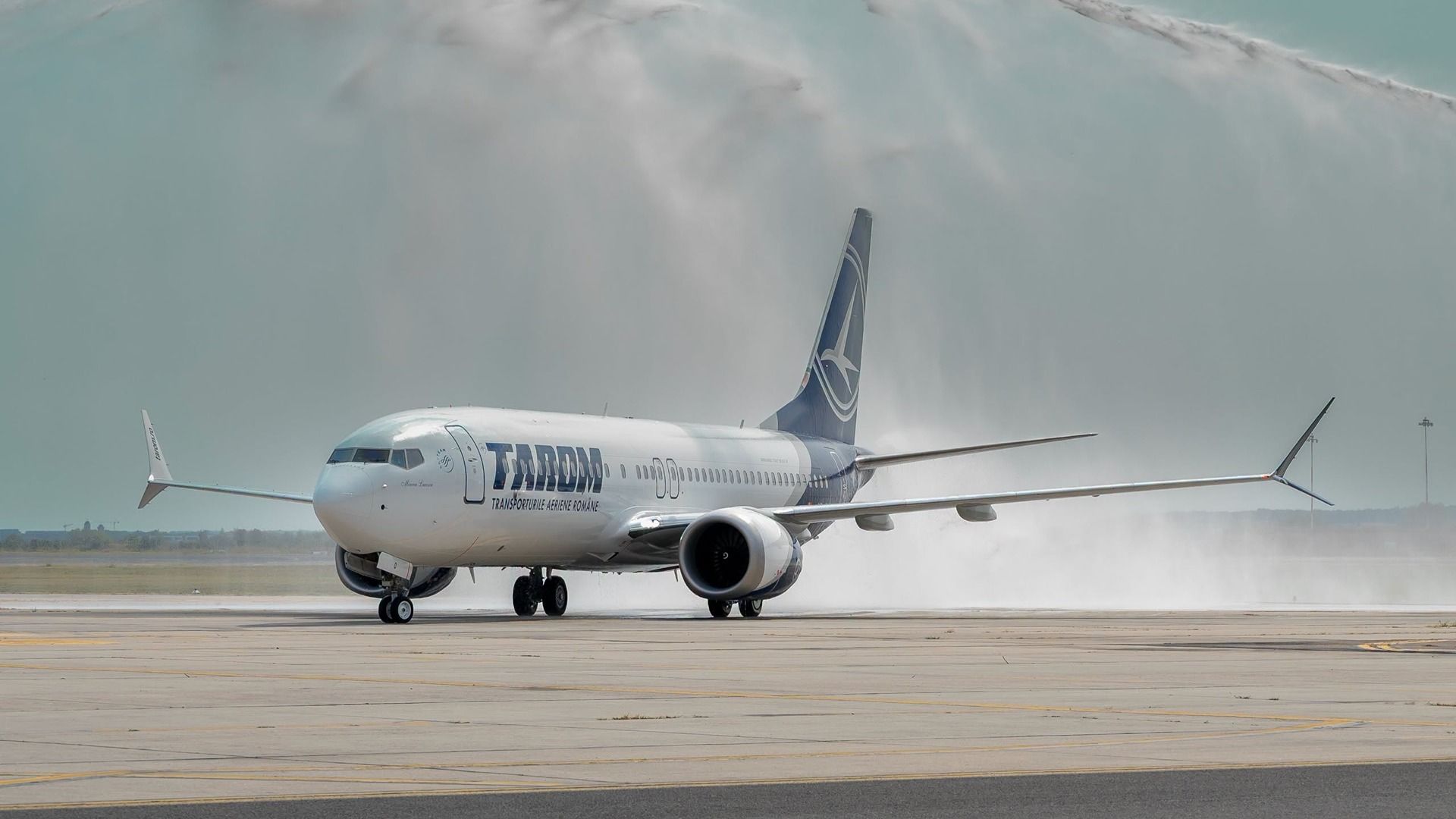
© Boeing Romania’s national carrier TAROM has taken delivery of its first Boeing 737-8, marking the introduction of the 737 MAX family into its fleet. The delivery was celebrated in Bucharest on September 12, 2026, and, according to Boeing’s announcement, it is also the first aircraft of this type in Romania. The aircraft is the... The post TAROM takes delivery of its first Boeing 737 MAX appeared first on AvioRadar .

Boeingneutral
Sep 13, 2026 · byAvioRadar
TAROM receives Romania’s first Boeing 737 MAX

TAROM receives Romania’s first Boeing 737 MAX

TAROM has taken delivery of its first Boeing 737-8, making it the first Romanian airline to operate a 737 MAX. The aircraft represents an important step in the flag carrier’s restructuring and fleet-modernisation programme. Named Mircea Lucescu, the aircraft is the first of two 737-8s leased from CDB Aviation. They will help renew TAROM’s single-aisle […]

Boeingneutral
Sep 13, 2026 · byAviation24.be
Russia's drone war comes to Moldova and Romania

Russia's drone war comes to Moldova and Romania

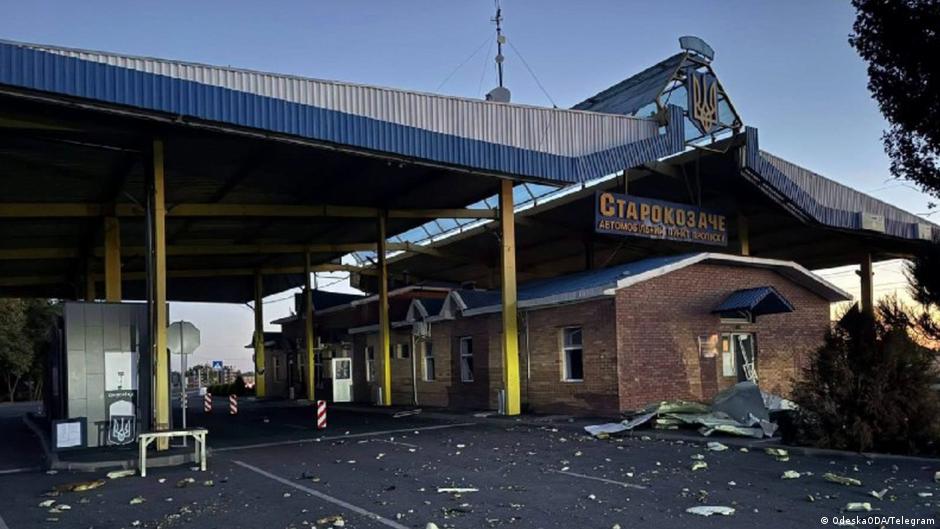
Incursions by Russian drones into Moldovan and Romanian airspace are increasingly common. This week the Ukrainian president's plane was stopped from taking off from Chisinau. Observers suspect the attacks are deliberate.

Sep 12, 2026 · byDeutsche Welle
Tony Gatlif obituary

Tony Gatlif obituary

Algerian-born French director of more than 20 films that celebrated Roma culture The French film director Tony Gatlif, who has died aged 77, was regularly described as “cinema’s Gypsy auteur”, so often did his films focus on Roma communities and their music. Between 1975 and 2025, Gatlif directed more than 20 films, beginning with La Tête en Ruine (The Ruined Head). That film was never released, and he struggled throughout the 1970s and 80s to get funding for his films, and then to find a distributor, before finally breaking through with Latcho Drom (1993, the title being Romany for “good journey”). An international arthouse hit, Latcho Drom is a meditative travelogue that blends footage of staged musical performances in contemporary Roma communities in Istanbul, Romania, Hungary, Slovakia, France and Spain, with historic recreations of such communities in Rajasthan and an Egyptian oasis. Latcho Drom conveys the centuries-long migration from Asia to western Europe of a nomadic people we now call Gypsies or Roma, as a fable told entirely in images and music. There is no voiceover, talking heads or text; instead Gatlif lets the striking settings and musical performances enchant viewers. It is an idealised portrait of the Roma, not a documentary (as some labelled it), and while Gatlif portrays the discrimination and persecution Roma communities experience, his emphasis was on celebrating Roma beauty and artistry. Continue reading...

Sep 10, 2026 · byThe Guardian