← News
Topic · Event

COVID-19

29 articles

See also
📰

Latest COVID-19 articles

Evaluation of the European Union’s humanitarian interventions in Afghanistan (2020-2024) : Final evaluation report

Evaluation of the European Union’s humanitarian interventions in Afghanistan (2020-2024) : Final evaluation report

Country: Afghanistan Source: European Commission's Directorate-General for European Civil Protection and Humanitarian Aid Operations Please refer to the attached file. This evaluation assesses the EU’s humanitarian response in Afghanistan (2020–2024), covering three successive crises: COVID-19, the August 2021 Taliban takeover, and entrenched structural constraints from 2023. DG ECHO disbursed approximately €771 million through 33 partners delivering outcomes on food security, health, nutrition, protection, education, WASH, cash assistance, and coordination. DG ECHO demonstrated strong strategic relevance, adapting priorities across all three phases while sustaining focus on women, girls, and previously-unreached populations. Humanitarian principles were actively upheld. Operationally, flexible mechanisms enabled rapid disaster response, and multi-year, multi-sector actions improved cost-efficiency. However, the De facto Authorities’ (DfA) restrictions on women, girls, and female aid workers created irreducible coverage gaps for humanitarian action with particular needs in protection, and education. The humanitarian-development nexus remained fragmented due to withdrawal of development funding, with humanitarian action overstretched and durable solutions underfunded. DG ECHO's sustained in-country presence and neutral identity generated distinctive added value. The evaluation’s seven recommendations address field presence, gender-adaptive budgeting, results frameworks, protection mainstreaming, cluster coordination, humanitarian-development role delineation, and resilience tracking.

Oct 6, 2026 · byReliefWeb
Court declines to hear cases on “Let’s Go Brandon” sweatshirts, felons’ Second Amendment rights, COVID-19 vaccine mandates, and other notable issues

Court declines to hear cases on “Let’s Go Brandon” sweatshirts, felons’ Second Amendment rights, COVID-19 vaccine mandates, and other notable issues

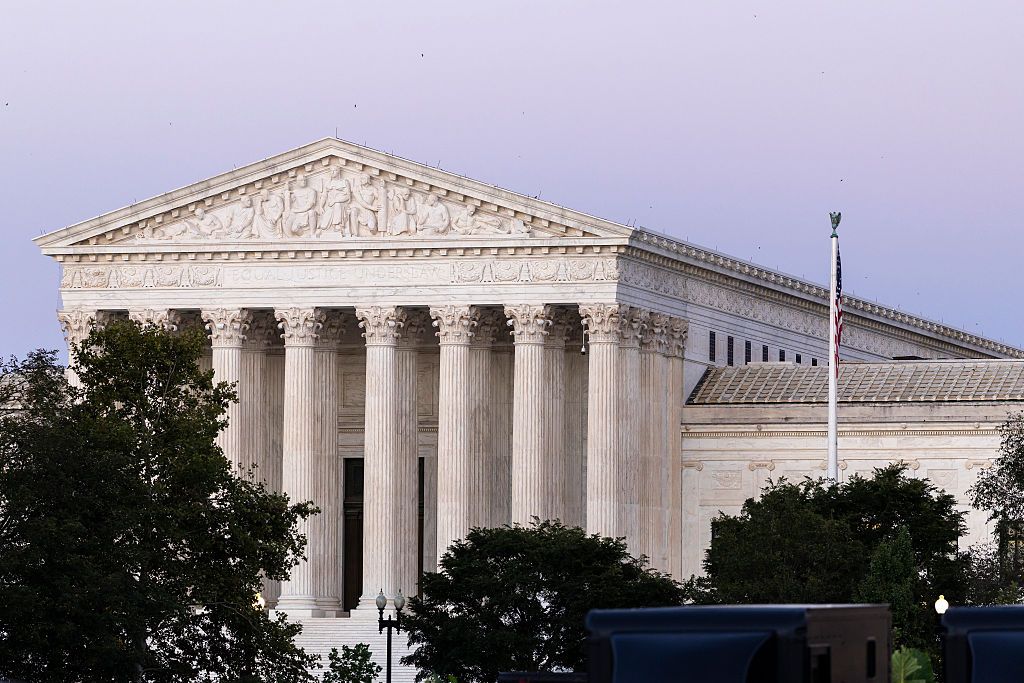
Before the justices took the bench on Monday for the first oral arguments of the 2026-27 term, the Supreme Court issued a list of orders from the justices’ private conference on Sept. 28, where they considered petitions for review that built up during the summer recess. As it does each year, that “ long conference ” produced a lengthy list of denied petitions. The justices denied review in hundreds of cases, including a high-profile dispute over whether schools may bar students from wearing sweatshirts printed with the phrase “Let’s Go Brandon,” a clash over the Second Amendment rights of convicted felons, and two battles over COVID-19 vaccine mandates. In Monday’s order list, the justices also asked the United States solicitor general to share the government’s views on several cases and sent several others back to the lower courts for reconsideration in light of rulings from last term. For example, in Mullin v. National TPS Alliance , the Supreme Court ordered a federal appeals court to take another look at its decision on Venezuelans’ and Haitians’ participation in a program that allows foreign nationals to remain in the U.S. and work here when they cannot safely return home after the court held in June that the federal law creating the Temporary Protected Status program generally bars courts from reviewing the administration’s program-related decisions. “Let’s Go Brandon” In the “Let’s Go Brandon” case, D.A. ex rel. B.A. v. Tri County Area Schools , the court had been asked to address the constitutionality of a school’s ban on clothing bearing the phrase, which is used as a substitute for an expletive against former President Joe Biden. The dispute began in 2022, when two brothers wore the “Let’s Go Brandon” sweatshirts, which they had received from their mother for Christmas, to Tri County Middle School in Howard City, Michigan, where they were in sixth and eighth grade. After school administrators required the boys to remove the sweatshirts, they filed a lawsuit against the school district, arguing that it violated their First Amendment rights when it barred them from wearing the sweatshirts. A federal district court threw out the brothers’ claims, and a divided three-judge panel of the U.S. Court of Appeals for the 6th Circuit upheld that ruling . Writing for the majority, Judge John Nalbandian explained that, as a general rule, courts should give “some deference” to a school district’s decisions about what student speech is vulgar. “And here the uncontroverted origin of the slogan shows a plainly vulgar meaning,” Nalbandian stated. That vulgar meaning, Nalbandian continued, “trumps politics. And the protection for political speech doesn’t give a student carte blanche to use vulgarity at school—even when that vulgarity is cloaked in innuendo or euphemism.” The brothers came to the Supreme Court in March, asking the justices to take up their case. They argued that the lower court’s decision “poses a stark threat to the First Amendment rights of millions of public school students. It licenses individual teachers and administrators to banish nondisruptive political speech containing sanitized expressions if it clashes with their personal notion of ‘vulgarity.’” The pair pointed to the court’s 1986 decision in Bethel School District v. Fraser , in which the court held that the First Amendment does not bar a school from disciplining a high school student for giving a speech at a school assembly in which he referred to another student whom he was nominating for a student office “in terms of an elaborate, graphic, and explicit sexual metaphor.” The First Amendment, the court said, allows school officials to conclude that “to permit a vulgar and lewd speech such as” the student’s “would undermine the school’s basic educational mission.” The courts of appeals, the brothers contended in their petition to the court, have reached “diametrically opposed results” on how Fraser applies to student speech. According to them, two circuits – the 3rd and the 9th – “interpret Fraser to cover ‘plainly’ profane and sexual speech,” while the 6th Circuit in this case “embraced a far more expansive reading, allowing censorship of nondiscriminatory political speech that any single teacher or administrator ‘reasonably understands’ as vulgar.” The school district countered that although the students characterize “public schools as ‘nurseries of democracy,’” their “approach would transform those nurseries of democracy into nurseries of debauchery.” The lower court’s decision, the school district argued, is consistent with Fraser . That case, the district said, “holds that school administrators can restrict speech touching on political topics when that speech is vulgar, profane, or lewd—even when expressed in euphemisms.” By denying review, the Supreme Court left the 6th Circuit’s ruling in favor of the school district in place. Felony convictions and the Second Amendment In June, the Supreme Court ruled in United States v. Hemani that a federal law barring “habitual” drug users from having guns violates the Second Amendment, at least as it applied to a Texas man who said that he uses marijuana a few times a week. In his opinion for the court in Hemani , Justice Neil Gorsuch emphasized that “[i]n many respects, this case is a narrow one.” Among other things, Gorsuch noted, the court was not addressing the federal law “disarming individuals convicted of felonies (often including drug-related ones).” On Monday, the Supreme Court announced that it had passed on an opportunity to take up a Second Amendment challenge to that “felon in possession” statute, denying review in United States v. Hembree . That case involved Charles Hembree, who in 2018 was convicted of possession of methamphetamine. Four years later, he was charged with, and eventually pleaded guilty to, being a convicted felon in possession of a gun. He was sentenced to six months in prison and three years of supervised release. On appeal, Hembree argued – and the U.S. Court of Appeals for the 5th Circuit agreed – that (at least as applied to him) the federal law barring individuals who have been convicted of felonies from having a gun violates the Second Amendment because the government cannot show, as the Supreme Court’s precedents require, that there was a historical tradition of disarming people based on their convictions for simple drug possession. The federal government came to the Supreme Court in April of this year. It asked the court to hold Hembree’s case until it issued its decision in Hemani and then, “if appropriate,” send the case back to the lower court for another look in light of that ruling. After the Supreme Court handed down its Hemani decision on June 18, Hembree urged the justices to leave the 5th Circuit’s ruling in place. “The decision in Hemani does not affect the outcome here,” he wrote, because it “says nothing about nonviolent felons being categorically and permanently disarmed.” COVID-19 vaccine mandates Federal law prohibits employers from discriminating against workers for practicing their religion unless the employer can show that the worker’s religious practice cannot “reasonably” be accommodated without “undue hardship.” Three years ago, in Groff v. DeJoy , the Supreme Court ruled an “undue hardship” is one that imposes a “substantial” burden “in the overall context of an employer’s business.” On Monday, the Supreme Court denied review in Petersen v. Snohomish Regional Fire and Rescue , a dispute over the standard that employers must meet to justify denying an employee’s request for a religious accommodation. The case stems from the mandate, imposed by Washington state in 2021, that healthcare workers be vaccinated for COVID-19. The plaintiffs, eight firefighters for Snohomish Regional Fire and Rescue, requested an accommodation from that requirement based on their religious beliefs, but the department determined that it could not provide the accommodation. The firefighters went to federal court in Seattle, where they argued that the department’s failure to accommodate their religious beliefs violated federal and state anti-discrimination laws. A federal judge ruled for the department, and the U.S. Court of Appeals for the 9th Circuit upheld that decision. A three-judge panel agreed that the fire department would have faced an “undue hardship” if it were required to accommodate the firefighters’ request for an exemption from the vaccine requirement. “The objective, unrebutted medical evidence shows that SRFR would have faced significant health and safety costs by allowing unvaccinated firefighters to continue working, even with accommodations,” the panel wrote. And “SRFR,” the panel continued, “could not afford to have substantial numbers of its firefighters on sick leave.” The firefighters came to the Supreme Court in April, asking the justices to weigh in. They framed the question presented by the case as whether the employer must show that the undue hardships are “real or whether good-faith but mistaken fears of such hardships” are enough. In this case, they say, they had contested the fire department’s claim that accommodating their religious beliefs with an exemption from the vaccine requirement would cause undue hardship. Among other things, they had “pointed out that SRFR did not experience any hardship either before or after the brief period in which it enforced its vaccine mandate”; moreover, they added, neighboring fire departments had provided an exemption from the vaccine mandate without any problems. The 9th Circuit, the firefighters said, along with two other circuits (the 1st and the 6th), only requires an employer to show “a ‘reasonable concern’ of an undue hardship to justify denying a religious accommodation.” By contrast, the firefighters argued, three other courts of appeals – the 3rd, 7th, and 8th – hold that the employer must actually “prove undue hardship arising from the accommodation.” The fire department urged the justices to deny review. It told the court that the firefighters’ contention that the courts of appeals are divided over the question presented by their petition for review is overblown. The department also contended that this would not be a good case to consider the question presented because the evidence that the firefighters “say the Ninth Circuit should have considered under a proper application of Groff is inadmissible because it was not based on [their] personal knowledge, consisted of hearsay, and offered medical opinions [they] were not qualified to assert.” The justices also denied review in Roberts v. Ferguson , a separate dispute on COVID-19 vaccine rules in Washington state. In their petition for review , former employees of Shriners Hospitals for Children had urged the Supreme Court to take up their case and hold that the state and health system violated the 14th Amendment when they required health care workers to be vaccinated against COVID-19 because the mandate “required consent under coercion” and involved vaccines that had not been fully reviewed and approved by the FDA. Monday’s denial leaves in place a 9th Circuit ruling dismissing the former employees’ case. Other notable denials Other notable denials of review on Monday included: Thompson v. Wilson , in which a lobsterman in Maine, Frank Thompson, had asked the justices to hold that a state rule requiring federally permitted lobstermen to carry a tracking device on their vessels that collects location data once per minute anytime the vessels are in use, violates the Fourth Amendment’s ban on “unreasonable searches and seizures.” Reel v. North Carolina , on whether “knock and talk” visits – during which investigators visit a potential suspect’s home and knock on the door, hoping to draw the individual into a revealing conversation or be invited inside – constitute a search within the meaning of the Fourth Amendment. N.R. v. Ellison , in which the former foster parents for Indian fraternal twins challenged the constitutionality of the Indian Child Welfare Act and Minnesota Indian Family Preservation Act . Balwani v. United States , involving Elizabeth Holmes’ co-defendant and former romantic partner, Ramesh Sunny Balwani. Balwani urged the court to review a federal appeals court’s handling of his claims that his trial involved false testimony and that the trial court failed to guard against prosecutors’ reliance on false testimony. Roof v. U.S. District Court for the District of South Carolina , in which Dylann Roof, who was convicted of killing nine Black churchgoers during a mass shooting at Emanuel African Methodist Episcopal Church in 2015, contended that the federal district judge that presided over the proceedings in his case had not acted impartially. Moore v. Senate Majority PAC , in which Roy Moore, the former chief justice of the Alabama Supreme Court, appealed a ruling from the U.S. Court of Appeals for the 11th Circuit that prevented him from collecting a $8.2 million jury award in his defamation case against Senate Majority PAC over a campaign ad that said he had “solicit[ed] sex from young girls.” Mulkey v. Alabama , involving Steven Richard Mulkey, who is on death row in Alabama. Mulkey asked the court to take up his case and hold that the trial court judge had violated his right to an impartial jury by publicly sanctioning a prospective juror in front of other prospective jurors. Justice Sonia Sotomayor wrote a statement respecting the denial, in which she concurred in the denial but emphasized that “judges should limit exposing a jury to collateral proceedings, particularly when those proceedings might frighten or intimidate the jury.”

Oct 5, 2026 · bySCOTUSblog
Blind UAE student wins excellence award after missing three years of school and joining mainstream class

Blind UAE student wins excellence award after missing three years of school and joining mainstream class

Ras Al Khaimah: After a three-year break from her studies, Shivna Baruthipara Siddiq, a student who is blind, crowned her return to education by winning the Ras Al Khaimah Award for Educational Excellence in its 20th edition, in the category of outstanding student with special needs. Shivna was able to complete her education up to the 11th grade, achieving academic results that exceeded 70% in some subjects, in addition to showcasing her talents in reciting poetry, public speaking, storytelling, and singing in three languages, overcoming the difficulties of blindness, interruption of education, and adapting to studying in a regular school. Shivna began her educational journey at a specialised school in India, where she continued her studies until the fourth grade, before stopping her education during the COVID-19 pandemic. She was out of school for three years, during which she did not complete the fifth, sixth and seventh grades. Later, she returned to the classroom in the UAE, enrolling directly in the eighth grade at the Ideal English School in Ras Al Khaimah. She faced a new challenge: keeping up with the curriculum and adapting to an educational environment that included sighted students, after years of studying at a specialised educational institution. Her teacher, Akhila Santosh, said that Shivna was the only blind student in the school when she enrolled, noting that her return to education was not easy, especially since she moved to the eighth grade without completing three grades, which required double the effort to adapt to the new curriculum and make up for the years of interruption, in addition to integrating into classrooms and school activities. She added that the school treated Shivna like her classmates, and made sure to provide her with opportunities to participate in various programmes, events and competitions, without her blindness being an obstacle to her participation. She explained that she faced difficulties at the beginning, but she showed determination to learn, and gradually began to participate in activities, until she became one of the students who were keen to attend and compete in school programmes. Santosh explained that despite the challenges she faced, Shivna managed to pass the 10th grade according to the curriculum of the Central Board of Secondary Education of India (CBSE), and move on to the eleventh grade, after achieving academic results that exceeded 60% in her subjects. She reached more than 70% in some of them, considering that this progress represents an important achievement for a student who returned to education after a long interruption, and had to keep up with an advanced academic level, compared to the stage at which she stopped. Her teacher pointed out that Shivna has multiple talents that are not limited to academics, as she has excelled in reciting poems, telling stories, public speaking and acting, as well as singing in three languages, namely Arabic, English and Malayalam, which has enabled her to participate in various competitions and events inside and outside the school. She said that one of Shivna's most remarkable qualities is her ability to memorise quickly. She can learn a new song, memorise its lyrics and perform it within an hour or two, even if she's hearing it for the first time. Santosh noted that Shivna possesses great confidence in her abilities and is always ready to try new things whenever the opportunity arises. She added that the student's talents began to emerge before she moved to the UAE, pointing out that Shivna's achievements reflect her ability to overcome the difficulties she faced. She explained that encouraging her participation in activities and providing her with opportunities to showcase her talents contributed to boosting her self-confidence and developing her skills, enabling her to participate alongside her peers in various events. Shivna's win was among 68 recipients at the 20th Ras Al Khaimah Award for Educational Excellence ceremony, organised by the Sheikh Saud Bin Saqr Al Qasimi Foundation for Policy Research, in recognition of the achievements of students, teachers, parents, and educational institutions in the emirate's public and private schools. For her part, Sumaya Al Shehhi, Director of the Ras Al Khaimah Award for Educational Excellence, said that the 20th session saw the honouring of 68 winners out of 293 nominations, across 26 categories. She noted that the award has witnessed development over the past two decades in the areas of excellence and evaluation criteria, to keep pace with the changes taking place in the educational sector.

Oct 1, 2026 · byMobile Business
Writing the Playbook: A Strategy and Doctrine for American Economic Security

Writing the Playbook: A Strategy and Doctrine for American Economic Security

In January, this article series opened with a blunt question: Economic statecraft is back, but is America ready?Driving the question, in part, was the fact that the United States had not yet articulated (at least overtly) a strategy for economic statecraft. This was despite widening recognition that nations were increasingly using economic tools like tariffs and sanctions to pursue strategic objectives. U.S. awareness was particularly elevated by the realization during COVID-19 that decades of Chinese market manipulation, predatory trade behaviors, and security vulnerabilities deployed against its markets had gone unanswered.On the eve of the nation’s 250th anniversary, Treasury Secretary Scott The post Writing the Playbook: A Strategy and Doctrine for American Economic Security appeared first on War on the Rocks .

Sep 30, 2026 · byWar on the Rocks
Growing Food Insecurity Amid the Ebola Virus Disease (EVD) Outbreak in Ituri Province, Democratic Republic of the Congo

Growing Food Insecurity Amid the Ebola Virus Disease (EVD) Outbreak in Ituri Province, Democratic Republic of the Congo

Country: Democratic Republic of the Congo Source: REACH Initiative Please refer to the attached file. KEY MESSAGES • Measures to respond to the EVD outbreak, particularly restrictions on movement, are affecting the availability of food at markets and households’ ability to access food due to rising food prices, thereby eroding purchasing power. • Local response capacities and community mutual aid systems are helping to maintain some level of food access, but emergency assistance remains necessary for the most isolated and vulnerable. • By the end of September, food security is expected to deteriorate further with the onset of the lean season, unless community mutual aid is rapidly strengthened and emergency assistance is targeting the most isolated populations. CONTEXT & RATIONALE The Democratic Republic of the Congo (DRC) is regularly affected by recurring epidemics (Ebola, COVID-19, cholera, measles, Mpox), which pose a threat to health and food security due to their impact on the livelihoods and economies of households in the affected areas. Since May 2026, the 17th Ebola virus disease (EVD) outbreak has affected 62 health zones (ZS) in the eastern region of the DRC, specifically in the provinces of Ituri, which remains the epicenter of the outbreak, North Kivu, South Kivu, and, more recently, Haut-Uele, Tshopo, Bas-Uele, and South Ubangi¹ with more than 7,258 confirmed cases and 3,510 deaths as of September 13, 2026². Against a backdrop of conflict and a fragile economy, food insecurity already affects a portion of the population and risks being exacerbated by this health crisis through the associated preventive measures. As of June 2026, 10% of Ituri’s population was facing severe food insecurity (IPC AFI P4), and just under 300,000 children (n=291,302) under the age of five were malnourished (IPC AMN P3 and P4))³. Between July 13 and 15, 2026, REACH conducted a rapid qualitative study to analyze the effects of the EVD epidemic on household food security and livelihoods, interviewing 30 key informants (26 men and 4 women) in Ituri Province, in the health zones most affected by the epidemic during the period: Bunia (n=6), Rwampara (n=6), Mongbwalu (n=6), Nizi (n=6), and Nyankunde (n=6). Information was collected from 6 farmers, 6 health workers, 5 merchants, 4 teachers, 2 civil servants, 1 humanitarian worker, and 6 community members, including 1 civil society representative, 1 motorcycle taxi driver, and 1 community leader.

Sep 30, 2026 · byReliefWeb
Top Senate Dems press HHS about delayed COVID shots for low-income children

Top Senate Dems press HHS about delayed COVID shots for low-income children

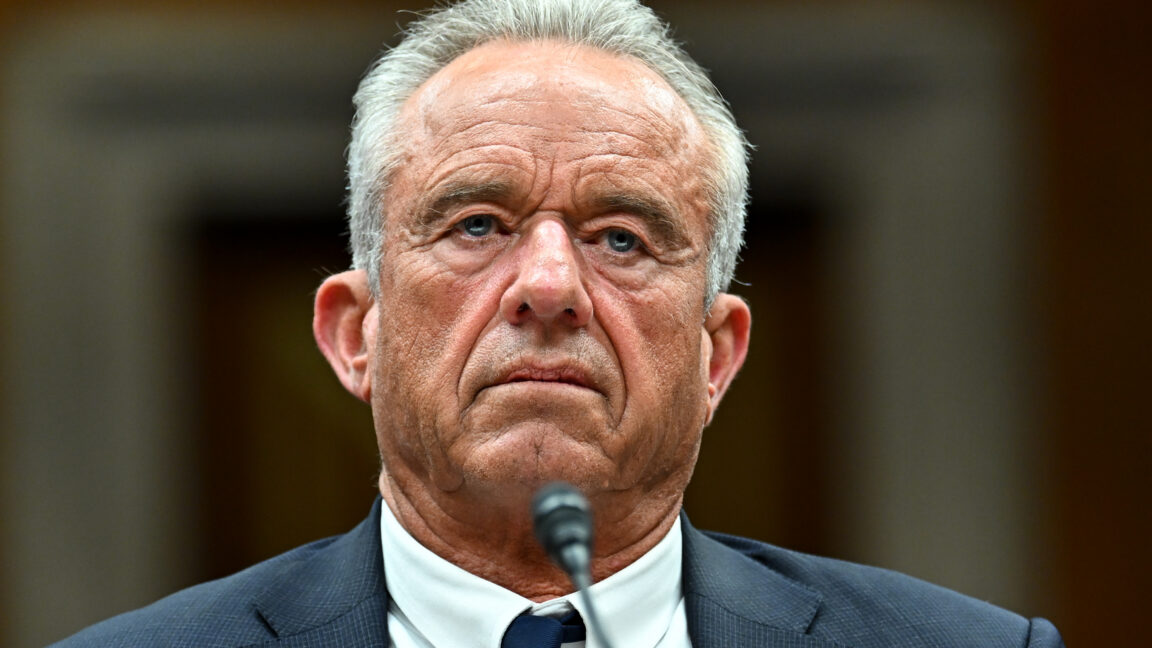
Top Senate Democrats are pressing the Department of Health and Human Services (HHS) about an apparent delay in making COVID-19 shots available through a federal program for low-income children.  In a letter to Centers for Disease Control and Prevention (CDC) Director Erica Schwartz and HHS Secretary Robert F. Kennedy Jr., Senate Minority Leader Chuck Schumer…

HHSneutral
Sep 29, 2026 · byThe Hill
📰

World leaders renew commitment to protect the world from future pandemics

Country: World Source: World Health Organization 2nd UN General Assembly High-level Meeting underscores need for global action on pandemic prevention, preparedness and response, building on lessons from COVID-19 and recent advances in international health cooperation Political leaders meeting at the United Nations General Assembly (UNGA) renewed their commitment to making the world safer from future pandemics, stressing the need for sustained and more equitable investment and action on pandemic prevention, preparedness and response (PPPR). The UNGA today held its second High-level Meeting on PPPR, following its first staged in 2023 in response to the challenges posed by the COVID-19 pandemic and gaps in global health security. Countries stressed that strengthening PPPR is not a health issue alone – it requires a whole-of-government and whole-of-society approach, with involvement of communities and all relevant sectors. Leaders recognized the progress made in the past three years to strengthen global systems to detect, prepare for and respond to pandemic threats, including adoption of the WHO Pandemic Agreement and amendments to the International Health Regulations (2005). Capacities and infrastructure for PPPR have also been scaled up with the establishment of global centres dedicated to epidemic and pandemic surveillance, sharing of pathogens, and local manufacturing of vaccines, treatments and diagnostics. Addressing today’s meeting, WHO Director-General Dr Tedros Adhanom Ghebreyesus, however, said that continued action and investment were needed to sustain progress and better prepare the world to respond to threats like COVID-19, which was linked to more than 20 million excess deaths between 2020 and 2023, and wiping over US$ 10 trillion from the global economy. "The COVID-19 pandemic exposed and exacerbated the fault lines of global health security, and taught the world many painful lessons," said Dr Tedros. "The political commitment shown today reflects those lessons, and includes important commitments to concrete, measurable and urgent action to build and strengthen local and national capacities, to invest in resilient health systems, and to expand equitable access to products, tools and resources." Countries also stressed the urgent need to successfully finalize negotiations on an annex to the WHO Pandemic Agreement to establish the Pathogen Access and Benefit-Sharing (PABS) system, which is currently being negotiated by WHO Member States. The purpose of the PABS annex is to operationalize a system for the timely sharing of pathogens with pandemic potential, and benefits arising from their use. This will enable research, development and timely and equitable sharing of vaccines, medicines, diagnostics and other health products arising from those pathogens. Adoption of the Annex at the coming World Health Assembly, in May 2027, is necessary for WHO Member States to start national consideration to ratify the WHO Pandemic Agreement. “The Pathogen Access and Benefit Sharing System, under negotiation, is critical to unlocking the full potential of the WHO Pandemic Agreement. There is no time to waste,” said Mrs Amina Mohammed, the United Nations Deputy Secretary-General, speaking on behalf of UN Secretary-General Mr António Guterres. “I call on Member States to accelerate these actions. Let’s get it done. Let’s deliver the Pandemic Agreement the world is waiting for.” The Declaration underscores that national health security can only be achieved with global solidarity, and that international cooperation is essential for protecting communities and countries from cross-border threats. Recognizing that preventing pandemics begins long before an outbreak, the declaration highlights the importance of a One Health approach that addresses the connections between human, animal and environmental health. In opening the meeting, Dr. Khalilur Rahman, President of the 81st UN General Assembly, said international cooperation was essential to protect the world from inevitable future pandemics through equitable and timely access to vaccines, diagnostics, therapeutics and other essential medical supplies, stronger health systems and closing persistent financing gaps to empower people and communities. “We have the knowledge, we have the tools, we have the science and expertise, and we have the hard lessons of COVID-19,” Dr Rahman told the meeting. “Let us use them for ourselves, our families and our loved ones. And also in memory of those we lost and in recognition of all those who suffered, needlessly.” Ambassador Amar Bendjama, President of the UN Economic and Social Council (ECOSOC), said pandemic preparedness, prevention and response were crucial for advancing the 2030 Agenda and advancing progress across the Sustainable Development Goals. “This calls for integrated and adequately financed action, with equity and sustained investment in resilient health systems, technology access, prevention and early warning,” Ambassador Bendjama said. “ECOSOC has a critical role to play in bringing together Member States, the United Nations system, and other stakeholders to strengthen policy coherence and coordinated action in this area.” As discussions continued throughout the day, leaders taking part in the HLM emphasized that prevention, preparedness and response must remain a sustained political priority, not only during crises but in the years between them. They stressed that protecting the world from future pandemics will require continued political leadership, international cooperation and long-term investment. Notes to editors The second United Nations General Assembly High-level Meeting on Pandemic Prevention, Preparedness and Response is being held on 25 September 2026 at United Nations Headquarters in New York. The meeting is reviewing progress since the 2023 High-level Meeting and considering a Political Declaration focused on strengthening pandemic prevention, preparedness and response through equity, solidarity, multilateral cooperation and sustainable investment. The declaration is expected to be forwarded to the United Nations General Assembly for further consideration. The overall theme of the High-level Meeting is on fostering a multilateral and intergenerational approach to prevent, prepare for and respond to pandemics and public health emergencies, through the principles of equity and solidarity. The Meeting also includes two multi-stakeholder panels on 1) the multilateral actions needed for stronger PPPR, and 2) how to ensure equitable access to critical tools through sustainability and predictability, including capacities and financing About WHO Dedicated to the well-being of all people and guided by science, WHO leads and champions global efforts to give everyone, everywhere, an equal chance at a safe and healthy life. We are the United Nations’ agency for health that connects nations, partners and people in more than 150 locations – leading the world’s response to health emergencies, preventing disease, addressing the root causes of health issues and expanding access to medicines and health care. Our mission is to support all countries to promote, provide and protect health. “Together for health. Stand with science”, the theme of World Health Day 2026, marks a year-long campaign to highlight science as the foundation for protecting health and well-being worldwide. Media Contacts WHO Media Team World Health Organization Email: mediainquiries@who.int

Sep 28, 2026 · byReliefWeb
Afghanistan Emergency Situation Report Issue No. 67 | August 2026

Afghanistan Emergency Situation Report Issue No. 67 | August 2026

Country: Afghanistan Source: World Health Organization Please refer to the attached file. Highlights All major infectious diseases showed a downward trend in August compared to July: AWD decreased by 23.6%, ARI pneumonia by 17.4%, suspected measles by 44.5%, suspected dengue by 41.0%, CCHF by 36.8% and COVID-19 by 9.2%. WHO-supported facilities provided 88 305 outpatient consultations, distributed 212 medical kits for 559,000 beneficiaries and trained 750 health workers across multiple specialized disciplines.

Sep 27, 2026 · byReliefWeb
Harvey Weinstein set to be sentenced again after 6-year legal odyssey

Harvey Weinstein set to be sentenced again after 6-year legal odyssey

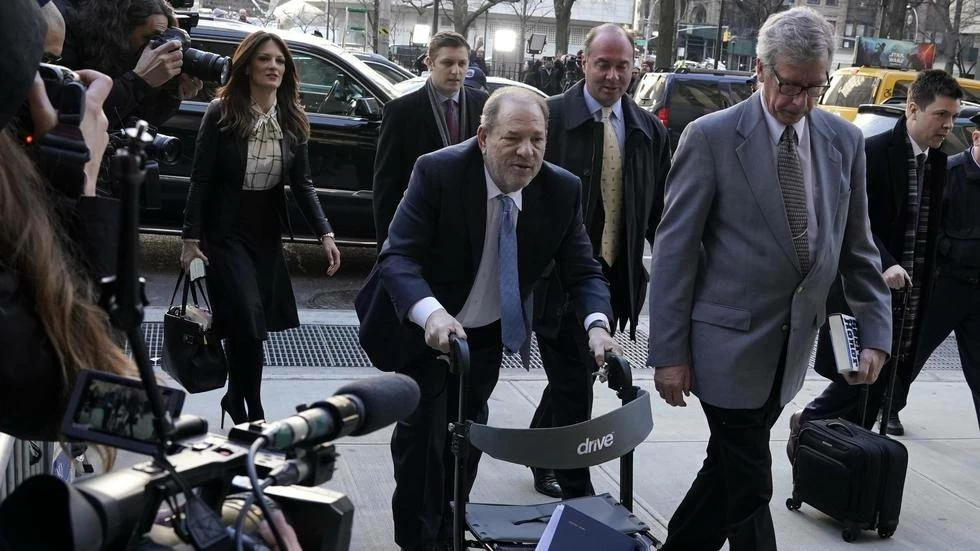
NEW YORK: The first time Harvey Weinstein was sentenced to prison, reporters, advocates and the curious public crammed the courtroom to witness the disgraced Hollywood honcho’s #MeToo reckoning. Hours later, the world began shutting down as the COVID-19 pandemic raged. Now, after an overturned conviction and two retrials, Weinstein is set to be sentenced again on Wednesday for one of the same crimes - more than six years after his first sentencing in March 2020. Weinstein, 74, faces up to 25 years in prison for sexually assaulting a one-time TV production assistant, Miriam Haley, at his Manhattan apartment in 2006. He has already served more than six years as his case has cycled again and again through the criminal justice system. Haley gave her account of the assault at two trials. "The unthinkable was happening,” Haley testified last year, dabbing her eyes. Haley, who has also gone by the name Mimi Haleyi, is planning to speak at Weinstein’s sentencing, her lawyer, Gloria Allred, said. Weinstein will also address the court, his spokesperson, Juda Engelmayer, said. The Oscar-winning "Pulp Fiction” and "Shakespeare in Love” producer was originally sentenced to 23 years in prison after a jury convicted him of assaulting Haley and raping an aspiring actress, Jessica Mann, in 2013. But New York’s highest court erased those guilty verdicts in 2024, ruling that Weinstein was prejudiced by testimony from other women whose allegations weren’t part of the case. Tried for a second time last year, Weinstein was again convicted of first-degree criminal sex act for assaulting Haley. After another retrial ended in a hung jury in May, Manhattan prosecutors dropped the rape charge rather than pursue a fourth trial after Mann said she could not bear to testify again. That decision cleared the way for Weinstein’s sentencing. Manhattan prosecutors have said they will ask for 20 years in prison - which would keep him behind bars until at least his late 80s. Weinstein’s lawyers haven’t said what sentence they’ll seek. He denies raping or sexually assaulting anyone. Once he’s sentenced, he can appeal. "I will be proven innocent. That I promise you,” Weinstein told The Hollywood Reporter in a jailhouse interview in March. Weinstein is also awaiting resentencing in a separate rape case in Los Angeles. A California appeals court upheld the 2022 conviction but threw out his original 16-year sentence because the judge had considered his New York convictions that were later thrown out as an aggravating factor. After shuffling between state prison, where he tested positive for COVID-19 early in the pandemic, and New York City’s notorious Rikers Island complex, the ailing Weinstein is now housed at a medical unit for jail inmates at Bellevue Hospital in Manhattan. His health issues in recent years have included chronic myeloid leukemia, diabetes and walking difficulties that necessitate a wheelchair to get in and out of court, his lawyers said. Two years ago, he underwent emergency surgery to remove fluid on his heart and lungs.

Harvey Weinsteincritical
Sep 23, 2026 · byMobile Business
📰

World: Norway strengthens global preparedness for future pandemics

Countries: World, Norway Source: Government of Norway Norway will contribute a total of NOK 1 billion to the next strategic period of CEPI – the Coalition for Epidemic Preparedness Innovations. The aim is to strengthen global capacity to detect and stop future epidemics and pandemics through research, innovation and the development of new vaccines. The world is better prepared to respond to new health crises today than it was before the COVID-19 pandemic. At the same time, experience from recent years has shown how important it is to maintain investments in research, preparedness, and international cooperation to respond to future disease outbreaks. ‘Pandemics have no borders. That is why we need strong international partnerships that can support the rapid development of vaccines and other medical countermeasures when new health threats emerge. CEPI is an excellent example of how countries can work together to strengthen global preparedness,‘ said Minister of International Development Åsmund Aukrust. Since its inception, Norway has been a key supporter of CEPI. The organisation was established in 2017 as an international partnership between governments, research institutions, civil society organisations and philanthropic actors to develop vaccines and other medical countermeasures against epidemics and pandemics. CEPI works to ensure that such countermeasures are available to everyone who needs them. Norway's contribution will be announced during the United Nations High-level Week of the 81st session of the United Nations General Assembly. Investing in future preparedness CEPI's new strategy, CEPI 3.0, covers the period 2027 to 2031. The strategy is designed to strengthen global capacity to prevent and respond to future epidemics and pandemics. A key objective is the so-called '100 Days Mission'. The goal is to develop, test and make safe and effective vaccines available against a new pandemic threat within 100 days of a virus being identified. This objective has been highlighted by both the G7 and G20 countries as an important element of global health preparedness. To achieve this, CEPI will, among other things, work to develop vaccines against priority disease threats, advance technologies that can be rapidly adapted to new viruses, and strengthen collaboration among researchers, public health authorities and vaccine manufacturers worldwide. ‘The COVID-19 pandemic demonstrated the critical importance of international cooperation, research and innovation in responding to global health crises. Through its support for CEPI, Norway is helping to ensure that the world is better prepared when the next serious health threat emerges,‘ said Aukrust. From research to action CEPI supports research into infectious diseases that have the potential to develop into epidemics or pandemics. The organisation works with governments, research institutions, industry and international organisations worldwide to improve preparedness and enable a rapid response when new threats emerge. The new strategic period builds on the experience gained during CEPI's first years of operation and aims to ensure that new knowledge and technologies can be put into use more quickly when the world faces new health challenges. For many years, Norway has been a strong advocate of international cooperation on global health. Support for CEPI forms part of the Norwegian Government's efforts to improve global health preparedness and contribute to a safer and better-prepared world. About CEPI CEPI (the Coalition for Epidemic Preparedness Innovations) is an international partnership working to develop vaccines and other medical countermeasures against epidemics and pandemics. The organisation brings together governments, research institutions, civil society organisations and philanthropic partners in a shared effort to strengthen global preparedness for future infectious disease threats. CEPI 3.0 is the organisation's strategy for the period 2027–2031. CEPI is headquartered in Oslo.

Sep 22, 2026 · byReliefWeb
How bacteria hijack viruses to shuffle their own DNA

How bacteria hijack viruses to shuffle their own DNA

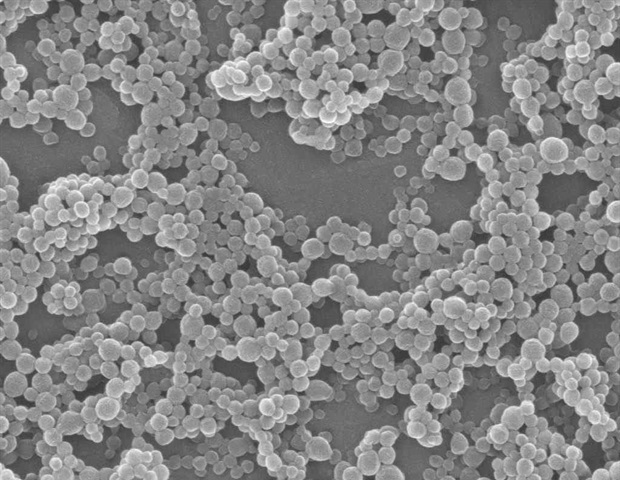
When you think of viruses, you probably think of flu-like symptoms and quarantines. Humankind has suffered from viral diseases ranging from smallpox to COVID-19, hantavirus and Ebola since the dawn of recorded history.

Sep 16, 2026 · byPhys.org