RFK Jr.'s CDC isn’t letting states order COVID-19 shots for kids, blocking access
CDCcritical
 Sep 23, 2026 · byArs Technica
31 articles
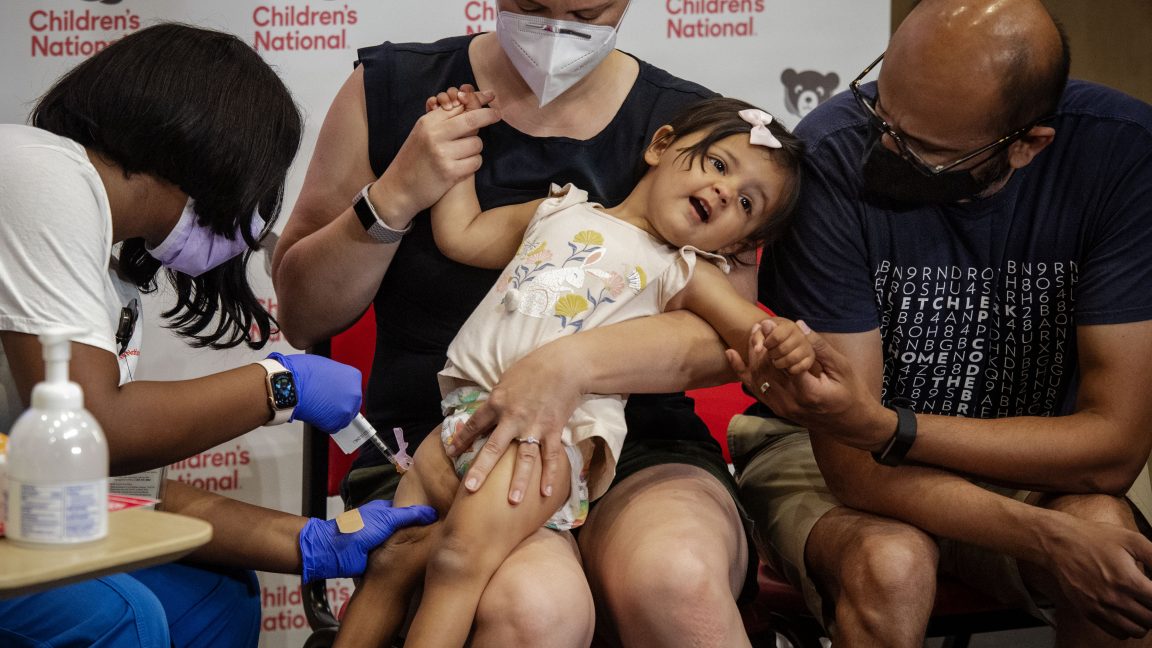
US health deptartment said it wants to ensure the vaccine orders are "appropriate."
Sep 23, 2026 · byArs Technica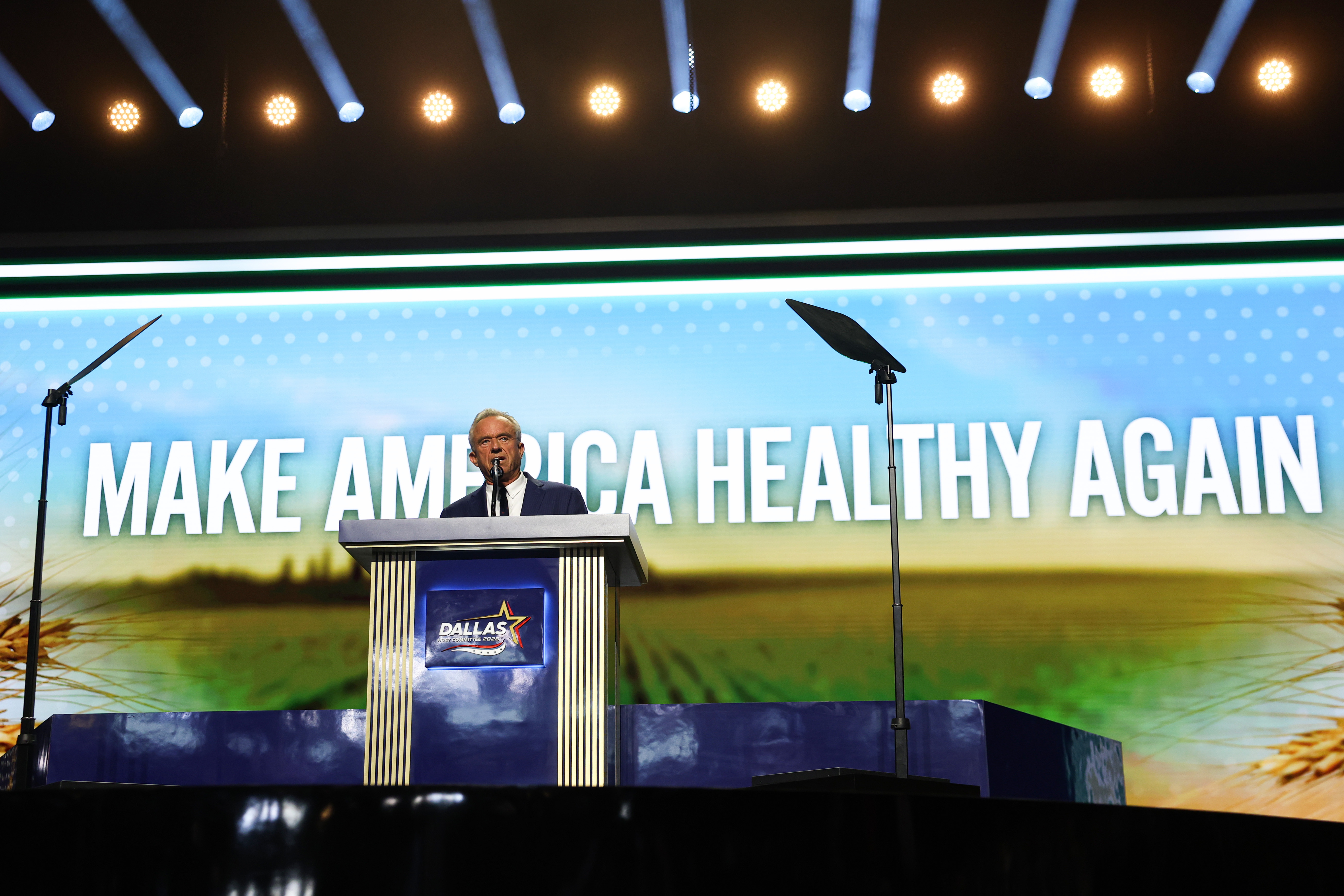
The CDC's latest report from Youth Risk Behavior Surveillance Survey highlights students' diets, sleep and mental health, which are priorities for Health Secretary Robert F. Kennedy Jr.
 Sep 23, 2026 · byNPR
The CDC's latest Youth Risk Behavior Survey highlights students' diets, sleep and nutrition, which are priorities for Health Secretary Robert F. Kennedy Jr.
Sep 23, 2026 · byNPR
Centers for Disease Control and Prevention refuses to count four measles deaths in the state though doctors are ‘seeing new forms’ of disease The US Centers of Disease Control and Prevention (CDC) updated its measles dashboard on Friday – but it’s still not counting four measles deaths in Pennsylvania, where the outbreak appears to be accelerating and cases are appearing in ways providers have never seen before. Members of Congress on Monday requested an “immediate briefing” on the decision to change how measles deaths are reported as cases continue to rise throughout the United States, reaching levels not seen in decades. A possible measles exposure was reported in the neonatal intensive care unit (NICU) at Children’s Hospital of Philadelphia last week. Continue reading...
 Sep 22, 2026 · byThe Guardian
CDC and NIH leaders discuss the priorities and challenges in running their respective agencies at Health Connect South event. Medscape Medical News
 Sep 21, 2026 · byMedscape
Countries: Democratic Republic of the Congo, Uganda Source: Africa Centres for Disease Control and Prevention Please refer to the attached file. Addis-Abeba, Éthiopie, 17 septembre 2026 – Quatre mois après la désignation comme urgence de santé publique de sécurité continentale (USP-SC/PHECS) de l’épidémie d’Ebola causée par le virus Bundibugyo en République démocratique du Congo, le Groupe consultatif d’urgence (Emergency Consultative Group, ECG) d’Africa CDC a achevé son évaluation scientifique indépendante et formulé ses recommandations pour la prochaine phase de la riposte. Après examen des dernières données épidémiologiques, opérationnelles et scientifiques, l’ECG appelle à un optimisme prudent. Les baisses du nombre de cas et de décès dans certains foyers, notamment en Ituri, sont encourageantes, mais la situation reste hétérogène, avec des hausses dans certaines zones de santé, en particulier au Nord-Kivu. Les données disponibles ne permettent pas encore de confirmer que le pic de l’épidémie a été atteint. Le Groupe recommande donc de maintenir le statut USP-SC/PHECS, d’intensifier la riposte, de consolider les acquis, de réduire les décès communautaires persistants et les lacunes dans l’identification des contacts, de renforcer l’appropriation communautaire, et de protéger et rétablir les services de santé essentiels. Transmission : Les baisses observées dans certains foyers, notamment en Ituri, sont encourageantes, mais la transmission active et les hausses enregistrées dans certaines zones de santé, en particulier au Nord-Kivu, ne permettent pas encore de confirmer que le pic de l’épidémie a été atteint ni que la transmission a été durablement interrompue. Niveau de maîtrise : La transmission n’est pas encore maîtrisée de manière constante dans l’ensemble des zones touchées. Les décès communautaires persistants, les lacunes dans l’identification des contacts et la perturbation des services de santé essentiels restent des préoccupations majeures. Surveillance : Une surveillance renforcée doit être maintenue dans les zones de santé touchées, nouvellement touchées et celles où la transmission réapparaît, avec un renforcement rapide des capacités de riposte dès la détection de nouvelles infections. Vaccination : Poursuivre les études observationnelles et autres études vaccinales, renforcer le consentement éclairé sur l’incertitude du niveau de protection contre le virus Bundibugyo, et continuer à produire des données d’efficacité et de sécurité dans le cadre des protocoles approuvés. Statut USP-SC/PHECS : Maintenir la désignation USP-SC/PHECS et la coordination continentale, tout en suivant les progrès selon des critères clairement définis en vue d’une éventuelle désescalade. Priorités immédiates : Intensifier la riposte, en particulier au Nord-Kivu ; réduire d’urgence les décès communautaires ; renforcer l’identification et le suivi des contacts ainsi que la qualité des données ; approfondir l’appropriation communautaire ; et accélérer le rétablissement des services de santé essentiels. Le Groupe a évalué à la fois l’évolution de l’épidémie et la solidité des données étayant chacune de ses conclusions. L’ECG appelle à un optimisme prudent. Les tendances observées dans certaines zones de santé, notamment en Ituri, sont encourageantes, mais elles ne sont pas uniformes et la transmission reste active dans certaines parties des zones touchées. Cette évaluation tient compte de la diminution des cas et des décès dans certains foyers, ainsi que de l’amélioration des capacités de laboratoire, de prise en charge, de surveillance communautaire, de suivi des contacts et d’autres capacités de riposte, tandis que les hausses observées dans certaines zones de santé, en particulier au Nord-Kivu, nécessitent le maintien d’une riposte intensive. Les données disponibles ne permettent pas encore de confirmer que le pic de l’épidémie a été atteint. Le Groupe met en garde contre toute interprétation des baisses à court terme comme une interruption durable de la transmission. De nouvelles infections et la réapparition de cas dans des zones de santé qui avaient montré des signes d’amélioration exigent une vigilance soutenue jusqu’à ce qu’une interruption durable soit démontrée dans l’ensemble des zones touchées. L’ECG conclut que la transmission n’est pas encore maîtrisée de manière constante dans l’ensemble des zones touchées et que les acquis actuels restent fragiles si les interventions sont relâchées trop tôt. Le Groupe relève des progrès dans les capacités de riposte, tout en soulignant plusieurs préoccupations persistantes : les décès communautaires représentent encore environ 60 % des décès signalés, des lacunes subsistent dans l’identification des contacts et l’exhaustivité des listes, et l’épidémie continue de perturber les services de santé essentiels. Il recommande de maintenir et d’intensifier la riposte, de protéger les acquis en matière de capacités de laboratoire et de traitement, de surveillance communautaire et de suivi des contacts, et d’éviter tout relâchement prématuré des interventions tant que la transmission reste hétérogène. L’ECG appelle à renforcer l’identification et le listage des contacts, en soulignant que des pourcentages élevés de contacts suivis peuvent masquer des lacunes dans l’identification initiale et l’exhaustivité des listes de contacts. Le Groupe recommande de donner la priorité à la qualité, à l’exhaustivité et à la rapidité des données, tout en maintenant une surveillance renforcée dans les zones de santé nouvellement touchées et celles où la transmission réapparaît, avec un renforcement rapide de la riposte lors de la détection de nouvelles infections. Après examen des données scientifiques disponibles, l’ECG recommande de poursuivre les études observationnelles et autres études vaccinales, ainsi que la production de données sur l’efficacité et la sécurité des vaccins utilisés ou évalués dans le cadre de la riposte. Le Groupe recommande que le consentement éclairé indique clairement que le niveau de protection contre le virus Bundibugyo reste à l’étude, en particulier pour les vaccins qui ne sont pas spécifiquement homologués contre la maladie à virus Bundibugyo. Des vaccins supplémentaires peuvent être évalués conformément aux protocoles d’étude approuvés. L’ECG recommande qu’Africa CDC, le Gouvernement de la République démocratique du Congo et les partenaires de la riposte accordent la priorité aux actions suivantes : Maintenir le statut USP-SC/PHECS. Maintenir la désignation USP-SC/PHECS ainsi que la riposte et la coordination à l’échelle continentale, tout en suivant les progrès selon des critères clairement définis en vue d’une éventuelle désescalade. Intensifier la riposte et consolider les acquis. Poursuivre les efforts actuels et renforcer l’intensité de la riposte, en particulier au Nord-Kivu ; protéger les capacités de riposte renforcées et éviter tout relâchement prématuré des interventions tant que la transmission reste hétérogène. Réduire d’urgence les décès communautaires. Intensifier l’engagement communautaire, la détection précoce, l’orientation, l’accès rapide au traitement et les mesures de renforcement de la confiance afin de réduire les quelque 60 % de décès signalés qui surviennent dans les communautés. Renforcer l’appropriation communautaire et la redevabilité. Passer des activités de sensibilisation à une participation réelle des communautés dans la définition des priorités et la conception des interventions locales, afin de renforcer la confiance dans la surveillance, le traitement et la vaccination. Renforcer l’identification et le suivi des contacts ainsi que la surveillance. Améliorer l’exhaustivité de l’identification et du listage des contacts, la qualité et la rapidité des données, et maintenir une surveillance renforcée dans les zones de santé touchées et celles où la transmission réapparaît. Protéger et rétablir les services de santé essentiels. Accélérer la mise en œuvre de services de santé essentiels gratuits afin de rétablir la vaccination de routine, la santé maternelle et infantile, les soins prénatals, la nutrition et les autres services de soins de santé primaires perturbés par l’épidémie, et de réduire la morbidité et la mortalité secondaires. Poursuivre la production de données sur les vaccins. Continuer les études observationnelles et autres études, assurer un consentement éclairé clair sur l’incertitude concernant la protection contre le virus Bundibugyo, et produire des données d’efficacité et de sécurité dans le cadre des protocoles approuvés. « Les données nous donnent des raisons d’être prudemment optimistes, mais elles ne montrent pas encore une maîtrise constante dans l’ensemble des zones touchées. La riposte doit rester pleinement mobilisée, avec une attention urgente aux décès communautaires, à l’identification complète des contacts et à une action rapide partout où la transmission réapparaît », a déclaré le Professeur Salim Abdool Karim, Président du Groupe consultatif d’urgence d’Africa CDC. « Une interruption durable de la transmission doit être démontrée avant d’envisager une désescalade. » S.E. le Dr Jean Kaseya, Directeur général d’Africa CDC, a indiqué qu’Africa CDC donnerait suite aux recommandations de l’ECG. « La recommandation est claire : maintenir le statut USP-SC/PHECS, consolider les acquis et combler les lacunes qui continuent de coûter des vies », a déclaré le Dr Kaseya. « Africa CDC travaillera avec le Gouvernement de la République démocratique du Congo, les communautés et les partenaires pour intensifier la riposte, renforcer la surveillance et le suivi des contacts, rétablir les services de santé essentiels et continuer à produire les données nécessaires pour orienter la vaccination. » L’ECG est présidé par le Professeur Salim Abdool Karim et réunit vingt scientifiques et experts africains de haut niveau en santé publique : Membre Membre Prof. Salim Abdool Karim, Président Prof. Helen Rees Dr David Parirenyatwa Prof. Lucille Blumberg Prof. Jean-Jacques Muyembe Prof. Francine Ntoumi Prof. Rose Leke Fonbang Prof. Jean Nachega Dr Amadou Sall Prof. Oyewale Tomori Prof. Samba Sow Prof. Dimie Ogoina Prof. Abderahmane Maroufi Prof. Maha El Rabbat Prof. Samia Menif Marrakchi Prof. Fawzi Derrar Dr Sultani Matendechero Prof. Nelson Sewankambo Prof. Claude Mambo Muvunyi Prof. Agnes Binagwaho Africa CDC poursuit son travail avec le Gouvernement de la République démocratique du Congo, les communautés touchées, l’OMS et les partenaires de la riposte afin de mettre en œuvre les recommandations de l’ECG et d’adapter les opérations à l’évolution de la situation épidémiologique. ### Le Groupe consultatif d’urgence d’Africa CDC est un organe indépendant composé de scientifiques et d’experts africains de haut niveau en santé publique. Il conseille le Directeur général d’Africa CDC lors des urgences majeures de santé publique. Ses avis scientifiques ont éclairé les décisions d’Africa CDC tout au long de la riposte à Ebola. Les Centres africains de contrôle et de prévention des maladies sont l’agence de santé publique de l’Union africaine. En tant qu’institution autonome, Africa CDC soutient les États membres de l’UA dans le renforcement des systèmes de santé, l’amélioration de la surveillance des maladies et le renforcement de la préparation et de la réponse aux urgences sanitaires. Pour plus d’informations, visitez http://www.africacdc.org et suivez Africa CDC sur LinkedIn , X , Facebook , et YouTube . Demandes médias : Direction de la Communication et de l’Information publique, communications@africacdc.org
 Sep 21, 2026 · byReliefWeb
Country: Democratic Republic of the Congo Source: Médecins Sans Frontières Bunia, Democratic Republic of Congo – As the Ebola disease outbreak , caused by the Bundibugyo virus, continues to spread in the Democratic Republic of Congo (DRC) , Médecins Sans Frontières (MSF) and Epicentre, MSF’s epidemiological research centre, are launching a vaccination study, BRAVO. 1 The significant study will follow frontline workers in the Ebola response over time to assess the effect of the ERVEBO vaccine. The study is integrated into the Ministry of Health-led outbreak response. No vaccine or treatment specifically targeting Bundibugyo virus is immediately available. Conducted with the Ministry of Health, Africa CDC, the Congolese National Institute for Biomedical Research (INRB), and scientific partners, the study will document and evaluate the use of ERVEBO, the only Ebola vaccine currently available at scale. The vaccine has a well-established safety profile and has been widely used in DRC. However, it was developed and licensed for the Zaire virus of Ebola disease, not Bundibugyo virus, which is driving the current outbreak. “Although ERVEBO was not originally developed to protect against Bundibugyo, preliminary data suggest that it may offer some degree of protection against the virus,” says Dr Guyguy Manangama, epidemiologist and deputy director of operations at MSF. “In a race against time such as the one the DRC is currently facing, we must use every tool available to us.” Even partial protection could help reduce severe illness and deaths... That is precisely the purpose of BRAVO. Dr Guyguy Manangama, epidemiologist and deputy director of operations at MSF “Even partial protection could help reduce severe illness and deaths,” says Dr Manangama. “However, these potential benefits must be demonstrated scientifically. That is precisely the purpose of BRAVO.” Launched on 19 September at the World Health Organization (WHO)-run training centre for health workers in Bunia, the study will run for a period of nine to 12 months. This will include three months dedicated to vaccination and a minimum of six months of participant follow-up. It will target 20,000 frontline workers in Ituri and North Kivu provinces, a group at particularly high risk of exposure to the virus and essential to the outbreak response. The study will generate real-world data on the use of the ERVEBO vaccine and its potential effectiveness in the current outbreak context. Several vaccines specifically targeting Bundibugyo virus are under development and may become available in the coming months. Continuing and accelerating this research remains essential. In the meantime, ERVEBO is being offered as an interim measure because of its established safety profile and its approval by several leading regulatory authorities, including the United States Food and Drug Administration (FDA), the European Medicines Agency, and WHO. Participation in BRAVO and vaccination are entirely voluntary. Vaccination is an additional protective measure; it does not replace proven infection prevention and control measures. All frontline workers must continue to use protective equipment, follow safe-care procedures, and report symptoms quickly. “It is important to stress that this vaccine will not end the current outbreak,” says Dr Manangama. “However, it may offer additional protection to those most exposed, and help strengthen the response alongside other essential interventions"
Sep 21, 2026 · byReliefWeb
Rabid goats at a North Carolina petting zoo and a diseased beaver attacking a Maryland boy have set the public on edge Recent unusual incidents involving humans and rabid animals and a subsequent Centers for Disease Control and Prevention (CDC) advisory have prompted concerns about rabies, but it’s not clear if there has actually been an increase in cases of the deadly disease in the United States, experts say. In recent months, rabid beavers have attacked three people in Maryland , and hundreds of people were exposed to goats with rabies at a petting zoo in North Carolina , according to news reports. The CDC issued a health advisory on 10 September “in response to recent reports of increases in human exposures to rabid or possibly rabid animals”. Continue reading...
Sep 20, 2026 · byThe Guardian
Click in for more news from The Hill {beacon} Healthcare Healthcare The Big Story CDC director says RFK Jr. has final say In her first interview since taking leadership of the Centers for Disease Control and Prevention, Erica Schwartz told Atlanta News First that she isn’t afraid to disagree with Health Secretary Robert F.…
 Sep 18, 2026 · byThe Hill
Pennsylvania’s health department has started the process of requesting emergency assistance from the Centers for Disease Control and Prevention (CDC) to help control a deadly and rapidly spreading measles outbreak, according to a letter sent to CDC from state officials. But the request for that assistance, known as Epi-Aid, comes on the condition that the…
Sep 17, 2026 · byThe Hill
The CDC and officials from the US state differ over how four deaths should be classified as cases continue to spread.
 Sep 17, 2026 · byAl Jazeera
State reportedly asks for Epi-Aid support unless federal agency recognizes four local measles-related deaths Pennsylvania is seeking emergency assistance from the US Centers for Disease Control and Prevention (CDC) as a major measles outbreak spreads across the state. The state warned the request could be withdrawn unless the federal agency publicly recognizes four measles-associated deaths reported by the state. The Pennsylvania department of health has begun the process of requesting CDC emergency support known as an Epi-Aid, Reuters reported on Thursday. Continue reading...
Sep 17, 2026 · byThe Guardian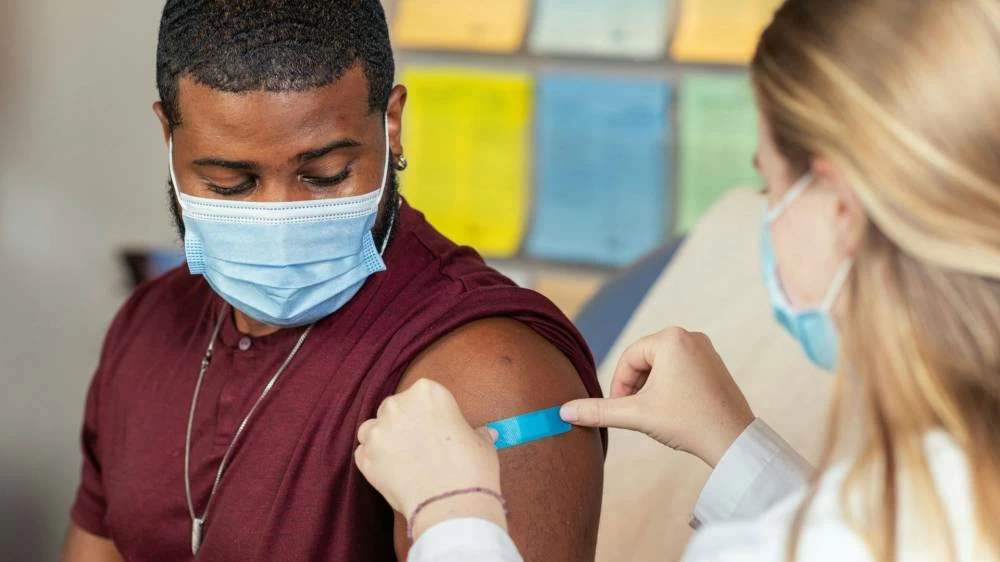
Dubai: Have you taken your flu shot yet? If not, it’s time to roll up your sleeve. Just this week, the Ministry of Health and Prevention (MOHAP) launched its 2026-2027 awareness campaign on influenza and seasonal respiratory diseases under the theme "Protect Yourself... Protect Your Community.” Flu season is about to start, and you can take protective measures, thanks to convenient facilities offered by the Dubai Health Authority (DHA). Here’s everything you need to know about the flu shot, how it helps, and where to get yours in Dubai. What is influenza (flu)? Influenza is a contagious respiratory illness caused by influenza viruses that affect the nose, throat and lungs. Every flu season is different, according to the US-based Centre for Disease Control (CDC), and the flu affects people differently. Complications from flu can be particularly serious for young children, older adults, pregnant women and people with chronic conditions. Why should I get a flu shot? Dr Rohit Jacob, Specialist Internal Medicine at Aster Clinic, Business Bay, said it’s generally recommended for everyone to take the seasonal flu vaccine, as it serves as a preventive step that reduces the chance of acquiring the flu. It also helps reduce the risk of complications, such as pneumonia, worsening asthma, and chronic obstructive pulmonary disease (COPD). Flu vaccines cause antibodies to develop in the body about two weeks after vaccination, according to the CDC – these antibodies provide protection against illnesses. Dr Rohit Jacob, Specialist Internal Medicine at Aster Clinic, Business Bay. Picture credit: Supplied Dr Jacob said: “The flu vaccine is updated each year to target the influenza strains expected to circulate that season. It may not prevent every infection, but it significantly lowers the likelihood of getting flu, and can make illness less severe if infection does occur. It also reduces transmission within households, workplaces and schools, thus helping protect those who are more vulnerable.” The flu shot needs to be taken every year because flu strains change, and “last year’s protection does not automatically mean a lifetime subscription,” added Dr Jacob. Who is eligible to receive a flu shot? In the UAE, the flu vaccine is recommended annually by MOHAP for everyone aged six months and above, provided they do not have a medical contraindication. The vaccine is especially important for the following categories of residents: Children aged six months to five years Adults aged 65 years and above Pregnant women People living with diabetes, asthma, chronic lung disease, heart disease, kidney disease or with weakened immunity Healthcare workers Anyone living with, or regularly caring for, high-risk family members If you are a parent of a child younger than six months, it’s worth noting that infants in this age group are too young for the vaccine. Dr Jacob advised parents, siblings and caregivers to ensure they are vaccinated, so that vulnerable infants in their households are, in turn, protected. When is the ideal time to get a flu shot? For most people, September and October are the best times to be vaccinated against influenza, according to the CDC. The same is true for UAE residents. Dr Jacob said: “The reason is that it takes around two weeks after the vaccination for the body to develop its protective immune response, so receiving it early provides protection before flu activity increases during the autumn and winter months. However, it is still worthwhile later in the season. If someone misses September or October, they should not wait until the following year. Vaccination can continue while influenza viruses are circulating.” How can I book a flu shot? You can make an appointment for a flu shot through the DHA’s website or app, and complete the appointment at a primary health care centre. Alternatively, you can opt for walk-in services at Smart Salem, which is a DHA-authorised centre. Book an appointment via DHA Follow these steps to make an appointment to get your flu shot at a DHA primary health care centre: Visit DHA’s website at dha.gov.ae or download the DHA app from the Google Play Store and Apple App Store. Sign in with your UAE PASS. Navigate to ‘Book Appointments’ and select ‘Flu vaccination appointment’. Select the location of a preferred health care centre, as well as the time and date you would like to schedule your appointment. You can see a list of health care locations here: dubaihealth.ae/service/vaccination-services Confirm the booking. On the appointment date, you can pay for your flu shot at your selected health care centre, and complete the process. Fee : Dh50 plus VAT Book via Smart Salem for walk-in services Follow these steps to make an appointment to get your flu shot at a Smart Salem centre: Visit Smart Salem’s website at smartsalem.ae. Navigate to ‘Services’, select ‘Vaccinations’ and then ‘Flu Vaccinations’. You can pay for your flu shot and book online, by selecting ‘Add to Booking’. Enter your personal details, such as your full name, email address and phone number. Pay the fees. You will receive a booking confirmation on your email address and via SMS notification. Once your payment is approved, you can visit any Smart Salem centre at a time that suits you. Remember to take along your booking confirmation number, mentioned on the receipt, to the appointment. Fee : Dh150
The Pennsylvania health department said it was requesting emergency support from the US CDC as it grapples with one of the country's largest and most deadly measles... Reuters Health Information
Sep 17, 2026 · byMedscape
Dubai: The air is nearly fully saturated today, as relative humidity (RH) reaches 95% in coastal regions of the UAE, such as Abu Dhabi and Dubai. According to the National Centre of Meteorology (NCM), today’s weather will be fair to partly cloudy eastward. Why you feel like you can’t cool down easily Humidity is on the rise, and will peak at 95% along coastal regions by night, and at 90% in internal areas, according to the NCM. High humidity during warm weather can cause you to feel clammy and uncomfortable because sweat doesn’t evaporate easily, hindering the body’s cooling mechanism. According to the US-based Centres for Disease Control and Prevention (CDC), prolonged exposure to high humidity can lead to dehydration and heat exhaustion, along with respiratory issues, which can be especially concerning for those with asthma. The NCM advises limiting outdoor activities in such conditions, staying hydrated, and dressing in cool fabrics. If you’re indoors, use dehumidifiers and air conditioning to help remove excess moisture from the air. With higher humidity, the NCM is also forecasting a high chance of fog formation tonight and tomorrow morning. Be cautious when driving, as horizontal visibility may drop considerably in such conditions. Warm weather Temperatures are holding steady in the low-40s across the UAE. According to the NCM, coastal and island regions will experience highs between 38°C and 43°C, while internal regions will be warmer, at 41°C to 46°C today. Abu Dhabi will reach 42°C today, while Dubai and Ras Al Khaimah will experience 41°C temperatures. Sharjah, Ajman, Fujairah and Umm Al Quwain will see a high of 38°C. Moderate sea conditions The NCM forecasts light to moderate southwesterly to northwesterly winds, freshening at times, and reaching speeds of up to 30km/h. Both the Arabian Gulf and the Sea of Oman are expected to remain calm, with gentle waves reaching up to two feet on-shore and up to three feet off-shore. Here is the complete breakdown of minimum and maximum temperatures across the Emirates today: Maximum Temp (°C) Minimum Temp (°C) Dubai 41°C 29°C Abu Dhabi 42°C 28°C Al Ain 43°C 28°C Sharjah 38°C 27°C Ajman 38°C 28°C Fujairah 38°C 29°C Ras Al Khaimah 41°C 27°C Umm Al Quwain 38°C 29°C Liwa 43°C 30°C

Adults who experience frequent fatigue are more likely to have symptoms of depression and anxiety

House Democrats on the Energy and Commerce Committee are demanding answers from the Centers for Disease Control and Prevention regarding the agency’s refusal to accept Pennsylvania’s reporting of two measles deaths, the first in 35 years. The committee’s ranking member Frank Pallone, Jr. (D-N.J.) sent a letter to new agency director Erica Schwartz, calling for…
Sep 15, 2026 · byThe Hill
All deaths occurred in Pennsylvania, in worst year since 1992 for one of the most contagious diseases Pennsylvania health officials said a fourth person had died of measles-associated illness in the worst year for the disease since 1992 . All four US deaths have occurred in the state. Due to the Trump administration changing how it reports measles deaths, the Centers for Disease Control and Prevention (CDC) does not count any of the deaths in its national tally. Three people died in 2025. Continue reading...
Sep 15, 2026 · byThe Guardian
Country: Democratic Republic of the Congo Sources: Global Polio Eradication Initiative, Government of the Democratic Republic of the Congo, World Health Organization Please refer to the attached file. Points saillants de la Semaine 36/2026 Cas de PFA notifiés et reçus au laboratoire à la semaine 36: 40 cas de 2026 Isolats envoyés vers NICD pour séquençage dans la semaine : 13 isolats envoyés en séquençage et 48 en attente pour le résultat de séquençage ( 42 pour PFA et 6 isolats environnementaux); Isolats envoyés vers CDC pour séquençage dans la semaine : Néant Examens de suivi au 60ème jour réalisés au cours de la semaine : 9 cas (Kasai Central 1, Lualaba 1, Maniema 1, Nord Kivu 4 et Sud Kivu 2)
Sep 15, 2026 · byReliefWeb
Countries: Central African Republic, Democratic Republic of the Congo Source: International Federation of Red Cross and Red Crescent Societies Please refer to the attached file. Description of the Event Date of event 17-05-2026 What happened, where and when? Between 15 and 18 May 2026, the Democratic Republic of the Congo (DRC) declared an outbreak of Ebola Virus Disease (EVD) caused by the Bundibugyo strain as a major public health emergency. This declaration was rapidly echoed by the World Health Organization (WHO) and the Africa Centres for Disease Control and Prevention (Africa CDC). At that time, the outbreak was mainly affecting three provinces in the DRC, namely Ituri, North Kivu, and South Kivu. As of 18 June 2026, a total of 33 health zones had reported confirmed cases, distributed as follows: 21 out of 36 health zones (58.3%) in Ituri; 11 out of 34 health zones (32.4%) in North Kivu; 1 health zone in South Kivu. These figures confirmed that Ituri Province remained the epicentre of the outbreak. According to WHO data available on 18 June 2026, the DRC had recorded 896 confirmed EVD cases, including 208 deaths and 78 recoveries. Cross-border transmission had also been reported in Uganda, with 19 confirmed cases, including two deaths and seven recoveries. Although the Central African Republic (CAR) had not reported any confirmed EVD cases at that time, the country remained at high risk of disease importation due to its proximity to affected areas of the DRC. This outbreak, the seventeenth recorded in the DRC and the second associated with the Bundibugyo strain, had progressively expanded towards provinces located near the CAR border, notably Haut-Uélé. Available epidemiological information indicated a high likelihood of ongoing undetected transmission in this province, which, although it does not share a direct border with CAR, represents an important population movement corridor towards the border provinces of Bas- Uélé and South Ubangi, thereby increasing the risk of regional spread. Furthermore, several public health alerts had been reported in areas close to the CAR border, including: The report of a death associated with a suspected viral haemorrhagic fever in Libenge Health Zone, South Ubangi Province, which hosts Central African refugees. A report dated 18 June 2026 from the Chief Medical Officer of Yakoma Health Zone in the DRC regarding a suspected EVD case in a locality bordering Ouango-Gambo Health District in CAR. A sample was collected and sent to the National Institute for Biomedical Research (INRB) in Kinshasa for testing, while the situation was closely monitored. In this context, although no province directly bordering CAR had been affected at that stage, the combination of proximity to areas of probable transmission, intense cross-border population movements, repeated epidemiological alerts, and limited preparedness capacities fully justified the activation of a DREF preparedness operation. The operation aimed to anticipate and reduce the risk of EVD introduction and spread in CAR through proactive preparedness, community-based surveillance, and community engagement activities. A risk map illustrating the relationship between the affected provinces in the DRC and vulnerable areas in CAR was attached to support this analysis. Since the launch of the preparedness operation, seventeen suspected EVD cases have been reported and investigated in CAR. All laboratory results returned negative for Ebola Virus Disease. However, the epidemiological situation has evolved in a concerning manner over the past two months, with the outbreak progressively spreading to provinces that share a direct border with CAR. In August 2026, Bas-Uélé Province, which borders CAR, reported its first confirmed EVD case in Buta Health Zone, becoming the sixth affected province in the DRC. The confirmed case was linked to travel from Haut-Uélé Province, highlighting the persistent risk associated with population movements between affected areas and border districts in CAR. As of 19 August 2026, the epidemiological situation in the DRC reported 103 new confirmed cases and 35 new deaths. The cumulative number of cases had reached 5,208 confirmed cases, compared with 896 cases on 18 June 2026, while cumulative deaths had risen to 2,476, compared with 208 deaths recorded on 18 June 2026. In addition, 84 per cent of identified contacts were under follow-up. On the same date, another confirmed EVD case was reported in Viadana Health Zone, Bas-Uélé Province, in close proximity to the Haut-Mbomou, Mbomou, and Basse-Kotto health districts of the Central African Republic. The progression of the outbreak is particularly alarming. While three provinces and 33 health zones were affected as of 18 June 2026, the situation by 19 August 2026 had expanded to six provinces and 55 affected health zones. The number of affected provinces therefore doubled within two months, while the number of affected health zones increased by nearly 67 per cent. This continued geographical expansion has brought the outbreak significantly closer to the CAR border and has substantially increased the risk of virus introduction into the country. In response to this evolving situation, national authorities strengthened preparedness measures. A crisis coordination meeting was convened, and, on 22 August 2026, the Minister of Health led a field mission to Mbomou Prefecture accompanied by a multidisciplinary team. The mission aimed to assess the evolving situation, reinforce preparedness activities, and strengthen coordination mechanisms in areas considered at highest risk of cross-border transmission. Given the rapid evolution of the outbreak in neighbouring DRC provinces, the recent confirmation of cases in areas bordering CAR, the doubling of affected provinces within only two months, and the continued high volume of cross-border population movements, sustained and strengthened preparedness efforts remain essential to reduce the risk of EVD introduction into the Central African Republic and to ensure the readiness of health authorities, communities, and Central African Red Cross response structures.
Sep 15, 2026 · byReliefWeb
CDC announces changes to how it reports measles deaths as Pennsylvania continues to confirm more cases The Trump administration has changed the way it counts measles deaths amid an outbreak in Pennsylvania, which on Sunday saw the third apparent measles-related death in the state reported by a local coroner. The US Centers for Disease Control and Prevention (CDC) is now using data from the National Center for Health Statistics (NCHS), which is a way to track mortality trends over time, according to a note published to the agency’s website on 4 September. Continue reading...
Sep 14, 2026 · byThe GuardianThe agency expresses concern that a rise in use of postexposure prophylaxis could indicate a lack of understanding of when to administer the therapy. Medscape Medical News
Sep 14, 2026 · byMedscape
Just a month into her tenure, CDC director Erica Schwartz is missing in action. The country is heading into respiratory virus season, and public guidance on COVID-19, flu and RSV vaccines has been muddled, at best. The worst measles epidemic in more than 30 years continues unabated, while the Health and Human Services secretary is…
Sep 13, 2026 · byThe Hill
Chickens – which can test positive for viruses but cannot spread them – an ideal early warning system for mosquito-borne disease The start of West Nile virus transmission began unusually early in some US states, with the most cases in early summer since 2004, the US Centers for Disease Control and Prevention (CDC) warned in July – so Delaware turned to chickens. “They kind of are the proverbial canary in the coal mine,” said Tom Moran, head of the mosquito control section at the Delaware department of natural resources and environmental control. Continue reading...
Sep 12, 2026 · byThe Guardian