← News
Topic · Place

Caracas

32 articles · 1+ stories

See also
📰

Latest Caracas articles

📰

Venezuela earthquakes: families remain in tents as children return to class

Country: Venezuela (Bolivarian Republic of) Source: Plan International Venezuela earthquakes: families remain in tents as children return to class 24 September 2026Three months after powerful earthquakes hit Venezuela, families are still navigating loss, displacement and uncertainty. As children return to learning, communities continue the long journey toward recovery. Greymar, 12, and Yixsel at a transit centre for people affected by the Venezuela earthquakes. Photo credit: Plan International / Alejandra Otero. Three months after 2 powerful earthquakes struck northern Venezuela, thousands of families are still sleeping in tents beside damaged buildings while their children return to school. The earthquakes on 24 June (magnitude 7.2 and 7.5) were the strongest seismic event recorded in Venezuela in over 125 years. As of 24 August, authorities reported 6,509 deaths and classified 11,001 homes as high risk among the 60,785 assessed . In El Junquito, Caracas, 28-year-old Valeria gave birth to her son Edrick in the street on 24 June, after being evacuated from the maternity ward where she was in labour. Three months later, she, her husband and their 2 children are still sleeping in a tent beside their building while the area is assessed. Families face daily fear “Every day we face worry, fear, and dread. The rains are another issue, on top of the damage to the building where we live. When there are aftershocks, those are the moments when we go on alert. It never stops. Every day is one thing after another,” said Valeria. As Valeria described, rain is much more than just an inconvenience for families who have been living in tents beside damaged buildings for 3 months. The rain seeps in through cracks in the structures, heightening fears that they could collapse. The National Institute of Meteorology and Hydrology has confirmed the development of a ‘super El Niño’ that is expected to intensify between September and December. Despite this, overall rainfall is predicted to decrease as dozens of tropical waves move through the country, bringing the kind of sudden, localised downpours that Valeria describes. Education interrupted The nights are not the only thing that remains unsettled for families across the affected areas. According to the Ministry of Education, more than 900 educational institutions were damaged, including 11 that collapsed completely and 89 that sustained severe structural damage. Sixty-seven of these schools were functioning as transitional camps for displaced families, but the authorities have been working to clear them so that classes can resume safely. In La Guaira, the residential complex where 12-year-old Greymar lived was among the buildings damaged by the earthquakes, after one of its towers partially collapsed. As a result, her own building was left structurally unsafe. Three months on, she and her family have been moving between temporary accommodation as they wait to find out where they will live next. Greymar has returned to school without seeing any familiar faces, including her friends. “Many of my friends died. And I won’t see my teacher anymore, because my teacher left La Guaira,” said Greymar. For children in these communities, returning to school does not mean that daily life has returned to normal. Many attend school during the day, but at home, many issues remain unresolved three months on. Support for children and families Plan International and its partners are running temporary learning and child-friendly spaces in areas where schools have been damaged. Where fear and disruption persist at night, the organisation provides psychosocial support to help children and their caregivers process their experiences. “One of the main challenges we’re facing right now is providing enough capacity and resources to reach everyone currently in transitional camps, as well as for the next stages of this response, like the safe return to schools. Venezuela needs everyone’s support – education saves lives,” said Ignacio Lombo, Education in Emergencies Specialist at Plan. In the coming months, Plan and its partners will keep supporting families’ recovery, return children to safe learning, and provide access to health and protection services. So far, support has been provided to families through more than 8,200 service contacts. This figure reflects service entries rather than a confirmed count of unique individuals, as some people may have received more than one type of support. “Three months on, the emergency has not ended: it has transformed. Families like Valeria’s and children like Greymar are still living through it every day, between unsettled nights and a return to school that hasn’t brought back everything they lost. Alongside our partners, we remain with families at every step, with particular attention to women, girls and adolescents,” said Pietro de Nicolai, Plan’s Head of Mission in Venezuela. Donate to the Venezuela earthquake appeal Categories: Emergencies Tags: Child protection in emergencies , Education in emergencies Related pages Humanity and solidarity after the Venezuela earthquakes After the devastating twin earthquakes in Venezuela, experience shows us what will be most important to save lives and support those affected. Read more See all posts Venezuela earthquakes 1 month: protect girls from a second crisis One month on, girls and children face rising risk of violence and disrupted access to essential services, menstrual health care and education. Read more See all news Children find ways forward after Venezuela earthquakes From fear and displacement to friendship and play, Naomi, Victoria, Antonella and Ámbar find ways forward after Venezuela's earthquakes. Read more See all case studies Share

Sep 24, 2026 · byReliefWeb
📰

Venezuela: Three months after the two earthquakes, a human rights-centred response remains absent

Country: Venezuela (Bolivarian Republic of) Source: Amnesty International On 24 June 2026, two earthquakes measuring 7.2 and 7.5 in magnitude struck northern Venezuela, causing one of the country’s most serious disasters in recent decades. According to official figures, 6,509 people were killed and 60,785 affected homes were assessed, of which 11,001 were classified as high risk. “Three months after these events, there remains a debt to those affected that must be addressed by placing their human rights and dignity at the centre of the recovery,” said Ana Piquer, Amnesty International’s Americas Director. The earthquakes struck a population already facing a complex humanitarian emergency , serious difficulties in accessing economic and social rights, including the rights to health, food, housing and work, as well as a policy of systematic and widespread repression that has pushed at least 25% of Venezuela’s population to flee the country since 2015 in search of international protection . Amnesty International interviewed 21 people directly affected in Caracas and La Guaira between 23 July and 14 August 2026. Those interviewed said that the Venezuelan authorities’ response was delayed and poorly coordinated. Family members and neighbours removed rubble with their bare hands or improvised tools while requesting heavy machinery, specialized personnel and search dogs. They also reported that, although there was a large deployment of police, military and intelligence personnel, their activities focused on surveillance and territorial control rather than directly participating in rescue operations or efforts to locate missing people. Lack of information and conflicting figures Public information provided by the Venezuelan authorities has been marked by opacity and a lack of transparency. To date, no official figures on missing people have been published, on the grounds that the authorities wish to avoid speculation. The only official estimate was provided by the governor of La Guaira state, who put the number at 1,579 missing people . In the absence of official data, independent citizen initiatives have recorded more than 41,000 reports of missing people . Despite these valuable efforts, errors and duplicate names have been identified in these records, making official figures essential. There are also significant discrepancies in the recorded number of deaths. The governor of La Guaira state said the death toll was estimated at 7,265 people , while the national government’s most recent update, on 24 August, reported a total of 6,509 deaths resulting from the disaster. In addition, the available data are not disaggregated by sex, age, location or other essential characteristics, making it impossible to identify the differentiated impacts of the earthquakes and design appropriate responses for children, older people, women, people with disabilities and other groups that may require specific protection and assistance measures. Families forced to search on their own During interviews conducted by Amnesty International, people reported very limited institutional support and a lack of information about the mechanisms available to them to find out the whereabouts of their relatives or what measures the authorities had taken. Families have undertaken searches on their own, visiting public institutions, morgues, hospitals and collapsed buildings; putting up posters with photographs of their loved ones in strategic places such as hospitals and temporary shelters; sharing information on social media; and, together with civil society organizations, creating databases and digital platforms in an attempt to locate those who remain missing. The uncertainty of not knowing whether their loved ones are alive, whether their bodies have been recovered, or whether they will be able to bury them according to their customs and beliefs has caused profound anguish. Handling of bodies and remains of people who died Thousands of people who died have still not been identified and continue to be processed in improvised morgues, without clear protocols and without their families and loved ones knowing which authorities they should approach to search for and recover their bodies and/or remains. People interviewed who had searched for relatives at Los Silos, an area within the port of La Guaira designated as a temporary morgue, described unclear procedures and the absence of centralized information on search, recovery and identification efforts, as well as on the tools available when genetic testing or other identification methods are required. Some said they had to review numerous photographs of bodies on a digital tablet, many of them unrecognizable, and that in some cases they attempted to identify bodies and remains directly inside bags. These accounts raise serious concerns about the dignity of the procedures and the support provided to families. One woman who was waiting for the results of a DNA test said: “They told me I had to keep waiting because there are so many dead, and that I should remember the Vargas tragedy [the 1999 mudslides], where there are still families looking for missing people. Imagine how I feel.” Other people said they visited Los Silos and various institutions several times a week in the hope of obtaining information. The lack of psychological support during these processes was also highlighted. Some people said they had received the cremated remains of relatives, which caused them to question whether the identification had been carried out correctly. Material losses and lack of durable solutions According to official figures, as of 5 July, 17,345 people had lost their homes . Some stayed with relatives or people close to them, others went to temporary shelters established by the government, while others chose to remain near their homes in tents they set up themselves. The authorities implemented a damage assessment system using red labels (entry restricted), yellow labels (limited use) and green labels (fully habitable) on the façades of homes. People interviewed who had been affected said they had been included in official censuses and registered, among other mechanisms, through the Sistema Patria, an official digital platform used to administer and distribute social programmes. However, they did not have sufficient clarity about the purpose and scope of the process, the criteria used for allocating housing, or the timelines for providing permanent housing solutions. The lack of certainty about whether housing solutions are temporary or permanent is compounded by the loss of sources of income. Those interviewed said the destruction of workplaces and the decline in tourism had limited the recovery capacity of many families. Discretionary access for civil society organizations to temporary shelters The state response included the establishment of camps and temporary shelters in schools, sports facilities and other public spaces, but the operation of these facilities has not been standardized, leaving people in uncertainty because there are no specific protocols governing how they operate and no clear information about when they will close. Civil society organizations also told Amnesty International that there was no single mechanism for gaining access to shelters to provide humanitarian assistance. Authorization varied depending on the shelter and each organization’s relationship with the authorities, delaying assistance in some locations. They also reported a lack of protocols for assisting people in vulnerable situations, including children, as well as an uncoordinated distribution of aid, with services and assistance varying disproportionately from one temporary shelter to another. The anti-NGO law obstructs the civil society response The work of civil society organizations has been restricted since the publication of the Law on Oversight, Regulation, Operation and Financing of Non-Governmental Organizations and Non-Profit Social Organizations (the anti-NGO law) and the recent publication of two circulars by the Ministry of Interior and Justice. By imposing legal and financial obstacles on organizations, these measures have delayed or even prevented them from providing assistance. In addition, donors and international cooperation agencies often require organizations to have the registration established under the law in order to access funding. One representative of a non-governmental organization said: “Donors, funders and even banks ask for the registration. For any procedure, they ask you for the certificate. There is a huge administrative bureaucracy; all institutions and funders, instead of making things more flexible, impose more requirements and administrative obstacles, even though we are in an emergency context.” Conclusions and recommendations “Although earthquakes are an unavoidable tragedy, the human rights violations that result from them are preventable. The Venezuelan authorities must guarantee the rights of all those affected,” said Ana Piquer, Amnesty International’s Americas Director. Amnesty International calls on the Venezuelan authorities to guarantee transparency and ensure that all people affected by the earthquakes, as well as organizations working to provide humanitarian assistance, have access to information. The authorities must publish up-to-date information on the timelines, criteria and types of support provided to victims, as well as how people can access that support. This information must be provided in a format that is accessible to everyone.The authorities must also provide detailed information on people who have died as a result of the earthquakes, people who remain missing, and the measures being taken to inform families. All information must be disaggregated by gender, age and other relevant factors. The authorities must also create a single registry of victims that is accessible to the public and guarantees access to housing and government support without discrimination. At the same time, the authorities must publish a reconstruction plan for affected homes and designate a specific authority to oversee its implementation; provide medical care, including psychological support, to those who need it, particularly relatives of missing and deceased people; immediately publish protocols governing temporary shelters and facilitate access for journalists and human rights organizations; and immediately repeal the anti-NGO law in order to enable community and social solidarity initiatives. For more information or to arrange an interview, please contact press@amnesty.org

Sep 24, 2026 · byReliefWeb
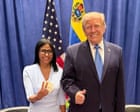
Venezuela’s Delcy Rodríguez hails ‘historic meeting’ with Donald Trump in New York

Venezuela’s Delcy Rodríguez hails ‘historic meeting’ with Donald Trump in New York

Interim president, who agreed a 65bn-barrel oil deal with the US, did not say whether she would visit her snatched predecessor, Nicolás Maduro, in jail Venezuela’s interim president, Delcy Rodríguez, has celebrated a “historic” meeting with Donald Trump in New York, posing for a smiley photo with the US president less than nine months after he ordered the abduction of her boss, Nicolás Maduro. The former foes met at a five-star hotel in Manhattan a few blocks from Trump Tower late on Tuesday, on the sidelines of the United Nations general assembly. The hotel is about 7 miles from the Brooklyn prison where Maduro has been held since he was snatched during a special forces raid on Caracas. Continue reading...

Donald Trumpcritical
Sep 23, 2026 · byThe Guardian
Colombia Population Movement - Imminent DREF Final Report (MDRCO034)

Colombia Population Movement - Imminent DREF Final Report (MDRCO034)

Countries: Colombia, Venezuela (Bolivarian Republic of) Source: International Federation of Red Cross and Red Crescent Societies Please refer to the attached file. Event development Update regarding the event's development According to information provided by the United States government and various open sources, a military incursion reportedly took place in Caracas, Venezuela, in the early hours of Saturday, January 3, 2026, during which Nicolás Maduro and his wife were captured on the territory of the Bolivarian Republic of Venezuela. As a result of these events, on Monday, January 5, the Venezuelan government declared a state of internal emergency in response to a situation that has had a significant impact on the international community due to its implications for regional stability. This measure includes, among other aspects: i) the mobilization of the National Armed Forces throughout the territory; ii) the militarization of public service infrastructure, the oil industry, and other strategic industries; iii) the strengthening of controls and patrols at land, air, and sea borders; iv) restrictions on entry into the national territory; v) restrictions on the movement of people and vehicles; and vi) the suspension of public gatherings and demonstrations. In this context, and given the potential repercussions for Colombia—a country that is home to approximately 2.8 million Venezuelan citizens and whose border areas are characterized by complex dynamics linked to the presence of non-state armed groups, as well as security and humanitarian risks—the Colombian government adopted measures aimed at strengthening territorial control, including the militarization of the main border crossings with Venezuela. In response to these events, specific restrictions, and public order situations, a pattern of commuting emerged in border areas, as well as movements toward these areas to access basic goods and services. At the time of this operation, border crossings remained open, and according to organizations representing the Venezuelan migrant population, Colombia continues to be the primary destination country. This is partly because a significant number of people have expressed their intention to leave Venezuela in the wake of recent political and social events. According to data from Migración Colombia, between January 1 and 4, 2026, there were 6,117 entries into the country from Venezuela and 5,390 departures to the neighboring country, indicating that active migration flows continue. It was seen that this trend could intensify in the coming weeks, in line with trends observed in previous years, which show a spike in mixed migration flows between the second and third weeks of January, particularly in the departments of Norte de Santander, La Guajira, and Arauca. Additionally, restrictions on air travel have cemented land travel as the primary means of transit between the two countries. At the same time, recent political changes could encourage return flows to Venezuela, driven by expectations of domestic transformation, as expressed by Venezuelan citizens in various media outlets. The military intervention, combined with social unrest and the highly volatile situation, created an environment of instability during the planning of the operation that increases the likelihood of an intensification of mixed migration flows and, consequently, of humanitarian needs in border areas. This mobility, often characterized by the use of irregular crossing points, also faces restrictions on the Venezuelan side related to limitations on institutional mobility and access to media, which has reduced the availability of services and concentrated the response primarily on guidance for the local population. Based on the above, two main scenarios were projected: on the one hand, the possible massive arrival of Venezuelan migrants to Colombian border cities, which would place greater pressure on basic services and institutional and humanitarian response capacity; and, on the other, an increase in return flows to Venezuela, associated with changes in the political and security context. Added to these scenarios is the likelihood of increased cross-border commuting between the two countries, creating a highly dynamic environment that will require constant monitoring and flexible, coordinated responses.

Sep 22, 2026 · byReliefWeb
Venezuela: Reform Needed for Rights Progress

Venezuela: Reform Needed for Rights Progress

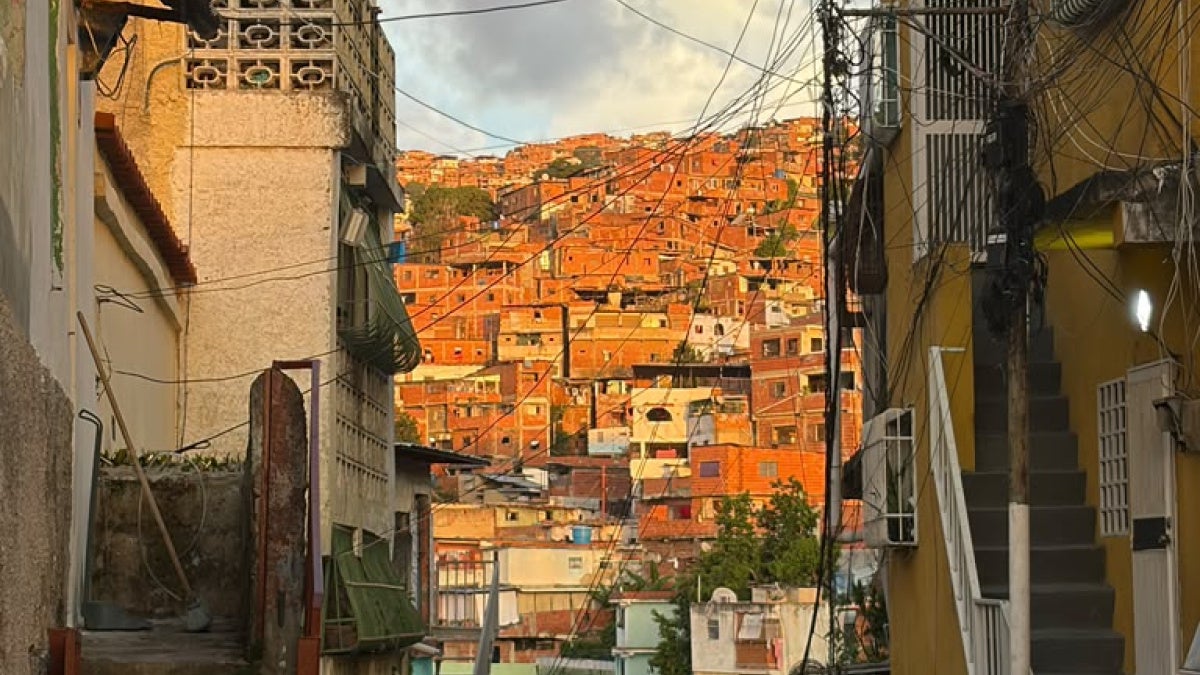
Click to expand Image Petare, a low-income neighborhood on the outskirts of Caracas, Venezuela, September 17, 2026. © 2026 Human Rights Watch (Washington, DC) – Venezuela needs to take urgent measures and carry out institutional reforms to protect people’s basic rights, Human Rights Watch said today, following its first official visit to the country since 2008. Human Rights Watch visited Caracas this week and met with interim President Delcy Rodríguez, other government officials, human rights groups, journalists, relatives of political prisoners, foreign diplomats, and others. Staff also visited Petare, a low-income neighborhood on the outskirts of Caracas. During its previous high-level visit, in 2008, Venezuelan authorities detained Human Rights Watch staff after they released a report and expelled them from the country. “Interim President Delcy Rodríguez has overseen a pause to the most overt forms of repression in Venezuela,” said Federico Borello, deputy executive director at Human Rights Watch. “But in this fragile political moment, these gains will only become sustainable with robust institutional reforms and the release of all political prisoners.” Rodríguez assumed office following the United States’ capture of then-President Nicolás Maduro on January 3, 2026. Since then, Venezuelan authorities have released hundreds of political prisoners, passed an amnesty law, unblocked some media websites, and announced measures to reform the judiciary. Human rights activists, opposition leaders, and journalists told Human Rights Watch that they are much freer to carry out their work. Some said they have left their hiding places after more than a year or reported for the first time on the arbitrary arrest of their loved ones. On September 18, Venezuelan authorities closed a criminal case against Carlos Correa, executive director of the free-speech organization Espacio Público. However, at least 344 political prisoners remain behind bars, according to Foro Penal, a Venezuelan human rights group, and many others remain under house arrest or are experiencing other restrictions. These include people who were detained for exercising their freedom of expression and people who have been tortured or have suffered gross due process violations. Others who were arbitrarily detained have experienced extortion from judicial officials, prosecutors, and others. Venezuelan authorities should promptly and unconditionally release all people arbitrarily detained, Human Rights Watch said. Authorities have continued, in a small number of cases, to detain critics for short periods. On September 18, Venezuelan authorities detained Javier Oropeza, a former opposition mayor who recently returned to the country. He was released a few hours later. Relatives of political prisoners said that some detainees are still being mistreated behind bars, in particular in the Rodeo I prison in Caracas. Human Rights Watch has documented torture and inhumane conditions of detention in Rodeo I. The closure of Rodeo I would send a powerful signal that the authorities intend to break with the government’s brutal legacy of abusive detention practices. Venezuelan authorities should ensure humane detention conditions for all detainees, Human Rights Watch said. They should also allow international experts, such as the International Committee of the Red Cross (ICRC) and the United Nations Office of the High Commissioner for Human Rights (OHCHR), unfettered access to all prisons and other places of detention. Venezuelan authorities should also amend or repeal laws that have enabled human rights violations, including anti-terrorism and anti-hatred legislation and rules restricting the work of human rights groups and media outlets. As part of a dialogue process with a part of the political opposition, Venezuelan authorities have announced a process to reform the Supreme Tribunal of Justice, the country’s highest court, and the Electoral Council. The destruction of judicial independence in Venezuela in the 2000s enabled widespread human rights violations and establishing an independent and impartial supreme court would be a crucial first step to a much-needed overhaul to the judicial system, Human Rights Watch said. Over the last decade, Venezuelan authorities have also barred opposition candidates from running for office. Broader patterns of repression have also made it impossible for Venezuelans to exercise their democratic rights freely in past elections. “Venezuelans deserve to participate in timely, free, and fair elections,” Borello said. “That requires urgently allowing political opponents to take part in the political process and run for office.” Venezuelan authorities should also overhaul the country’s security forces to curb their continuation of human rights violations, Human Rights Watch said. These measures should include vetting officials responsible for grave human rights violations, ensuring that intelligence agencies are not tasked with criminal investigations, dismantling clandestine detention centers, and establishing clear rules for the use of force. On September 16, the UN Independent International Fact-Finding Mission on the Bolivarian Republic of Venezuela (FFM) released a report warning that the state machinery behind repression remains firmly intact. The UN Human Rights Council should renew the mandate of the FFM for two years, Human Rights Watch said. The humanitarian situation in Venezuela remains dire, exacerbated by the earthquakes in June that killed at least 6,300 people. According to HumVenezuela, a group of organizations monitoring the humanitarian crises in the country, over 18 million people, out of a population of 28.5 million, were already unable to meet their basic needs prior to the earthquake. People in many parts of the country experience daily hours-long electricity blackouts and days-long water shortages, and many said they are increasingly impatient. Human Rights Watch has long expressed concern about the role of US economic sanctions in further deepening the humanitarian crisis in Venezuela. Since Maduro’s ouster, US engagement has focused largely on advancing the Trump administration’s economic goals, at the expense of a robust focus on reforms. “The United States should use its leverage to play a leading role in pushing for meaningful human rights change in Venezuela,” Borello said.

Sep 18, 2026 · byHuman Rights Watch
📰

Major disasters disrupted education for at least 13 million children in six countries in three months as Venezuela reopens schools

Countries: Venezuela (Bolivarian Republic of), Colombia, Indonesia, Japan, Nepal, Philippines Source: Save the Children CARACAS, Venezuela, 17 September 2026 – Education was disrupted for about 13 million children over the past three months as Nepal, Japan, Colombia, Venezuela, Indonesia, and the Philippines were all hit by major natural or climate disasters such as earthquakes, floods, or wildfires , said Save the Children. In many countries where the disasters stuck, classes were in session at the time such as in Nepal where children were forced to flee flash flooding. In others, schools were approaching the end of year holidays such as in Venezuela where pupils return to class this week and learning disruptions are only now being felt. Analysing various data sources, Save the Children looked at the impact of these disasters over the past three months and estimated that about 13 million children saw their learning suspended, transferred online, reduced or disrupted in other ways, with some continuing to see their education impacted.[1] In Venezuela, students and teachers said that they were feeling anxious as they returned to school for the new academic year following the twin earthquakes that hit the country on 24 June, killing more than 6,500 people. The earthquakes, the most powerful in a century, halted education for more than 21,000 students [2] and disrupted learning for one million**,** or about one in every eight school-aged child, Save the Children said. Teachers from La Guaira, a coastal region badly hit in northern Venezuela, said it was important to continue efforts to ensure that schools can provide supportive environments for children returning after the earthquakes although some schools have suffered structural damage and cannot reopen. Alondra*, 37, a teacher in Venezuela and mother to nine-year-old Emma*, is worried that the disruption will force students into overcrowded schools, affecting both learning quality and recreational opportunities. “My daughter's education is paramount, of course, and I'm not going to take her out of school, especially not because of this [earthquake],” she said. Alondra has been taking Emma to a Save the Children safe space in the months since the earthquake so she can continue learning and playing with other children her own age. Save the Children in Venezuela and its national partners have helped over 93,970 people** since the earthquakes including through psychosocial support, health support, and community engagement activities. The child rights organisation will also start rehabilitating learning spaces and schools and training teachers to support children affected by the earthquakes. Four other powerful earthquakes in Colombia, the Philippines, Indonesia and in Japan disrupted education for about 4 million children out of the 13 million children. A 7.8 magnitude earthquake struck the southern Philippines on 8 June, the first day back to school after the country’s summer break, disrupting education. Since then, Save the Children has reached more than 8,800 people, including 3,900 children, providing support including household items, hygiene kits and temporary learning spaces. Floods brought about by this season's monsoon in the Philippines also affected nearly 7 million students who saw classes suspended including in the capital Manila and several provinces, on and off, for almost two weeks, while almost 900 schools sustained damaged.[3] Tatiana Betancourt, an education officer at Save the Children Colombia, said: “Families temporarily settled in spaces that do not have adequate security and protection conditions affecting educational institutions, limiting children's and adolescents' access to safe learning spaces. Emotional effects on children, caregivers and families include fear, stress and uncertainty generated by the emergency.” In Colombia, the earthquake’s damage to education infrastructure disrupted access to education for over 1 million children and compounded pre-existing poverty. While about 80% of children have returned to learning through partial, hybrid, or alternating attendance, more than 300,000 children are estimated to be facing heightened protection risks, including recruitment by armed groups. [4] Save the Children in Colombia is focusing on supporting the safe return to schools wherever feasible and is supporting temporary learning arrangements through local education partners including temporary learning tents in affected areas such as Chocó. Flash floods in Nepal in August which hit as children were either on their way to school or starting their lessons, killed at least 1,350 people with about 4,800 still missing.[5] While some schools closed by the floods in Nepal have begun to reopen, many displaced children are not currently able to attend classes as they are not registered for schools in areas they moved to. Save the Children has supported more than 6,000 people across Nuwakot, Dhading and Rasuwa districts with essential items and has set up two temporary learning spaces to help children learn. In Japan, Save the Children set up child friendly spaces to provide children with a safe environment to play and recover following the 28 July earthquake in Kumamoto Prefecture, southern Japan, among other support. When disasters or climate emergencies disrupt children’s education, as they have for children in Nepal, Venezuela, Colombia and elsewhere this summer, children must be able to continue their education through crisis. Governments also need stronger, more inclusive, and resilient education systems that can last. Save the Children is calling on world leaders gathering in New York for the UN General Assembly this month to pledge at least US $5 billion to the Global Partnership for Education to help reach about 750 million children across 96 countries by 2030 by strengthening education systems. The child rights organisation is also calling on leaders to pledge US$600 million this November for Education Cannot Wait, so children in crisis can continue learning. *Names changed for anonymity References: **As of 11 September 2026. Methodology: Over 13 million figure is based on looking at major or high-profile disasters between 1 June and early September where there was a publicly reported impact on education. Disasters included earthquakes in Venezuela (1 million children’s education impacted) ; Colombia ( 1 million ) Indonesia ( over 116,000 ), Japan (about 200,000) and the Philippines ( 3 million ), wildfires in Indonesia ( 1.4 million ), monsoon flooding in the Philippines ( 6.8 million ) and flash floods in Nepal ( 19,000 ). For Japan, the number of children with disrupted education is estimated based on data from Ministry of Education, Culture, Sports, Science and Technology (MEXT) on 650 affected schools, using the average number of students per school in Japan. [1, 5] NEPAL: https://www.unocha.org/publications/report/nepal/nepal-rasuwa-flood-situation-report-no-7-8-september-2026 [2] Save the Children Rapid Needs Assessment (RNA) August 2026 + UNICEF assessment indicates that more than 432 schools suffered physical damage to their infrastructure. In the state of La Guaira, out of the 290 public and independent schools surveyed in the coastal area, 62 sustained structural damage or suffered total physical collapse. [3] EDCOM 2 - The Second Congressional Commission on Education: https://www.facebook.com/edcom2ph/posts/pfbid0xPVJkvHr9HAYRbofaMZcX3kDNtVcqeiHiq3yCtUSd2pSiYpwMCBMcxMoGrq1GH5fl [4] IRC, 14 Aug 2026: https://www.rescue.org/press-release/irc-launches-health-child-protection-response-colombia-earthquake-death-toll-rises

Sep 18, 2026 · byReliefWeb
Venezuela Food Security Outlook Update: Earthquake recovery remains nascent amid persistent food access constraints, August 2026 - January 2027

Venezuela Food Security Outlook Update: Earthquake recovery remains nascent amid persistent food access constraints, August 2026 - January 2027

Country: Venezuela (Bolivarian Republic of) Source: Famine Early Warning System Network Please refer to the attached file. Key Messages Crisis (IPC Phase 3) outcomes are persisting in earthquake-affected Distrito Capital (Caracas), Aragua, Miranda, Yaracuy, and Carabobo amid substantial shelter and asset losses and widespread livelihood disruptions. In La Guaira, humanitarian food assistance is likely mitigating food consumption gaps and supporting Stressed! (IPC Phase 2!) outcomes. Gradual improvements are expected to reduce the number of households in Crisis (IPC Phase 3) as reconstruction efforts begin, livelihoods recover, and seasonal economic opportunities and income increase. Area-level outcomes are likely to improve in Yaracuy and Carabobo, but recovery will likely take longer in worst-affected states. Throughout the rest of the country, Stressed (IPC Phase 2) outcomes are expected to continue as persistent food and general inflation and limited purchasing power among households earning primarily in VED remain the primary constraints to food access. The impacts of the earthquakes remain severe. As of August 27, more than 6,500 deaths had been reported, over 24,000 people remain displaced, and less than one-third of the rubble was cleared. Humanitarian food assistance has expanded, with WFP providing hot meals, read-to-eat rations, food baskets, and electronic vouchers through at least October, with government cash transfers for earthquake-affected households continuing through December. Some localized market access constraints persist in some of the worst-affected areas, where housing and infrastructure damage remain substantial. Elevated food prices continue to be driven primarily by macroeconomic pressures despite improving foreign currency availability and strong oil-sector performance. In July, the official exchange rate depreciated by more than 20 percent, which narrowed the gap between official and parallel exchange rates, even as oil production and export remained above one million barrels per day, sustaining foreign currency inflows and supporting exchange-rate interventions. Monthly inflation accelerated to 19.9 percent and annual inflation hit 576 percent in July, although the rate of increase is expected to ease in the coming months.

Sep 17, 2026 · byReliefWeb
Venezuela Earthquakes Situation Report #9 (September 16, 2026)

Venezuela Earthquakes Situation Report #9 (September 16, 2026)

Country: Venezuela (Bolivarian Republic of) Source: International Medical Corps Please refer to the attached file. FAST FACTS On June 24, two earthquakes of magnitude 7.2 and 7.5 hit northern Venezuela less than one minute apart, impacting at least seven states—including the capital Caracas and the neighboring city of La Guaira. Official figures have confirmed 6,509 fatalities, 6,462 people rescued and 226,696 people who have received hospital care following the quakes. Priority needs include healthcare services, clean water, food, mental health and psychosocial support (MHPSS), adequate sanitation and hygiene facilities, protection support and shelter. Our Response International Medical Corps has deployed three mobile medical units, which have provided 8,933 consultations since July 1. On July 11, International Medical Corps opened an Emergency Medical Team Type 1 Fixed facility that has so far provided 7,186 consultations. Our teams have delivered more than 1.2 million liters of safe water across displacement sites, have deployed and maintain 32 mobile toilets and have reached more than 400 people through hygiene promotion sessions. Our teams have provided 1,367 MHPSS consultations.

Sep 16, 2026 · byReliefWeb
Venezuela’s Main Airport Reopens After 10 Weeks

Venezuela’s Main Airport Reopens After 10 Weeks

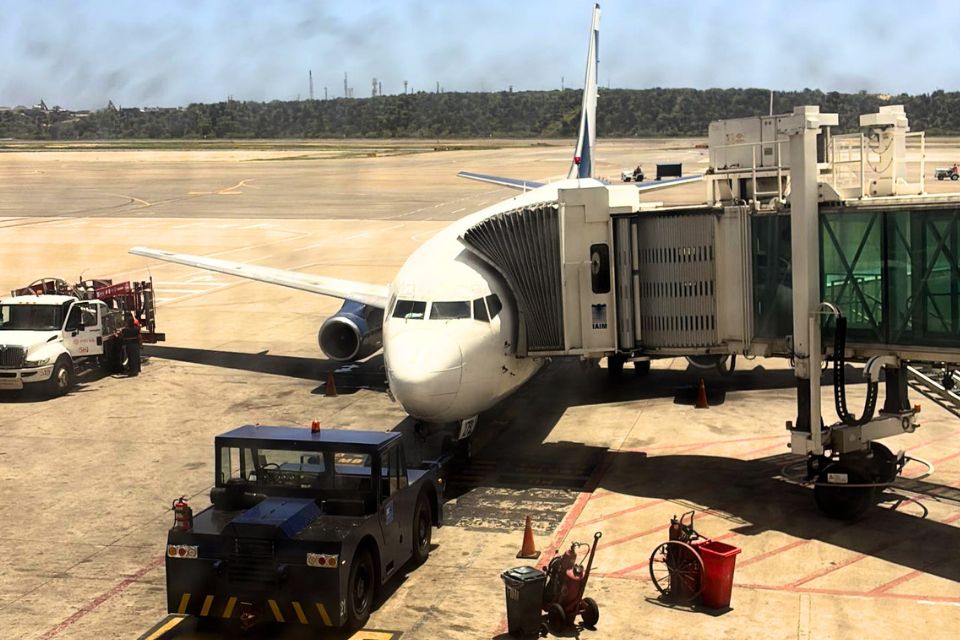
Venezuela’s main international airport is beginning to welcome commercial flights again, nearly 10 weeks after two earthquakes forced it to shut down. Simón Bolívar International Airport (CCS), located near Caracas, has partially resumed operations, but travelers returning to the airport will find something very different from the terminal they left behind; part of the airport’s temporary […] The post Venezuela’s Main Airport Reopens After 10 Weeks appeared first on Travel Radar - Aviation News .

Sep 9, 2026 · byTravel Radar
Avianca restores Caracas flights and launches Bogotá–Maracaibo route

Avianca restores Caracas flights and launches Bogotá–Maracaibo route

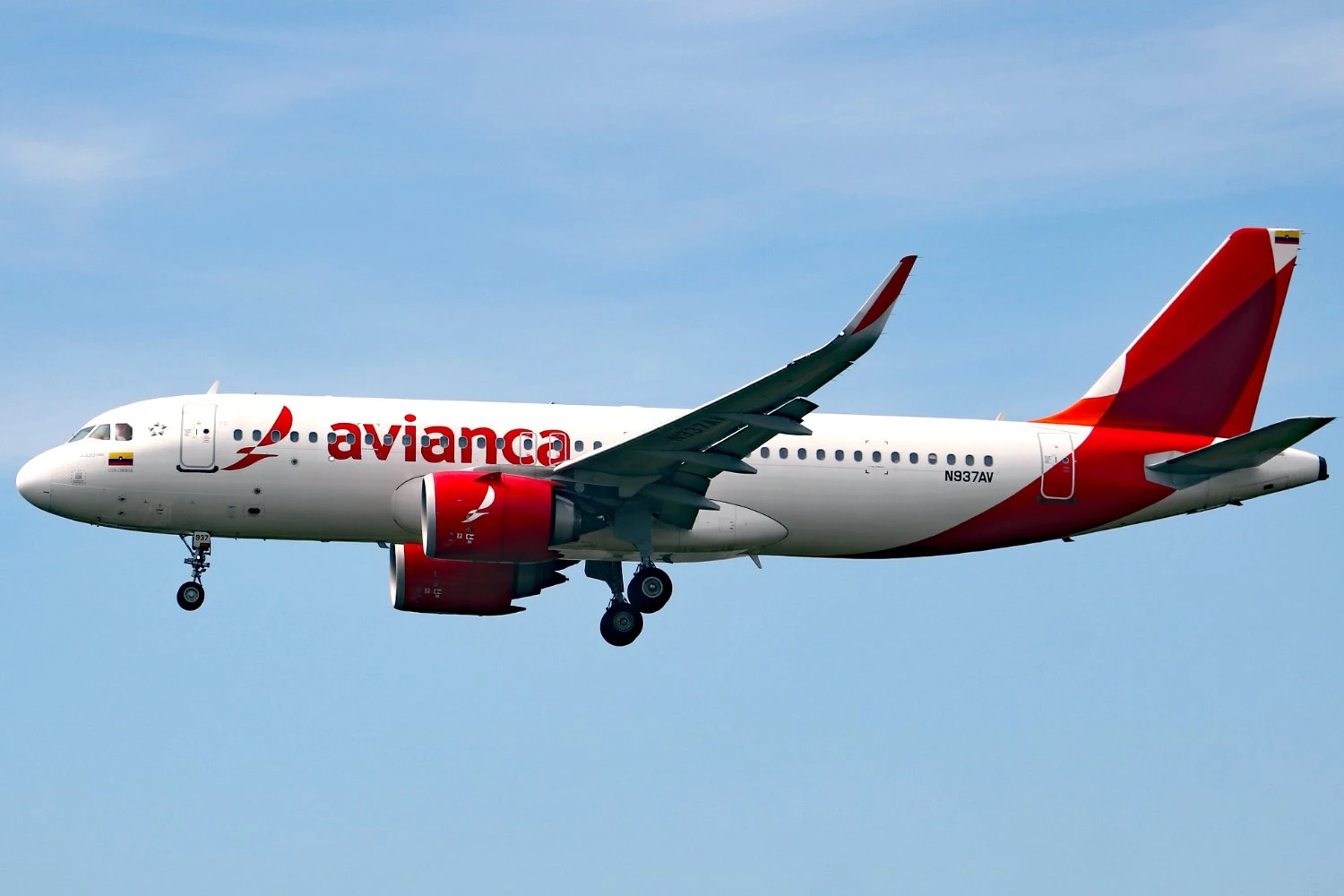
Avianca has resumed daily flights between Bogotá and Caracas and introduced a new daily service linking Bogotá with Maracaibo, strengthening air connectivity between Colombia and Venezuela. The Bogotá–Caracas route resumed on 1 September following an assessment of operational and security conditions with the relevant authorities. The new Maracaibo service began on 28 August, complementing Avianca’s […]

Aviancafavorable
Sep 4, 2026 · byAviation24.be
Avianca Resumes Flights to Bogotá From Caracas and Launches Service From Maracaibo

Avianca Resumes Flights to Bogotá From Caracas and Launches Service From Maracaibo

As Venezuela continues its recovery and reconnection efforts, Avianca, part of Abra Group, announced plans to strengthen connectivity with Colombia through the resumption of key services and the launch of new flights. Resumption of Service Between Caracas and Bogotá: Following a comprehensive assessment of operational and safety conditions conducted in coordination with authorities, Avianca will resume flights between the Venezuelan and Colombian capitals which began Sept. 1.

Aviancaneutral
Sep 3, 2026 · byBreaking Travel News
White House, Caracas release details on historic US-Venezuela oil deal

White House, Caracas release details on historic US-Venezuela oil deal

President Donald Trump announced on August 28 that the United States had reached a sweeping oil agreement with Venezuela that grants American interests majority control over more than 65 billion barrels of proven reserves. The US described the agreement as part of a 25-year strategy to expand US access to Venezuelan energy resources while building more secure and resilient supply chains in the Western Hemisphere. The post White House, Caracas release details on historic US-Venezuela oil deal appeared first on FDD's Long War Journal .

Sep 2, 2026 · byLong War Journal