← News
Topic · Place

Beirut

37 articles

See also
📰

Latest Beirut articles

NGOs say Israel bombed a journalist and appeared to attack ambulances trying to aid her – explainer

NGOs say Israel bombed a journalist and appeared to attack ambulances trying to aid her – explainer

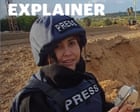
Journalist Amal Khalil was killed in April in what colleagues described as a sustained attack by Israeli forces. Rescuers attempted to dig her out of the rubble of a building that had been targeted by Israeli forces, who had also prevented them from providing life-saving assistance. Beirut-based Guardian correspondent Will Christou explains how investigations by Human Rights Watch (HRW), Amnesty International and Legal Agenda show that Israel deliberately and directly attacked Khalil and her colleague Zeinab Faraj, with apparent knowledge that they were journalists. The organisations called for the attacks to be investigated as war crimes, while HRW called for states to halt arms sales to Israel and put targeted sanctions on Israeli officials responsible for ongoing crimes. Deliberately attacking journalists is a war crime. Israel has killed at least 15 journalists in Lebanon and 210 in Gaza since 2023, according to the UN human rights office . Israel said it 'regrets any harm caused to journalists', and that they were killed 'as part of a series of events' during which two Hezbollah military operatives were killed Israeli strike that killed journalist in Lebanon was war crime, say rights groups Continue reading...

Oct 6, 2026 · byThe Guardian
Yemen: Houthis Prosecute UN, Civil Society Staff [EN/AR]

Yemen: Houthis Prosecute UN, Civil Society Staff [EN/AR]

Country: Yemen Sources: Amnesty International, Human Rights Watch Please refer to the attached file. Accused Face Death Penalty in Misuse of Espionage Charges (Beirut) – The Houthi de facto authorities in Yemen have sent at least eight people involved in human rights and humanitarian work for criminal prosecution, on espionage-related charges punishable by death, since August 18, 2026, Amnesty International and Human Rights Watch said today. They include two United Nations employees, a UN consultant, and five people who worked with international and local civil society organizations on a range of issues, including health, human rights, and humanitarian aid. The Houthis should immediately halt these prosecutions and unconditionally release the eight people whose cases were sent to the prosecution, as well as the scores of other UN staff and civil society workers the Houthis have arbitrarily detained over the past two years. The prosecution is the latest escalation in a crackdown by Houthi authorities on civil society in the part of Yemen they control, with successive waves of arrests of Yemenis targeting UN staff and civil society members since May 31, 2024. The Houthis have arbitrarily detained over 100 such staff and workers, holding them without charge and denying them access to lawyers and their families. Many of the detentions started as enforced disappearances . An enforced disappearance happens when a person is deprived of liberty and their detention is denied or their situation or whereabouts concealed, placing them outside the protection of the law. “As fighting once again escalates in Yemen, the Houthis have maliciously moved to prosecute at least eight UN and civil society workers on charges that could, if convicted, result in the death penalty,” said Diala Haidar, Yemen researcher at Amnesty International. “Demanding the immediate release of Yemen’s UN and civil society workers should be a top priority for governments, and not an afterthought.” Human Rights Watch and Amnesty International spoke to seven people with direct knowledge of the cases, including family members of those detained. All eight transferred for prosecution remain in detention and have deteriorating health conditions, including at least two who have diabetes and have not been able to get adequate medical care and one who is at risk of glaucoma. One has stomach cancer and has been undergoing chemotherapy while in detention. Some family members said the detainees told them they had been forced to confess to espionage charges under torture or threats of torture. Since 2015, Amnesty International has documented scores of cases in which Houthi authorities used spying charges to target political opponents and silence peaceful dissent. Human Rights Watch and Amnesty International have documented the Houthis’ use of torture to obtain confessions. “It is outrageous that detainees are facing the risk of the death penalty simply for providing medical and food assistance or promoting human rights, peace, and dialogue,” said Niku Jafarnia , Yemen and Bahrain researcher at Human Rights Watch. “It is critical for other governments to step up diplomatic efforts to secure the release of the dozens of arbitrarily detained members of Yemen’s civil society and UN staff, especially considering the attacks prisons have faced in the conflict.” Imposing the death penalty after unfair proceedings makes its use as a punishment arbitrary and in violation of international legal standards, the organizations said. Further, under international human rights law, only the “most serious crimes” can legitimately attract the death penalty, which has been interpreted as limited to intentional killing. None of those facing prosecution have been accused of such actions. Amnesty International and Human Rights Watch oppose the death penalty unconditionally, in any cases and under any circumstance. The eight people transferred to the Specialized Criminal Prosecution in Sanaa, Yemen’s capital, are facing charges of “espionage” and “aiding the enemy” (articles 127 and 128 of Yemen’s Penal Code), both punishable by death. The Specialized Criminal Prosecution has also made vague and overly broad accusations about the detainees’ humanitarian and human rights work, alleging that they had “hidden and malicious goals” as part of a premeditated plan to “destroy the values of society.” The Sanaa-based Specialized Criminal Court, established in 1999, has jurisdiction over a variety of security-related crimes and offenses deemed detrimental to state security and public interests. As the Houthis consolidated their control over territories, they also consolidated their control over the judiciary, and the court has been used as a tool for political repression . All eight detainees have been denied adequate access to their lawyers. Sami Kallabi, 41, who worked for the UN at the time of his arrest on June 6, 2024, has cancer and is undergoing chemotherapy at a military hospital. Despite his critical health situation, he has been denied family visits and the Houthi authorities are refusing to disclose where he is being held. Labib Shayef, 57, is a consultant also detained on June 6, 2024, from his office in Sanaa. Since then, he has only been allowed a single visit from his family, in August 2025. His health has severely deteriorated in detention. He has diabetes and contracted Hepatitis B in custody but has not been provided with adequate access to health care. Prosecutors have questioned him about his work with local and international organizations, including on gender and peace-related programs. At the time of his arrest, Dr. Ali Al-Mudhwahi was a UN Children’s Fund (UNICEF) consultant and an adviser to the Houthi’s Ministry of Public Health and Population, his wife Safiah Mohammed told Human Rights Watch. The authorities have subjected him to “solitary confinement, torture, and severe psychological pressure” throughout his detention, his wife said he told her over the phone. The Houthis, who oppose vaccinations, have tried to force Al-Mudhwahi to say that vaccines are “nothing but espionage tools” and that he is “a spy recruited by the World Health Organization,” his wife said. Starting on May 31, 2024, the Houthis carried out a series of raids in areas under their control, arbitrarily detaining 13 UN staff and at least 50 staff from Yemeni and international civil society organizations. Since that time, the Houthis have arbitrarily detained dozens more UN staff and civil society workers. As of February 2026 , at least 73 UN staff and dozens of humanitarian and civil society workers remained in Houthi detention, all of them Yemeni nationals. On February 11, 2025, an aid worker from the World Food Programme died in Houthi custody. His death heightens fears for the safety and well-being of others arbitrarily detained in Houthi-run detention centers, given the Houthis’ track record of torture and other ill-treatment of detainees. Many of those detained were arrested without being shown arrest warrants and were forcibly disappeared for months before their detention was acknowledged and whereabouts known. While some have received medical care, many have not, including some people with serious medical conditions.

Oct 6, 2026 · byReliefWeb
Yemen: Houthis Prosecute UN, Civil Society Staff

Yemen: Houthis Prosecute UN, Civil Society Staff

Click to expand Image A United Nations team visits with officials of Yemen's Supervisory Committee in Al Hudaydah province, Yemen, May 17, 2023. © 2023 Mohammed Hamoud/Getty Images (Beirut) – The Houthi de facto authorities in Yemen have sent at least eight people involved in human rights and humanitarian work for criminal prosecution, on espionage-related charges punishable by death, since August 18, 2026, Amnesty International and Human Rights Watch said today. They include two United Nations employees, a UN consultant, and five people who worked with international and local civil society organizations on a range of issues, including health, human rights, and humanitarian aid. The Houthis should immediately halt these prosecutions and unconditionally release the eight people whose cases were sent to the prosecution, as well as the scores of other UN staff and civil society workers the Houthis have arbitrarily detained over the past two years. The prosecution is the latest escalation in a crackdown by Houthi authorities on civil society in the part of Yemen they control, with successive waves of arrests of Yemenis targeting UN staff and civil society members since May 31, 2024. The Houthis have arbitrarily detained over 100 such staff and workers, holding them without charge and denying them access to lawyers and their families. Many of the detentions started as enforced disappearances. An enforced disappearance happens when a person is deprived of liberty and their detention is denied or their situation or whereabouts concealed, placing them outside the protection of the law. “As fighting once again escalates in Yemen, the Houthis have maliciously moved to prosecute at least eight UN and civil society workers on charges that could, if convicted, result in the death penalty,” said Diala Haidar, Yemen researcher at Amnesty International. “Demanding the immediate release of Yemen’s UN and civil society workers should be a top priority for governments, and not an afterthought.” Human Rights Watch and Amnesty International spoke to seven people with direct knowledge of the cases, including family members of those detained. All eight transferred for prosecution remain in detention and have deteriorating health conditions, including at least two who have diabetes and have not been able to get adequate medical care and one who is at risk of glaucoma. One has stomach cancer and has been undergoing chemotherapy while in detention. Some family members said the detainees told them they had been forced to confess to espionage charges under torture or threats of torture. Since 2015, Amnesty International has documented scores of cases in which Houthi authorities used spying charges to target political opponents and silence peaceful dissent. Human Rights Watch and Amnesty International have documented the Houthis’ use of torture to obtain confessions. “It is outrageous that detainees are facing the risk of the death penalty simply for providing medical and food assistance or promoting human rights, peace, and dialogue,” said Niku Jafarnia, Yemen and Bahrain researcher at Human Rights Watch. “It is critical for other governments to step up diplomatic efforts to secure the release of the dozens of arbitrarily detained members of Yemen’s civil society and UN staff, especially considering the attacks prisons have faced in the conflict.” Imposing the death penalty after unfair proceedings makes its use as a punishment arbitrary and in violation of international legal standards, the organizations said. Further, under international human rights law, only the “most serious crimes” can legitimately attract the death penalty, which has been interpreted as limited to intentional killing. None of those facing prosecution have been accused of such actions. Amnesty International and Human Rights Watch oppose the death penalty unconditionally, in any cases and under any circumstance. The eight people transferred to the Specialized Criminal Prosecution in Sanaa, Yemen’s capital, are facing charges of “espionage” and “aiding the enemy” (articles 127 and 128 of Yemen’s Penal Code), both punishable by death. The Specialized Criminal Prosecution has also made vague and overly broad accusations about the detainees’ humanitarian and human rights work, alleging that they had “hidden and malicious goals” as part of a premeditated plan to “destroy the values of society.” The Sanaa-based Specialized Criminal Court, established in 1999, has jurisdiction over a variety of security-related crimes and offenses deemed detrimental to state security and public interests. As the Houthis consolidated their control over territories, they also consolidated their control over the judiciary, and the court has been used as a tool for political repression. All eight detainees have been denied adequate access to their lawyers. Sami Kallabi, 41, who worked for the UN at the time of his arrest on June 6, 2024, has cancer and is undergoing chemotherapy at a military hospital. Despite his critical health situation, he has been denied family visits and the Houthi authorities are refusing to disclose where he is being held. Labib Shayef, 57, is a consultant also detained on June 6, 2024, from his office in Sanaa. Since then, he has only been allowed a single visit from his family, in August 2025. His health has severely deteriorated in detention. He has diabetes and contracted Hepatitis B in custody but has not been provided with adequate access to health care. Prosecutors have questioned him about his work with local and international organizations, including on gender and peace-related programs. At the time of his arrest, Dr. Ali Al-Mudhwahi was a UN Children’s Fund (UNICEF) consultant and an adviser to the Houthi’s Ministry of Public Health and Population, his wife Safiah Mohammed told Human Rights Watch. The authorities have subjected him to “solitary confinement, torture, and severe psychological pressure” throughout his detention, his wife said he told her over the phone. The Houthis, who oppose vaccinations, have tried to force Al-Mudhwahi to say that vaccines are “nothing but espionage tools” and that he is “a spy recruited by the World Health Organization,” his wife said. Starting on May 31, 2024, the Houthis carried out a series of raids in areas under their control, arbitrarily detaining 13 UN staff and at least 50 staff from Yemeni and international civil society organizations. Since that time, the Houthis have arbitrarily detained dozens more UN staff and civil society workers. As of February 2026, at least 73 UN staff and dozens of humanitarian and civil society workers remained in Houthi detention, all of them Yemeni nationals. On February 11, 2025, an aid worker from the World Food Programme died in Houthi custody. His death heightens fears for the safety and well-being of others arbitrarily detained in Houthi-run detention centers, given the Houthis’ track record of torture and other ill-treatment of detainees. Many of those detained were arrested without being shown arrest warrants and were forcibly disappeared for months before their detention was acknowledged and whereabouts known. While some have received medical care, many have not, including some people with serious medical conditions.

Oct 6, 2026 · byHuman Rights Watch
MSNA - Research Terms of Reference: Multi-Sector Needs Assessment - LBN2602, Lebanon (September 2026, V 2.0)

MSNA - Research Terms of Reference: Multi-Sector Needs Assessment - LBN2602, Lebanon (September 2026, V 2.0)

Countries: Lebanon, occupied Palestinian territory, Syrian Arab Republic Sources: International Organization for Migration, REACH Initiative Please refer to the attached file. Excerpt 2. Rationale 2.1 Background Lebanon enters the 2026 Multi-Sector Needs Assessment in a context of overlapping economic, political, and humanitarian shocks. Since 2019, the country has faced one of the most severe economic and financial crises in its history, marked by banking-sector insolvency, severe currency depreciation, loss of household purchasing power, and widening poverty. The economic and physical impact of the 2023–2024 conflict was substantial. The World Bank’s 2025 Rapid Damage and Needs Assessment1 estimated the total economic cost of the conflict at US$14 billion, including US$6.8 billion in physical damage and US$7.2 billion in economic losses. Reconstruction and recovery needs were estimated at US$11 billion, with South and El Nabatieh governorates identified among the most impacted areas, followed by Mount Lebanon (includes the southern suburb of Beirut). The assessment further found that Lebanon’s real GDP contracted by 7.1 percent in 2024, bringing the cumulative GDP decline since 2019 close to 40 percent. While the November 2024 ceasefire created space for partial returns and some temporary easing, the situation deteriorated again in 2026. Hostilities intensified sharply on 2 March 2026, linked to broader regional escalation, leading to renewed displacement, infrastructure damage, access constraints, and increased humanitarian needs. OCHA reported that at least 3,884 deaths and 11,856 injuries had been recorded by the Ministry of Public Health since 2 March3 . The 2026 escalation has further affected service access and household resilience across multiple sectors. ACAPS4 reported that displacement and movement restrictions have severely affected livelihoods and the economy, while damage to infrastructure, roads, bridges, water systems, health facilities, and markets has constrained both humanitarian response and civilian access to essential services. The same analysis highlights that protracted displacement toward Beirut, Mount Lebanon, Akkar, Baalbek-El Hermel and Syria is expected to increase reliance on host communities, collective shelters, and informal accommodation, further straining response capacity. Lebanon continues to face a severe and worsening humanitarian crisis. Ongoing hostilities despite ceasefire announcements have resulted in sustained displacement, constrained humanitarian access, and limited prospects for safe return. Shelter capacity remains overstretched, essential infrastructure has been damaged, and access to basic services is increasingly restricted. Livelihoods, particularly in agriculture and small-scale commerce, have been disrupted, deepening economic vulnerability and eroding household coping capacities.6 Municipalities and service providers are under growing pressure as needs continue to rise. According to the revised 2026 Flash Appeal7 , an estimated 1.4 million people are directly affected by the crisis and require humanitarian assistance, while humanitarian partners are seeking US$331.5 million to sustain and expand multi-sector assistance between June and August 2026. Food security has deteriorated significantly as a result of conflict, displacement, livelihood disruptions, market instability, rising food and fuel prices, and reduced humanitarian assistance. According to the IPC Acute Food Insecurity Projection Update (April–August 2026), approximately 1.24 million people (24 per cent of the analysed population) are experiencing acute food insecurity (IPC Phase 3 or above), including 1.14 million people in Crisis (Phase 3) and 101,000 people in Emergency (Phase 4). Food insecurity affects all population groups and is particularly severe in conflict-affected southern districts such as Bent Jbeil, Marjaayoun, Sour, and El Nabatieh. The evolving crisis, combined with longstanding economic and social vulnerabilities, highlights the need for reliable and comprehensive evidence on humanitarian needs across population groups and geographical areas. In this context, the 2026 MSNA will provide critical, up-to-date information on needs, vulnerabilities, coping strategies, service access, and displacement dynamics to support humanitarian and stabilization planning. The assessment will complement existing analyses, including IPC and sector-specific assessments, by generating comparable multi-sector evidence to inform prioritization, targeting, response planning, and interagency decision-making for the 2027 response.

Oct 6, 2026 · byReliefWeb
Tunisia: Power, Water Shortages Endanger Rights

Tunisia: Power, Water Shortages Endanger Rights

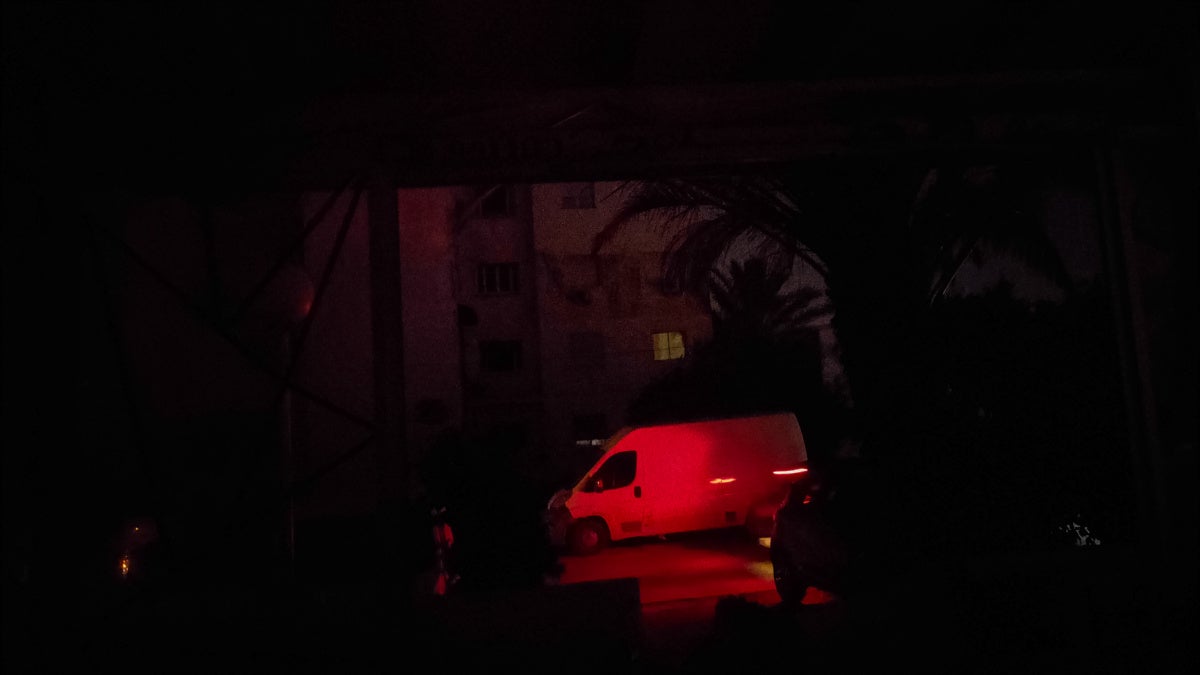
Click to expand Image Cars pass through a darkened street during a nighttime power outage in Ariana, Tunisia, July 14, 2026. © 2026 Chedly Ben Ibrahim/NurPhoto via AP Photo (Beirut) – Tunisian authorities failed to ensure an adequate supply of electricity and water during two months of extreme summer heat, undermining the right to health and endangering lives, Human Rights Watch said today. President Kais Saied blamed the shortages on sabotage, yet authorities failed to provide transparent information and instead cracked down on protesters. Rolling power outages left hospitals and water pumping stations without electricity and households without running water, interrupted critical medical procedures, and contributed to a nationwide shortage of drinking water. Doctors and human rights groups have reported a rise in heat-related hospitalizations and deaths exacerbated by the cuts, including among detainees. “Tunisians have spent one of the hottest summers on record in the dark and facing water shortages because President Saied’s government failed to ensure adequate access to electricity for millions of people, risking lives,” said Bassam Khawaja, deputy Middle East and North Africa director at Human Rights Watch. “Instead of blaming sabotage, the authorities should address the root causes of the failure and ensure that everyone, including detainees, has access to water, electricity, and methods for cooling.” In July 2026, the second-hottest July since 1950, the Tunisian Electricity and Gas Company (STEG) reportedly imposed rotating outages due to inadequate capacity. Power outages were concentrated between 1 and 5 p.m., when air conditioning increased demand. According to crowd-sourced data, outages lasted up to 12 hours in some extreme cases. In late August, a second wave led to cuts of up to two hours at a time in every region. Tunisian authorities have not published transparent information about the impact of the outages. The Tunisian Young Doctors Association estimated on July 22 that between 150 and 200 people had died over the previous days from heatstroke or medical equipment failure in the case of patients who depended on electrically powered medical equipment. It reported on August 28 that emergency departments experienced an “unprecedented” rise in deaths and hospitalizations from heatstroke and high temperatures, including deaths of detainees. Local media reported five deaths after respirators in the victims’ homes stopped working. Four parliament members wrote to the health minister on July 23 about patients on home oxygen therapy. The Health Ministry on August 29 reported 633 medical cases related to the heat wave in public hospitals but made no mention of related deaths. The ministry also denied that health services had been disrupted. A doctor at one of Tunis’s largest hospitals told Human Rights Watch that due to limited generator capacity, the outages meant the hospital went without electricity in most areas. Its backup generator covered only the intensive care units and operating rooms, the doctor said, while the rest of the building, including the emergency department, had no backup power or contingency plan. Because hospital admissions depended on electronic medical records, staff could not register patients arriving during an outage, even those with life-threatening conditions. During one outage, neonatal unit doctors ventilated newborns by hand. Outages also affected recovery for patients in post-operative care left without ventilation or air conditioning, the doctor said. The blackouts also disrupted the water supply. As outages disrupted pumping stations, tap water became intermittent in many parts of Tunisia. The Tunisian Water Observatory recorded 361 cuts to distribution of potable water in August, contributing to a bottled water shortage in a country where much of the population relies on it as their main drinking source. Although the National Authority for Food Safety said tap water is safe, public confidence is low, with reports of cloudy or yellowed water and changes in taste and odor. Water and electricity cuts affected prisons and detention sites. On August 28, five detainees at Mornaguia prison reportedly died in one day. The Tunisian League for Human Rights documented 20 deaths in prisons and detention facilities amid conditions exacerbated by extreme heat and water and power outages. The General Secretary of the General Federation of Electricity and Gas said that STEG had alerted its supervising ministry to the risk of power shortfalls and need for additional capacity as early as 2024. A 2026 report by the Tunisian Economy Observatory found that STEG's investment in generating electricity fell by 87 percent over five years. Tunisian authorities provided no evidence of sabotage. In late July, prosecutors’ offices across the country opened investigations into STEG managers and employees. President Saied said on August 26 that the outages in several regions were not “ordinary outages,” but rather “deliberately planned acts of sabotage” intended to stoke tensions, spread lies and rumors, and deprive citizens of their right to access services, but provided no further information. The electricity crisis was foreseeable, and Tunisian authorities had an obligation to prepare for it, including by ensuring that essential services such as water supply and health care were not affected, Human Rights Watch said. The government’s mismanagement and failure to act preemptively compounded the harm. Protests over water and electricity shortages have spread. The Tunisian Social Observatory of the Tunisian Forum for Economic and Social Rights recorded 1,101 protest actions in July and 1,093 in August in all 24 governorates, the highest July and August figures in years. Following an August 13 protest in Borj Erras over the lack of water, the authorities arrested 12 people, including 9 children, investigating them on suspicion of conspiring against state security, then releasing them the next day. On August 20, the grassroots movement Nafas held a demonstration in Tunis under the slogan “No water, no electricity, no freedom.” The next day, the authorities arrested Seifeddine Arfaoui, a political activist and Nafas member, at his home. On August 31, a Tunis court sentenced him to 18 months in prison under article 86 of the Telecommunications Code, for a Facebook post about slogans chanted at the protest. Human Rights Watch has previously documented a years-long crackdown against all forms of dissent in Tunisia. Access to electricity is critical to ensuring other rights, including but not limited to health, housing, water, and education, and should be recognized as a distinct human right, Human Rights Watch said. Tunisia has an obligation to ensure access to electricity and water, including within prisons and detention facilities. Article 48 of the Tunisian Constitution requires the state to provide drinking water to everyone on an equal basis. The International Covenant on Economic, Social and Cultural Rights guarantees the right to an adequate standard of living and the highest attainable standard of physical and mental health. The African Commission on Human and Peoples' Rights has held that a government's failure to provide basic services including safe drinking water and electricity violates the right to health under the African Charter. As a party to the International Covenant on Civil and Political Rights and the African Charter, Tunisia is also bound to respect the rights to freedom of expression and peaceful assembly. “Tunisian authorities have known for years that the electricity grid was inadequate but failed to plan for rising demand and the risks of a scorching summer,” Khawaja said. “Instead of prosecuting protesters, the government should publicly account for the failures of the electric grid, publicize transparent information including a death toll, and set out a clear plan to restore adequate electricity and water.”

Oct 6, 2026 · byHuman Rights Watch
Iraq: Dire Prospects for Alleged ISIS-Linked Men, Boys

Iraq: Dire Prospects for Alleged ISIS-Linked Men, Boys

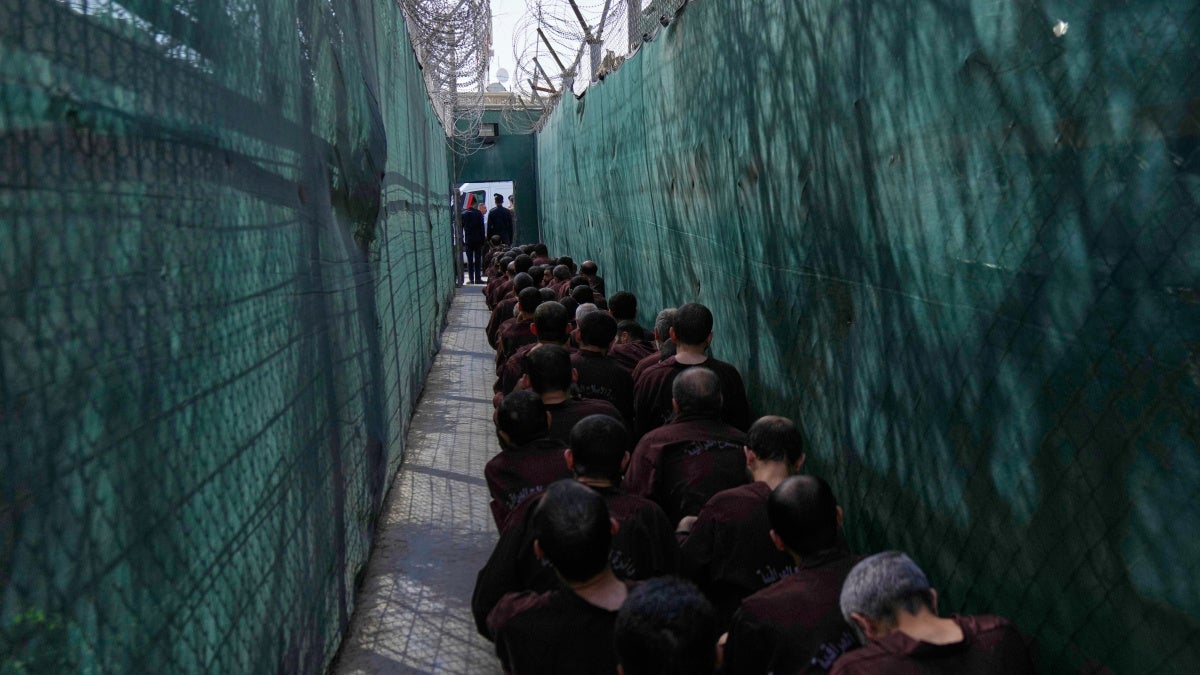
Click to expand Image Men accused of Islamic State links await questioning at Al-Karkh prison in Iraq following their transfer from northeast Syria, February 12, 2026. © 2026 Hadi Mizban/AP Photo Nearly 5,700 men and boys held as alleged Islamic State (ISIS) members and transferred to Iraq in early 2026 are at risk of abuse including imminent prosecution for adults in unfair trials, followed by execution.Dozens of countries are stalling on repatriating and providing aid to their nationals detained in Iraq amid allegations of torture, as well as grave illnesses and several deaths in custody.Governments should stop outsourcing responsibility for their nationals and ensure they are afforded their full rights to humane treatment, whether abroad or at home. (Beirut) – Nearly 5,700 men and boys held as alleged Islamic State (ISIS) members and transferred to Iraq in early 2026 are at risk of abuse including imminent prosecution for adults in unfair trials, followed by execution, Human Rights Watch said today. Dozens of countries are stalling on repatriating and providing aid to their detained nationals amid torture allegations, grave illnesses, and several deaths in custody. The detainees, about 3,500 from Syria and 2,200 from Iraq and 65 other countries, were already held in life-threatening conditions for up to seven-and-a-half years in northeast Syria. None of the foreigners were prosecuted or charged, making their prolonged detention in Syria arbitrary and unlawful. The US military abruptly transferred them to Iraq between January 21 and February 12, 2026. “The thousands of boys and men sent to Iraq deserve humane treatment and due process, just as the thousands of survivors of ISIS crimes deserve genuine justice,” said Letta Tayler, senior counterterrorism advisor at Human Rights Watch. “The international community shouldn’t leave Iraq to manage this immense responsibility on its own.” Human Rights Watch interviewed 56 people, including detainees’ family members and lawyers, Iraqi and foreign government officials, United Nations representatives and independent experts, Iraqi and international human rights defenders, and legal and security analysts. Many spoke on condition of anonymity for fear of reprisal. Human Rights Watch also reviewed media reports, social media postings, and documents, statements and correspondence with families from countries whose nationals were transferred. Judicial authorities in Iraq said that they have finished interrogating the detainees and that trials on terrorism charges are to begin in the coming days. Six of forty-seven French nationals separately transferred from Syria in 2025 for alleged ISIS ties are scheduled to be prosecuted starting October 5. The detainees are among tens of thousands of Syrians, Iraqis, and other foreign men, women, and children rounded up during and since the collapse of ISIS in northeast Syria in 2019. They were held by the US-backed, Kurdish-led Syrian Democratic Forces (SDF) armed group until January 2026, when clashes between those fighters and advancing Syrian transitional government troops plunged northeast Syria into chaos. Fearing prison breaks, US military forces airlifted and bused 5,704 to neighboring Iraq. Iraq had only days to prepare, and the authorities were not expecting large numbers who are gravely ill, an Iraqi government official, a Western government official, and two other sources said. Yet over 1,100 adults arrived with serious and contagious diseases including tuberculosis, they said. Tuberculosis is highly infectious and can be fatal if untreated. Hundreds had died from tuberculosis while detained in northeast Syria. One man died in transfer and 14 others died after arrival, apparently from serious health conditions, according to sources including an Iraqi prison authority. The detainees’ cells lacked adequate ventilation and sanitation. Those conditions have improved and Iraqi doctors are providing specialized medical treatment and psychological assessments of the children, they said. But cells are filled to 158 percent capacity, the prison authority said. More than 440 transferred detainees are children, including one who is 12. Of those, 305 are believed to be Syrians and the rest from about 15 other countries, according to an Iraqi judicial official. Some of their mothers and siblings are still detained in Roj camp in northeast Syria for alleged ISIS ties. As many as 1,000 others are young men who had been captured by the Syrian Democratic Forces as boys and held without charge ever since. The boys and men are being held in separate sections of Al-Karkh maximum-security prison near Baghdad International Airport. None of those transferred were provided an opportunity to contest their transfer or told where they were being sent, one Western government source with knowledge of the operation said. The Iraqi justice system has a documented history of torture and unlawful executions.unlawful executions. Absent an assessment of the risks and credible safeguards, transferring the detainees to a justice system with this record may violate international law on a massive scale. Human Rights Watch received information from three sources that five foreign detainees alleged they were tortured during interrogations upon transfer in 2026 to Iraq. In January, 13 of the French men transferred in 2025 alleged they were subjected to torture and other abuse in an attempt to induce false confessions, their lawyer said. Iraqi judicial and prison authorities denied any mistreatment. The judicial official said the detainees may have created marks and bruises as a “trick” to appear abused. He said any torture complaints would be referred to judicial authorities for investigation. Human Rights Watch was unable to confirm the torture allegations. The transfers have heightened the fears of family members whose loved ones had already spent years detained in dire conditions in northeast Syria. “It’s just scaring me,” said a relative of one transferred man, a citizen of a Western country. “What are they going to do? When is this going to end? It just keeps going and going and you don’t see any light ahead.” Iraq needs far more international support given the volume of detainees and their acute medical conditions, Iraqi and Western government officials said. One Iraqi official called the need for more medical supplies “urgent.” Iraqi judicial authorities said they are also seeking international help with investigations and confirming nationalities, including from the detainees’ countries of origin, as they did not arrive with case files or even identification papers. “The international community must step up and assume its responsibility” for its nationals, said Ali Diaa, administrative director of Iraq’s National Center for International Judicial Cooperation, which is overseeing the detainee investigations. “We are looking for tangible support, not workshops and conferences.” ISIS committed mass atrocities in Iraq from 2014 to 2017 and in Syria from 2014 to 2019, including against the Yazidi religious minority group. The transferred detainees include several ISIS “first-tier leaders,” according to Iraq’s Supreme Judicial Council. While those responsible for serious international crimes should be held accountable, the detainees are to be prosecuted under Iraq’s Anti-Terrorism Law of 2005, which imposes death sentences for overbroad and vaguely defined offenses. This raises the specter of an unknown number of the detainees being arbitrarily sentenced to death. Iraq’s legal jurisdiction over most of the foreign detainees is also highly questionable. Iraq has called on countries to repatriate any foreigners they do not convict of crimes linked to Iraq and prosecute them if warranted. The United States has also called for repatriations. But most governments of these nationals have either rebuffed or stalled on promising repatriations, fearing security risks and, sources said, prosecution challenges and political fallout. Repatriations to some countries would further expose returnees to risks of torture, unfair trials, and disappearances. Only two detainees, both children, are known to have been repatriated, both in April 2026. Governments that avoid reasonable steps to protect their nationals from inhumane treatment and unfair trials, including by actively blocking their return, may be complicit in any resulting abuse. “Transferring these boys and men to Iraq is no ‘Mission Accomplished’ on its own,” Tayler said. “Governments should stop outsourcing responsibility for their nationals and ensure they are afforded their full rights to humane treatment, whether abroad or at home.” Detainees by Nationality The detainees come from 67 countries, of which 16 are in the Middle East and North Africa and 19 in the European Union, according to Iraq’s Supreme Judicial Council. Iraqi authorities have only provided numbers for Syria (3,497 nationals) and Iraq (474). According to provisional information from governmental and nongovernmental sources with knowledge of the transfers, other countries with high numbers include Tunisia (about 230), Morocco (nearly 200), Türkiye (184), Russia (about 140), Egypt (about 115) and Saudi Arabia (nearly 70). The 32 other countries include Australia, Canada, Indonesia, and the United Kingdom. Iraqi authorities initially were dependent on detainees’ self-identification and several gave apparently false nationalities, including to evade returns to countries where they face a risk of torture. Scores said they were from Turkestan, a region spanning Central Asia and northwest China, according to information shared with Human Rights Watch. The vast majority of these are believed to be Uyghur Muslims from Xinjiang Uyghur Autonomous Region in China. The Chinese government’s ongoing severe repression in Xinjiang, including mass arbitrary detention, mass surveillance, and cultural and religious erasure, amounts to crimes against humanity. Given the high risk of enforced disappearance, torture, and other abuse, any involuntary transfers of Uyghurs by Iraq to China would violate international law. Detainees forcibly sent to other countries with records of abuse, such as Russia and Egypt, would face similar risks that ,Iraq is obligated to assess before any transfer. Chaotic Transfers US forces transferred the 5,704 boys and men to Iraq after the Syrian Democratic Forces (SDF) abandoned their guard posts at detention centers holding them. The SDF fighters, trained and funded by the US military, were fleeing Syrian government forces that ultimately captured northeast Syria, for years a largely autonomous Kurdish-led region. The US military’s Central Command feared further prison breaks after about 200 men escaped al-Shaddadi prison south of al-Hasakah on January 19. Also during that period, up to 20,000 alleged ISIS-linked women and their children left al-Hol detention camp, including when it was under the Syrian government’s control. Sources including one former and two current Western officials described the US military transfers as chaotic. SDF guards removed the men and boys from prisons and brought them to US military forces, two of the sources said. The US forces “were just taking who was produced,” one source said. The Syrians sent to Iraq reportedly include boys as young as 14 and people with no links to ISIS, such as opponents of the SDF or of ousted Syrian President Bashar al-Assad and common criminals. Many had not been prosecuted, and others were convicted on bogus charges in courts administered by non-state authorities in northeast Syria, said Ibrahim al-Halabi, a Syrian spokesman for the families. By September, Iraq had begun preparations to return approximately 460 Syrians for lack of evidence. Ali Diaa, the administrative director of Iraq’s National Center for International Judicial Cooperation (NCIJC), said that number included all 305 Syrian children. Justice Minister Khaled Shwani said Iraq wants to repatriate up to 3,000 Syrians. Most countries with nationals transferred to Iraq apparently were not given advance notification, sources including the two Western officials said. Central Command said forces from both the United States and the military component of the US-led International Coalition to Defeat ISIS, an alliance of 90 countries and organizations, “led mission planning, coordination, and execution” of the detainee transfer operation. Officials from Central Command and the US State Department did not respond to repeated questions, including about which of the 21 countries in the military arm of the coalition participated. Shwani said Iraq agreed to the transfers to protect national security but called them “a heavy burden on us.” Al-Karkh Prison and Torture Allegations Al-Karkh Central Prison was formerly Camp Cropper, a US Army detention center for seven years following the US-led invasion of Iraq in 2003. That year, US military interrogators reportedly subjected Iraqi detainees there to abuses that were replicated months later at the notorious Abu Ghraib prison. By 2007, Camp Cropper detainees included members of Al-Qaeda in Iraq, the precursor to ISIS, and the camp had reportedly become a recruitment center for armed Islamist extremist groups. In March, a month after the detainees’ arrival in Iraq, the area including Al-Karkh prison and Baghdad International Airport came under repeated drone attacks by one of the many pro-Iranian militias in Iraq that oppose the US-Israel war with Iran, threatening the prison’s security and the safety of staff and detainees. Human Rights Watch has previously documented unlawful executions, suspicious deaths, and enforced disappearances in other prisons in Iraq. Several sources said that such abuses continue. The five allegations of torture in Iraqi custody in 2026 involved men from Middle Eastern and Western countries. One man from a Middle Eastern country said he had been tortured into signing a false confession, said an Iraqi source with knowledge of the investigations. “The man began to cry, saying he feared that if he complained to the Iraqi authorities about the torture, he would be tortured even more,” the source said. Another foreign detainee alleged he and several others were “tied and beaten on their backs” in Iraqi custody, and two others said they had heard sounds that they feared were torture, according to a news report. Thirteen of the French men claimed they were slapped, strangled, handcuffed behind their backs “with a pulley system,” and threatened with rape with iron bars or otherwise mistreated, said one of their French lawyers, Matthieu Bagard. The men said they were scared to tell their court-appointed lawyers, who spoke to them within earshot of guards and called them “terrorists,” Bagard said. Families Desperate for Information Families of those transferred said they were desperate for information about their loved ones. By September, many family members had received a “safe and well” notice or a letter from their relative through the International Committee of the Red Cross. Some had received a brief phone call. But others remained unsure where their family members were or if they were alive. The boys and younger men had already been separated for years from their mothers and siblings. Some were captured in their teens and imprisoned by the SDF during the fall of ISIS. Others were taken from their mothers and siblings in Roj and al-Hol camps and locked up in so-called rehabilitation centers when they reached puberty. They include Yusuf Zahab, 22, an Australian citizen who was taken by relatives to live under ISIS in Syria when he was 12. In 2019, Zahab was captured and locked in an overcrowded prison for alleged ISIS members in the northeast Syrian city of al-Hasakah, where relatives said he contracted tuberculosis. Zahab was wounded in the head and arm in a deadly ISIS attack on that prison in 2022. Unable to locate him for months, relatives in Australia gave him up for dead, only to learn in 2024 that he had been foundalive in a different prison. After years of effort, family members in Australia were able to obtain a passport for Zahab and permission from the SDF in 2025 to release him to try to bring him home, a family member told Human Rights Watch. But when a team arrived with the passport in early February 2026, he was nowhere to be found. “Days earlier, he’d been moved to Iraq,” the relative said. Some mothers in Roj camp said they are terrified the Iraqis will repatriate their sons despite the grave risks of abuse in their countries of origin. A Russian mother feared her two sons, both with heart conditions, would be repatriated from Iraq only to be dispatched by Russia to fight its war with Ukraine. “My sons are not at fault for anything,” she said. “They were only 5 and 6 years old when they were brought to Syria, and no one gave them a choice.” An Egyptian mother said she feared treatment of her two sons “would be even worse” if Iraq sent them to Egypt, a country with a documented record of abusing national security suspects. “They had no charge or conviction,” she said. “By what right did they separate me from my children?” Two Uyghur mothers were panicked that their sons would be subjected to serious abuse if sent to China. “They show no mercy, not even to young children,” said one, whose son was 14 when sent to Iraq. “Please help me, Madam,” the other said. “I beg you. I just want to be reunited with my child.” One mother held in Roj said she had seen her sons only twice since the SDF imprisoned them in 2019, when they were 14 and 15. “As for any visual or any hard solid evidence like their conditions or how they are, I have nothing,” said the mother, who did not want her nationality revealed. Both sons were in terrible health when she last saw them in 2022 and their father, also detained in northeast Syria, died of tuberculosis that year, she said. “I don’t want them to suffer the same fate,” she said of her sons. One Canadian woman received a letter in July 2026 from a family member held in Iraq saying he was eating well, but she had heard from another family that their detained relative said food was scarce. “I can't help feeling that he is trying to reassure me rather than tell me how things really are,” the woman said. Her concerns mounted when she received a six-minute phone call from her relative in July. “I sensed that he was very discouraged and had lost hope,” she said. As with Zahab, the Canadian man’s transfer quashed a possible imminent path to bringing him home. Because of a psychological condition, the man appeared to qualify for repatriation under a special Canadian protocol for nationals held in northeast Syria, documents shared with Human Rights Watch show. But once the US military moved the man to Iraq, the Canadian authorities told the family member the protocol no longer applied. Inadequate Funding; Few Repatriation Commitments Iraqi government officials have said the United States and the Coalition to Defeat ISIS had indicated they would provide aid to detain, care for, investigate, and prosecute the detainees. Iraq requested at least US$250 million as an initial payment, a Western source with knowledge of the discussions said. The United States has sent supplies such as generators and handcuffs, the source said. It has also said it will fund detention-related stipends. The United Kingdom has provided about 400,000 pounds ($540,500), the source said. But few if any other countries with nationals held in Iraq appear to have sent significant or any aid, two sources with knowledge of the funding discussions said. The burden comes at a time when the Iraqi government is already “under significant fiscal stress due to the disruption of oil exports” because of the US-Israeli war with Iran, a US Defense Department internal watchdog reported in May. Iraqi authorities have said they wish to repatriate all foreigners except those they convict of crimes against Iraqis or plots against Iraq. In September, Iraq’s Supreme Judicial Council, which oversees the NCIJC, said foreigners’ returns will be negotiated case by case, based on bilateral agreements. But with the exception of Syria, most countries already are stalling as much on repatriations as on aid, several sources said. The only confirmed repatriations are of one boy to Finland and another boy, who had US and another nationality, to a North African country. Iraqi authorities denied media reports that Türkiye had repatriated its nationals. Governments’ unwillingness to repatriate raises the prospect of Iraqi authorities indefinitely and arbitrarily detaining thousands of foreign detainees they acquit, do not prosecute, or prosecute for crimes over which Iraqi courts may have no jurisdiction. Scant Evidence ISIS atrocities in Iraq and Syria include what the UN, Iraq, and numerous other governments have recognized as genocide against the Yazidi. The detainees sent to Iraq include “several highly dangerous” ISIS suspects and six involved in the enslavement or trafficking of Yazidi women, according to Iraq’s Supreme Judicial Council. Evidence includes videos showing how some transferred detainees “gleefully slaughtered their victims with knives,” one Iraqi judicial official said. However, the lack of case files and even identification cards makes it difficult to determine not only ages and nationalities but also possible links to crimes, five sources said. “No passports. No IDs. No names. No list. Just humans,” Diaa said. Hundreds of detainees claim to be dual nationals, he said. Some countries have balked at confirming detainees’ nationalities, two sources with knowledge of the transfers said. Iraqi and foreign intelligence services have files on the better-known ISIS suspects, an Iraqi legal expert said, “but not for more than 5,000 people.” The US Federal Bureau of Investigation (FBI) performed biometric scans on most of the detainees but they only linked some to crimes, two sources with knowledge of the investigations said. Even before the transfers to Iraq, evidence against most detainees was limited, one Western official said: “The understanding was that yes, among them were some of the worst of the worst. But for the rest, they [investigators] just didn’t know. Were they petty thieves, or did they execute somebody?” Genuine Justice Concerns Iraqi judicial authorities have vowed to prosecute the detainees in full compliance with international legal standards. Diaa said proceedings would be open to monitors subject to court approval, though not fully open to the public. But the sheer volume of cases and nationalities, Iraq’s tarnished terrorism-related trial record, international pressure for swift results, and Iraq’s ongoing use of the death penalty raise serious questions as to whether it can serve genuine justice for ISIS crimes. Some court-appointed lawyers for those transferred to Iraq represent up to 250 detainees each, sources said. Cumbersome and costly requirements have effectively blocked French lawyers from serving as co-counsel to several French men transferred from Syria in 2025 and 2026, raising questions about meaningful representation by any of the detainees’ foreign lawyers. Monitors including UN entities have documented systemic due process flaws in Iraq’s past prosecutions of alleged ISIS members. These include rushed proceedings, inadequate defense counsel, failure to investigate torture claims, and convictions based on apparent torture-tainted confessions. Iraq’s overbroad Anti-Terrorism Law imposes the death penalty or life sentences for vaguely defined offenses regardless of the severity of the act or form of participation. Most defendants were prosecuted for affiliation rather than individual crimes. The courts did not include survivors of ISIS crimes and families of those killed in the proceedings, depriving them of genuine redress. It is unclear how many of the foreign detainees have ever before set foot in Iraq or plotted against it, raising serious questions about Iraq’s jurisdiction over them. Iraq has not criminalized the core international crimes of war crimes, crimes against humanity, and genocide. If enacted, an international crimes draft law under consideration by Parliament would apply retroactively. Among other concerns, the draft law mandates the death penalty for certain crimes and includes references to Iraq’s vague and overbroad Anti-Terrorism Law. Iraqi law allows for the prosecution of children as young as nine. In the past, Iraqi authorities have used torture and coerced confessions to convict children suspected of ISIS association. Diaa estimated that 95 percent of children were unlikely to be prosecuted and said seven Iraqi children among those transferred had been released. But the outcome for young men detained since childhood remains unclear. Despite some reforms, concerns over Iraq’s due process shortcomings, including its death sentences, derailed information sharing with Iraqi judicial authorities by a UN investigative team called UNITAD, which collected and preserved evidence of core international crimes by ISIS in Iraq. The concerns also derailed proposals by Western European countries to create a hybrid international-domestic court in Iraq to prosecute many or some of the tens of thousands of alleged ISIS members rounded up in northeast Syria in 2019. Many of these same Western countries—including European states that ban the death penalty—now support Iraqi prosecutions of their nationals because they still do not want to bring them home, several sources said. “These people, they also have rights. Even those who are criminals, they have the right to defend themselves,” an Iraqi legal expert said. Iraq should not execute foreigners “just because other countries don’t agree to take them back.” About half the countries with nationals in Iraq have ended capital punishment in law or practice. Iraq has made informal agreements with a number of countries to waive the death penalty, two sources said, but has stopped short of an official commitment. Diaa confirmed that some countries had approached Iraq about waiving the death penalty but emphasized that it remains legal. Capital punishment following unfair trials or based on nationality would violate international law. Human Rights Watch opposes the death penalty in all circumstances. Recommendations Countries with nationals in Iraq should help identify their citizens and promptly ensure they can repatriate them unless they are at risk of violations of their fundamental rights, including torture and other ill-treatment, once repatriated. These countries should pursue domestic prosecutions for any adults accused of crimes if warranted, and provided the detainees are not at risk of torture, flawed trials, and other ill-treatment once home. In the meantime, these countries along with the US-led International Coalition to Defeat ISIS, UN agencies, and the EU should help ensure the detainees are treated humanely and that any prosecutions meet international standards, including fair and transparent proceedings and strict respect for the rights of the defendants. These countries, groups, and organizations should help identify safe resettlement options in third countries for detainees at risk of torture, persecution, or other serious abuse if repatriated. Iraqi judicial and detention authorities should adhere to international fair trial and detention standards, including by investigating and showing zero tolerance for torture and other abuse. They should ensure that no one is arbitrarily or otherwise unlawfully detained. They should detain only those linked to clear offenses applicable in Iraq and bring detainees to trial within a reasonable time or release them. Anyone detained should be promptly brought before an independent judge, who should assess their detention on an individual basis and order their immediate release if they do not find detention lawful and necessary. Iraqi authorities should treat child detainees and young men detained since childhood as victims first and foremost and ensure genuine participation by survivors of ISIS crimes in judicial proceedings. Children and young men detained since childhood should be promptly reunited with their families unless competent, independent authorities determine doing so is not in their best interests. Iraqi authorities should swiftly enact an international core crimes law that aligns with international law standards, does not include the death penalty, and does not conflate serious international crimes with terrorism-related offenses. They should assist other countries seeking to fairly prosecute Iraqis for such crimes under the principle of universal jurisdiction. They should scrupulously respect the principle of nonrefoulement, to not return or send anyone to a country where they would be at risk of torture, persecution, or other serious threats to their life or freedom. Iraq should end the death penalty, an inherently cruel and irreversible punishment. International Legal Standards The right to a fair trial and the presumption of innocence are embodied in international treaties and customary international law. Deprivation of liberty without a clear legal basis in international and domestic law or without access to a fair and prompt judicial review amounts to arbitrary and unlawful detention. The international prohibition against torture is absolute, including in situations of armed conflict and cases involving national security. The Convention Against Torture as well as customary international law strictly prohibit the transfer of individuals or groups to a place where they face a substantial risk of torture, persecution, or other inhumane treatment. Before any such transfer, each person has the right to challenge their case before an independent administrative or judicial body. Case law on the European Convention on Human Rights (ECHR) also prohibits any state party from transferring its nationals to a country where they are at risk of flagrantly unfair trial proceedings. Countries have a responsibility to take steps to protect their citizens when they face serious human rights violations, including torture and arbitrary loss of life. This obligation can extend to nationals in foreign countries when reasonable action by their home governments can protect them from such harm. The Universal Declaration of Human Rights states that everyone has the right to a nationality and that no one shall be arbitrarily deprived of this right.International law also states that no one shall be arbitrarily denied the right to return to or otherwise enter their own country. The UN Human Rights Committee has found that the death penalty must be limited to the most serious crimes, understood as crimes involving intentional killing, and that it cannot lawfully be carried out after proceedings that fail to meet fair trial guarantees. The case law of the ECHR strictly prohibits member states from sending individuals to countries where they might face the death penalty. The UN Convention on the Rights of the Child considers actions that disrupt family unity, such as transfers to other countries, to infringe on the child’s best interests unless deemed necessary for their well-being. The convention states that no child shall be deprived of liberty unlawfully or arbitrarily, and any detention must be a last resort. International guidance calls for children associated with armed groups to be treated as victims first and foremost, and recognizes that children who carry out crimes in this context have often been subjected to abuse and forced to act under duress. The UN Standard Minimum Rules for the Treatment of Prisoners (Mandela Rules) state that people in prison are to be treated with dignity and have prompt access to medical attention, and that in the case of deaths in custody, the prison will report the cases to independent judicial or other authorities to ensure a prompt, impartial, and effective investigation. Under the UN standards for juvenile justice (Beijing Rules), children including those awaiting trial must be held separately from adults to protect their safety and well-being. Provisional List of Detainees’ Nationalities This provisional list is based on information Human Rights Watch received from several sources with knowledge of the transfers. Some countries are missing and in other cases, detainees self-identified as citizens of historical regions. The countries and historic regions include: Afghanistan, Albania,*Algeria,* Australia,* Austria,* Azerbaijan,* Bahrain, Bangladesh, Belgium,* Canada,* China (primarily Turkic Muslims), Denmark,* Egypt, Finland (repatriated),* France,* Georgia,* Germany,* India, Indonesia, Iran, Iraq, Ireland,* Israel, Jordan, Kazakhstan,* Kosovo,* Kurdistan (historic region), Kyrgyzstan,* Lebanon,* Libya, Malaysia, Maldives,* Morocco, Netherlands,* New Zealand,* Occupied Palestinian Territory, Pakistan, Poland,* Russia (including Chechnya and Dagestan),* Saudi Arabia, Serbia,* South Africa,* South America (region), Spain,* Sudan, Surinam,* Sweden,* Switzerland,* Syria, Tajikistan,* Tunisia, Turkestan (historic region), Türkiye,* Trinidad and Tobago, Ukraine,* United Kingdom, United States, Uzbekistan,* Yemen. *Country has ended the death penalty in law or practice.

Oct 5, 2026 · byHuman Rights Watch
Egypt: Authorities Arrest Entire Investigative Newsroom

Egypt: Authorities Arrest Entire Investigative Newsroom

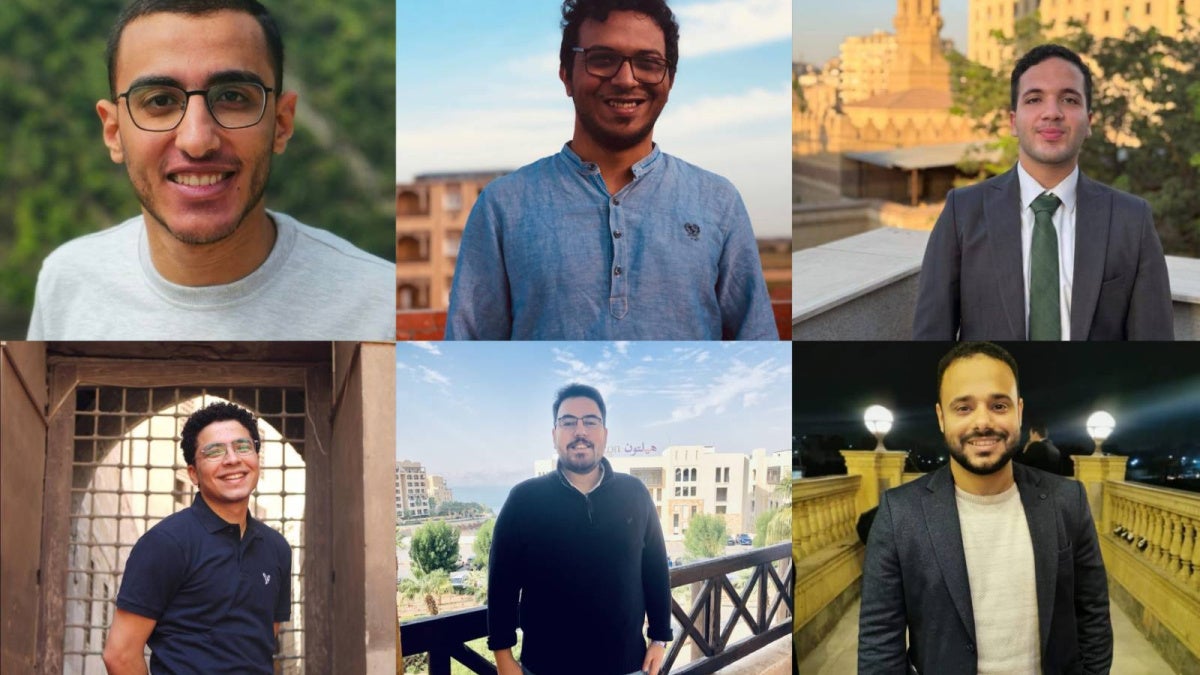
Click to expand Image Six journalists from the independent investigative journalism platform Matsda2sh arrested by Egyptian security forces between September 28 and 29, 2026. © Photo courtesy of The Tahrir Institute for Middle East Policy (TIMEP). (Beirut) – Egyptian security forces arrested six journalists working for the independent investigative journalism platform Matsda2sh on September 28 and 29, 2026, and appear to have forcibly disappeared them, Human Rights Watch said today. The journalists’ whereabouts are unknown and their families and lawyers have not been permitted contact with them. Security forces arrested the journalists in raids across the country. They are: Abdallah Qadry, Mohamed Ashraf Abu Emeira, Islam Barakat, Omar Helal, Mohamed Mahmoud, and Mohamed Adel. The six journalists constitute the investigate platform’s entire editorial newsroom. “Egyptian authorities’ simultaneous arrest of the entire newsroom at a prominent independent news platform is deeply alarming,” said Bassam Khawaja, deputy Middle East and North Africa director at Human Rights Watch. “Dismantling an entire newsroom in a matter of hours without warning or cause sends a chilling message to all journalists working in Egypt and shows just how little space is left there for critical reporting.” Matsda2sh was established in 2018 and publishes investigations and verifies information on issues of public interest in Egypt and the wider region. The Egyptian Initiative for Personal Rights (EIPR), whose lawyers represent all six journalists, said in a statement that security personnel who raided some of the journalists’ homes did not present arrest or search warrants and did not disclose the basis for their arrests or where they would be held. Security personnel also seized electronic devices belonging to the journalists and their family members. On October 1, Egypt’s Interior Ministry acknowledged the arrests and said the six journalists were suspected of preparing what it described as “fabricated news” for Matsda2sh and alleged that the platform is linked to the Muslim Brotherhood, an international Islamic social and political movement. The ministry did not, in its statement, identify the specific criminal charges the journalists face or disclose where they were being held. The platform has denied the allegations. More than 80 organizations including Human Rights Watch condemned the arrests and called for the release of the journalists. The arrests of the Matsda2sh journalists come amid longstanding restrictions on independent journalism and freedom of expression in Egypt. The country remains one of the world’s leading jailers of journalists, with 25 journalists behind bars, according to the Committee to Protect Journalists. In September 2025, authorities detained an independent journalist, Ismail Iskandarani, over Facebook posts and charged him with offenses including “spreading false news” and “belonging to a terrorist organization.” In 2026, the authorities prosecuted and imprisoned a writer and activist, Ahmed Douma, on “false news” charges stemming from an article and a social media post about detention conditions in Egypt. Human Rights Watch has previously documented repeated arrests and prosecutions of peaceful critics, human rights defenders, journalists, and online content creators in Egypt. Egyptian authorities routinely flout due process protections and security forces subject individuals under investigation to forcible disappearance, holding them in various places of detention. The International Covenant on Civil and Political Rights, to which Egypt is a party, protects the right to freedom of expression, including the freedom to seek, receive, and impart information and ideas. Under international law, the detention or abduction of a person by state forces, followed by the authorities’ refusal to acknowledge the deprivation of liberty or reveal the person’s whereabouts or situation, may constitute an enforced disappearance. “The incommunicado detention and potential enforced disappearance of six journalists raises serious concerns for their safety and due process rights,” Khawaja said. “Egyptian authorities should immediately disclose their whereabouts, grant access to their lawyers and families, and ensure that no journalist is detained or prosecuted for exercising their right to freedom of expression or for doing their job.”

Oct 2, 2026 · byHuman Rights Watch
Four in five households in Lebanon struggle to afford basic needs as conflict deepens deprivation for children – UNICEF [EN/AR]

Four in five households in Lebanon struggle to afford basic needs as conflict deepens deprivation for children – UNICEF [EN/AR]

Country: Lebanon Source: UN Children's Fund Please refer to the attached files. New UNICEF assessment finds children going hungry, missing health care and education, and experiencing widespread psychological distress BEIRUT, 30 September 2026 – Four in five households in Lebanon are struggling to afford basic necessities as conflict compounds years of economic crisis, pushing children into hunger, out of education and into work, UNICEF warned today. A new UNICEF report, An Enduring Nightmare, reveals the mounting toll on children and young people across Lebanon. More than one in five households surveyed - 22 per cent - reported that their children had gone to bed hungry in the previous two weeks, while 31 per cent said children had gone without needed health care, mainly because families could not afford it. Fourteen per cent reported at least one child working – more than twice the proportion recorded in January 2025. “Children and young people in Lebanon are being asked to bear a burden no child should have to carry,” said UNICEF Lebanon Representative Marcoluigi Corsi. “Families are being pushed to the brink, while children are missing health care and education, being pushed into work and experiencing profound psychological distress. Without urgent and sustained action, these pressures are shaping their lives for years to come”. The conflict has taken a devastating toll on children. Since 2 March 2026, at least 261 children have been killed and 1,056 injured – an average of seven children killed or injured every day over six months. An estimated 12 per cent of injured children are now living with a disability. Children’s education has also been severely disrupted. Some 436 schools have been damaged or destroyed, leaving around 100,000 children at risk of being without a classroom, while 86 teachers have been killed or injured. At the household level, 46 per cent reported cutting education spending and 17 per cent said their children had to stop attending school. Among children attending school, 29 per cent were unable to learn as expected, often because of difficulty concentrating and emotional distress. Beyond the visible destruction, the psychological toll is also profound. An estimated 770,000 children have experienced psychological distress over the past six months. More than half of households said their children’s emotional well-being had worsened, while almost two-thirds - 63 per cent - reported that their children were anxious or nervous. Young people in Lebanon also face shrinking opportunities. An earlier UNICEF assessment this year found that only 22 per cent of young people aged 18–25 were in school or university, largely because of financial barriers, while at the time of the survey, 67 per cent were unemployed. The findings point to the growing challenges young people face in continuing their education, accessing services and building their futures in Lebanon. UNICEF continues to respond to urgent humanitarian needs, including through supporting the national systems and services children and families depend on. Since January 2026, UNICEF has intensified its efforts to address humanitarian needs, treating injured children, delivering supplies to shelters and medical facilities, and providing care to displaced families. “Without urgent and sustained action, an entire generation of children and young people risks carrying the scars of this crisis into adulthood,” said Corsi. “Lebanon’s recovery depends on protecting children now and upholding their right to health care, education, protection and the opportunities they need to build their futures.”

UNICEFneutral
Sep 30, 2026 · byReliefWeb
United Arab Emirates: A Year On, Critic Remains in Detention

United Arab Emirates: A Year On, Critic Remains in Detention

Click to expand Image Samuel Peter Oyay © Private (Beirut) – A South Sudanese political commentator remains in prison in the United Arab Emirates (UAE) without charge a year after his arrest, Human Rights Watch said today. Emirati authorities have not disclosed the legal basis for the arrest of the commentator, Samuel Peter Oyay, to his family. Oyay fled South Sudan in 2014, fearing for his safety. He moved to the UAE and had been running a private business there. While in the UAE, Oyay had written regularly for independent South Sudan-focused platforms, accusing its government of corruption that benefits the elite. The UAE and South Sudan have strengthened their bilateral relations in recent years. In 2025, President Salva Kiir visited the UAE at least three times. “The UAE government’s zero-tolerance policy toward peaceful criticism is increasingly targeting critics of Abu Dhabi’s foreign allies who live in the UAE,” said Joey Shea, senior United Arab Emirates researcher at Human Rights Watch. “Emirati authorities should immediately release Samuel Oyay, who has been held for a year without charge.” In the last article published before his detention, on September 21, 2025, Oyay criticized the trial of Riek Machar, the suspended first vice president and leader of the main opposition party, as a ploy by President Kiir to weaken a rival rather than deliver justice. On September 22, 2026, the president dissolved the transitional government, most likely to pave the way for elections, while Machar and other key opposition figures’ trial was ongoing. On September 30, 2025, Emirati security forces in civilian clothes arrested Oyay in front of his four children at their home in Dubai after searching his home for two hours, an informed source told Human Rights Watch. During Oyay’s arrest, Emirati security forces did not show his family a warrant, or inform him of the charges or the legal basis for his arrest, the source said. UAE authorities allowed Oyay to call his family two weeks later, the source said, but did not disclose his whereabouts to his relatives for five months. On February 24, 2026, Oyay told the informed source that he was being held in al-Wathba prison. He was moved to another prison on March 3, the source said. Prison authorities allow Oyay one short phone call per week. Oyay’s family received a call from UAE authorities on March 2 authorizing a visit for March 3, but when they tried to visit him, the authorities told them that he had been moved to another prison that day, the source said. Emirati authorities called the family again on July 1 to schedule a visit for July 8, when they were finally able to visit, and have not been able to visit since. Human Rights Watch has previously documented that South Sudanese critics in exile have been disappeared or forcefully returned with support of the South Sudan government. In April 2024, a UAE company signed a €12 billion (US$12.9 billion) oil-for-cash deal with South Sudan. Most of South Sudan’s crude is refined in Fujairah, one of the UAE’s seven emirates. But South Sudan’s oil exports have been significantly impacted by the war in neighboring Sudan. Human Rights Watch has documented the UAE’s longstanding record of arbitrary detention, enforced disappearances, torture, denial of medical care, prolonged solitary confinement, and continued detention beyond completed sentences. Article 48 of the UAE’s criminal law of procedure states that detainees should be taken before the public prosecutor within 48 hours. The UAE’s 2003 State Security Apparatus Law, however, gives state security officers wide powers to hold detainees for lengthy periods without any judicial scrutiny. Article 28 of the state security law, read in conjunction with article 14, allows the head of the state security apparatus to detain a person for 106 days “if he has sufficient reasonable causes to make him believe” that the person is involved in, among other things, “activities that undermine the state … or jeopardize national unity,” “activities deemed harmful to the economy,” or anything that “could undermine, weaken the position of, stir animosity against or undermine trust in the State.” The state security apparatus law inherently violates international human rights law including article 14(5) of the Arab Charter on Human Rights, which states that “anyone arrested or detained on a criminal charge shall be brought promptly before a judge or other officer authorized by law to exercise judicial power and shall be entitled to trial within a reasonable time or to release.” The UAE ratified the Arab Charter in 2008. The UAE should ensure that in its law and practice, every detainee is taken within 48 hours before an independent judge to consider the legality and necessity of their detention and whether they should be immediately released, Human Rights Watch said. “The UAE’s continued detention of Oyay shows authorities’ relentless attack on human rights against its own citizens and residents who make the UAE their home,” Shea said. “The UAE isn't content with silencing their own critics but is also doing the same for its allies.”

Sep 30, 2026 · byHuman Rights Watch
Blackmail, ‘mafia boys’ and rants from a Beirut bedroom – after 10 weeks of theatre what might Icac deliver?

Blackmail, ‘mafia boys’ and rants from a Beirut bedroom – after 10 weeks of theatre what might Icac deliver?

You could be forgiven for thinking the inquiry has been a bit of a damp squib. But high-profile resignations are not the only measure of Icac’s success Get our breaking news email , free app or daily news podcast Many people watching the Independent Commission Against Corruption hearings in Sydney over the past two months have come to admire the forensic questioning of the counsel assisting the inquiry, Peggy Dwyer SC. As she set out the complicated allegations in detail on the opening day in July, Dwyer emphasised the central role of electoral donations laws, observing: “Money in politics, as in other spheres of life, has the potential to corrupt.” Continue reading...

Sep 29, 2026 · byThe Guardian
Ministry of Foreign Affairs announces opening of Electronic Visa Centre in Lebanon next month

Ministry of Foreign Affairs announces opening of Electronic Visa Centre in Lebanon next month

Abu Dhabi: The Ministry of Foreign Affairs has announced that an Electronic Visa Centre will open in Beirut, Lebanon, next month. Omar Obaid Al Shamsi, Under-Secretary of the Ministry of Foreign Affairs, underlined that the opening of the centre is in line with the unwavering endeavours to enhance fraternal ties between the two countries and their peoples and represents an important step in advancing bilateral cooperation. He underscored that the centre will enable visa applicants in Lebanon to complete the application process without leaving the country, helping streamline and expedite procedures in accordance with the regulations and requirements of the relevant entities. Al Shams emphasised that the opening of the centre reflects the UAE’s track record in adopting innovative digital solutions that simplify procedures, enhance service efficiency, and provide a more seamless and flexible user experience, both within and outside the UAE, in line with the UAE’s digital transformation goals.

Sep 28, 2026 · byMobile Business
Tales Of Syria’s Disappeared; Lebanese Wartime Adoption & Palestinian Mental Health Set For Cinemed-Aflamuna Project Incubator

Tales Of Syria’s Disappeared; Lebanese Wartime Adoption & Palestinian Mental Health Set For Cinemed-Aflamuna Project Incubator

France’s Montpellier Mediterranean Film Festival, also known as Cinemed, and Beirut-based Arab cinema platform Aflamuna have unveiled the selection for their fifth project incubator event, which will take place within the framework of the festival in October. The initiative, bannered the Aflamuna x Cinemed Encounters and supporting Arab filmmakers from across the Middle East and […]

Sep 25, 2026 · byDeadline
Enab Beirut remains a solid Levantine dining experience with Nile views to spare

Enab Beirut remains a solid Levantine dining experience with Nile views to spare

🍴 A slice of Beirut on the Nile: Zamalek is home to an eclectic dining scene with picturesque river views, and Enab Beirut sits comfortably right in the mix. The restaurant brings an authentic Levantine culinary experience to the heart of Cairo, leaning heavily into Lebanese classics — a fitting mandate for a venue bearing […] The post Enab Beirut remains a solid Levantine dining experience with Nile views to spare appeared first on EnterpriseAM Egypt .

Sep 25, 2026 · byEnterpriseAM Egypt
📰

Transavia France NW26 A320neo MENA Network Expansion

Published at 1900PDT 23SEP26 / 0200GMT 24SEP26 Transavia France during Northern winter 2026/27 season plans to expand Airbus A320neo network to Middle East and North Africa, reflected in recent schedule update. Paris Orly – Algiers eff 25OCT26 A320neo operates selected flights, instead of 737-800 Paris Orly – Beirut eff 14NOV26 A320neo operates selected flights, instead of 737-800

Transavianeutral
Sep 24, 2026 · byAeroRoutes
📰

EU adopts €505 million package to support Lebanon's stability, recovery and reforms

Countries: Lebanon, World Source: European Commission's Directorate-General for European Civil Protection and Humanitarian Aid Operations Today, the European Commission announced €505 million in financial support for Lebanon for 2026 and 2027 , the second half of the €1 billion support package announced by President Ursula von der Leyen during her visit to Beirut in May 2024. The new funding will cover three main areas and will support Lebanon in advancing key reforms; strengthening its economic recovery, enhancing security and border management; and maintaining essential services for the most vulnerable. It will also support Lebanon in addressing the consequences of instability, conflict and displacement in the region. The €505 million tranche will focus on: Basic services and support for vulnerable people: maintaining access to education, health, social protection and water. This includes cash assistance for vulnerable families and people with disabilities, and access to primary healthcare. EU will also support durable solutions for refugees from Syria, including safe, voluntary and dignified returns, while helping Lebanese authorities progressively take over and sustain essential services. Recovery, reforms and security: supporting Lebanon's reform agenda, including the justice sector, oversight and regulatory bodies and Parliament, as well as human rights. EU support will also contribute to strengthening the security sector, border management, private sector resilience and economic recovery in conflict-affected areas. Civil society and culture: supporting organisations working on the rights of women, young people, minorities and persons with disabilities, as well as initiatives promoting democratic participation, transparency and the fight against corruption. Support will also help strengthen social cohesion and protect Lebanon's cultural heritage. Commissioner for the Mediterranean Dubravka Šuica announced the funding in New York, in the margins of the 81st United Nations General Assembly. Background In May 2024, President of the Commission Ursula von der Leyen announced a €1 billion EU financial support package for Lebanon for 2024–2027 to contribute to the country's socio-economic stability, strengthen basic services, support reforms and economic recovery, and enhance security and border management. The first €500 million tranche, covering 2024 and 2025, was adopted in August 2024. This year's escalation has resulted in over 1 million internally displaced persons since March. For the displaced, humanitarian needs have been particularly high. The EU has been providing €100 million in humanitarian aid in Lebanon in 2026, delivering life-saving assistance including emergency healthcare, shelter, basic needs, protection and education. Beyond humanitarian aid, to address the current immediate needs, following the escalation, the Commission has mobilised additional assistance under the €1 billion financial support package to support the government-led emergency response, including cash assistance measures and support to healthcare and education. Since 2011, the EU has provided more than €3.5 billion in assistance to Lebanon , including support for vulnerable Lebanese and refugees from Syria. EU support is implemented in cooperation with Lebanese authorities, UN agencies, international organisations and civil society partners. Quote(s) For as long as Lebanon’s needs require it, the European Union will keep supporting the country. That is why we are sending an additional €505 million to meet the immediate needs of the Lebanese people and the country’s longer-term recovery. In parallel, a new EU mission in Lebanon is in the works to advise and train the country's armed forces to provide security across its territory. A strong and stable Lebanon is fundamental for long-term peace in the Middle East. Kaja Kallas, High Representative for Foreign Affairs and Security Policy/Vice-President of the European Commission The European Union stands firmly with Lebanon and its people. With the adoption of the second €505 million tranche of our €1 billion package, we are supporting Lebanon’s recovery and reforms, strengthening its institutions and security, and helping protect the most vulnerable. A strong and sovereign Lebanon, with effective state institutions and the state exercising full control over its territory, is essential for lasting stability and prosperity. As Mediterranean partners, our futures are closely connected, and the EU will continue to support Lebanon on this path. Dubravka Šuica, Commissioner for the Mediterranean

Sep 24, 2026 · byReliefWeb
Shadows of Beirut review – chaos and crisis as woman goes back to birth city in fractured Covid-era drama

Shadows of Beirut review – chaos and crisis as woman goes back to birth city in fractured Covid-era drama

A London-dwelling émigrée goes back to Lebanon to see her dying father in this somewhat overwrought film examining a difficult childhood This somewhat overwrought drama was apparently shot during the Covid-19 pandemic, partly in the city of the title and partly on sets in a Bulgarian studio. Its higgledy-piggledy production schedule perhaps accounts for the film’s fractured, frenetic quality and the feeling that the characters are perpetually in motion. Mind you, to be fair, the shredded editing might also be meant to reflect the distraught mental state of protagonist Lana (Tala Calil, also co-writer and producer) and the energy of the city itself, a municipality ravaged by wars that also has some of the most chaotic traffic in the Middle East. There’s even a scene where Lana’s new friend Sirine (Flavia Bechara) is driving and wants to take her coat off so she makes Lana take the wheel, much to Lana’s terror and distress, a nonchalance about safety believable for a city where traffic lights appear to be only a suggestion. That said, Lana has a lot going on so she’s easily rattled. She left Beirut 25 years earlier, and has only come back to see her biological father of whom she has only negative memories, from a childhood blighted by his alcoholism and violence. These days she lives in London with her boyfriend Ben (Michael E Rodgers) and her mother, but the former relationship is also rocky due to Lana’s OCD. She’s obsessed with wearing as much sanitary PPE kit as possible, including not just an N95 (in UK FFP2) mask but one of those full-face clear plastic ones, too. However, she suddenly finds the strength to stop wearing all the gear when she gets back to Beirut and reconnects with her cousin Rami (Assaad Bouab). She starts to open up a bit more, and befriends the aforementioned Sirine, who helps Lana when she’s having a panic attack at the hospital. By slow degrees she works up enough fortitude to face her father before he dies, but that means confronting some family secrets she never knew. Continue reading...

Sep 22, 2026 · byThe Guardian
📰

Is Hezbollah finished, or just adapting?

Generation Jihad guest host David Daoud, an FDD senior fellow focused on Lebanon and Hezbollah, talks with Lina Khatib, an associate fellow in Chatham House’s Middle East and North Africa Programme, about her July trip in southern Lebanon, why the 2006 war never put the LAF in charge of the border, and whether Beirut can take Hezbollah’s weapons now that the group is weaker and Assad is gone. The post Is Hezbollah finished, or just adapting? appeared first on FDD's Long War Journal .

Sep 18, 2026 · byLong War Journal
Lebanon: Migrant Presence Monitoring Round 6

Lebanon: Migrant Presence Monitoring Round 6

Country: Lebanon Source: International Organization for Migration Please refer to the attached file. The MPM is an annual assessment implemented through IOM’s Displacement Tracking Matrix (DTM) to provide updated information on the presence and characteristics of migrant populations in Lebanon. The assessment supports evidence-based humanitarian programming, planning and decision-making by providing information on migrants’ geographic distribution, nationalities, sex and age profiles, and living arrangements. Key findings include: 164,490 migrants were identified across Lebanon, representing a 0.24% increase from 164,097 in 2025. 81% of the identified migrant population is concentrated in Mount Lebanon and Beirut Governorates. Compared with 2025, notable geographic shifts were observed, including a 26% increase in Beirut, alongside decreases of 57% in El Nabatieh and 18% in the South. The largest nationality groups are Ethiopian (43%), Bangladeshi (22%), Sudanese (9%), Filipino (8%), and Egyptian (5%). 71% of identified migrants are women and 29% are men. Approximately 3% (5,749 individuals) are children. 52% (85,521 individuals) are classified as “live-in” migrants, while 48% (78,969 individuals) are “live-out”. Overall, the assessment identified migrants from 77 nationalities across Lebanon. The report provides further analysis at governorate, district and cadaster levels, including demographic characteristics and living arrangements, as well as comparisons with the previous MPM round.

Sep 18, 2026 · byReliefWeb
Lebanon on Paris talks : 'the general sentiment here is very little hope'

Lebanon on Paris talks : 'the general sentiment here is very little hope'

Lebanese President Joseph Aoun is in Paris for talks with Emmanuel Macron, but on the ground many Lebanese say they have little hope after months of war with Israel, the continued occupation of parts of southern Lebanon and uncertainty over regional tensions. FRANCE 24's Renée David reports from Beirut on hopes that Aoun and Macron can rally international backing and secure a framework agreement to help stabilise the country.

Sep 17, 2026 · byFrance 24
Lebanon Cash Working Group: Situation Report #5 (Reporting period: as of August 2026)

Lebanon Cash Working Group: Situation Report #5 (Reporting period: as of August 2026)

Country: Lebanon Source: UN High Commissioner for Refugees Please refer to the attached file. Situation Overview During August, humanitarian needs in Lebanon remained substantial despite a continued decline in overall displacement and further population returns. As of 26 August, IOM DTM recorded 334,353 internally displaced people, a 4% decrease compared with 19 August, while 823,337 people had begun returning to their communities, representing a 1% increase over the same period. A further 19,543 people remained registered across 196 collective sites, down 10% from the previous round. Displacement nevertheless remains highly concentrated, with Beirut, Saida, Sour, Chouf and Aley hosting 77% of all IDPs, while 94% of displaced people originate from just five districts, primarily Bent Jbeil, El Nabatieh and Sour. Population movements also remain geographically complex: 79% of IDPs are displaced outside their governorate of origin, reflecting continued di erences in security, accessibility and conditions for return across a ected areas. While the overall trajectory remains towards return, the reduction in displacement should not be interpreted as a corresponding reduction in humanitarian needs. Returns are concentrated in a limited number of areas, with 87% of returned IDPs arriving in Sour, El Nabatieh, Baabda, Saida and Baalbek. At the same time, the majority of remaining displaced households continue to carry substantial accommodation and living costs: 74% of IDPs are living in rental housing, 11% in host settings, 9% in second homes, around 5% in collective sites and 1% in at-risk shelter conditions. These patterns reinforce the increasingly fluid nature of displacement and return, with households navigating insecurity, damaged or inaccessible housing, disrupted services, livelihood constraints and the costs associated with prolonged displacement. Humanitarian priorities therefore continue to span both displaced and returning populations, including cash assistance, shelter rehabilitation, restoration of basic services, health care, protection and livelihoods support. Against this backdrop, the Cash Working Group (LCWG) continued to support the transition from broad emergency assistance towards more targeted interventions under the Shock Responsive Safety Net (SRSN), while advancing planning for assistance beyond the Flash Appeal through the 2026 LRP Addendum. The latest mobility trends reinforce the need for targeting approaches that consider vulnerability and household circumstances rather than displacement status alone, particularly as return does not necessarily signal recovery or reduced need.

Sep 16, 2026 · byReliefWeb
Jean Nassif swears during Icac evidence and declares ‘no one can make me shut up’

Jean Nassif swears during Icac evidence and declares ‘no one can make me shut up’

Fugitive property developer beams in from Beirut bedroom to declare ‘I’m not corrupt’ and waves handwritten notes at counsel assisting Peggy Dwyer Follow our Australia news live blog for latest updates Get our breaking news email , free app or daily news podcast Fugitive property developer Jean Nassif has declared he cannot be silenced as he ranted about “crook” politicians and proclaimed his innocence during an expletive-laden tirade at the New South Wales anti-corruption watchdog. Nassif, 58, on Tuesday dialled into the Independent Commission Against Corruption’s inquiry via video link from his Beirut bedroom. Continue reading...

Sep 15, 2026 · byThe Guardian
📰

Yemen: New Attacks by Houthi Include Likely War Crimes

Click to expand Image The navigation bridge of a sunken vessel in the Port of Mokha, Yemen, the day after an attack by the Houthis on the city, August 10, 2026. © 2026 Khaled Ziad/AFP via Getty Images (Beirut) – The Houthis’ latest attacks on commercial vessels in the Red Sea and the Gulf of Aden most likely amount to war crimes in at least three cases, Human Rights Watch said today. The attacks follow the Houthis’ announcement on July 20, 2026, that they would impose a maritime embargo on Saudi Arabia, in response to what they claimed is a Saudi sea and air blockade on Yemen, where the Houthis control the northwestern part of the country. The new attacks targeted at least two Saudi-flagged vessels, a Tanzania-flagged vessel, and a Dominica-flagged vessel. Attacks on civilians or civilian objects committed recklessly or with deliberate intent constitute war crimes. “The Houthis are once again putting seafarers’ lives at deadly risk through their attacks on commercial ships, this time as part of their hostilities with the Saudi-led coalition,” said Niku Jafarnia, Yemen and Bahrain researcher at Human Rights Watch. “Whatever the geopolitics, attacks on civilian crews carried out deliberately or recklessly are war crimes.” Click to expand Image Graphic © 2026 Human Rights Watch As of August 24, the Houthis claimed that they had targeted at least nine vessels since July 20. Saudi and Yemeni authorities, a shipping company, and a ship’s master confirmed four of these attacks: Encelia, Daisy, Tihamah, and Amzan. The Houthis claimed there was a military objective only in the attack on the Tihamah, which they said carried Saudi military equipment. In addition, on July 24, the Saudi Press Agency, Saudi Arabia’s official state news agency, and a vessel’s operating company stated that the NCC Masa had been targeted by the Houthis in the Red Sea, an attack that the Houthis did not claim. Human Rights Watch reviewed data from the United Kingdom Maritime Trade Operations and vessel tracking websites to corroborate the type of vessel attacked and the reported locations and timing. Researchers verified photographs and a video posted online after the attack on the Tihamah. Human Rights Watch wrote to Bihar International Company, which operates Daisy and Encelia; Bahri, which operates Amzan; and Thubab for Marine services, which owns the Tihamah vessel, regarding the attacks but has not received any responses. Evidence reviewed by Human Rights Watch, including Houthi statements and publicly available information about the ships, indicates that the Houthis knew or should have known that the Encelia, Daisy, and Amzan were commercial vessels carrying civilians. Human Rights Watch could not confirm their cargos. But the Houthis have not produced any evidence to show that there were military targets on these ships. On July 23, the Houthis said that they had targeted two Saudi-flagged oil tankers the day before, including the Encelia, using ballistic and cruise missiles and drones. The Saudi Press Agency, citing the Transport General Authority, confirmed that the Encelia had been hit and caught fire at the bow. The authority also confirmed that all crew members were safe and that authorities had secured the vessel and taken measures to protect the marine environment. On July 25, the Saudi-led coalition carried out military strikes against sites that Turki al-Malki, the coalition spokesperson, said the Houthis had used to threaten commercial vessels in the Red Sea. He said that the coalition “will continue to undertake all necessary operational procedures and measures (…) to protecting our vessels.” Human Rights Watch has not investigated the coalition strikes and could not independently confirm the nature of the sites targeted. On August 5, the Houthis announced that they had targeted the Daisy, a Dominica-flagged oil tanker. At 5:30 p.m. local time on August 5, the Daisy’s master reported a loud explosion as it moved west in the Gulf of Aden and said that shockwaves from the explosion had caused minor damage, but that the crew was safe, UK Maritime Trade Operations reported. Marine Traffic, a vessel-tracking website, showing that the tanker later continued to Djibouti. On August 11, the Houthis announced that they had targeted the Tihamah, a Tanzanian-flagged deck cargo ship, in the Bab el-Mandab Strait. At 5:07 a.m. local time, Wadah Al-Dubaish, spokesperson for Yemeni government-aligned joint forces on Yemen’s west coast, posted on X that a civilian ferry used to transport citizens and food supplies had been targeted near Bal el-Mandab. The last signal sent from the Tihamah was received by the vessel-tracking website Marine Traffic at 04:39 a.m. local time. According to the Yemeni government’s Transport Ministry, the vessel was targeted with “three consecutive ballistic missiles.” The attack killed at least four crew members, including three Pakistani nationals and one Indonesian national, and killed two rescuers from the Yemeni Coast Guard. The attack also injured at least 10 others. Though the Houthis later said that the Tihamah was transporting Saudi military equipment, the Yemen Transportation Ministry’s statement said that the Tihamah is a commercial civilian vessel that was carrying food supplies. Human Rights Watch was unable to confirm what cargo the vessel was carrying. Three photographs and one video verified by Human Rights Watch and geolocated to Bab el-Mandab Strait show the aftermath of the attack. The video shows smoke billowing from the Tihamah. Human Rights Watch wrote to the Houthis on September 7, asking them to provide evidence of the military targets onboard but has not received any response. On August 24, the Houthis announced that they targeted the Amzan, a Saudi-flagged oil tanker, with a ballistic missile. One hour later, the tanker’s operating company, Bahri, released a statement confirming a security related incident involving this ship and announced that all crew members were safe and accounted for, with no reported injuries. International humanitarian law protects civilians and civilian objects from attack at all times. Parties to a conflict must do everything feasible to confirm that a target is a military objective before and during attacking it and must take precautions to minimize civilian harm. A person who commits serious violations of the laws of war with criminal intent—that is, intentionally or recklessly—may be prosecuted for war crimes. Individuals may also be held criminally liable for assisting in, facilitating, aiding, or abetting a war crime. Commanders and fighters who knowingly or recklessly attack civilians or civilian objects, or who help others carry out such attacks, may be criminally liable for war crimes. In the case of the Tihamah, Human Rights Watch could not verify whether there was military equipment aboard the vessel. However, even if there was, any attack on the vessel with a civilian crew is still subject to the requirements of proportionality. Disproportionate attacks include those that may be expected to cause excessive damage to civilians and civilian objects in relation to the concrete and direct military advantage anticipated from the attack. The Houthis have repeatedly attacked commercial ships in the Red Sea since November 2023, placing civilian mariners at risk. The Houthis also previously detained 25 members of the crew of the Galaxy Leader, a British-owned and Japanese-operated vehicles carrier registered in the Bahamas and seized the ship. They held the crew forover a year, and continue to hold the ship. Human Rights Watch previously found that these attacks are likely war crimes. “Civilian crew members should not have to put their lives at risk to carry out their jobs,” Jafarnia said. “The Houthis should immediately and unconditionally end all unlawful attacks on civilian ships in the Red Sea and Gulf of Aden.”

Sep 15, 2026 · byHuman Rights Watch
Lebanon: Humanitarian needs remain acute amid continued uncertainty

Lebanon: Humanitarian needs remain acute amid continued uncertainty

Country: Lebanon Source: International Committee of the Red Cross After months of hostilities, many families across Lebanon are returning to find their homes damaged, services such as health care disrupted, and their sources of income lost. For some, current conditions still make return impossible. Entire towns and villages in Lebanon have suffered widespread destruction and remain largely inaccessible following intense hostilities and destruction. As of 26 August 2026, more than 334,000 people remained displaced, unable to return because of security concerns, damage and limited access to essential services. The International Committee of the Red Cross (ICRC) is scaling up and adapting its response to the evolving situation by continuing to help address the immediate needs of the affected population, while supporting the restoration of services, early recovery and livelihoods to help communities return and recover. Bringing health care closer to communities Access to health care remains limited, particularly in areas of return where services have been disrupted. Only 4% of households surveyed by the World Health Organization in southern Lebanon and Beirut’s southern suburbs reported full access to health care following the closure of dozens of primary health-care centres and several hospitals during the escalation. Medical facilities have also faced shortage in essential supplies and damage to infrastructure with attacks affecting health-care personnel and services being reported. Since April 16, the ICRC has supported more than 70 medical and health care facilities and services, including 12 hospitals, 21 primary health-care centres, 4 mobile medical units, 23 emergency medical service centres, and physical rehabilitation centres, with essential medical supplies, medications, consumables, equipment and other critical support. This assistance has been essential in helping these facilities remain operational and continue providing essential health-care services to conflict-affected communities. Capacity-building activities have also been resumed to enhance emergency preparedness of key health care facilities. In areas where communities have no direct access to health-care facilities and medical personnel are unable to reach those in need, the ICRC stands ready to operate mobile medical units to bring health care closer to those in need. Meanwhile, ICRC is still supporting the mobile medical units deployed by the Lebanese Red Cross in the Tebnine catchment area, and the Ministry of Social Affairs in the Marjayoun catchment area. These efforts aim to help ensure that lack of essential health-care services does not become another obstacle for families trying to rebuild their lives. Supporting families to regain their livelihoods The consequences of the conflict are also economic. Many families have lost businesses, agricultural equipment, livestock, or other sources of income, leaving them dependent on assistance even after returning home. The impact has been particularly severe in agricultural communities, with an estimated 72% of farmers reporting losses of income and a drastic decrease in agricultural production according to the Ministry of Agriculture. The ICRC has started livelihood assessments of conflict-affected communities to better understand their needs and identify opportunities to help families restore their sources of income and regain greater independence. Supporting sustainable livelihoods is an important step towards moving from immediate relief to longer-term recovery. Strengthening access to clean water For returning families, functioning water networks, health-care facilities and other essential services are fundamental to making their return sustainable. The ICRC strengthened access to essential water and health services across affected areas by repairing and rehabilitating pumping stations, boreholes and water networks; installing and donating pumps, generators, solar systems and other critical equipment; and delivering more than 135,000 litres of fuel to 70 water stations in the south. The ICRC also supported water establishments by maintaining 41 vehicles, providing essential equipment and tools, and facilitating access for technical teams to carry out urgent repairs. In the health sector, the ICRC helped maintain the continuity of hospital services by delivering nearly 240,000 litres of fuel, as well as oxygen, LPG and water; providing generators, maintenance materials and other essential supplies; carrying out urgent maintenance and repairs, including to conflict-related damage; and improving hospital infrastructure through the installation of cold storage and storage facilities, solar systems. The ICRC further supported municipalities and the Lebanese Red Cross by providing search and rescue equipment, fuel and solar lamps, and improving water and sanitation systems in six collective shelters. Together with the South Lebanon Water Establishment, the ICRC built a remote monitoring and operation centre for pumping stations serving southern Lebanon.That system enables engineers to remotely monitor and operate connected water stations, receive real-time alerts and respond more quickly to equipment failures, leaks and power cuts. By improving the management of the network, the system helps strengthen the reliability of water services for communities across southern Lebanon. Supporting return and recovery Today, the ICRC's work in Lebanon combines continued assistance and protection to restore essential health care, water services and support livelihoods in communities affected by the conflict. For families returning home, these efforts are about being able to live in their communities again, access basic services, earn an income and begin rebuilding their lives with dignity. In parallel, the ICRC continues its bilateral confidential dialogue with the parties to the conflict on the protection of civilians, health-care services and critical infrastructure essential to the provision of basic services. The ICRC also continues to support families searching for missing relatives. For tens of thousands of people across Lebanon, recovery has only just begun. For many others, the path to recovery remains challenging, as conditions continue to affect their return home and their ability to rebuild their lives. “I would like to walk again along the beach in Tyr, and to feel the sense of safety we used to feel before, without the fear that a missile might target us at any moment, or that we go out and return only to discover that those we love, or our family members, are no longer there.” – Rita from Tyr in southern Lebanon

Sep 11, 2026 · byReliefWeb