Woman Says United Airlines Didn't Alert Police Over Seatmate's Lewd Act, Gave Only $100 Credit
United Airlinescritical
83 articles
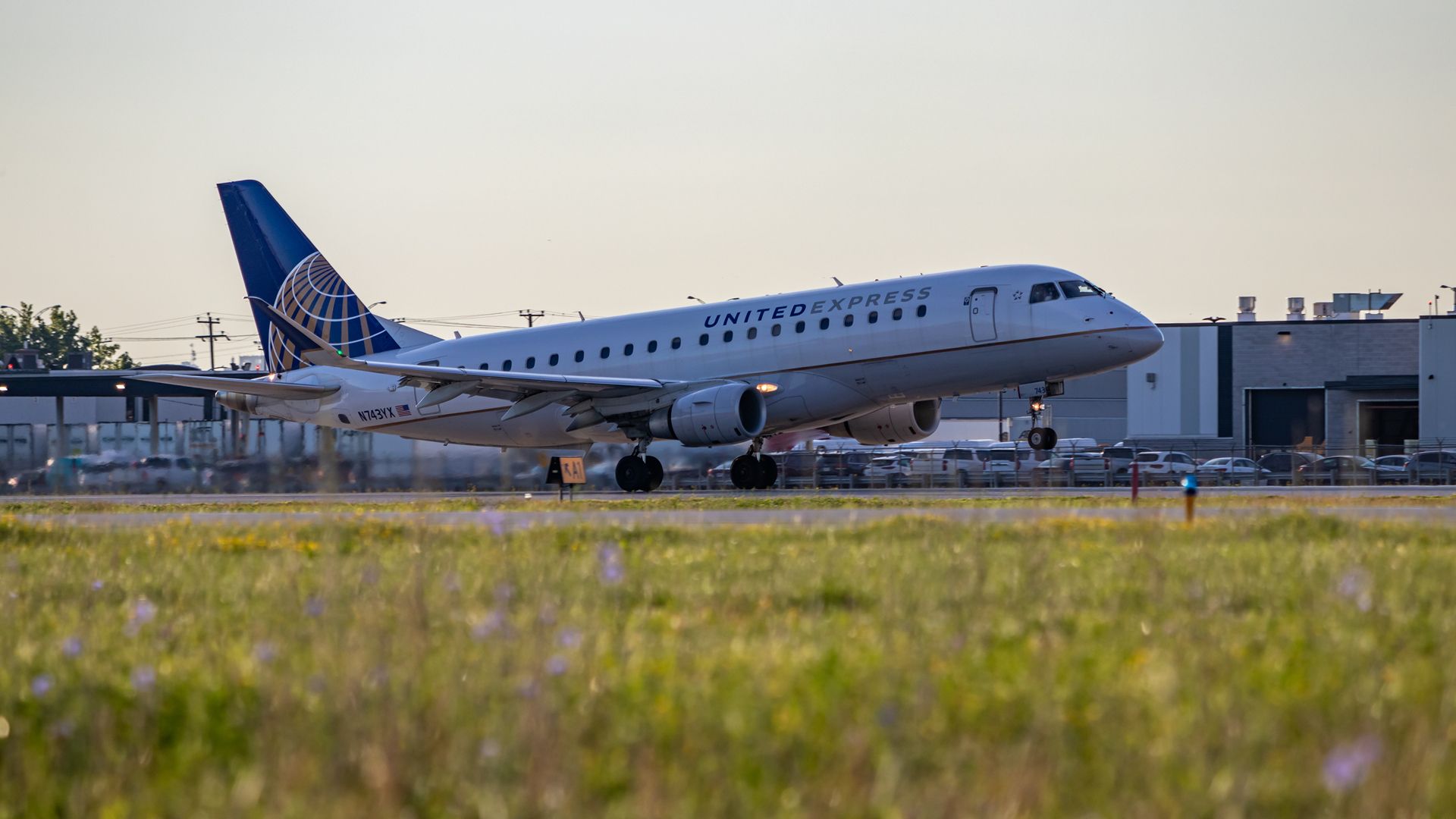
The female passenger was told by crew to return to her seat after reporting the man's indecent behavior.
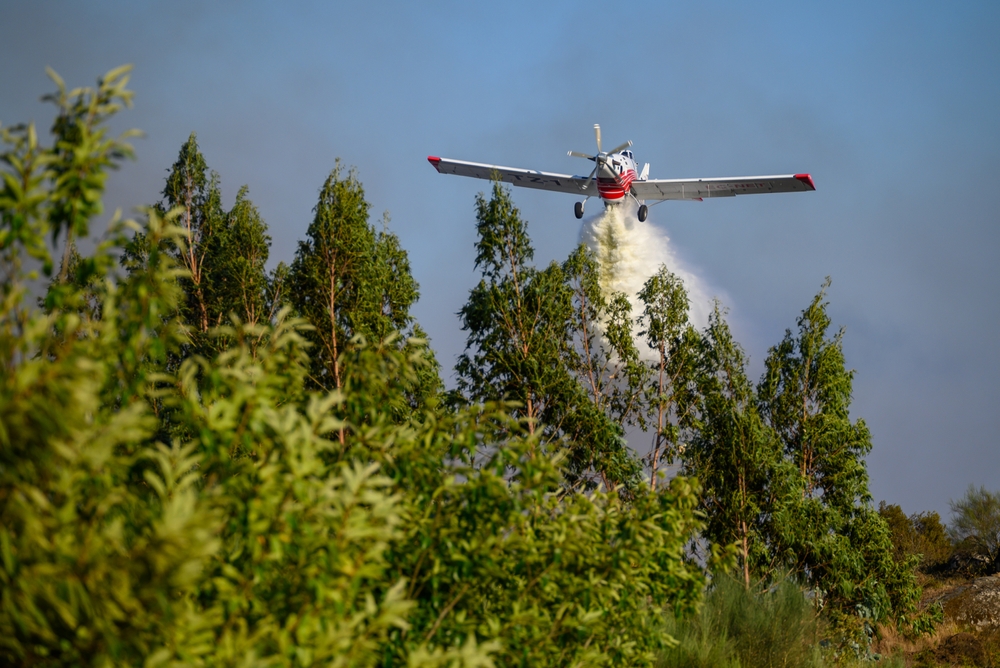
Pilot continued water drops after mistaking the alleged bullet strike for a bird.
 Sep 22, 2026 · byAVweb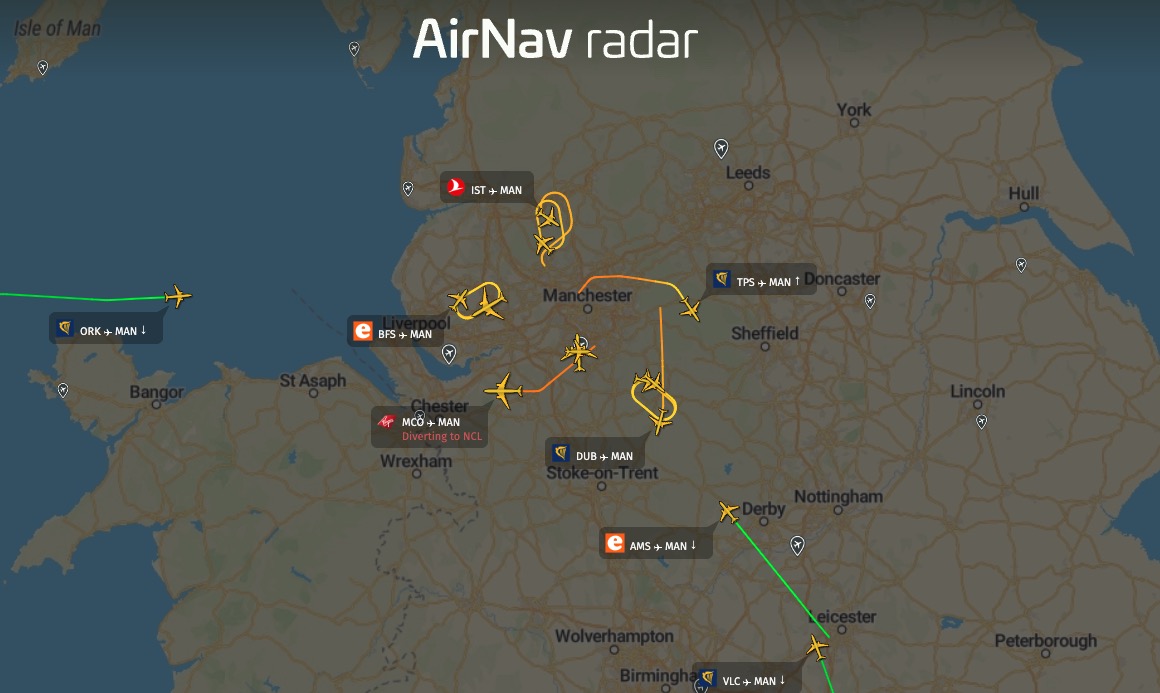
MANCHESTER, UK — Flight operations at Manchester Airport (MAN) have been temporarily suspended following a drastic drop in visibility caused by heavy fog across the region. Visibility at the airfield fell to just 300 meters, prompting air traffic controllers to halt incoming and outgoing flights for safety reasons. Ground crews and navigation services implemented low-visibility […] The post Flight operations currently halted at Manchester Airport appeared first on AIRLIVE .
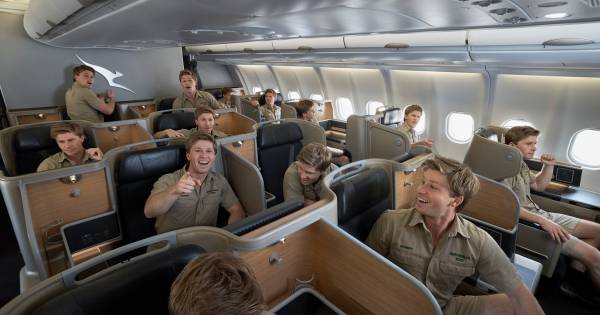
Qantas today announced a collaboration with wildlife conservationist Robert Irwin, marking the occasion with a campaign image featuring an entire cabin full of the man himself. The campaign also features Robert and a Qantas cabin crew explaining to the world that “nah yeah” means yes and “yeah nah” means no, and discovering another Qantas cabin crew has had his artwork tattooed on their arm for years.

© AvioRadar Zagreb International Airport Ltd., the concessionaire of Franjo Tuđman Airport, has announced a vacancy for a Legal Affairs Advisor. Applications are open until 28 September 2026, with the advertised gross monthly salary set at EUR 2,381. The successful candidate will join the legal team of Zagreb International Airport, which operates within a concession... The post Zagreb International Airport is hiring a legal affairs advisor appeared first on AvioRadar .
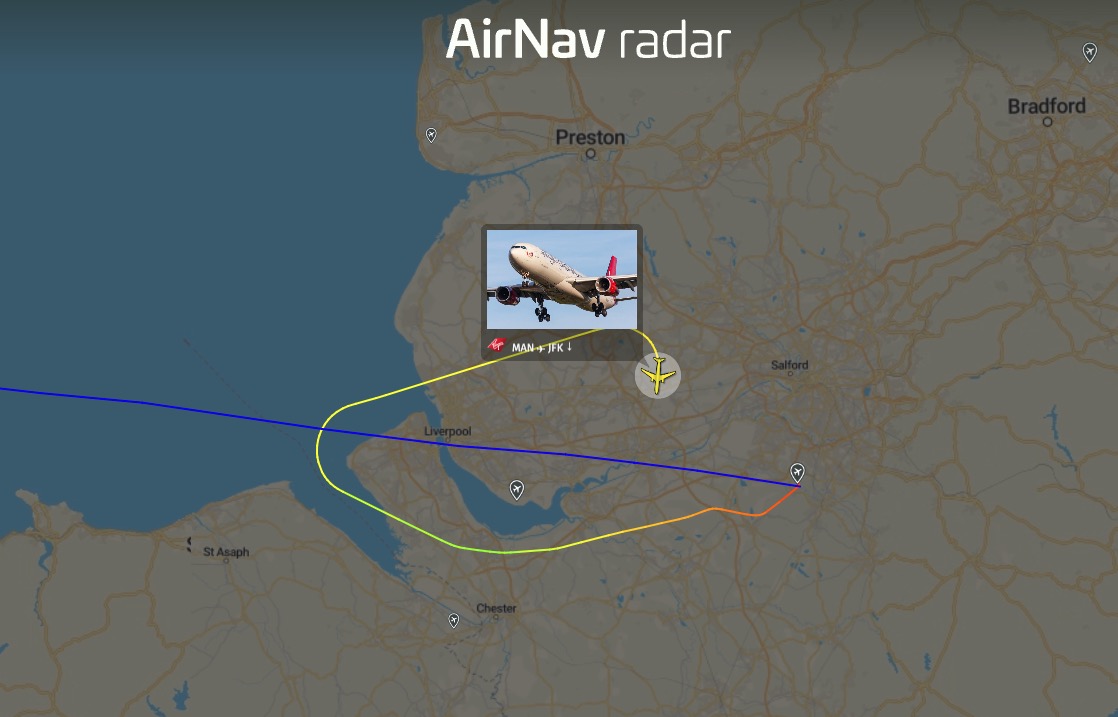
MANCHESTER — A Virgin Atlantic flight bound for New York has been forced to abort its transatlantic journey and return to Manchester Airport shortly after departure following an inflight emergency. Flight VS127, operated by an Airbus A330-300 (registration G-VSXY), departed Manchester Airport (MAN) on schedule at 14:55 BST for what was intended to be a […] The post Virgin Atlantic flight VS127 to JFK is declaring an emergency after takeoff from Manchester appeared first on AIRLIVE .
“The collaboration and hard work of everyone involved in the search helped locate Craig safely. We appreciate the Michigan State Police personnel who helped, as well as our partners at the U.S. Coast Guard, National Park Service, Michigan Department of Natural Resources, Keweenaw County Sheriff’s Office, Wisconsin State Patrol, and Minnesota Department of Public Safety. We’re also thankful to the fellow hikers who helped, Isle Royale Seaplanes, and No One Left Behind K9 Search and Rescue. Everyone’s efforts played an important part in finding Craig.” Source: Lt. Ben Eckola, Michigan State Police Eighth District Public Information Officer, in remarks made as the Coast Guard and Michigan State Police rescued an injured, ailing man Saturday after he went missing in Isle Royale National Park on Sept. 5. With the assistance of good Samaritan backpackers, Michigan State Police troopers and K-9 units located Craig Berg, 70, who was reportedly injured and hypothermic on Isle Royale.
 Sep 18, 2026 · byAero-News Network
-copy.jpeg?width=1200&auto=webp&trim=17%2C192%2C547%2C1)
Layne Lundeen told a judge in Annapolis, Maryland that he cannot remember anything that happened on the flight
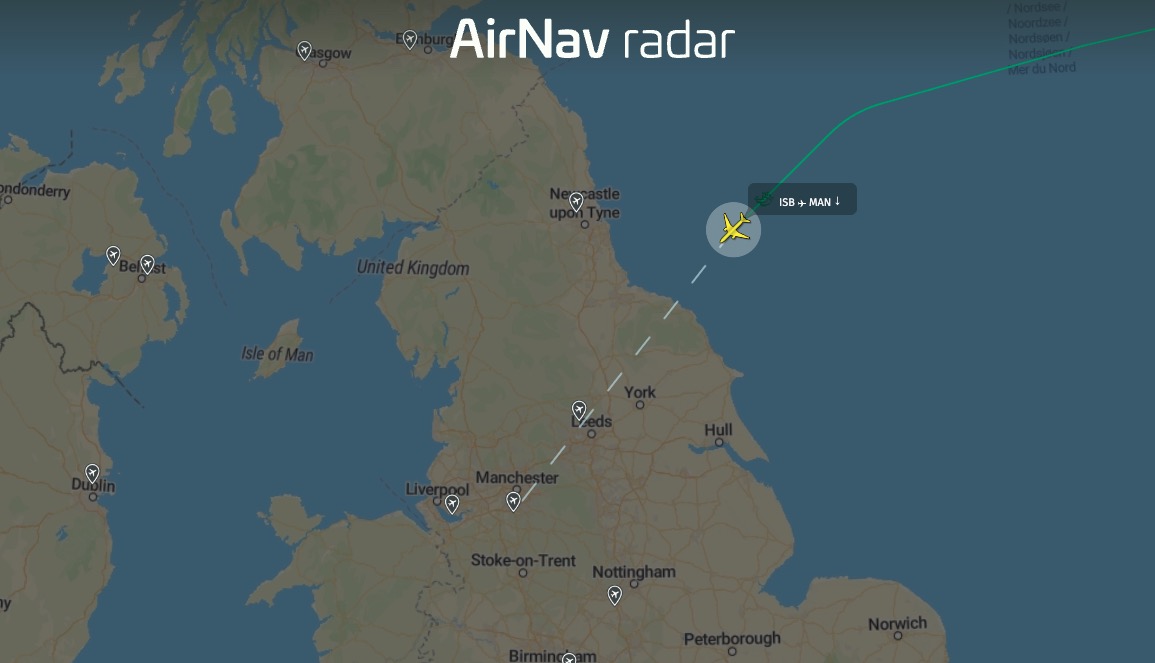
A Pakistan International Airlines (PIA) Boeing 777 bound for Manchester Airport declared a general emergency shortly after crossing into British airspace on Wednesday. Flight PK701, operated by a Boeing 777-240LR (registration AP-BGY), departed Islamabad International Airport (ISB) at 12:15 PKT. After roughly eight hours of routine flight across Central Asia and Europe, the flight crew […] The post Pakistan Airlines Boeing 777 is declaring an emergency on approach to Manchester appeared first on AIRLIVE .
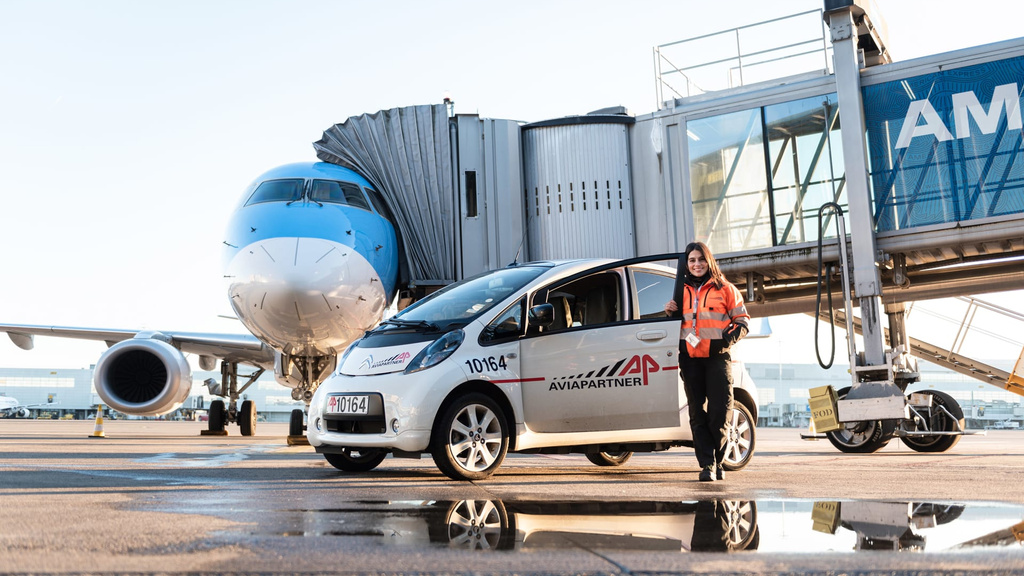
© Aviapartner (Illustration) The Croatian Civil Aviation Agency (CCAA) has completed the selection procedure for the second ground handling service provider at Zagreb Franjo Tuđman Airport. Aviation Ground Handling Services S.A., operating under the Aviapartner brand, has been selected for a period of seven years. The decision covers two categories of ground handling services –... The post Aviapartner selected as second ground handling provider at Zagreb Airport appeared first on AvioRadar .
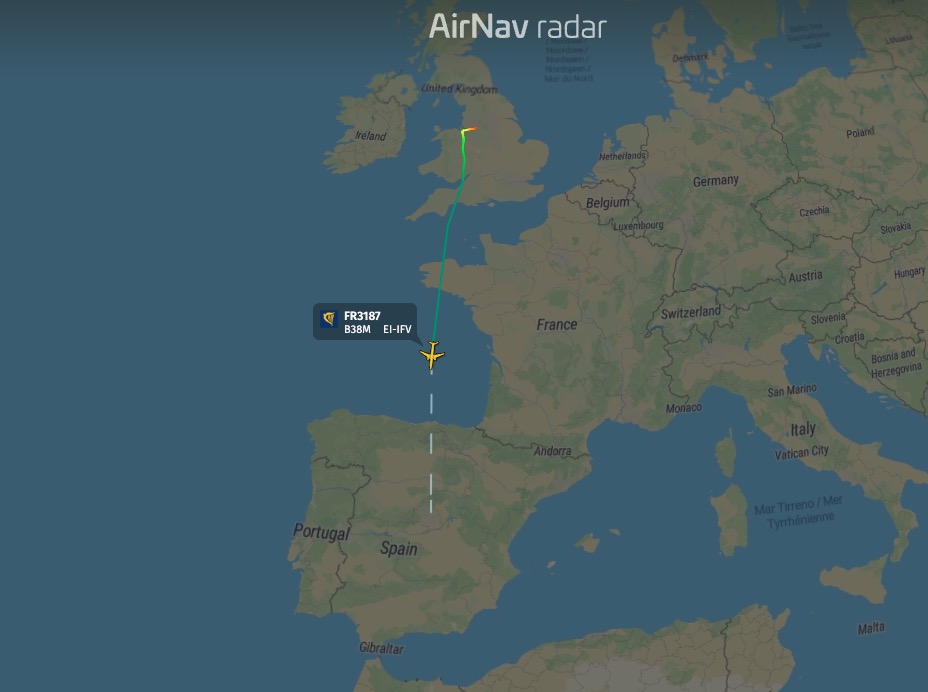
A Ryanair flight from Manchester to Madrid requested a full technical inspection upon landing in the Spanish capital following a suspected bird strike during departure from England. MADRID — Flight FR3187, operated by a Boeing 737 MAX 8 (registration EI-IFV), took off from Manchester Airport‘s runway 23L at 1:45 PM BST. Despite the potential incident […] The post Ryanair Boeing 737 MAX 8 is requesting inspection in Madrid after possible birdstrike on takeoff appeared first on AIRLIVE .
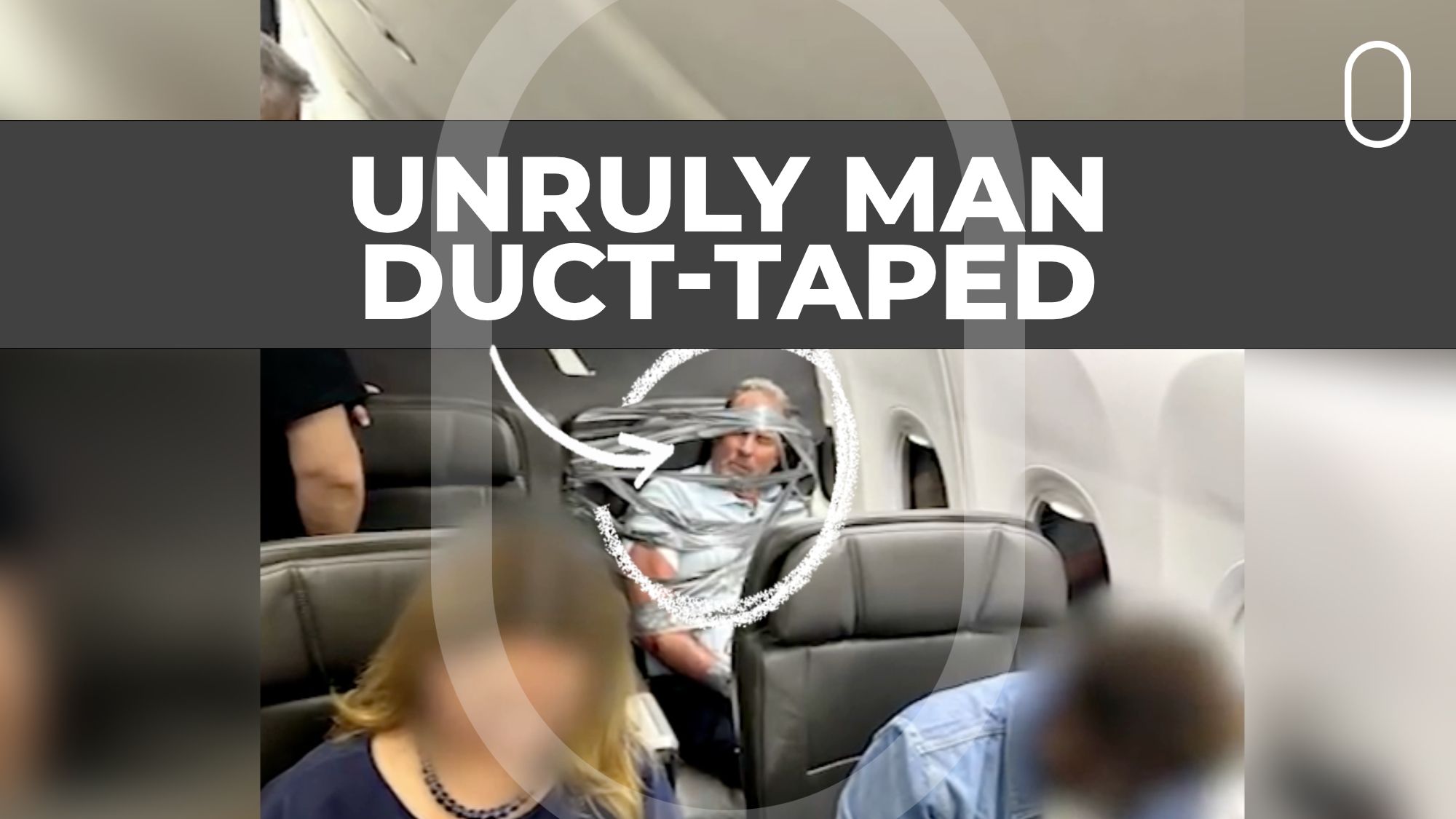
Three passengers on an American Airlines flight from Dallas to Newark restrained a fellow traveler with zip ties and duct-taped him to his seat after he bit one of the men trying to hold him down. The 67-year-old man turned violent during a racist and homophobic tirade in the Domestic First Class cabin, assaulting two passengers and shouting slurs at a flight attendant.

Trip Report Written by jsg Wondering what happened before Luxembourg? Check out yesterday’s Part I . Luxembourg. The tiny country of Luxembourg, tucked between France, Belgium and Germany, is a true gem. Walking through its capital is an experience in itself. The streets are remarkably clean and well maintained, with the old town offering a pleasant maze of narrow streets and small squares. Charming squares surrounded by cafés and restaurants invite visitors to sit down, enjoy a meal and simply soak up the lively atmosphere. Its historic layout creates an almost orderly pattern in some areas, while the city’s elevated position provides spectacular views over the surrounding valleys and low, wooded hills. One of the most beautiful parts of the city is Grund, the picturesque lower town nestled in the Alzette valley. Its narrow streets, historic houses, stone bridges and riverside paths create a completely different atmosphere from the elegant upper town, making it one of my favourite places to explore on foot. The contrast between its industrial past, historic old town, charming Grund and prosperous modern districts makes Luxembourg particularly fascinating. The modern Kirchberg district offers another face of Luxembourg, with striking contemporary buildings, financial institutions and European institutions creating a distinctly international atmosphere. Here, it is particularly easy to see the country’s successful transformation from a coal and steel industry into a modern economy built around financial services and international business. When the offices close, their employees fill the bars and restaurants, creating a lively after-work atmosphere. Because why rush home, right? LG8857 Luxembourg – Vienna. On the morning of my last day in Luxembourg, I received an email informing me that my luggage had arrived and that I could either collect it at the airport or call the provided telephone number to arrange delivery. I chose the first option, as it would allow me to travel light to the airport and enjoy another half day in Luxembourg. Around 3 p.m., I checked how to get to the airport. Google Maps suggested bus 6, which runs directly from the edge of the city centre. I boarded the bus and took a seat. No ticket was required, as most public transport in Luxembourg, including trains, is free of charge within the country's borders. The bus passed through the European District and several residential areas and, after a short stretch on the motorway, I finally arrived in front of the terminal building at Luxembourg Airport. First, I went down to the arrivals level, located on level -1, and rang the bell. Someone soon answered, and I explained that I wanted to collect my luggage, providing my PIR number. I was asked to wait while someone brought it out. Indeed, a few minutes later, a representative of the handling company appeared through the door and handed me my bag. I then went up to the ground level to get something to eat. At a bakery and café, I bought a sandwich with Parma ham and shavings of Parmesan, together with a latte, for EUR 13.50, and took a seat. At a quarter past 4 p.m., I proceeded to the check-in area. Check-in for flight LG8857 (codeshare OS7086) was not yet open, so I waited for a few minutes. Soon, a zigzag queue began to form for Luxair check-in at desks 05-23, although it moved quickly. Before long, I reached the check-in desk, placed my luggage on the scale and put my passport on the counter. “Where are you flying to?” asked a young blonde woman behind the counter. “To Vienna and onwards to Belgrade,” I replied. Soon, everything was arranged, and I received my boarding passes and passport back. I was also informed that my luggage had been checked through to Belgrade. I thanked her and proceeded to the security checkpoint, conveniently located within the check-in area. The security check went smoothly, and I soon entered the departure hall. With still some time to spare before boarding, I browsed the duty-free shop. Taking advantage of travelling outside the EU, I bought a one-litre bottle of Martini Bianco for EUR 7.30. Later, I made my way towards the gates and took a seat to watch the runway while waiting for the boarding announcement. Luxembourg Airport has a pleasant and modern interior, with large glass surfaces allowing plenty of natural light into the terminal. The neutral colours and clean lines create a calm and contemporary atmosphere. The combination of glass, metal and light-coloured finishes gives the airport a pleasant, modern character, making the travel experience feel like more than just a way of getting from A to B. My flight was initially delayed until 18:40 and was later pushed back again, this time to 18:48. At 18:22, the gate staff made the pre-boarding announcements, and two minutes later, passengers were invited to board according to their group numbers. My boarding group was 4, so I patiently waited for my turn. Eventually, my group was called. After my boarding pass was scanned and my passport checked, I left the terminal building and walked across the tarmac towards the aircraft parked nearby: a five-month-old Embraer E195-E2, registered as LX-LEB. Inside, I was greeted by a cabin crew member and proceeded towards my assigned seat. While I was busy taking some pictures, I failed to notice that two sets of stairs had been attached to the aircraft for boarding. I had taken the front staircase instead of the rear one, meaning that I had to pass several passengers as I made my way to my seat. Once seated, I found the legroom acceptable by my standards, with enough space to sit comfortably for the flight. At 18:48, boarding was completed. The flight was busy, although not completely full, with several unoccupied seats, including the one next to me. The interior of the brand-new aircraft was clean and pleasant. The blue faux-leather seats contrasted nicely with the neutral light-grey interior. I also noticed that the faux-leather seat covers on this aircraft were noticeably brighter than those on my previous Luxair flight, LG5782 from Stockholm. The cabin crew then stood by for the safety demonstration, which was conducted in Luxembourgish, French and English. The captain then made an announcement apologising for the late departure, explaining that the aircraft had arrived late from Edinburgh. She warned us that we might experience another 30-minute delay because of heavy traffic over southern Germany. Despite this warning, the pushback eventually began at 18:51, and we soon taxied towards the runway. We took off at 19:02. After a U-turn, we continued our flight over Mersch before heading east towards Germany. After a slight right turn, we passed over the German cities of Würzburg and Nuremberg before entering Czech airspace. Meanwhile, the cabin crew commenced the onboard service. Each passenger in economy class was offered a choice of sandwiches, either cheese or salami, together with a selection of alcoholic and non-alcoholic drinks. I opted for the cheese sandwich, accompanied by a glass of Luxembourgish crémant and a glass of water. Later, I also asked one of the cabin crew members for a cup of tea. The flight was somewhat bumpy, and the captain switched on the “fasten your seat belts” sign on several occasions. Apart from the turbulence, however, everything went smoothly. At 19:56, the captain announced our descent towards Vienna. Soon afterwards, the cabin crew began their pre-landing duties. One of the cabin crew members then offered sweets to all the passengers. I had not seen this custom for ages, and I vaguely remembered it being a common sight on board back in the 1980s, at least on domestic routes within Poland. I suppose sucking on a sweet is a simple and pleasant way to help equalise the pressure in the ears and prevent the uncomfortable sensation of blocked ears during descent. After entering Czech airspace, we passed the city of České Budějovice and, later, the Austrian town of Horn. Following a final 90-degree turn, we lined up for our approach to Vienna International Airport at Schwechat. After landing and taxiing across the airport, we parked at a remote stand. We then left the aircraft and boarded a bus that took us to the terminal building, bringing the final leg of my journey from Luxembourg to Vienna to an end. Flight statistics LF: 80 % Distance: 778 km (420 nm) Departure time (scheduled / actual): 18:25 / 19:02 Arrival time (scheduled / actual): 20:00 / 20:17 Flight duration (scheduled / actual): 1 h 35 min / 1 h 15 min OS725 Vienna – Belgrade. The bus dropped me off in front of the terminal building. Before reaching the G-gates, I had to climb a few steps and make several turns, passing through passport control on the way. I used the e-gates, so the process was quick, and I soon reached the G-gates area, which is used for non-Schengen flights. My gate had not yet been assigned, as the information was due to be announced at 20:50. With still two hours to go before boarding, I took a seat and waited. The time somehow passed quickly. I checked the nearest departure board and finally saw the gate information: C32. At around 22:00, boarding started at the gate and was organised by group number. I was in group 3, so I had to wait a little before my group was called. When the time came, I scanned my boarding pass, and a ground staff member checked my passport. I then followed the crowd to the bus waiting outside. The first bus took some of the passengers to the aircraft parked at a remote stand. It took another bus and a minivan to transport all the passengers booked on the flight. Once on board, I took my assigned seat, 9A. The flight was almost completely full, including Business Class in rows 1–5, with only a few individual seats left unoccupied. Luckily, the seat next to me was one of them, giving me a little more space around me. The cabin interior is clean and designed in neutral, light colours, complemented by distinctive red elements. The grey faux-leather seats add a modern and simple touch to the overall appearance. At 22:30, the captain made a welcome announcement. Six minutes later, the cabin crew announced that boarding was complete and made a separate announcement to the passengers, followed by the safety demonstration in German and English. At 23:43, we began taxiing towards the runway, and five minutes later, we were airborne. The legroom is more than adequate, providing enough space to feel comfortable throughout the flight. Shortly after take-off, we turned left towards the southeast, passing over Sopron. After a slight right turn, we continued past Lake Balaton and later flew over Pécs. The onboard menu is called “Austrian Melangerie” and offers a varied buy-on-board selection, including Austrian specialities, sandwiches, wraps, hot meals, snacks and sweets. Prices range from around EUR 2.50 for a small snack to EUR 13.80 for a hot meal. The drinks selection includes coffee and tea, soft drinks, juices, beer, wine, sparkling wine and spirits, generally priced at around EUR 2.50–8.00. A passenger sitting in an earlier row bought two 330-ml beers for himself and his travel companion. The two beers cost EUR 7.90 as part of a special deal, compared with EUR 4.50 for a single 330-ml bottle. The flight was a short one and passed quickly. At 23:16, the “fasten your seat belts” signs were switched on, and at 23:24, the captain informed the cabin crew that we were beginning our descent. Before the cabin crew commenced their pre-landing duties, each passenger was offered a Mozartkugel, a traditional Austrian chocolate-covered marzipan sweet. Meanwhile, we crossed the area around Šamorín and, after passing Sremska Mitrovica, made a slight right turn for our final approach to Belgrade, where we landed at 23:42. After taxiing across the airport, the aircraft parked at a remote stand. Today’s flight was operated by a 14.2-year-old Embraer E195LR, registered as OE-LWO. After disembarking the aircraft, a bus took us to the terminal building. Inside, I followed the signs for the baggage reclaim area. It was a rather long walk, involving a flight of stairs, several corridors and another set of stairs leading down to passport control. There was no queue, so my passport was checked and stamped almost immediately. I then proceeded to the baggage reclaim area, where I found my bag already waiting on belt 2. After collecting my luggage, I headed outside to the bus stop in front of the arrivals area. I waited for bus 72N, which would take me to Republic Square, just 350 metres from the hotel I had booked. Flight statistics LF: 97 % Distance: 465 km (251 nm) Departure time (scheduled / actual): 22:30 / 22:48 Arrival time (scheduled / actual): 23:35 / 23:42 Flight duration (scheduled / actual): 1 h 05 min / 0 h 54 min Belgrade. I have visited the Serbian capital several times and am already familiar with most of Belgrade’s main sights. This time, however, I decided to explore a completely different side of the city: Novi Beograd, with its vast residential blocks, monumental public buildings and unmistakable Yugoslav modernist architecture. There was also a personal reason behind this choice. I grew up in a similar type of residential development, so I wanted to see how these neighbourhoods were planned and built in Yugoslavia and compare them with the areas I remember from my childhood. At the same time, I wanted to test a claim I had heard more than once: that Belgrade is the most Brutalist city in Europe. So, that was the plan. But before exploring Novi Beograd, I needed to find somewhere to have breakfast, or perhaps brunch, considering the rather late morning hour. I could not decide what I fancied, so I simply picked a restaurant at random not far from Republic Square and settled in for my morning meal. The breakfast cost 1,680 RSD and gave me enough energy to fulfil my plans for the day. After breakfast, I walked across Brankov Bridge towards Novi Beograd. Almost immediately, I noticed that something had changed. The embankment along the Sava looked as if a major transformation was underway. On the opposite bank, construction work was in progress, and I made a mental note to explore that area properly another day. After crossing Brankov Bridge, I was greeted by a group of high-rise residential buildings in Block 21. From the bridge, the six-tower complex known as “Šest kaplara” (literally “Six Corporals”) is particularly hard to miss. The buildings were predominantly assigned to members of the Yugoslav People’s Army, which explains their military nickname. I left the towers behind and continued straight along Bulevar Mihajla Pupina. Then I noticed a massive building on the opposite side of the street. I crossed over to take a closer look at “Palata Srbija”, one of the most monumental buildings in Novi Beograd. Completed in 1959, the enormous H-shaped structure originally housed the Federal Executive Council of the Socialist Federal Republic of Yugoslavia. After the dissolution of Yugoslavia, it was for a time known as “Palata Federacije” (the Palace of the Federation) before eventually becoming “Palata Srbija”, or the Palace of Serbia. I spent several minutes walking around the building, taking in its architectural details. Despite its enormous scale, it is remarkably restrained. The monumental H-shaped layout, the perfectly repetitive rows of windows and the sheer symmetry give the building an almost intimidating sense of order. There was another detail I noticed: an unusually large number of police cars parked around the building. For a moment, I wondered whether I had somehow stumbled upon a police headquarters. A little research later confirmed that this was not the case. After about ten minutes resting under a tree, I crossed the street again and continued between the residential buildings of Block 30. I followed Bulevar umetnosti, eventually disappearing behind the nearby Mercator shopping centre. And then I found another architectural curiosity: SIV 3. Completed in 1980, this distinctive building combines a rough concrete structural framework with a strongly modernist layout. What immediately caught my attention were its unusual yellow-orange reflective glass windows. The tinted glass contrasts dramatically with the raw concrete façade, giving the building a rather unusual appearance. Local stories even suggest that the distinctive tinted glass was chosen partly to prevent outsiders from seeing the government officials working inside. Whether that story is true or simply one of those architectural urban legends, the windows certainly make the building memorable. I wondered what offices or companies were located in the building, so I walked closer to the main entrance and found out that it is a government building housing the “Uprava za strance”, Serbia’s administration for foreigners. If I ever need to deal with the immigration office, at least I know where it is located. Leaving the yellow-glass building behind, I diagonally crossed the intersection of Bulevar Zorana Đinđića and Ulica Omladinskih brigada and entered Block 33. I walked through the inner courtyard between the residential blocks, following the pedestrian paths through the neighbourhood. And finally, I could see it. The Genex Tower! Or, more precisely, the Western City Gate. I had been looking forward to seeing it, but getting closer turned out to be rather depressing. The tower that once housed the Genex offices is now largely abandoned and looks more like a ghost tower than an architectural icon. Broken windows, shattered glass and damaged ceramic tiles give the building an atmosphere of complete neglect. Even the empty and devastated water feature around the complex adds to the feeling that something has been lost. The contrast is particularly striking because the other tower, the residential one, is still relatively well maintained and lively. And it feels almost like a confrontation between life and death. I continued through Blocks 29, 25 and 22, gradually making my way towards the Sava River. And then came one of the highlights of the day. The Sava Centar. Opened on 14 May 1977 after an extraordinarily fast construction period, the building immediately became one of Belgrade’s most recognisable examples of late Yugoslav modernism. With its enormous glass surfaces, dramatic geometric concrete structure and futuristic silhouette, it looks as if someone had decided to land a spaceship directly beside the Sava. The building has often been compared to a spaceship or a concrete ship, and standing in front of it, the comparison is easy to understand. Its huge glass walls reflect the sky and the river, while the heavy concrete structure appears to float above the transparent entrance areas. By the time I returned to my hotel, I had had enough of concrete, glass and socialist-era urban planning for one day. Then, I checked the pedometer on my phone. 26 kilometres. That was enough Novi Beograd for today. JU634 Belgrade – Mostar. It is time to leave Belgrade and return to Mostar. After checking out of the hotel, I quickly make my way to Zeleni Venac to catch bus 72. The bus is already at the stop and is due to leave in three minutes. One interesting thing I did not expect was that public transport in Belgrade is free of charge. I first realised this two days ago, when I arrived from Vienna and was waiting for bus 72N. When I checked the website of the public transport operator in Belgrade, it stated that all buses were free of charge. My first thought was, “Oh, just like in Luxembourg!” The bus leaves on time. The route is rather long and passes through vast areas of the Novi Beograd district, as well as Blocks 61–64, which are easily recognisable by rows of identical apartment blocks built to gradually decreasing heights. There are dozens of them standing in a line. I need to pay a visit to this area and examine these buildings close up. The bus continues through the suburbs of Belgrade before entering the area of Surčin. Here, Serbian seems to be gradually disappearing, being replaced by Chinese, which appears to dominate the area. There are Chinese shopping centres, cafés and restaurants, as well as Chinese companies offering various services, including advertising. It feels as if the beginnings of a Chinatown are taking shape here. Who knows? In a few years, perhaps this area could even transform into the kind of Chinatown we know from other parts of the world. The bus drops me off in front of the terminal. It is a busy day, with many passengers travelling to various destinations. I check the departure board to see where I should check in for my flight to Mostar. The designated check-in desks are 201-212, and there is already a queue forming there. Three passengers who had initially been standing in the queue soon leave after a ground staff member informs them that passengers travelling to New York should use the designated check-in area at desks 213-217. The queue moves quickly, as almost all the check-in desks are staffed. Finally, it is my turn. I place my suitcase on the scale and put my passport on the counter. The check-in process is efficient. After confirming my final destination and asking whether I prefer a window or an aisle seat, the agent tags my bag with OMO and hands me my boarding pass and passport. With still some time to spare, I head to a café located just before the entrance to the old terminal building, now known as T1. I order a large macchiato with milk for 450 RSD. After finishing my coffee, I make my way across the terminal and up to level +1, where passport control and the security checkpoint are located. First comes passport control. For some reason unknown to me, Polish passport holders cannot use the e-gates, so I have to join the queue for nationalities that are not eligible to use them. The queue moves slowly, with many of the booths unmanned. It takes approximately 15 minutes to pass through passport control and receive another stamp in my passport. The security check that follows, however, is a breeze. Once in the departure hall, I check the departure board again, but the gate has not yet been assigned. It is due to be announced at 12:35, so I walk around looking for a free seat. On the way, I pass a vending machine that, among other products, also offers freshly brewed coffee. This time, I go for an espresso, which costs 250 RSD. After 12:40, I check the departure board again. This time, the gate has been assigned: A01. I make my way to the gate area, take a seat and wait for boarding to begin. At 13:16, the gate staff initiate the boarding process. Passengers are called in groups, with four lanes (zones) used to organise the queues. My zone is 2 and it does not take long. After scanning my boarding pass and having my passport checked, I proceed down the airbridge towards the aircraft parked outside. Today’s flight is operated by a 14.5-year-old Embraer E190STD, registered as LZ-SOF and operated by Bulgaria Air, the national carrier of Bulgaria. The aircraft is painted in the so-called “eurowhite” livery. At the aircraft door, I am greeted by a cabin crew member and proceed to my assigned seat, 12A, which is in an emergency exit row. At 13:30, boarding is completed. Two minutes later, the all-female cabin crew makes a welcome announcement to the passengers, followed by a safety demonstration presented in Serbian and English. The cabin is OK, although it shows visible signs of wear and tear. The legroom is fine by my standards. The flight is busy but far from full, with around 30% of the seats remaining unoccupied. At 13:44, the pushback procedure begins, followed by the start of our taxi towards the runway. At 13:53, the captain informs the cabin crew that we are about to depart. One minute later, we take off. After departing Belgrade, we head southwest, flying over western Serbia before crossing into Bosnia and Herzegovina. We continue towards Sarajevo, with the mountainous landscape of Bosnia and Herzegovina clearly visible below. Meanwhile, onboard, the cabin crew distributes a 30-gram pack of salty sticks and a 250-ml bottle of water to each passenger. The flight is really short, and at 14:07, the captain informs us that we will soon begin our descent towards the destination airport. The descent begins at 14:09. While browsing Air Serbia Magazine, I come across an article about Dina Milovanović, whose face seems strangely familiar. Perhaps I saw her passing through the airport while I was waiting for the gate announcement for this flight. At 14:14, the “fasten your seat belts” sign is switched on, prompting the cabin crew to begin their pre-landing duties. From the Sarajevo area, we turn southwest towards Mostar, following the valley between the surrounding mountains. As we approach Mostar Airport, the aircraft makes a wide turn to the south of the city before turning back north towards the airport. We finally land at Mostar at 14:31, with the surrounding mountains and the Mostar valley providing a spectacular view. After a short taxi, we park directly in front of the Mostar Airport terminal building. We then walk the short distance across the apron in the 37-degree heat to the terminal. Inside the arrivals area, I go through passport control and receive yet another stamp in my passport. I then proceed to the baggage reclaim area to collect my luggage. Interestingly, my suitcase is hand-delivered to what I call “the secret part” of the terminal, located on the left after passing through passport control. With my luggage collected, I head outside and catch the yellow Mostar bus to the city centre, which costs EUR 5.00. As I am the only passenger on board, the driver asks me where I would like to be dropped off. I reply, “Španski Trg”. After several minutes, I get off near Spanish Square, where my accommodation is located. Flight statistics LF: 70 % Distance: 261 km (141 nm) Departure time (scheduled / actual): 13:35 / 13:54 Arrival time (scheduled / actual): 14:35 / 14:31 Flight duration (scheduled / actual): 1 h 00 min / 0 h 37 min Mostar. Mostar is beautifully situated along the emerald-green waters of the Neretva River, with the famous Stari Most rising above it. The iconic stone bridge connects the two sides of the city and has become the unmistakable symbol of Mostar. Around it lies a charming old town filled with cobbled streets, historic stone houses, small shops and cafés, while the river and the dramatic mountains create a spectacular backdrop. I like it when the sun goes down and the restaurants and cafés start filling up with people. A buzz hovers over the Old Bridge, with tourists constantly climbing the steps, polished smooth by millions of feet that have passed over them. Beneath the bridge, the emerald-coloured waters of the Neretva flow calmly through the city, as if nothing had ever happened here. Yet just a short walk from the postcard-perfect Old Town, there are other, much darker reminders of Mostar’s recent history. Among them are the ruins of the so-called Staklena Banka, or “Glass Bank”. Construction of the striking modernist tower began in 1987, but the building was never completed or opened as a bank. During the war, its height and strategic location made it a valuable military position, and the unfinished structure was heavily shelled and badly damaged. What makes the ruins particularly striking is their location next to what was once the front line. The Neretva effectively became a dividing line between the opposing forces, with fierce fighting taking place in the surrounding streets and buildings. At one point, I noticed some people climbing the stairs inside the ruins. Oh, there must be a way to get in there, I thought. Indeed, right next to the graffiti at ground level, there was a hole where the main entrance was supposed to be. It took me no time to get through it and start climbing the stairs. The view from the ruins is spectacular. Opposite stands another silent witness to Mostar’s violent past – the skeletal remains of another former bank. Both abandoned structures stand in stark contrast to the beautifully maintained surroundings, serving as haunting reminders of a not-so-distant past. On my last evening in Mostar, I decided to see a very different side of the city. The Moba Street Food Festival was taking place behind the Old Gymnasium, so I headed there to see what was going on. With food stalls, music and crowds of locals and visitors, the lively festival offered quite a contrast to the war ruins I had been exploring earlier, a reminder that, despite its painful past, Mostar is very much a living and vibrant city. OU327 Mostar – Zagreb. Early morning flights are not my favourite, but there is no other option if I want to reach Warsaw from Mostar. Initially, I had planned to return to Warsaw on Tuesday, leaving Mostar for Zagreb at 13:20 and connecting to LO614, arriving in Warsaw at 19:35. However, Croatia Airlines changed its flight schedule, leaving me with three options: flying on Monday or Friday at 6:00 a.m., or on Wednesday at 1:10 p.m. The Monday connection did not suit me, as I would have had to leave the day after arriving in Mostar. So, I decided to extend my stay in Mostar until Friday – a decision I was more than happy to make. There is no bus to the airport at such an early hour, so I needed to order a taxi. I found a local taxi company that accepts bookings via WhatsApp. Alternatively, my Plan B was to go to one of the nearby hotels and kindly ask a member of staff to order a taxi for me. Fortunately, that was not necessary, as I managed to arrange one via WhatsApp at 4:30 a.m. Indeed, the taxi was already waiting for me. Soon, we were heading towards the airport, passing through the empty streets of early-morning Mostar, which was still fast asleep. It took us approximately 15 minutes to reach the airport, and the fare was 19.70 BAM. The taxi driver dropped me off in front of the departures area, which at this hour was still rather sleepy. Two check-in desks were designated for flights 1 and 2. There was no queue, and the whole check-in process was a breeze. The check-in agent informed me that my bag had been checked through to Warsaw and attached the luggage tag. The security and passport control area was not yet open, so I headed to a café located in the opposite part of the terminal. I ordered a macchiato with milk and a 500-ml bottle of Leda water, paying 9.00 BAM in total. While I was enjoying my coffee, more passengers began to arrive. They gradually gathered around the security checkpoint, waiting for it to open. A few minutes after 5 a.m., some airport staff appeared and opened the security area. I watched the passengers form a queue, which became shorter minute by minute. I slowly finished my coffee and water and then made my way across the terminal to security and passport control. Both checks were quick. Oh yes, I received yet another stamp in my passport – the fourth one accumulated during this trip. Mostar Airport is a tiny airport and still has a distinct Yugoslav-era vibe, although it has undergone a partial refurbishment. There are three departure gates located next to each other, but which one will be used for flight OU327 remains a mystery, as all the gate screens are switched off. At 05:45, airport staff announced that boarding for flight OU327, operated under a codeshare with Turkish Airlines as TK9021, would take place at Gate 3. After the routine boarding pass check, all passengers walked across the tarmac towards the aircraft parked nearby: a 16.5-year-old De Havilland Canada Dash 8-400, registered as 9A-CQF and named Primorje. Inside, I was greeted by the two-member cabin crew (one woman and one man) and made my way to my assigned seat, 20A, located in the last row. The interior is OK but has visible signs of wear and tear. Legroom is fine by my standards. At 05:50, the captain made a welcome announcement, followed by one from the cabin crew. A few minutes later, the cabin crew stood by for the safety demonstration, which was conducted in Croatian and English. At 05:58, the engines were started, and we began taxiing towards the runway. Four minutes later, we took off and soon made a U-turn, heading northwest towards Banja Luka. I watched the landscape passing below us. Bathed in the warm light of the rising sun, it looked particularly intriguing. After passing the city of Banja Luka, we continued towards the city of Prijedor before entering Croatian territory. Meanwhile, in the cabin, the crew offered all economy-class passengers – there were no passengers travelling in Business Class on this flight – a 35-gram pack of crackers with olive oil and rosemary, together with a choice of still or sparkling water. This time, I opted for still water, as I find the sparkling water served by Croatia Airlines a little too salty for my taste. I also checked the summer issue of the onboard magazine, which featured an article about the Croatian city of Osijek and the Slavonia region. The flight was short and uneventful. At 06:29, the captain announced our descent towards Zagreb Airport. After entering Croatian airspace, we made a left turn over the town of Vrbovec before lining up for the final approach to Zagreb Airport, where we landed at 06:44. After a short taxi, we reached our final position in front of the terminal building. We disembarked and walked towards a bus that took us to the non-Schengen arrivals area. After passport control, where I used the e-gate, I walked through the baggage reclaim area and decided to take a short break outside the terminal, enjoying the morning sunshine for a while. Flight statistics LF: 40 % Distance: 308 km (166 nm) Departure time (scheduled / actual): 06:00 / 06:02 Arrival time (scheduled / actual): 06:55 / 06:44 Flight duration (scheduled / actual): 0 h 55 min / 0 h 42 min LO612 Zagreb – Warszawa. It was time to return to the terminal. I still had over 5 hours before the departure of my flight to Warsaw. Because of such a long layover, I had decided to upgrade this flight to business class using one of my Miles & More upgrade vouchers via the Miles & More helpline. Since I already had my boarding pass for the next segment, I proceeded directly to the departure area. First, I scanned my boarding pass and went upstairs to the security checkpoint. There was a small queue, but it moved quickly, and within a few minutes, I was airside. I then headed to the Premierclass Business Lounge, where I spent the next five hours catching up on my trip report. At 12:20, I left the lounge and walked to the assigned gate, 24, but boarding had not yet commenced. At 12:25, the gate staff announced boarding for the flight and called for business class passengers. I was the very first to board. I must admit that this doesn’t happen to me often, as I usually travel in economy class! After a walk down the airbridge, just before entering the aircraft, a crew member asked me to wait a moment. She first notified the rest of the crew that boarding had begun and then asked the captain if they were ready to proceed. After receiving the captain’s confirmation, I was welcomed on board and made my way to my pre-booked seat, 3D. Meanwhile, the cabin crew offered welcome drinks to the business class passengers; I opted for a glass of apple juice. Soon, two more passengers took their seats in business class, and for a moment, the cabin maintained an illusion of exclusivity. This, however, did not last long. A steady stream of lively economy class passengers began filing down the aisle, casually strolling through the business class section on their way to the back. They were, indeed, economy passengers – just taking a brief sightseeing tour of the premium cabin before continuing to their assigned seats. Sitting in business class certainly distorts your perception! 😉 At 12:44, boarding was completed, and two minutes later, the captain made a welcome announcement. The cabin crew then performed the safety demonstration in Polish and English, followed by a pre-recorded summary in Croatian. Soon after, the pushback procedure started, and we began taxiing to the runway. It took us a few minutes to reach the runway, and at 12:59, we took off. After making a U-turn, we headed northeast, passing the town of Koprivnica, the western part of Lake Balaton, the Slovak city of Banská Bystrica, and the Polish city of Kraków. Once we reached cruising altitude, the business class service commenced. A tablecloth was laid out, and I was served lunch. Today’s menu featured shrimp with aromatic celery salad and a salad with blueberries, grilled zucchini, herbs and goat’s cheese dressing. The drinks menu included a selection of wines, sparkling wine, beer and spirits such as whisky, gin, rum, cognac and liqueurs. Soft drinks, juices, still and sparkling water, coffee and a selection of teas were also available. I was then offered a warm bun and asked what I would like to drink. I ordered a sparkling wine and a cup of tea. When asked for my preference, I requested Earl Grey with lemon. Both drinks were served promptly. Time passed much more quickly in business class, and by 13:57, we had already started our descent. After passing the town of Pińczów, we made a slight left turn and headed north towards Warsaw, passing Kielce. After flying past the town of Błonie, we made a final U-turn before our approach to Warsaw Chopin Airport. After our final approach, we landed at Warsaw Airport at 14:15. Following a short taxi, we parked right in front of the terminal building. For some unknown reason, the airbridge was not attached. Instead, stairs were brought out, but we were left waiting on them for about five or six minutes because the bus had not arrived yet. Finally, the bus pulled up and took us to the terminal. Today’s flight was operated by a 14.5-year-old Embraer E195LR, registered as SP-LND. Inside, most passengers checked the departure screens for their connecting flights, while I headed to the baggage reclaim area. My luggage arrived on belt 7 after just a few minutes. I grabbed it, quickly verified my name on the luggage tag, and hurried out to the bus stop. The bus arrived a minute later, bringing me home after an incredible two-week adventure through Europe. Flight statistics LF: 80 % Distance: 799 km (431 nm) Departure time (scheduled / actual): 12:50 / 12:59 Arrival time (scheduled / actual): 14:25 / 14:15 Flight duration (scheduled / actual): 1 h 35 min / 1 h 16 min Share your travel experience by submitting a trip report to exyu@exyuaviation.com EX-YU Aviation News

Trip Report Written by jsg It has been a while! I recently made another Eurotrip, which I sometimes also call “durnolot”. The idea started as an innocent flight from Warsaw to Narvik via Oslo and gradually evolved into the current adventure through Northern, Central, and Southern Europe. As usual, I planned the adventure well in advance, knowing that some flights might be cancelled or that things could take unexpected turns, forcing me to change my original itinerary. In the end, though, these unexpected twists are what make the adventure even more exciting. LO483 War saw – Oslo . The 317 bus arrives on time. Although Warsaw Chopin Airport is not far from me, there is no direct service, so I have to change at the junction of Żwirki i Wigury Avenue and Komitetu Obrony Robotników Street and catch another bus to the airport. The second bus arrives shortly afterwards, and after just one intermediate stop, I finally arrive in front of the departure hall. Inside the departure hall, I make my way to the LOT check-in area. At the check-in desk, I place my bag on the scales and put my ID card on the counter. “Where are you travelling to, sir?” asks a young lady behind the desk. “To Oslo and onwards to Narvik,” I reply. A few seconds later, my bag is tagged “EVE via OSL”, and I receive two boarding passes and my ID card back. I then proceed to the main security checkpoint, which, as expected, is very busy today, with a long, zigzagging queue. I do not even attempt to join the main screening queue and instead walk further down to the secondary security area. The queue here is much shorter, and after just 7–8 minutes, I am already airside in the departure hall. The gate for the flight is due to be announced at 15:20. With some time to spare, I browse through the duty-free shop, but in the end, I buy nothing. I then check the departure board again to see whether the gate has been assigned. Yes. It is gate 31, located roughly in the middle of the terminal pier. It is worth mentioning that this is a codeshare flight (SK8118) allowing onward connections within Norway. Boarding is scheduled for 16:20 and starts on time. Passengers gradually gather around the gate, with those travelling with children and Business Class passengers called to board first. Shortly afterwards, all remaining passengers are invited to board. After a while, I scan my boarding pass and make my way down the stairs to the waiting bus. I must admit that I am not a fan of bus transfers, as I much prefer using an airbridge or simply walking to the aircraft when it is parked nearby. The bus fills up quickly. At some point, however, two gate agents start looking for a passenger. The passenger eventually makes himself known to the gate agents and is asked to step off the bus. It seems that they need to inform him about a seat change affecting him, his wife and their two children. Once the new boarding passes have been handed to him, the bus doors are closed and we finally set off for the aircraft, which is parked at a remote stand. The bus drops me off next to the 2.7-year-old Boeing 737 MAX 8, registered as SP-LVN. I quickly climb the stairs, greet the cabin crew and make my way to Row 5, where I take my assigned seat, 5C. Settled comfortably in my seat, I watch a steady stream of passengers making their way down the aisle in search of their assigned seats. Once everyone is seated, the second bus arrives and the steady flow of passengers begins all over again. It is a truly international flight, with passengers of many different nationalities boarding the flight to Oslo. The aircraft is almost full, including Business Class, which occupies the first three rows. There are only a handful of empty seats, including the one next to me. Boarding is completed at 17:13, and we are already running behind schedule. In the meantime, the cabin crew (two female and two male crew members) stand by for the safety demonstration, which is delivered first in Polish and then in English, followed by a pre-recorded summary in Norwegian. At 17:21, we finally start moving and head towards the runway, located on the opposite side of the airport. On the way, we taxi past the entire terminal building. The taxi takes 18 minutes, and at 17:39 we finally take off for Oslo. After reaching cruising altitude, the cabin crew hand out a sanitary wipe, followed by the onboard service, which includes a snack and refreshments. Today, I choose a savoury tomato bun, a can of beer and a glass of sparkling water. The cabin interior is clean and pleasant, with a neutral grey colour scheme. The seats are upholstered in dark blue faux leather, matching the airline’s colours. The legroom is decent by my standards, with enough space left in front of me to avoid feeling cramped. Later, the cabin crew come through the cabin with the paid-for service and duty-free selection. As the flight is travelling outside the EU, I take advantage of the opportunity and purchase a one-litre bottle of Wyborowa vodka for PLN 49. The same bottle would normally cost around PLN 70–75. The flight is quiet and uneventful. After take-off, we head north-west, passing the Polish city of Starogard Gdański, followed by the Swedish cities of Karlskrona and Växjö, before continuing north-west across Sweden. At 18:53, the captain announces our descent to the destination airport, and the cabin crew prepare the cabin for landing. After crossing the Norwegian border, the aircraft makes a slight right turn near the Norwegian town of Halden and continues north towards Oslo Gardermoen Airport. After a final U-turn near the Norwegian village of Minnesund, we begin our final approach to the destination airport. We land at 19:21, 26 minutes behind schedule. After a short taxi, we park in front of Pier D at Oslo Gardermoen Airport. The airbridge is attached to the aircraft, and I disembark via the airbridge. Flight statistics : LF: 99 % Distance: 1081 kms (584 nm) Departure time (scheduled/actual): 16:50/17:39 Arrival time (scheduled/actual): 18:55/19:21 Flight duration (scheduled/actual): 2h 05 min/1 h 42 min SK4098 Oslo - Harstad/ Narvik . Inside the terminal building, I check the departure board to confirm the gate for my flight to Harstad/Narvik. It is gate A19. I follow the signs for the A gates, located in the domestic departure area. Before I can enter the area, I scan my boarding pass and then pass through a simplified customs checkpoint, choosing the red or green channel. I scan my boarding pass once again before entering the domestic departure hall. Like the rest of Oslo Airport, the interior is designed in a simple Scandinavian style, combining wood, stone and glass elements. The result is a simple yet elegant atmosphere. At the nearby Narvesen convenience shop, I stop for a latte and a sweet bun with chocolate chips (NOK 49) and take a seat. The domestic part of the airport is noticeably busier than the international section, which is hardly surprising when you look at the map. For many destinations across this vast country, flying is clearly the easiest and fastest way to travel, so it is no wonder that domestic routes are so popular among passengers. As expected, boarding starts at 20:10 and is carried out in groups. As I am in Group 4, I still have some time to wait before my group is called. Eventually, Group 4 passengers are invited to board, and I make my way to gate A19. After scanning my boarding pass, I walk down the airbridge towards the aircraft, where I am greeted by two members of the cabin crew. Once on board, I make my way down the aisle towards the rear of the aircraft. Today’s flight is operated by a 2.2-year-old Airbus A320-251N, registered as SE-RUR. I take my assigned seat, 28C, and settle in as I watch the other passengers board. Once again, the crowd is truly international, and I even spot some familiar faces from my previous flight, including the Polish family of four. I take my assigned seat, 28C, and watch as the remaining passengers make their way on board. The legroom is perfectly adequate by my standards, making the seat reasonably comfortable for the flight. At 20:29, boarding is completed, and the cabin crew (three female and one male) stand by for the safety demonstration, delivered in both Norwegian and English. At 20:37, the pushback procedure begins, and shortly afterwards we start taxiing towards the runway. We finally take off at 20:48. After take-off, we make a U-turn and head north, flying entirely over Norwegian territory. On the way, we pass south of the city of Trondheim and then south of the town of Bodø. I personally like flying with SAS, probably because of its modern Scandinavian-style interior, with its neutral colours, clean design and deep grey fabric-covered seats, or perhaps simply because of its calm and easy-going atmosphere. Once on board a SAS flight, I sometimes feel like I’m back in the 1970s, when air travel was an experience in its own right, and I can still sense a little bit of that old-fashioned charm. Meanwhile, in the cabin, the fasten-seat-belt signs are switched off and the cabin crew commence the onboard service. This includes complimentary tea, coffee and water, as well as a selection of items available for purchase. For this flight, I choose a cup of tea and a glass of still water. Some other passengers decide to purchase items from the SAS onboard menu. Prices on SAS flights range from 15 NOK for a bottle of water to 249 NOK for a bottle of Champagne. Most snacks cost around 30–45 NOK, while light meals are typically 55–95 NOK and alcoholic drinks range from 67–99 up to 249 NOK. The flight is again quiet and uneventful. Later, the cabin crew offer another round of tea and coffee, and I am more than happy to take another cup of tea. At 21:47, the captain announces our descent to the destination airport, while the cabin crew are busy preparing the cabin for landing. We touch down ahead of schedule at 22:13. While taxiing towards the terminal building, the cabin crew make an announcement that, due to the airport’s co-location with a military base, taking photographs of the airport is not permitted. Once we finally come to a stop, two sets of steps are positioned alongside the aircraft, and I disembark through the rear door. I then walk across the tarmac to the nearby terminal and make my way to the baggage reclaim area. It takes approximately 15 minutes for my luggage to arrive, which is a great relief as my bus is scheduled to depart at 22:55. I was worried that any delay in baggage delivery could make me miss it. Fortunately, everything goes smoothly, and once reunited with my suitcase, I quickly head towards the bus stop located in front of the terminal. The airport in Evenes is named after the two main municipalities it serves, Harstad and Narvik, which are in different parts of Nordland County and served by separate bus routes. After quickly checking the destinations displayed on the two buses, I boarded the one heading towards Narvik, showed my pre-booked ticket (339 NOK) to the driver, and took a seat. A few minutes after the scheduled departure time, the engine started and we set off towards Narvik on the FB82 service, which is timed to link with two flights arriving in Oslo, SAS SK4098 and Norwegian DY360, both landing on time today at 22:35. Following several intermediate stops along the way, the bus dropped me off just a few minutes before midnight at a stop directly in front of my hotel, which was extremely convenient. After a quick check-in, I finally reached my room just a few minutes after midnight, officially making it to my first stop. Flight statistics : LF: 97 % Distance: 932 kms (503 nm) D eparture time (scheduled/actual): 20:40/20:48 Arrival time (scheduled/actual): 22:20/22:13 Flight duration (scheduled/actual): 1h 40 min/1 h 25 min Narvik . My stay in Narvik takes me to one of the most spectacular corners of northern Norway. The city itself is relatively small, but its setting is anything but ordinary. Surrounded by steep mountains and deep fjords, Narvik feels almost squeezed between the sea and the Arctic landscape. Even within the city, the mountains are constantly present, creating a dramatic backdrop wherever you look. Narvik is not only about scenery. The city has a fascinating history, particularly connected with the railway, the port and the events of the Second World War. Its ice-free harbour made Narvik strategically important, as it was here that Swedish iron ore was shipped onwards to Germany. This importance turned the city into the centre of one of the most significant battles fought in Norway in 1940. During the Battle of Narvik, Norwegian and Allied forces managed to defeat the German troops and recapture the city in May 1940. It was one of the first major Allied victories of the war. The success, however, was short-lived. Following the German invasion of France, the Allied forces were forced to withdraw from Norway, allowing Germany to regain control of Narvik. Walking through Narvik today, it is hard to imagine the dramatic events that took place here more than eighty years ago. Today, the peaceful city is surrounded by spectacular mountains and fjords, while its unique combination of Arctic scenery and wartime history makes it a fascinating stop in northern Norway. For me, Narvik is also the beginning of a journey further north. And the next stop is 178 kilometers away. Narvik - K iruna. Kiruna was not initially part of my itinerary. After Narvik, I had planned to take a train to the Swedish town of Luleå, located on the northern shore of the Gulf of Bothnia. Although the train was scheduled to stop in Kiruna, I had no plans to get off there. However, things took an unexpected turn when I tried to book a train ticket from Narvik to Luleå. Due to track improvement works, all trains were suspended during the summer. One of the alternatives was to take a bus to Kiruna and change there for a train. Since I had to stop in Kiruna anyway, I thought, why not take advantage of the situation and stay there for a couple of days? So I did. The Narvik train station is about a 10-minute walk from my hotel. With around 20 minutes still to go before the scheduled bus departure, I go inside and wait in the waiting room. Through the window, I watch a cargo train slowly passing by, pulled by two electric locomotives. A few minutes before the scheduled departure at 18:30, I leave the waiting room and head towards the bus stop in front of the terminal building. There is already a bus with Swedish registration plates, but there is no driver inside. There are also no signs or information indicating whether this is the bus I am waiting for. A little confused, I ask a young girl standing nearby if she is also waiting for the bus to Kiruna. She says no. Well, the best I can do is simply wait. Then, suddenly, out of the corner of my eye, I notice another bus coming down the hill towards the station. It stops in front of the terminal to let passengers disembark. I approach the driver and ask whether the bus is going to Kiruna. He confirms that it is, then instructs me to put my bag in the luggage compartment and take a seat inside. I choose a seat in the front row, hoping to enjoy the panoramic view along the way. It turns out to be an excellent choice. I truly enjoy watching the landscape unfold outside the window, and the route ahead promises to be one of the most scenic parts of my journey. After a short stretch through Norway, we cross the Norwegian-Swedish border on the E10 European route, between Bjørnfjell in Norway and Riksgränsen in Sweden. There is no stop at the border, as both countries are part of the Schengen Area, where routine border checks have been abolished. From there, the bus continues through the mountainous landscape of Swedish Lapland, in the far north of the country. The road passes through Björkliden and Abisko, with the impressive Lapporten valley visible along the way, before continuing towards Kiruna. The landscape along Sweden’s E10 is spectacular and surprisingly varied. The road winds through vast, open wilderness, with endless forests, rocky hills and distant mountains stretching towards the horizon. In some places, the landscape feels almost completely untouched, with only the road, occasional railway tracks and a few scattered settlements breaking the sense of isolation. As someone who genuinely enjoys watching the passing landscape, I find this part of the journey particularly rewarding. The scenery outside the window becomes almost as important as the destination itself. At around 21:00, we finally arrive in Kiruna. The bus drops me off at a stop next to the town hall in the new part of the town, relatively close to my accommodation. After the spectacular journey from Narvik, I have finally arrived in Kiruna - a place that was never actually supposed to be on my itinerary. Kiruna . The next stop in the north is Kiruna. Located above the Arctic Circle in Swedish Lapland, Kiruna is Sweden’s northernmost city, surrounded by vast forests, mountains and seemingly endless wilderness. The city is best known for its iron ore mine and the extraordinary relocation of its town centre, which is gradually being moved several kilometres east to make way for the expanding mine. The new Kiruna is a fascinating mix of modern architecture and Arctic surroundings. Its new town centre is built around a distinctive contemporary city hall, with modern wooden and brick buildings replacing parts of the old centre as they are gradually relocated. Despite its modern appearance, Kiruna still feels like a remote northern town. Walking through the city, I discover quiet neighbourhoods with colourful wooden houses, some painted in the characteristic Falu red (in Swedish faluröd), a traditional Swedish colour made from pigment originally produced as a by-product of copper mining in Falun. The deep red colour became closely associated with Swedish wooden houses and remains a distinctive feature of the country’s traditional architecture. The peaceful atmosphere and simple wooden architecture make these neighbourhoods particularly charming. Kiruna – Lulea . One thing I was wondering about was how I would get from Kiruna’s new city centre, Kiruna Nya Centrum, to the train station. Google Maps suggested either a connection involving a relatively long walk from the bus stop to the station, or an alternative requiring a change of buses followed by another long walk. Neither option sounded particularly appealing, especially with luggage. One day, I decided to check the local bus station to see if I could find any information. And bingo! There, I spotted an A4-sized poster advertising a service to Kiruna train station, complete with a QR code. I scanned it, and the code took me to the website of the local public transport company. There, I found exactly what I was looking for: a free-of-charge transfer to the train station, with departures coordinated with train schedules. Problem solved. A few minutes before the scheduled departure, I arrive at the bus stop. A light rain, which had started earlier in the morning, is still falling. There are already quite a few passengers waiting for the bus, most of them apparently heading towards the railway station. At 17:30, the bus arrives and everyone boards. Soon we are on our way, making a few intermediate stops before finally reaching our destination - the Kiruna railway station. What initially seemed like a rather complicated journey turns out to be surprisingly easy, thanks to a little bit of local information and, of course, a QR code in exactly the right place. The 18.01 train is already parked at platform 11. A steady stream of passengers from the nearby waiting room and from the bus makes its way towards the train, looking for their assigned carriages. My carriage, No. 17, is at the very end of the train. I board and look for my reserved seat – 3, a single seat at the front of the carriage. The train is already packed, mostly with international tourists, many of them carrying backpacks. Besides Swedish, I hear conversations in Dutch, German, Spanish and, I guess, Norwegian. We depart on time. Soon, the conductor checks the tickets in carriage 17 and then moves towards the front of the train to check the remaining passengers. I take the opportunity to head to the bistro carriage, hoping to get a Swedish shrimp sandwich and a tea. Although the sandwich is advertised on the online menu, it is not available on this particular service. The lady behind the counter asks me if I am travelling all the way to Stockholm, explaining that the sandwich is available on the Stockholm service. I tell her that I am not - today, I am only travelling as far as Luleå. So, I settle for an Earl Grey tea instead (28 SEK). The train SJ 99 passes through the rainy landscape of northern Sweden. Outside the window, I see lakes, forests, vast empty areas and occasional hills. Our first stop is Gällivare, where we stay for a few minutes. We then call at Nattavaara and Murjek. As we approach Boden, the train crew announces that Boden is our next stop and informs passengers that the connecting train to Stockholm will depart from Track 3, located on the opposite side of the platform. Many passengers pick up their luggage and queue by the doors in the corridor, ready to get off as soon as we arrive. The train is already running behind schedule, and some passengers are wondering whether they will make their connection to Stockholm on the night train SJ 99, which is scheduled to depart Boden at 21:49. Fortunately, they do. After a few minutes at the station, we continue towards Luleå, calling at Sunderby sjukhus along the way. The train is now almost empty, with only a small fraction of the original passengers continuing beyond Boden. Finally, we arrive in rainy Luleå at 22:22, 20 minutes behind schedule. Lulea . The next stop is Luleå, a charming coastal city in northern Sweden, beautifully situated between the waters of the Gulf of Bothnia. Walking along the main street, I find a pleasant mix of shops, cafés and traditional buildings. The waterfront gives the city much of its character. The area that once served as a working port has gradually been transformed into an attractive public space, with promenades and places to sit along the water. What was once dominated by harbour activity is now a peaceful area for walking, relaxing and enjoying views across the surrounding waters, creating a striking contrast between Luleå’s industrial past and its present-day character as a pleasant northern city. The city’s coastal location is impossible to miss, with water appearing between the buildings and opening towards the horizon. The waterfront paths invite people to walk, relax and enjoy the open landscape, while the former port area shows how industrial spaces have been transformed into attractive public areas. After the more dramatic scenery of Narvik and the Arctic character of Kiruna, Luleå feels like a calmer and more relaxed stage of my journey through the north. SK00 0 5 Luleå – Stockholm. I woke up a few minutes after 7 am. The rainy clouds had disappeared, and the day was looking as though it was going to be sunny. I packed my bag, went to the guest kitchen to make a cup of tea, and left my accommodation shortly after 8 am. The bus stop was just a few blocks away, on Smedjegatan Street. It is the main bus stop in the city, and many, if not all, bus routes call there. So, it is hardly surprising that quite a few passengers are waiting for their buses. I still have about 10 minutes before the departure of bus line 4, which goes to the airport. A man in his mid-50s approaches me and asks if it is possible to pay for a bus ticket in cash. I tell him that you can only pay by card, but there is a ticket office nearby. “It’s open from 10 am,” I add. He then asks if I could buy a ticket for him and he would give me the cash. I agree. The bus arrives on time. There are quite a few passengers intending to take it to the airport. Some use a local LLA card, while others scan their e-tickets. When it is my turn, I ask the driver for two tickets (33 SEK each) and pay by card. My fellow passenger gives me 35 SEK in return. I admit that I have no change, and he simply confirms that it is fine. Soon, the bus departs, and after a 15-minute journey, it drops us off right in front of the terminal building. Due to the co-location of a military base, taking pictures of the airport and the surrounding area is not allowed, just as at the airport serving the Norwegian town of Narvik. Inside the small terminal building, there are no usual check-in desks. Instead, there are several self-service check-in kiosks and an automated bag-drop area. At one of the self-check-in kiosks, I enter my reservation code and am asked to confirm the itinerary displayed on the screen. After confirming it, I select the option to check in my luggage and print my boarding pass. A moment later, my boarding pass is printed, one pass covering both segments of my journey, together with a luggage tag. It always takes me a while to figure out how to attach both ends of the tag, even though I have gone through the process many times before. Finally, I manage to get it right, and both ends are securely attached. I also take the passenger baggage tag from the printer and put it on the back of my boarding pass, while three small stickers go randomly onto my wheeled suitcase. I then proceed upstairs to the security screening area. There is already a queue on the staircase, but it moves steadily. Before joining it, I take a quick look at the departure board for the rest of today. Most of the flights are bound for Stockholm, departing from Luleå at 09:25 and 10:10 (both operated by SAS), 10:25 (Norwegian), 13:40 and 15:45 (both SAS), 16:00 (Norwegian), 17:30 (SAS), 19:35 (Norwegian) and 19:50 (SAS). There is also a regular domestic service to Pajala, operated by the local airline FlexFlight, as well as a charter flight to Rhodes at 10:30, operated by Aegean Airlines. Initially, I was supposed to fly at 12:10 on SAS flight SK0007. However, a couple of months ago, SAS informed me that flight had been cancelled and offered me an earlier flight, SK0005, departing at 10:10. This means I will have a longer layover at Stockholm Arlanda Airport - 3 hours and 10 minutes instead of 1 hour and 10 minutes. With some time still to spare, I get a latte (57 SEK) at one of the airport cafés and watch the boarding of flight SK2005 to Stockholm ARN, departing from gate 3 at 09:25. Soon, boarding is completed, and the information screens at gate 3 are updated with the details of the next flight operating from the gate - my SK0005. Boarding for my flight starts at 09:40 and is completed in group sequence. My group is 4, so I have to wait a little while before my group is called. When the announcement finally comes, I scan my boarding pass and proceed down the airbridge to the aircraft. Today's flight is operated by a 7.8-year-old Airbus A320-251, registered as EI-SII. Once on board, I take my assigned seat, 17C. At 10:01, boarding is completed, and I decide to move from my aisle seat 17C to the window seat 17A, as the aircraft is far from full and there are plenty of empty seats. No wonder SAS decided to cancel the other flight - otherwise, both flights would have been practically empty. Once boarding is completed, the multicultural, mixed-gender cabin crew (three women and one man) take their positions for the safety demonstration, conducted in English and followed by a summary in Swedish. Pushback begins at 10:10, and we slowly taxi towards the end of the runway. We take off at 10:19. After reaching our cruising altitude, the cabin crew begins the onboard service. Apart from complimentary tea, coffee and water, passengers can purchase items from the SAS Bar at the same prices in SEK as in NOK, which I mentioned in my report from Oslo to Harstad/Narvik flight SK4098. With my tea, I have a Wasa sandwich, which I bought in a supermarket in Luleå (4 for 25 SEK). Later, the crew offers a second round of coffee or tea, and I happily take another cup of tea. As on many SAS flights, today's service also offers onboard Wi-Fi, which is free of charge for SAS EuroBonus members. There is also an option to join the programme and enjoy free Wi-Fi on board. I pass on this offer, as I don't find it necessary for such a short flight. The flight is smooth. Today's route takes us almost entirely over the waters of the Gulf of Bothnia, heading southwest towards Stockholm Arlanda. Along the way, we pass east of Piteå and Umeå and later fly over Östhammar. At 10:57, we begin our descent. A few minutes later, the captain informs the cabin crew that we are preparing for landing. Twenty minutes later, we touch down at Stockholm Arlanda Airport. After a long taxi, we park in front of the terminal, where an airbridge is attached to the aircraft. I disembark and make my way into the terminal. Flight statistics : LF: 30 % Distance: 690 kms (373 nm) Departure time (scheduled/actual): 10:10/10:19 Arrival time (scheduled/actual): 11:30/11:17 Flight duration (scheduled/actual): 1h 20 min/0 h 58 min LG 5782 Stockholm-Arlanda – Luxembourg. Inside the terminal building, I check the departure gate for my flight to Luxembourg. It is gate C35 located in a far corner of Terminal 5. I follow the signs for the C gates, which involve a relatively long walk before I take an escalator down to Level 0. I walk some more before taking another escalator up to Level +1. Finally, I reach the C gates. I still have almost three hours before my flight, so I go to the nearby Pressbyrån and buy a combo - a large latte and a kanelbulle for 56 SEK. I find a seat and spend some time working on my travel reports. Around 14:00, I move to the gate area and take a window seat with a view of the apron. I am waiting to see the 12.5-year-old De Havilland Canada Dash 8-400, registered as LX-LQA, which arrives as flight LG5781 from Luxembourg at 13:39, 21 minutes ahead of schedule. At 14:15, the ground staff announce the start of boarding at gate C35. Boarding will be carried out in groups. I check my boarding pass, but I cannot see which group I have been assigned to, so I ask a ground staff member standing behind the gate counter. He cannot find the information either and tells me to wait until the final boarding group is called. So I wait. Finally, the last boarding group is called, and I can move forward. After scanning my boarding pass, my ID is checked, and I proceed down the airbridge and then down the staircase to the aircraft waiting on the apron. Inside, I am greeted by a cabin crew member and proceed down the aisle to take my assigned seat, 4A. Boarding is completed at 14:33. The flight is almost full, although there are a few unoccupied seats, including the one next to me. It seems that Business Class, occupying rows 1-3, is also completely full, and I doubt there is a spare seat there either. Soon, the first officer makes a welcome announcement to the passengers and provides basic details about the flight. Soon, the cabin crew closes the aircraft door and prepares for the safety demonstration, which is conducted in Luxembourgish, English and French. The first language sounds rather similar to German, but after listening for a while, I realise that it is not German but a local language. Later, I find out that it is Luxembourgish, or Lëtzebuergesch, a West Germanic language spoken mainly in Luxembourg. At 14:40, the engines are started, and two minutes later, we begin the pushback. The runway is not far away, so it takes us just over ten minutes to reach the holding point. Ahead of us is a Finnair flight, AY822, bound for Helsinki. Shortly after it departs, we take off at 14:55. The cabin interior is clean and pleasant. The seats contrast nicely with the light-grey design of the cabin, creating a calm and pleasant overall impression. The legroom is a little tight, but it is still perfectly adequate by my standards as a short person. Leaving Stockholm behind, the flight heads northeast, passing over the city of Norrköping in Sweden, the city of Copenhagen in Denmark, and the German cities of Lübeck and Hannover. The cabin crew, one male and one female member, are initially busy serving passengers in Business Class. Once they finish their duties there, they begin the service in Economy Class. Today, each passenger is offered a cold meal consisting of a small bread roll, a tiny piece of butter (10 g), a small portion of Brie cheese (30 g), a cold dish of meatballs with potatoes and mixed vegetable salad, a small portion of cream cheese, and a small bar of Belgian dark chocolate (8 g). The set also includes a refreshing wipe. I must admit that this comes as a pleasant surprise, as I was not expecting such a substantial meal on this relatively short flight. In addition, the cabin crew offers a selection of soft and alcoholic drinks. I ask for a glass of water and a glass of Luxembourgish Crémant from the Moselle Valley. Later, I use the cabin crew call button to order a cup of tea. The purser tells me, however, that they do not have any tea on board, as the ground staff forgot to load it onto the aircraft. Instead, she offers me a cup of coffee, which I gladly accept. Today’s journey is a little bumpy. We fly through several areas of turbulence, and the captain switches on the fasten seat belt sign on several occasions. At 17:10, the captain updates passengers on the flight’s progress and announces that landing is expected in about 15 minutes. Shortly afterwards, the cabin crew offer each passenger a small candy and then complete their pre-landing duties. As the flight continues, we cross over the city of Trier in Germany before turning back towards Luxembourg for the final descent into Luxembourg–Findel Airport. After taxiing, we park in front of the terminal and disembark from the aircraft via stairs. After a short walk across the tarmac, I enter the terminal building and follow the signs to baggage reclaim. In the baggage reclaim area, I check the display to see which belt my luggage will be delivered to and wait. According to the information on the display board, baggage delivery is scheduled for 17:55. Indeed, at exactly that time, the luggage from flight LG 5782 begins to appear on the belt, piece by piece. Finally, the information on the display screen changes to “Delivery completed”, but my bag is not there. It takes me a few seconds to calm down before heading to the baggage enquiry office to report the irregularity and file a Property Irregularity Report (PIR). It takes a few minutes to complete the form and finalize the report. I then ask the agent behind the counter when my bag should be delivered. She explains that, in most cases, it should arrive on the next flight. I ask her when the next flight from Stockholm is. “On Friday,” she replies. “On Friday?” I ask, surprised. She explains that this is normal, as baggage is usually delivered within 24 hours, although in some cases it may take longer. “OK, but I am leaving Luxembourg for Belgrade on Friday. What should I do if the bag is still not here by Friday afternoon?” She replies, “I suggest that you collect it at the airport. If the bag is not here by Friday afternoon, please contact us for further instructions”. I take the printed report and leave the arrivals area, which is located on level -1. On the ground floor, I reach the bus stop in front of the terminal and take a bus to the main train station, where I buy some necessities to last me for the next two days. I also keep the receipts so that I can attach them to my reimbursement claim. Flight statistics : LF: 95 % Distance: 1345 kms (726 nm) Departure time (scheduled/actual): 14:40/14:55 Arrival time (scheduled/actual): 17:30/17:32 Flight duration (scheduled/actual): 2h 50 min/2 h 37 min To be continued tomorrow. Share your travel experience by submitting a trip report to exyu@exyuaviation.com EX-YU Aviation News

Spanish authorities intercepted a 46-year-old Nigerian man at Palma de Mallorca Airport after discovering 109 packets of suspected cocaine concealed inside his body. The passenger arrived from Brussels South Charleroi Airport on the night of 6 September on Ryanair flight FR7831 operated by Lauda Europe Boeing 737-800 registered 9H-LOR. Acting on advance intelligence, officers from […]
 Sep 11, 2026 · byAviation24.be
An Estonian man exploited a gap in Finnair's inflight duty free system, buying 49 watches and other goods with cards that had no funds.
 Sep 9, 2026 · byOne Mile at a Time
Four Royal Norwegian Air Force F-35 fighter jets will fly over Oslo Cathedral following the funeral of King Harald V on Wednesday, 9 September. The flypast is provisionally scheduled between 14:05 and 14:30, after the cathedral service. The aircraft will perform the internationally recognised “missing man” formation, in which one jet leaves the formation and […]
Sep 7, 2026 · byAviation24.be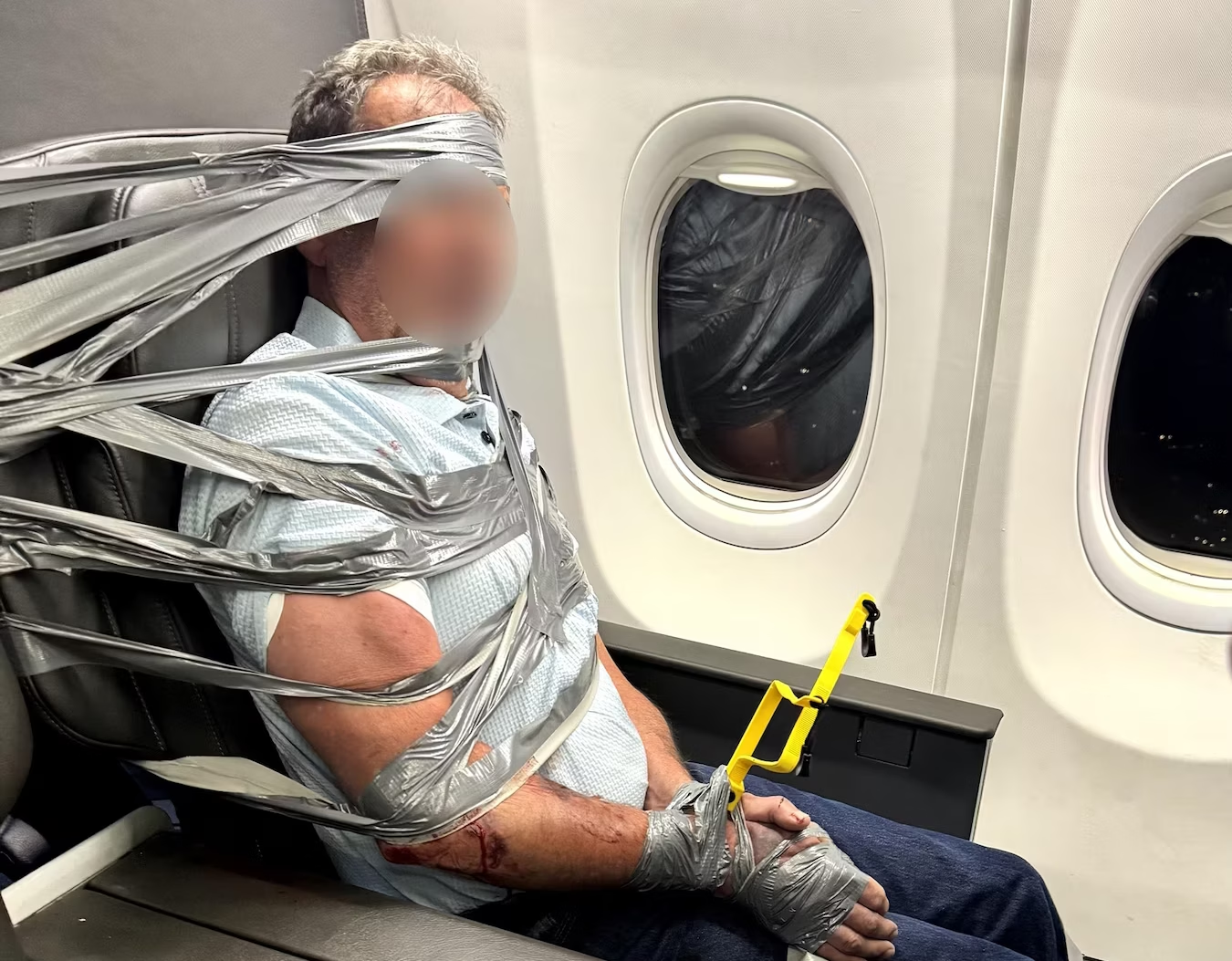
An American Airlines aircraft was forced to make an emergency landing after a disruptive passenger allegedly became violent and hurled abuse at his fellow passengers and members of the crew. The man was restrained using duct tape and zip ties until the plane could land safely. He was deplaned before being arrested by local police […] The post Passenger Duct-Taped to Seat After Becoming Violent Mid-Flight appeared first on Travel Radar - Aviation News .
 Sep 6, 2026 · byTravel Radar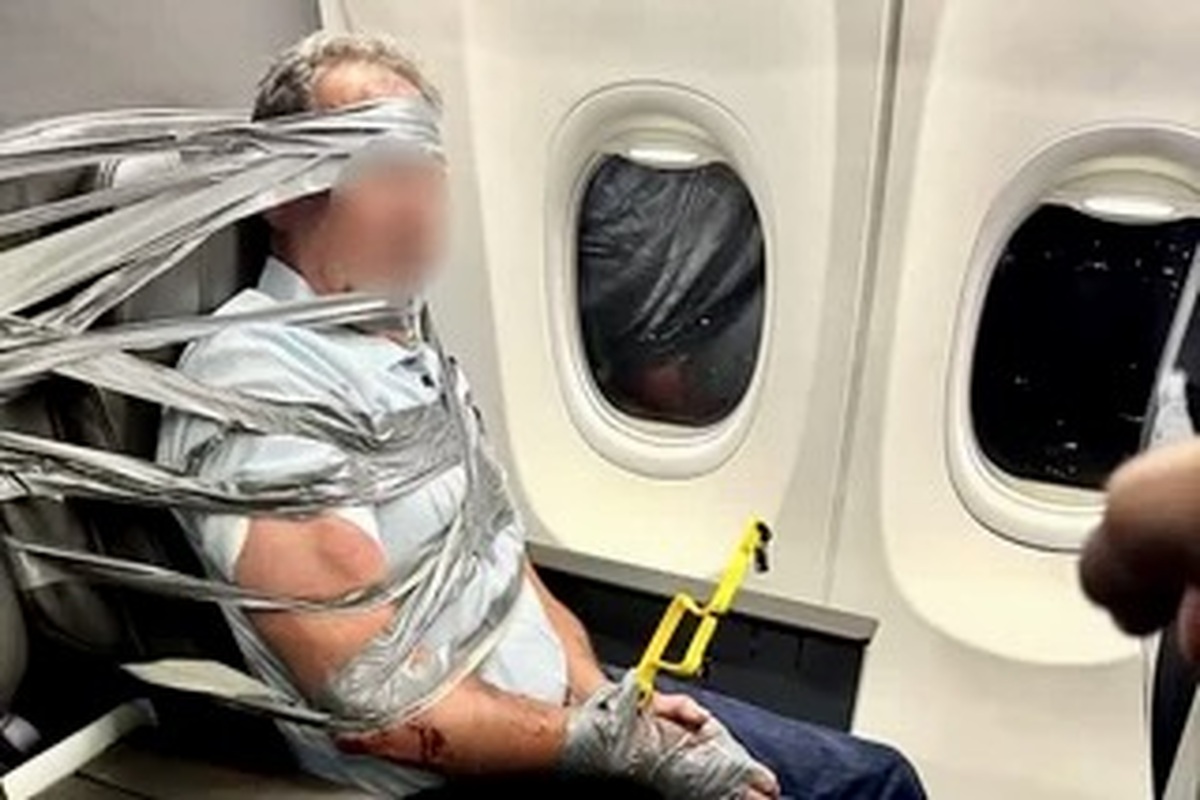
Passengers helped restrain and duct-tape a disruptive man to his first-class seat aboard an American Airlines flight after… The post Passengers duct-tape disruptive man to seat as American Airlines flight diverts appeared first on AeroTime .
 Sep 5, 2026 · byAeroTime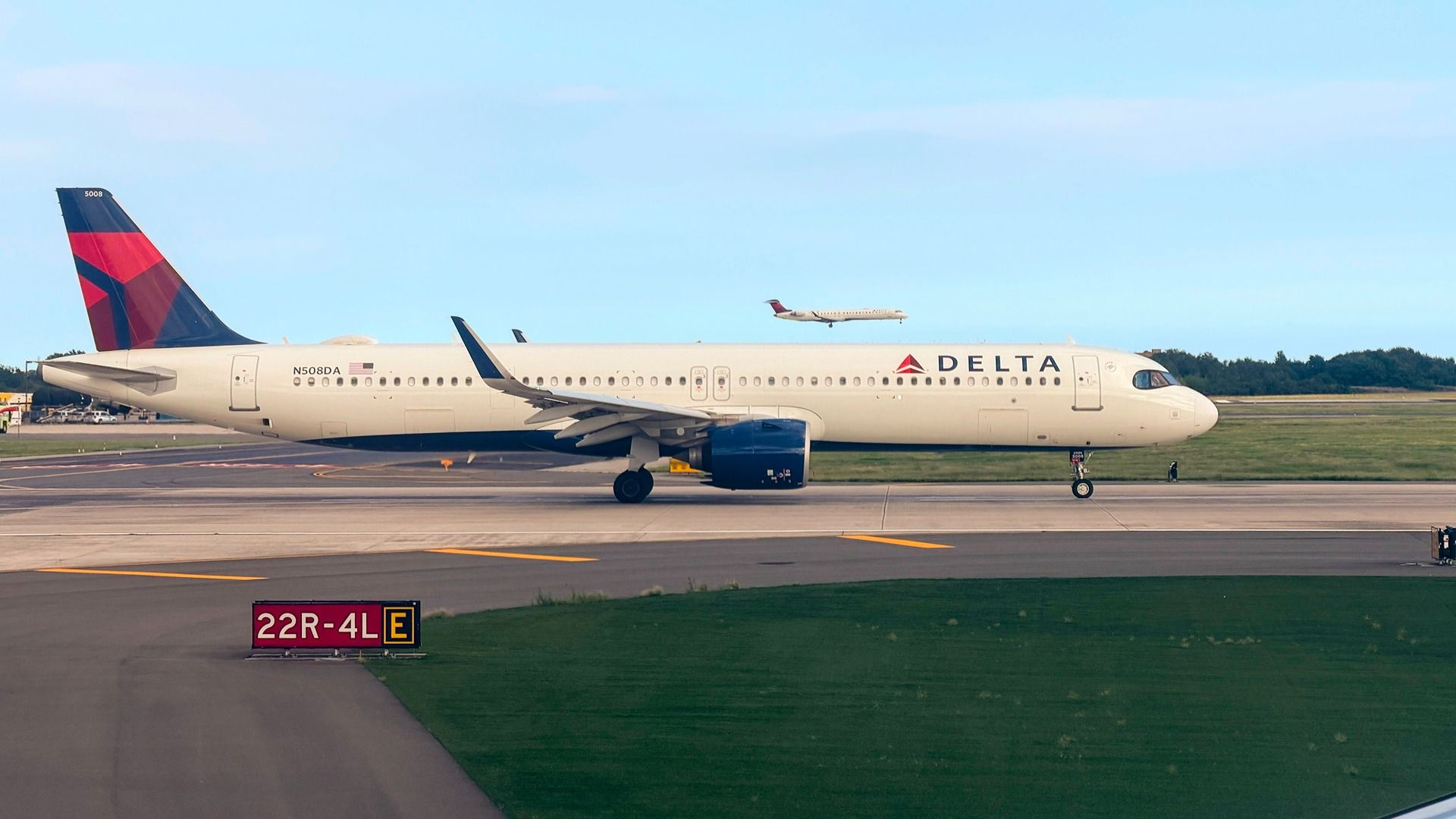
The man describes developing immediate blisters and having no onboard first aid after a hot coffee spill on a San Juan-to-New York flight.
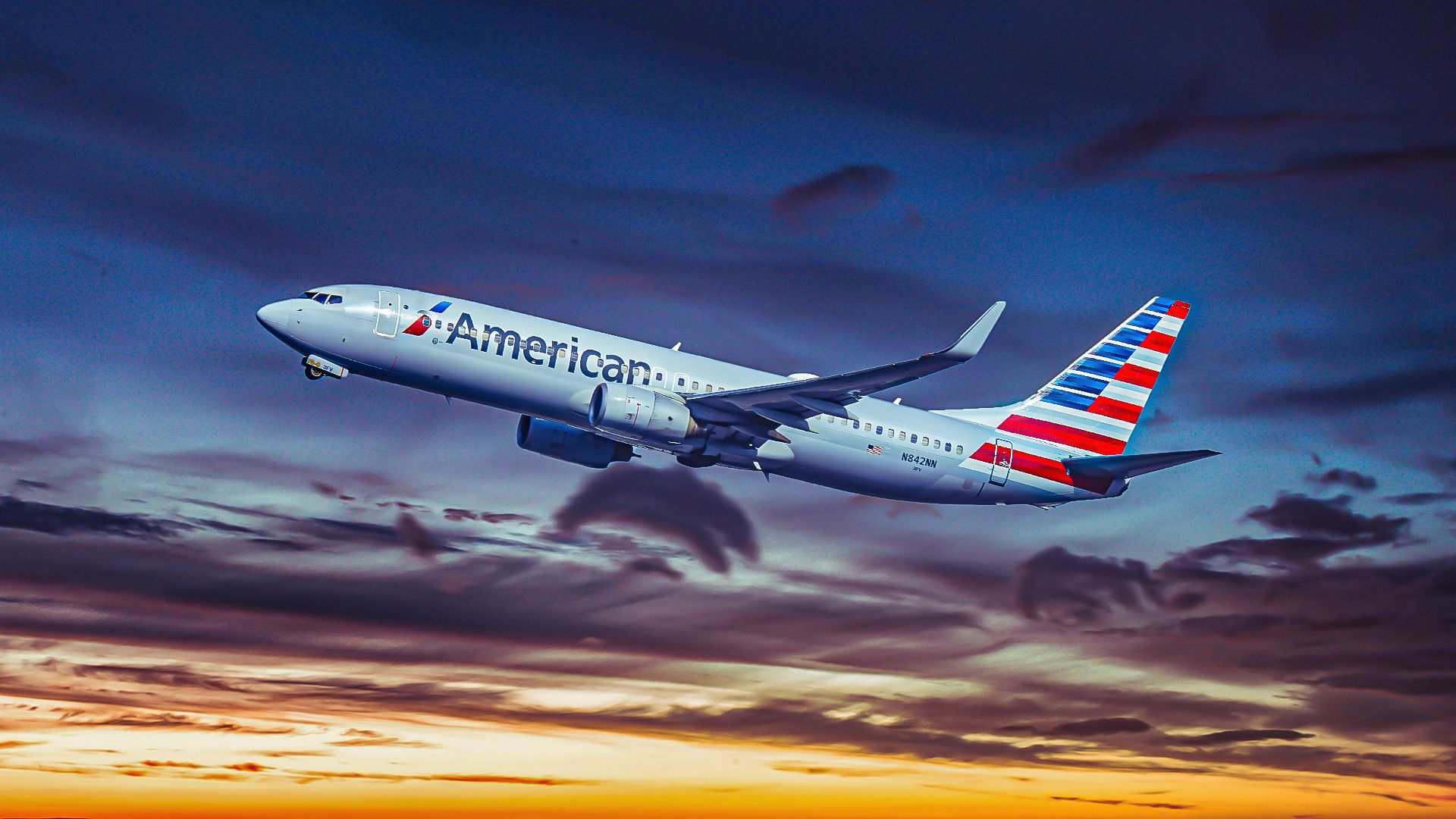
A retired police officer and two passengers subdued the violent flyer before the flight diverted to Baltimore.
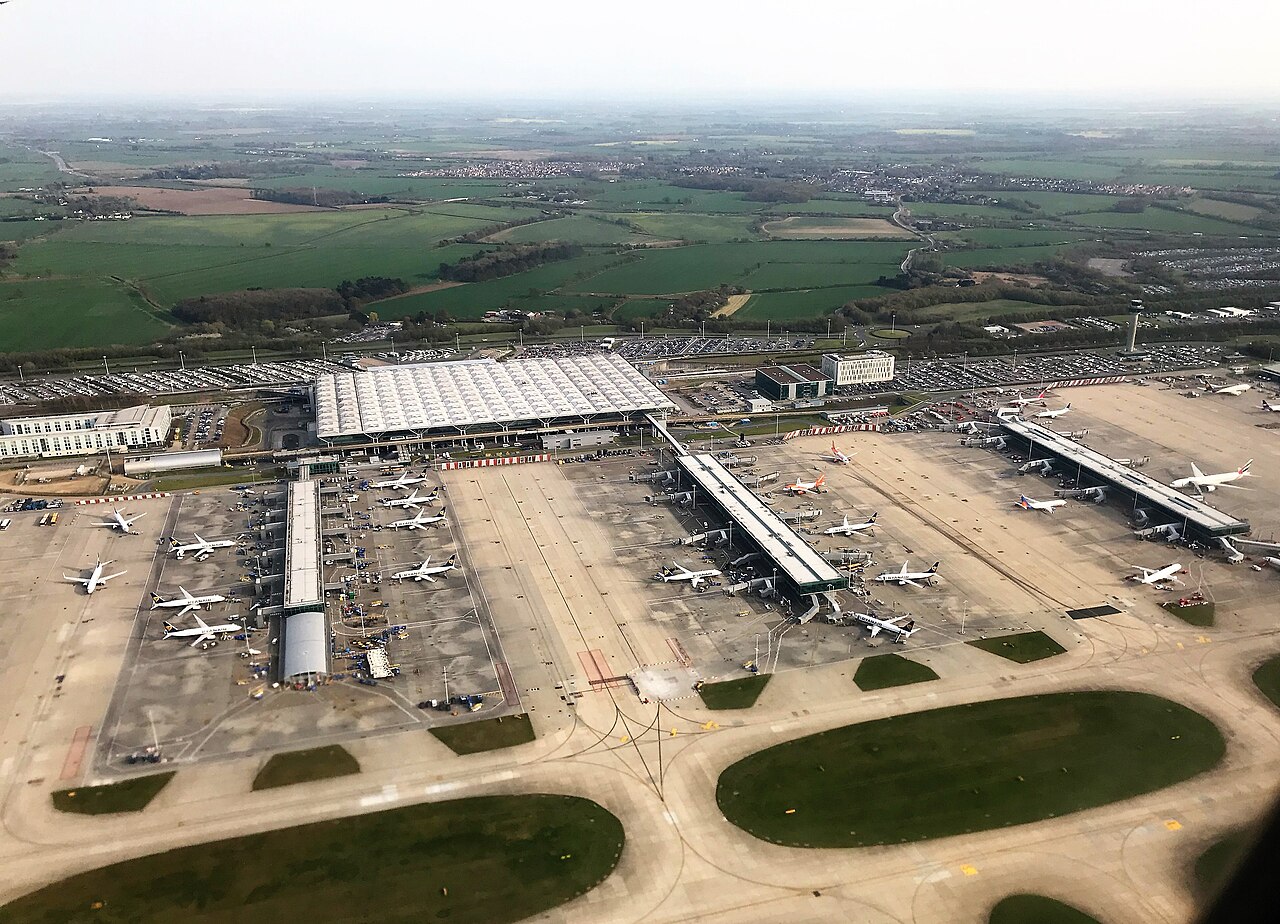
A large amount of data was stolen on Thursday, Aug. 27, from three of the UK’s airports after a cyberattack gained access to around 8.7 million customers’ personal information. Hacking incident on three major UK airports The cyberattack that occurred at Manchester Airport (MAN), London Stansted Airport (STN) and East Midlands Airport (EMA) was declared […] The post Cyberattack at UK airports leaves 8.7M customers’ data exposed appeared first on Travel Radar - Aviation News .
Sep 4, 2026 · byTravel Radar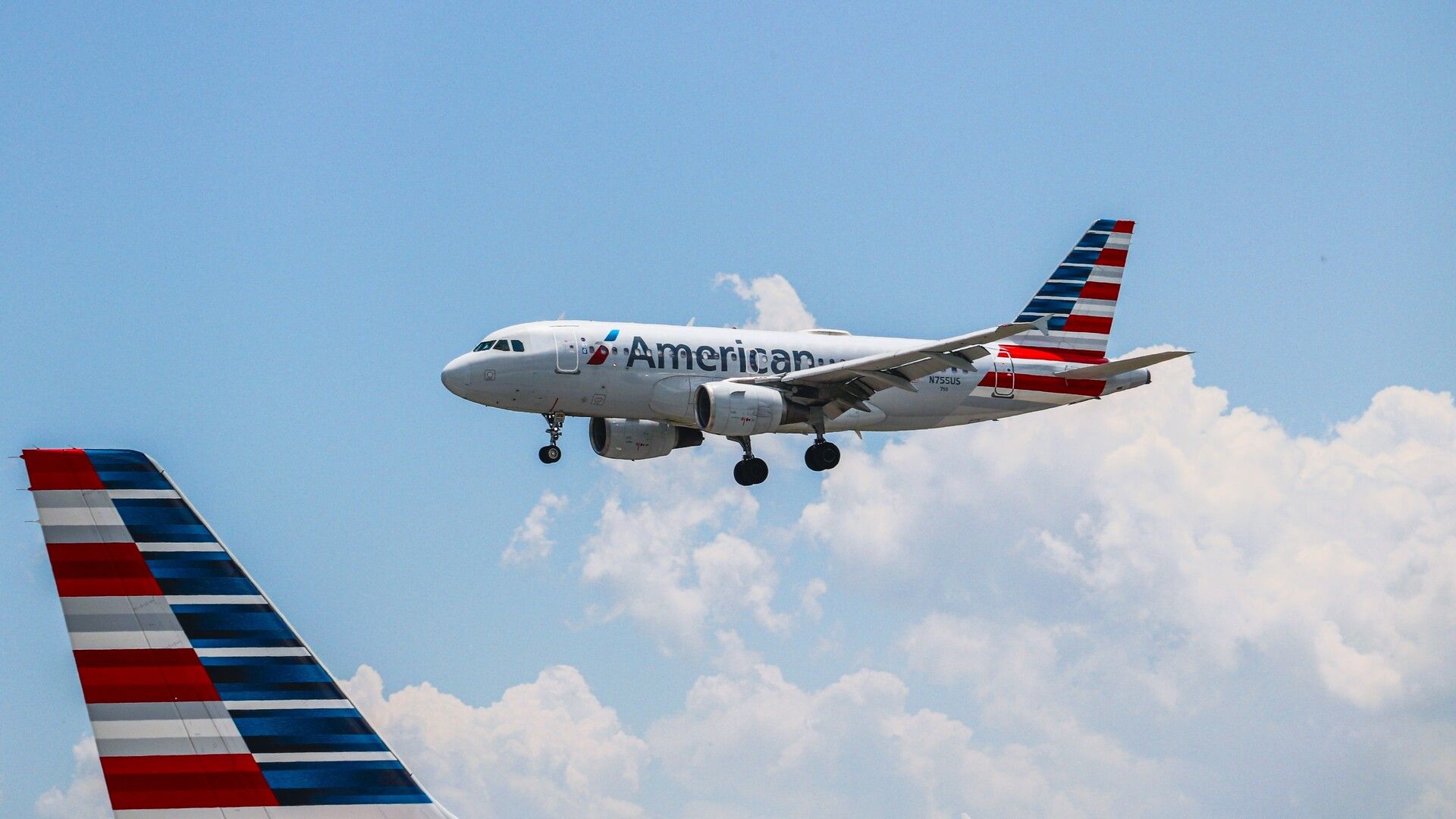
It is the latest in a spate of bomb-related incidents involving passengers at Miami.
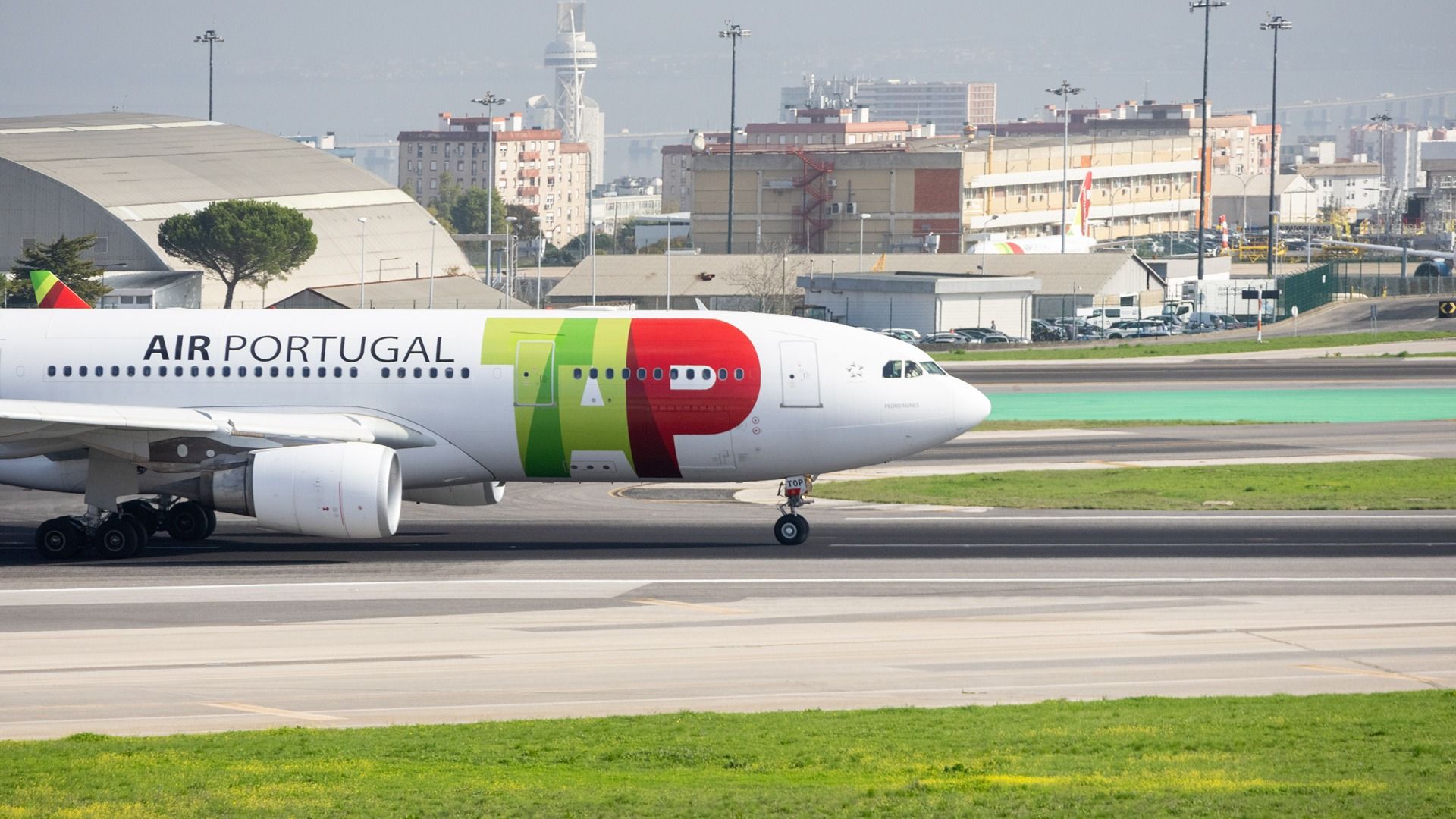
A calm early morning breach near runway 2 showed a man walking the grass verge as a TAP crew alerted controllers.