Budapest
43 articles
Latest Budapest articles
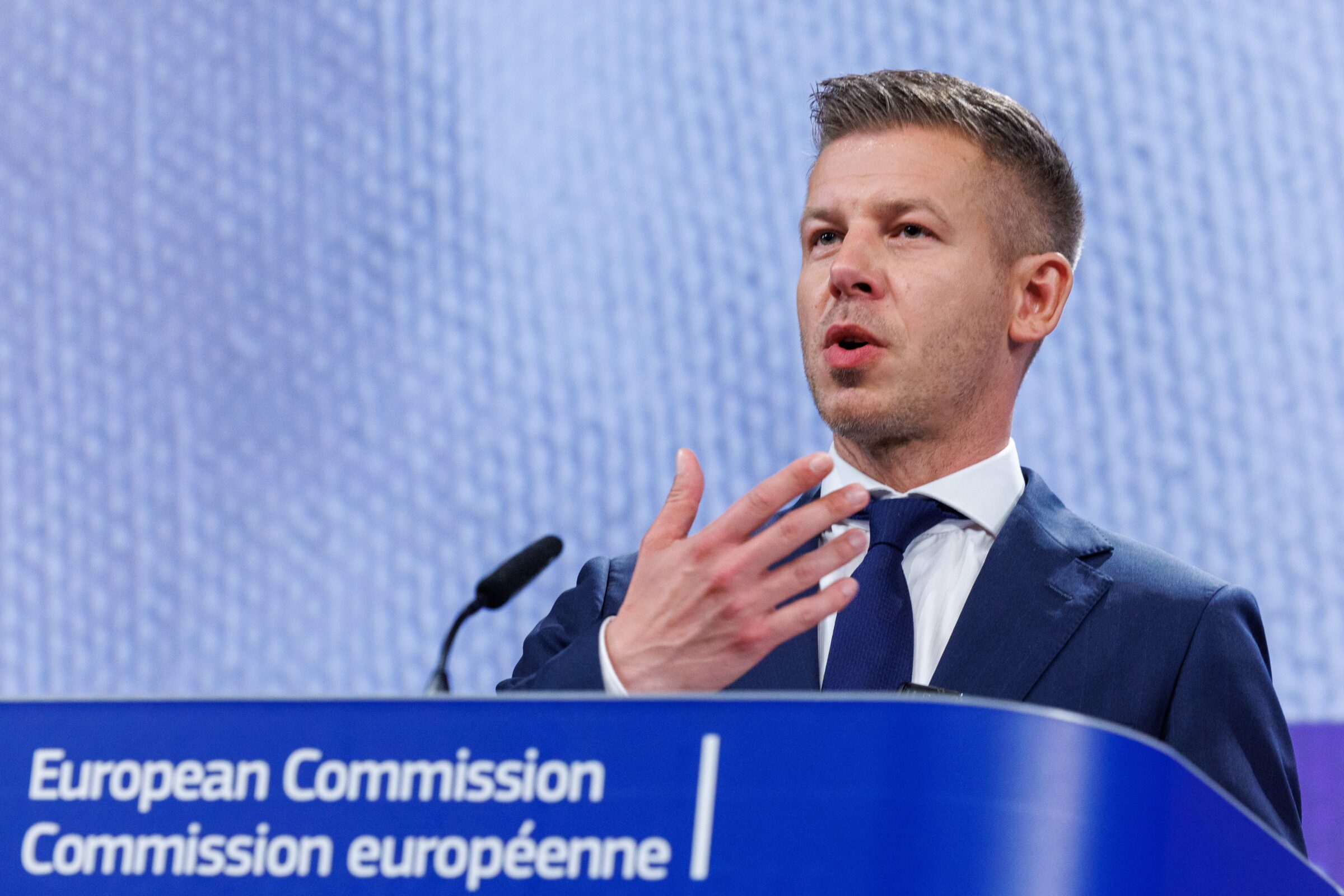
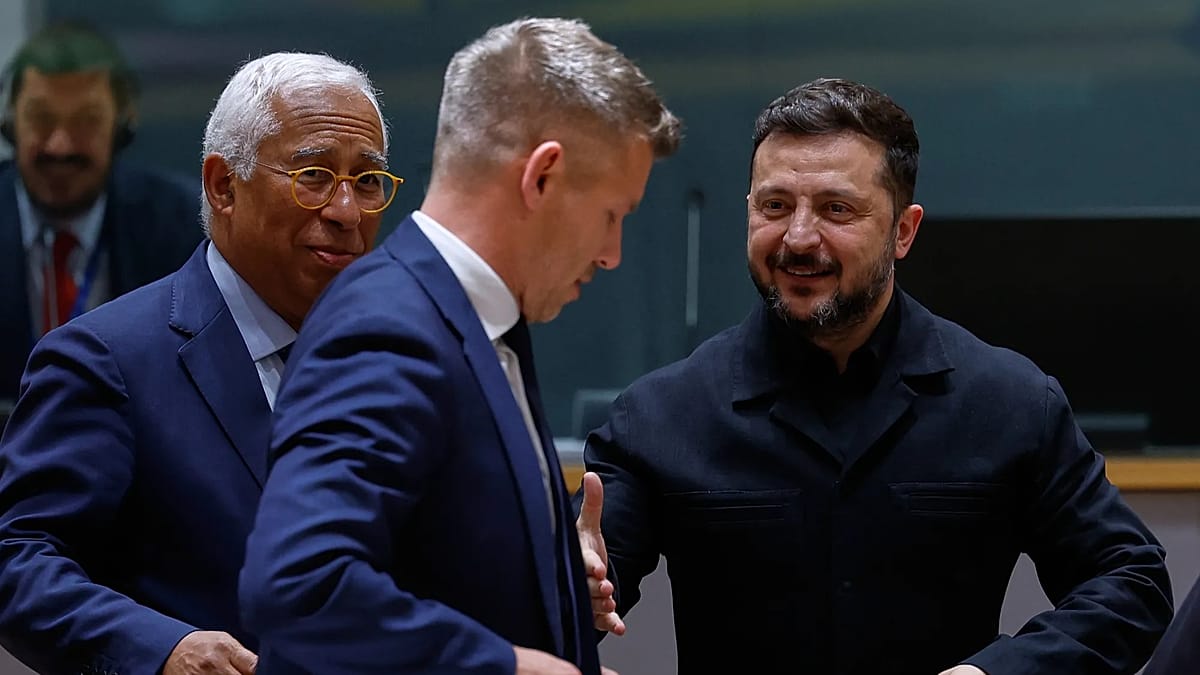
Hungary and Ukraine edge towards deal that could unlock EU talks
Kyiv will propose a new law on minority education rights, with a vote expected in October. Budapest has blocked EU accession talks until Ukraine adopts the laws agreed under an 11-point plan on Hungarians in Transcarpathia.
 Oct 2, 2026 · byEuronews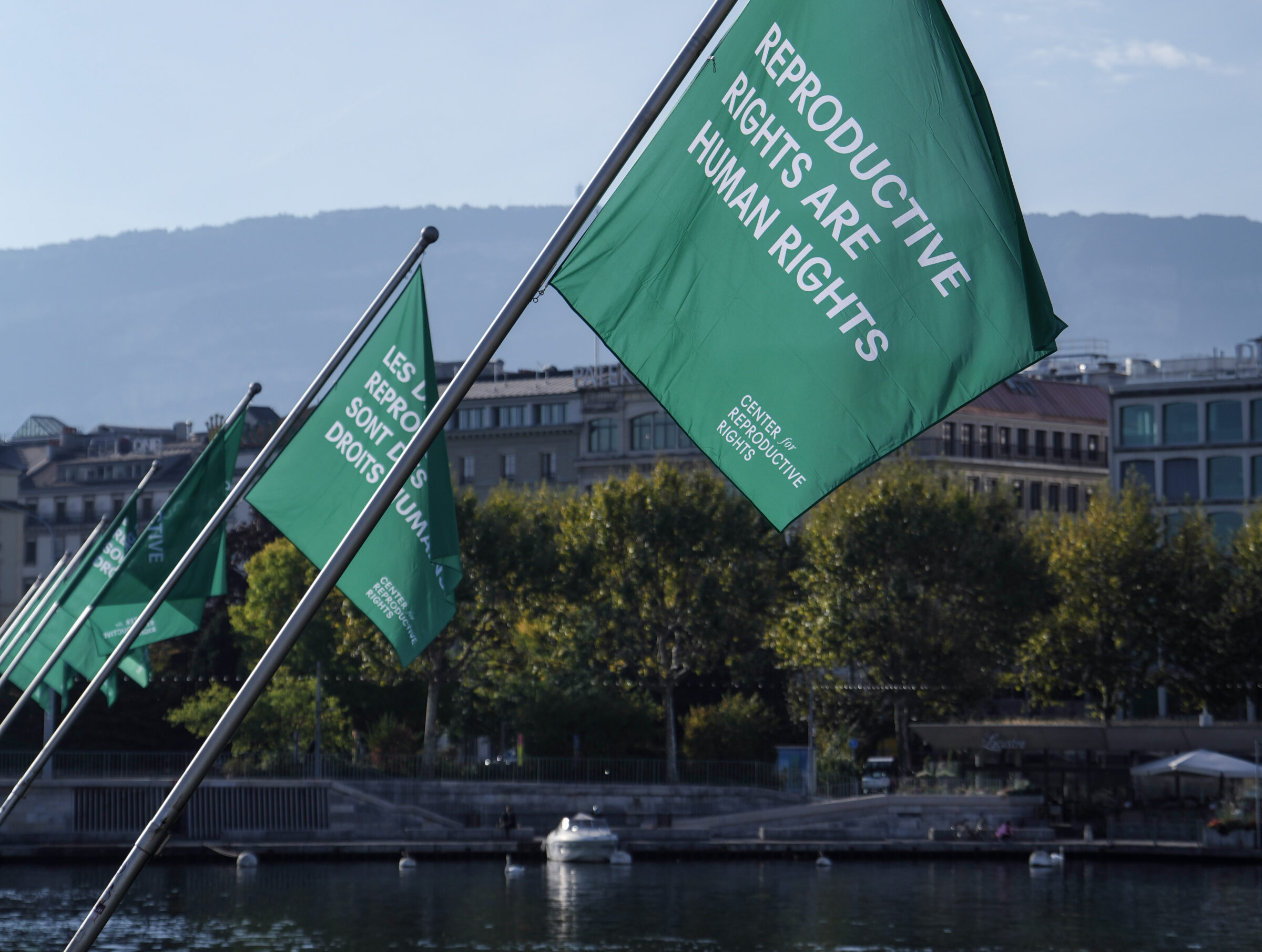
Europe led on abortion – now the neo-conservative backlash is stalling the final push
The general trend of abortion care has been on the up, but the effect of neo-conservatism's modern revamp has been impossible to ignore. From Rome to Budapest, governments have been rolling back the progress, with initiatives stalling all the way up to EU level.
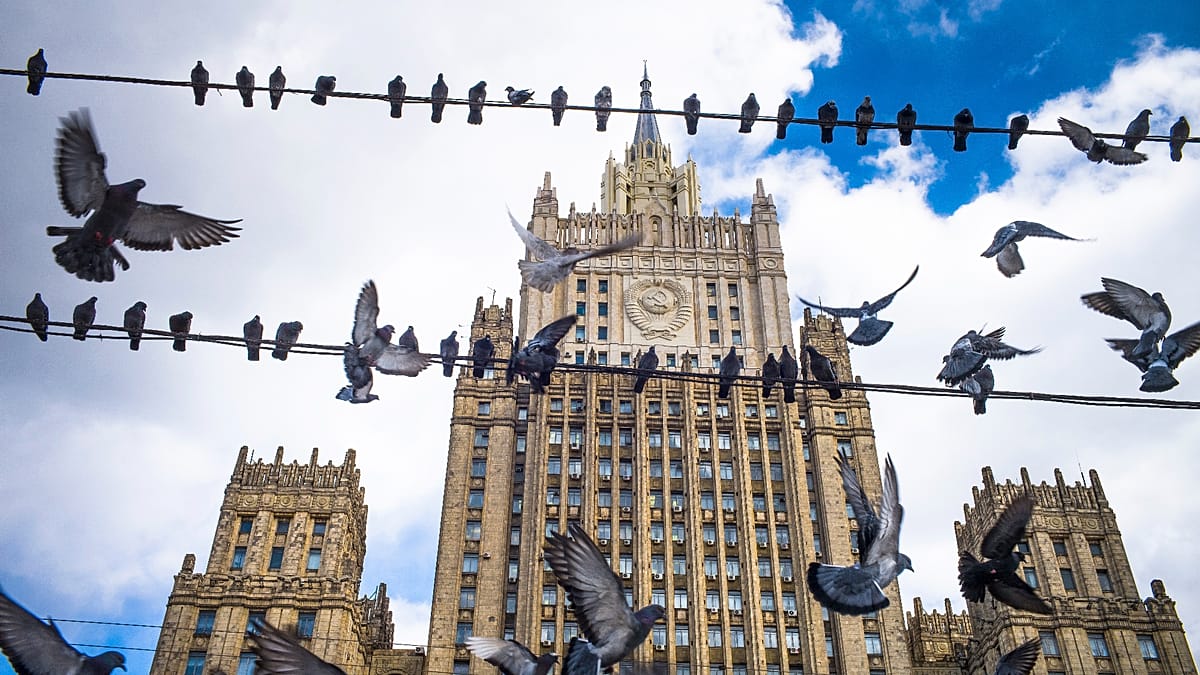
Russia expels Hungarian diplomats as Budapest breaks with Orbán era
Moscow ordered Hungarian embassy and consulate staff out just weeks after Budapest expelled 10 Russian diplomats on national security grounds in September, the first such move by Hungary since Russia's full-scale invasion of Ukraine in 2022.
Oct 1, 2026 · byEuronews
Trending in September
The following are the ten most read articles on EX-YU Aviation News throughout September 2026 according to accumulated statistics: 1. Ryanair to withdraw from Serbian market , September 7 2. Turkish Airlines further reduces EX-YU operations this winter , September 13 3. EU, Serbia to hold key talks over rules threatening Wizz Air base , September 11 4. Air Serbia posts busiest month on record, seeks more aircraft for 2027 , September 4 5. Air Canada launching Montreal - Dubrovnik service , September 3 6. Slovenia and Montenegro close air connectivity subsidy calls , September 1 7. Air Serbia adds over 100 weekly flights this winter , September 14 8. TAROM to discontinue Belgrade service after sixteen years , September 2 9. Croatia Airlines to grow ATR wet-lease fleet , September 8 10. easyJet launching fifth new Ljubljana service , September 19 The three most read trip reports in September: 1. Luxair, Austrian, Air Serbia, Croatia Airlines, LOT 2. TAROM: Belgrade - Bucharest 3. Belgrade - Tokyo via Budapest and Shanghai The most popular vintage content published in September JAT B727 undergoing maintenance at JAT Tehnika facilities in Belgrade, 1978. JAT maintained its entire fleet independently at its own Technical Division. The Technical Division’s facilities were located at Belgrade Airport and comprised of two hangars for commercial aircraft, one for general aviation, engine workshops equipped with test benches, power-generation facilities and motor-generator units. The newest hangar, opened in late 1986, was one of the largest in Europe. JAT’s Technical Division carried out some 19 million work hours annually, more than 70.000 of which were devoted to inspections, overhauls and repairs for other airlines. In addition to maintaining JAT’s own fleet, it provided services to other carriers requiring all inspections on the DC-9 and Boeing 727, including C-checks on the DC-10, Boeing 737-300 and ATR 42, engine overhauls for the JT8D, auxiliary power unit overhauls for the Boeing 727, Boeing 737 and DC-9; and the overhaul of electrical, communications and navigation components, as well as landing gear. The Technical Division employed 1.630 people The most visitors by country: 1. Serbia 2. Slovenia 3. Croatia 4. Germany 5. United States 6. United Kingdom 7. Canada 8. Bosnia and Herzegovina 9. Macedonia 10. Austria 11. Switzerland 12. Australia 13. Spain 14. Italy 15. Sweden EX-YU Aviation News
I'm an American living in Europe. Here are 5 of my favorite cities to visit.
As an American living in the Netherlands, I love traveling around Europe. Some of my favorite European cities to visit include Budapest and Bath.

TRIP REPORT: Belgrade - Tokyo via Budapest and Shanghai
Trip Report Written by BG Two Stops and Three Airlines to Japan (Belgrade to Tokyo via Budapest & Shanghai) In March, I travelled to Japan on an itinerary that comprised two separate bookings. The first was with Air Serbia between Belgrade and Budapest, and the second was a multi-leg journey between Budapest, Shanghai, and Tokyo, operated by Shanghai Airlines and its parent company, China Eastern Airlines. The reason for starting the journey in Budapest was to meet up with friends who were accompanying me on the trip. One of my travel companions holds a Kosovan passport, which turned our transit via China into somewhat of an adventure. Information regarding the ease and feasibility of transit for Kosovan passport holders in China was extremely lacking online. Through this report, I hope to shed some light on the process and help future travellers in a similar situation. Flight one : Monday 16 March 2026 JU142 Belgrade - Budapest ATR 72-600 (YU-ASD) STD:13:35 ATD: 14:45 STA: 14:45 ATA: 14:40 Having completed a very brief visit to Belgrade, it was time to head to the airport. It was a lovely spring morning as I waited for the A1 bus by Slavija Square, in front of the new development on the corner of Kralja Milana Street. I am not much of a fan of the A1 bus service, particularly when arriving in Belgrade, as it often gets incredibly crowded. It is beyond me why this service cannot be upgraded to a larger bus, especially during peak hours. However, on this day it was fine, though full to the very last seat, with one passenger even having to stand from New Belgrade for the remainder of the journey. By 11:30, I had arrived at the airport and went directly to the check-in desk. There was plenty of staff at the counters, and I didn't have to wait even a second before a very pleasant lady checked my suitcase in for the flight. Heading up to the security checkpoint, things moved extremely fast at both the e-gates and the security lines. I would estimate that within 10 minutes of leaving the bus, I was checked in and past security, which highlights one of the airport's greatest strengths. At Hleb & Kifle, I grabbed a sandwich and was served by a charming lady of South Asian origin who spoke Serbian very well. As usual, the flight was scheduled to depart from the downstairs bus gates, and after spending some time watching the action on the apron, I made my way there. Today’s gate was C10b. Four ATR flights were scheduled to depart at almost the same time from these gates: Sarajevo, Split, Bucharest, and Budapest. This meant there were quite a few people waiting, but it is a large space that handles the numbers well. The Bucharest flight departing from C10c appeared essentially full, and the flight to Split also had a healthy load judging by the line. Interestingly, a huge number of passengers were very late reaching the gate for both Sarajevo and Split. I assumed from their exasperated running that they were coming from connecting flights. The Split flight was actually in the process of offloading a passenger when she literally ran down toward the gate from the escalator. The ground crew accommodated her and allowed her to board, but they had to call a car to drive her out to the aircraft, which was a nice touch. Boarding for Budapest started around 13:15. The passenger makeup was diverse, and I heard Serbian, Hungarian, and English (both American and British) being spoken. Many passengers had clearly arrived from Air Serbia’s New York flight. In fact, a couple standing next to me on the bus were discussing the fact that this was their first time using this route to reach Europe. I am not sure how many people were flying strictly point-to-point from Belgrade to Budapest like I was, but there were clearly some. As the bus drove out toward our aircraft, we passed a Lufthansa Airbus A320neo sporting the airline's special 100th-anniversary livery. It looked absolutely gorgeous. Boarding the almost 12-year-old ATR was quick. Many passengers had been asked to leave their larger cabin luggage at the bottom of the aircraft stairs, making the walk to seat 18F very fast. There were 48 passengers in total, giving a load factor of 67%. Considering this was the second flight to Budapest that day, I think that is a quite healthy figure. The cabin crew, consisting of a man and a woman, were very pleasant, and following a quick safety announcement, the engines were started. The senior crew member initially announced our destination as Bucharest, which she quickly apologized for, drawing a small giggle from the passengers. After a short taxi, take-off was from the C junction on Runway 12L towards the southeast, and the familiar hum of the turboprop engines carried the aircraft up into the dull March sky. I find the ATR a really fun aircraft to fly on, and this flight was no exception. After a sharp turn to the west, our routing took us north towards Budapest, following the path of the Danube. The flight passed uneventfully, accompanied by the customary Plazma biscuit and a mini bottle of water. The crew members were polite and professional throughout, and there was really nothing I could fault with either the inflight nor ground experience in Belgrade. I paid £78 GBP for the ticket, which included a checked bag. Twenty-five minutes after take-off, descent was announced, and it soon became apparent that we would approach Budapest from the south. Touchdown was at 14:40, making the total flight time exactly fifty minutes. After a rather long bus ride, we reached the terminal, which then necessitated a lengthy walk toward passport control. The area was busy with passengers arriving from a Tel Aviv flight; nevertheless, it took only about 15 minutes to pass through immigration and exit the airport. While I find Belgrade’s A1 bus to be a rather unpleasant first impression of Serbia, the Hungarian capital fares no better. Travelling toward the city centre by public transport means either taking a direct express bus or—as I did—taking a local bus to the terminus of the metro line. The process of purchasing a ticket at the airport was chaotic, with crowds of people struggling to make the ticket machines work. I know that Budapest now has an app for this, but it didn't seem to work for me. Consequently, I just bought a 24-hour transit pass, knowing I would be right back at the airport the next morning to fly to Shanghai. The 200E bus toward Kőbánya-Kispest was extremely crowded and uncomfortable. However, for the price, it is not a bad option; after less than half an hour, it arrives at the station, where it is just a quick walk to transfer to the metro for the city centre. After a lovely evening in Budapest, during which I visited the Széchenyi Thermal Bath (travel tip: bring flip-flops!), it was time to rest for the night. Flight two : Tuesday 17th March 2026 MU8640 Budapest - Shanghai Pudong Shanghai Airlines Boeing 787-9 (B-1113) STD:11:30 ATD: 05:25 STA: 11:30 ATA: 04:50 The next morning, I left early for the airport to meet up with the friends who were travelling with me. One of them holds a Kosovan passport, and I cannot stress strongly enough how little information was available regarding whether this connection would actually work. From various embassies through to the Chinese immigration service itself, we had little luck obtaining concrete confirmation. While China’s official policy states that all passport holders can transit through its airports, the fact that Beijing does not recognise Kosovo made the specifics of this rule highly unclear. The aviation industry standard for verifying visas and entry paperwork is Timatic, which explicitly stated that the routing was possible; nevertheless, arriving early remained crucial. The check-in area in Terminal 2A was busy even at 08:00, with crowds of people already waiting for the desks to open. Shanghai Airlines, a subsidiary of the China Eastern Group, operates a daily Boeing 787-9 service between Budapest and Shanghai. After meeting up with my friends, we waited a good 30 minutes in line even after the check-in desks opened due to the sheer volume of passengers. As we approached the counter, we were quite nervous—not because we believed transiting was genuinely impossible, but because we fully expected the ground staff to initially misunderstand the rules. The check-in assistant was very pleasant. Ironically, despite our anxiety that the Kosovan documents would cause a hurdle, it was actually my booking that triggered the crisis. I had purchased my ticket through Booking.com, and earlier in the year, there had been a minor timetable change of just a few minutes, which I had accepted via their ghastly customer service chat system. However, the check-in agent explained that when the agency processed the change, it was never properly reconfirmed in the airline's global distribution system; consequently, I was not listed on the flight. Needless to say, I was furious. While the agent continued working with my friends to double- and triple-check the Kosovan transit protocol, I went to speak with the supervisors. The ground manager told me to call Shanghai Airlines directly because they lacked the system capability to reconfirm my ticket at the airport. To make matters worse, she informed me that the flight was overbooked. I was utterly speechless and could barely maintain a polite tone. The supervisor simply handed me a phone number for China and literally said, "Ring this number." Eventually, using my friend's phone, I managed to get through to the China Eastern customer service centre in Shanghai. The representative on the other end was actually incredibly helpful. After I explained the predicament, she stated she would manually reconfirm my seat for the long-haul leg. However, she warned me that she was unable to do the same for my connecting flight from Shanghai to Tokyo, and that I would have to clear Chinese border control to try my luck at the desk in Shanghai for that second leg, which was also overbooked. Returning to the check-in desk where my friends were still being processed, I had a tense wait for a few minutes. Remarkably, after about five minutes, the customer service agent from Shanghai actually rang the desk back and confirmed that it was now possible for the ground agent to check me in, which she duly did. The entire ordeal left me furious with Booking.com, who had handled the minor rebooking incredibly poorly. Nonetheless, we finally held three boarding passes for Shanghai, and my friends had even received theirs for the onward leg to Tokyo as well. After spending about an hour at the check-in desk, we headed through security, which took an additional half hour. Feeling completely exhausted and highly stressed, we made our way toward the gate. The passenger makeup for the flight was a fascinating mix. In addition to a large number of Hungarian and Chinese travellers, I overheard numerous people from Serbia, Croatia, and Slovenia. This really underscores the growing demand in the region for routes to Asia via Chinese hubs. It also shows that people will travel when the price is right. Boarding started at around 10:50 and given that our seats were located near the back of the aircraft (67A, B, and C), we opted to wait until nearly the end of the queue to board. Today’s flight was operated by an eight-year-old Boeing 787. The crew seemed friendly and welcoming, and the seat proved to be acceptably comfortable for my height of 184 cm. I also found the cabin to be spotlessly clean, a standard that the lavatories maintained throughout the flight. Pushback occurred at 11:28, and we took off a few minutes later, executing a northerly departure toward Slovakia. Until 2025, this particular flight route used to detour extensively to avoid Polish airspace, making the journey incredibly long. While I have no idea what caused that restriction—it may well have been down to bilateral airspace agreements or China Eastern (MU) lacking specific regulatory documentation—it has thankfully since been resolved. Today's flight path headed directly north toward Gdańsk before tracking toward St. Petersburg and entering Russian airspace. About an hour after take-off, the crew began the meal service. It consisted of a chicken and rice dish accompanied by a rather unpleasant salad and a rock-hard bread roll. While it was nothing special in the slightest, it was by no means the worst thing I have ever been served on an aircraft. I had originally hoped to enjoy a beer with my meal, but the crew had inexplicably run out already, so I stuck to drinking water for the remainder of the flight. After the meal service, we enjoyed beautiful aerial views of St. Petersburg and the still-frozen landscape as dusk crept in over Russia. As is typical on Chinese airlines, the inflight entertainment system was quite poor, and it was rather hard to hear the audio for the one movie that actually caught my interest. After that, I just watched content I had downloaded onto my phone for the next few hours until it was time for the second meal service. About an hour and a half before landing, the cabin sprang to life as the crew initiated the second meal service. Considering it was only around 21:00 according to our body clocks, the flight had actually been quite pleasant thus far. Throughout the journey, the crew frequently came through the aisle offering water and juice, which was a nice touch. However, I remained acutely aware that outside the aircraft windows it was the middle of the night, and a very early morning transit in China was fast approaching. This second meal consisted of a chicken cutlet served with rice and carrots. Once again, it was not the slightest bit ‘nice’, but it was perfectly edible. Soon enough, it was time to land, and the cabin crew began preparing the aircraft for arrival. At 04:40 local time, our Boeing 787 touched down at Shanghai Pudong International Airport on a dark and rainy morning. After a 15-minute taxi, we finally reached our stand. I was acutely aware that I still didn't know if I would actually make it to Tokyo that morning. Pudong is vast but relatively easy to navigate. Following walking through a quick health ‘inspection’, it was time to part ways with my friends. They headed toward the international transit security control, whereas I had to find a ticket desk to see if I could get confirmed on the onward flight. After waiting for a few minutes, an agent informed me that I would need to sort this out at the main China Eastern desk landside. With no other options, I had to formally enter China, collect my luggage, and track down the ticket counter. Entering China with a British passport is straightforward, and the immigration queue moved surprisingly fast. The border officer didn't ask a single question before stamping me in. My suitcase was already waiting for me in the baggage claim area, which felt large and spacious. Upon exiting into the main arrivals terminal, I spotted a lift labelled for departures and headed upstairs. As if by magic, the lift doors opened and deposited me right in front of a China Eastern desk, where an agent sat checking her phone. After I explained my predicament and showed her my ticket, she began tapping away on her computer. I politely asked if it might be possible to get onto my original flight to Tokyo Narita, which was scheduled for 09:10, and she promised to do her best. After a minute or two, she printed out a voucher from one of those old-school dot-matrix airport printers containing my new flight details. Handing it to me, she smiled and said, "09:10, Premium Economy upgrade”, pointing me toward the check-in area. I was thrilled that I would be making it to Japan that morning after all. However, because my friends' phones were not working, I still had no idea how they had fared trying to transit the airport with a Kosovan passport. There was no queue for check-in, and a few minutes later, I was heading toward security and border control to exit China. In total, I had been landside for no more than 45 minutes. However, exiting the country took about 45 minutes because the security screening is incredibly rigorous. Once again, the immigration officer didn't ask a single question and simply stamped me out. By this time, it was around 07:30, and I was completely exhausted. I grabbed a rather expensive iced coffee and headed toward the gate in the vast terminal. While Pudong is not the most cosy of airports, there are plenty of places to sit, and the entire layout is very user-friendly. Upon arriving at the gate, I was relieved to see my friends approaching. We were all incredibly glad to hear that their transit had gone relatively smoothly, even though it had taken them a long time to explain to the transit passport control officer that a Kosovan passport is indeed permitted for transit. Flight three : Wednesday 18th March 2026 MU523 Shanghai Pudong - Tokyo Narita A350-900 B-304D STD: 09:10 ATD: 09:08 STA: 12:50 ATA: 12:45 At about 08:30, boarding commenced. I noticed a large number of transfer passengers from our previous flight, including a significant group of Slovenes and Hungarians. There were also many British and German passengers boarding. As my two friends scanned their boarding passes at the gate, the machine promptly beeped. Instantly, I assumed there was a problem, but it turned out to be quite the opposite. Because the flight was completely full, their seats had been changed; the gate agent hand-wrote their new assignments: seats 8D and 8H... Business Class! So much for my Premium Economy upgrade. As we entered the aircraft, they turned left, while I turned right. My seat, 25F, was at the bulkhead of the Premium Economy section, which offered some extra legroom. However, the configuration was still four-abreast, and because the entertainment screen was stowed inside the armrest, the seat actually felt more cramped than the standard economy seat on the Boeing 787. A bottle of water and a blanket were waiting for me at the seat. Given that I was now completely exhausted, the flight passed somewhat in a blur. I remember the engines starting at 09:08—ahead of schedule—and my lasting impression was that the cabin felt quite tight. Even though I was in a middle seat, I could see an Air Serbia Airbus A330-200 parked at the terminal, preparing for its long journey back from a rainy Shanghai to a springlike Belgrade. At 12:15 local time, the flight started its descent. I caught a brief glimpse of Mount Fuji by straining my neck to look across the cabin, a sign that what had proved to be a very long and eventful journey was finally coming to an end. At 12:45, our beautiful Airbus A350 landed at Tokyo Narita, and shortly afterward, we began deboarding. Meeting up with my friends in the corridor, we could hardly believe we had actually made it. Immigration passed very quickly, and entering Japan with a Kosovan passport and visa proved to be absolutely no problem. Customs, on the other hand, felt very chaotic—organised chaos, perhaps, but chaos nonetheless. Within an hour or so, we were at the airport train station with tickets in hand, ready to begin what turned out to be a wonderful exploration of Japan. Final Verdict & Transit Reflection My overall impressions of the journey are mixed. Air Serbia was essentially without fault, both in efficiency and in my opinion value for money. I enjoyed the Shanghai Airlines long-haul experience and would fly them again if the need arose. On the flip side, I would never suggest actually booking China Eastern Premium Economy, at least not for a short regional flight. The cabin crews were perfectly fine throughout the trip, as was the experience of entering and exiting China as a British passport holder. Regarding transiting China with a Kosovan passport: personally, I would still avoid it in favour of a routing via the Middle East. However, I hope this trip report sheds some light on what is currently a very underreported routing and might ease some passport concerns for travellers from the region. The Return Journey After 10 wonderful days in Japan, I returned to Europe on a different routing: Osaka Itami to Tokyo Haneda on a Japan Airlines (JAL) Boeing 767-300, then down to Guangzhou (where I stopped over for a bit) on a China Southern Boeing 777-300ER, and finally over to London Heathrow on another 777-300ER. JAL Domestic is easily one of the most civilised aviation experiences a traveller can have, and China Southern proved to be completely solid given the very reasonable price paid. Share your travel experience by submitting a trip report to exyu@exyuaviation.com EX-YU Aviation News
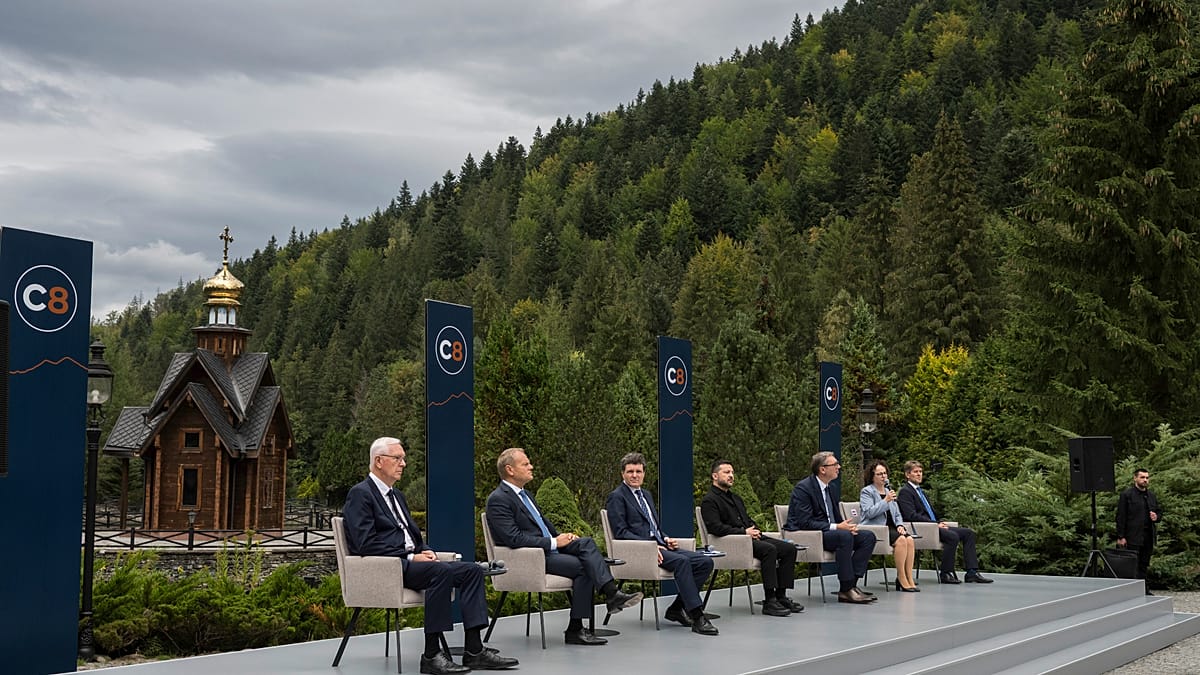
Behind the scenes: How the C8 summit and an oil deal exposed fragile Hungary-Ukraine ties
A dispute over Hungary’s role in Ukraine’s Carpathian Eight summit and the disclosure of an oil-storage deal between MOL and Naftogaz have further strained ties between Budapest and Kyiv, as a separate row over minority rights continues to hold up Ukraine’s EU accession talks.
Sep 26, 2026 · byEuronews
Jordan Tourism Board and Wizz Air Announce Strategic Partnership
The Jordan Tourism Board (JTB) and Wizz Air, one of Europe’s leading low-cost airlines, today announced a renewed strategic cooperation agreement alongside the resumption of Wizz Air services to Jordan, commencing on 22 September 2026 with the return of direct flights between Budapest and Amman. The agreement marks an important new chapter in the longstanding relationship between Jordan and Wizz Air and reflects a shared commitment to strengthening air connectivity between the Kingdom and key European markets, supporting the recovery and sustainable growth of Jordan’s tourism sector, and making Jordan more accessible to international travellers.

Dog brains track consonant patterns in speech, a first outside humans
Dog brains segment speech into words in a way previously seen only in humans, a new study from Hungary finds. This suggests that efficient speech processing is not necessarily a consequence of humans' unique language abilities: Regular exposure to speech alone can reshape how the brain functions, even in a mammalian species evolutionarily distant from humans. The discovery by the Neuroethology of Communication Lab at the ELTE Department of Ethology in Budapest is published in Science.
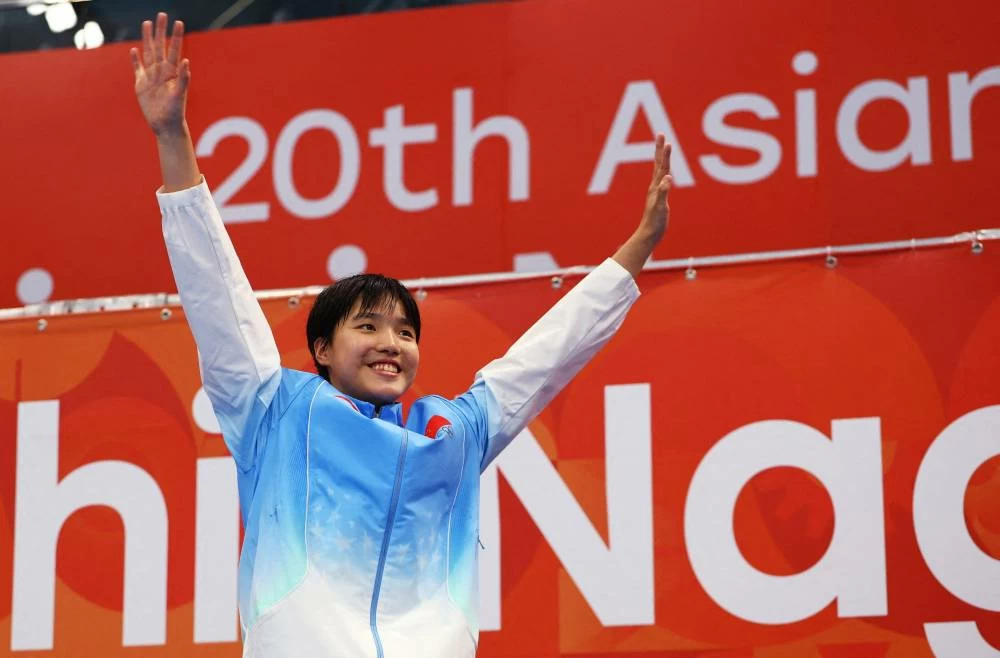
The next swimming superstar? Meet 13-year-old Yu Zidi
NAGOYA, Japan: Here's a quick look at 13-year-old Chinese swimmer Yu Zidi, who is tipped to become the sport's next big star after winning three gold medals in individual events at the Asian Games. She swept the 200-meter butterfly, the 200 individual medley and the 400 IM. She could already be the swimmer to watch at the Los Angeles Olympics in two years when she is likely to face off against Canadian Summer McIntosh who swims the same events as Yu. Ditto for the world championships next year in Budapest, Hungary. McIntosh won three gold medals two years ago at the Paris Olympic and holds the world records in all three of Yu's main events: 200 fly (2 minutes 1.65 seconds), 200 IM (2:05.70) and the 400 IM (4:23.65). Zidi Yu celebrates after winning the Women's 200m Individual Medley Final (Reuters) Yu is closing in on those times. She swan the 200 IM on Monday at the Asian Games in 2:06.10, which is the event where she's closest to McIntosh. McIntosh just turned 20. By comparison, Yu at 12 was swimming roughly 15 seconds faster in the 400 IM than McIntosh did at 12, and about 12 seconds faster in the 200 IM. In a 50-meter pool, 12 to 15 seconds would be a half-lap of the pool, depending on the event. If the progression continues Yu seems set to shatter all three records. And maybe more if she tackles another event and distance. McIntosh and others will have something to say about that. As a 12-year-old - that's a sixth or seventh-grade student - at the world championships last year in Singapore, Yu finished fourth in her three races, just barely short of winning a medal. She did get a bronze medal in a relay, though she did not swim in the final. China's Zidi Yu in action during the Women's 200m Individual Medley Final (Reuters) "I think it’s a great story. I don’t know where it will lead,” Greg Meehan, the national team director for the Americans in Singapore, said at the time. Yu is from the city of Baoding in Hebei province, which is located about 150 kilometers (90 miles) southwest of the capital Beijing. Most of China's top swimmer come from areas further south in China. She began swimming at 6 and was spotted by a local coach. That forced her to quit piano and dance lessons, Chinese media has reported. He mother, Liu Hui, and her father, Yu Tao, have both been in Tokyo watching her swim at the Olympic pool being used for the Asian Games. Yu was asked last year by Chinese television if she was a genius. She replied: "I'm not a genius, I'm just a hard-working person.”
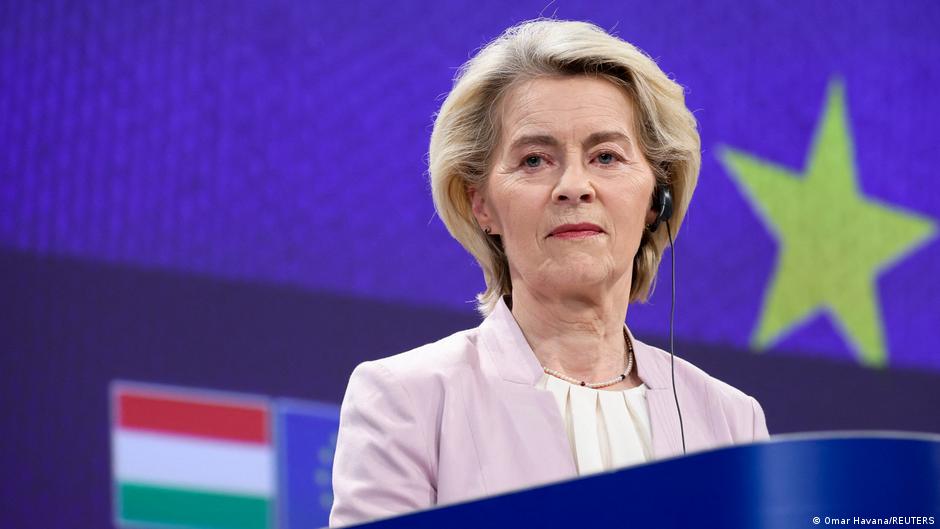
Hungary: EU Commission wants to unblock €4.2b in funding
The Commission's president has argued that Budapest is strengthening the rule of law with Viktor Orban finally out of office. Funds had been blocked over corruption allegations under Hungary's former government.
 Sep 23, 2026 · byDeutsche Welle
Air China Nov/Dec 2026 Europe Service Reductions – 18SEP26
Published at 0300PDT / 1000GMT 19SEP26 Air China this week filed additional service changes to Europe for Northern winter 2026/27 season, mainly focusing on the month of November and December 2026. Additional service reductions as of 18SEP26 include the following. Beijing Capital – London Gatwick 18NOV26 – 02DEC26 4 weekly service cancelled (except 20NOV26) Beijing Capital – Venice Marco Polo 25OCT26 – 01JAN27 Reduce from 4 to 3 weekly, A330-200 (Previous: 25OCT26 – 15DEC26) Beijing Capital – Vienna 25OCT26 – 31DEC26 Reduce from 9 to 7 weekly (6 weekly from 13DEC26), A350-900 Beijing Daxing – Milan Malpensa 25OCT26 – 30DEC26 Reduce from 7 to 5 weekly, A330-300 Shanghai Pu Dong – Barcelona 30NOV26 – 31DEC26 Reduce from 7 to 4 weekly, A350-900 Shanghai Pu Dong – London Gatwick 11NOV26 – 08DEC26 Reduce from 7 to 6 weekly, A350-900 Shanghai Pu Dong – Milan Malpensa 10DEC26 – 31DEC26 Reduce from 7 to 5 weekly, A350-900 Other European routes also see cancellations on selected dates. Previously reported reductions: Beijing Capital – Brussels 09NOV26 – 29DEC26 Reduce from 7 to 6 weekly (selected weeks 5 weekly), A330-300 Beijing Capital – Budapest 25OCT26 – 05JAN27 Reduce from 7 to 6 weekly, 787-9 Beijing Capital – Geneva 25OCT26 – 04JAN27 Reduce from 5 to 4 weekly, A350-900 Beijing Capital – Istanbul 25OCT26 – 01JAN27 Reduce from 7 to 4 weekly, A330-200 Beijing Capital – Stockholm Arlanda Revised service increase from 7 weekly to following 25OCT26 – 01DEC26 9 weekly (Previous: 10 weekly) 02DEC26 – 05JAN27 7 weekly (Previous: 10 weekly) eff 06JAN27 10 weekly Beijing Daxing – Frankfurt Reduce from 7 weekly to following, 777-300ER 25OCT26 – 29NOV26 6 weekly 30NOV26 – 21DEC26 5 weekly Chengdu Tianfu – Frankfurt 30NOV26 – 20DEC26 Reduce from 3 to 2 weekly, A330-300 Chengdu Tianfu – Milan Malpensa 10NOV26 – 30DEC26 Reduce from 4 to 3 weekly, A350-900

Reforms to Hungary's Anti-LGBT Laws Welcome, but More to Do
Click to expand Image People attend the Budapest Pride March in Budapest, Hungary, June 27, 2026. © 2026 Marton Monus/Reuters Hungary’s new government has taken an important step toward dismantling a key discriminatory legacy of the Orbán era—the legal targeting of LGBT people. The job is not finished, however. The government submitted legislation to Parliament on September 14 to remove several provisions of the 2021 so-called “child protection” law that restrict the “portrayal” or “promotion” of sexual and gender diversity in content accessible to children. The proposed changes remove the restrictions from laws relating to child protection, media, advertising, and education. The reforms follow an April judgment by the Court of Justice of the European Union finding that Hungary’s legal restrictions stigmatized and marginalized LGBT people and violated EU law. The court found that Hungary could not invoke the best interests of the child to justify restrictions that discriminated against LGBT people and violated fundamental rights. The government deserves credit for moving to comply with that judgment and abandoning the false and deeply damaging equation of LGBT people with threats to children that underpinned the 2021 law. The proposed legislation instead focuses child-protection restrictions on substantively harmful material, including pornography, sexual exploitation, grooming, and age-inappropriate sexual content. However the government’s plans leave other discriminatory provisions in Hungarian law intact. The bill removes restrictions on the “portrayal” or “promotion” of homosexuality and gender diversity from several laws, but leaves unchanged section 5/A of the Family Protection Act, which contains similar restrictions on content accessible to children. Nor does bill address discriminatory language in the Fundamental Law (Hungary’s constitution) or restrictions in the Freedom of Assembly Act that have been used to prohibit Pride and other LGBT-related assemblies. The Hungarian Helsinki Committee, Hungarian Civil Liberties Union (HCLU), Háttér Society, and Amnesty International Hungary jointly welcomed the proposed changes and called for further amendments to fully dismantle the discriminatory legal framework. This goal goes beyond cleaning up Hungary’s statute book but includes reform of Article XVI of the Fundamental Law that provides a constitutional basis for anti-LGBT restrictions and the legislation used to restrict Pride marches. The Tisza government has a parliamentary supermajority and while dismantling much of the Orbán-era anti-LGBT legal machinery is worth applauding, the government needs to finish what it started. It should amend the remaining discriminatory provisions, including the Fundamental Law, and remove any legal basis for restrictions targeting LGBT people and their rights.
Reforms to Hungary's Anti-LBGT Laws Welcome, but More to Do
Click to expand Image People attend the Budapest Pride March in Budapest, Hungary, June 27, 2026. © 2026 Marton Monus/Reuters Hungary’s new government has taken an important step toward dismantling a key discriminatory legacy of the Orbán era—the legal targeting of LGBT people. The job is not finished, however. The government submitted legislation to Parliament on September 14 to remove several provisions of the 2021 so-called “child protection” law that restrict the “portrayal” or “promotion” of sexual and gender diversity in content accessible to children. The proposed changes remove the restrictions from laws relating to child protection, media, advertising, and education. The reforms follow an April judgment by the Court of Justice of the European Union finding that Hungary’s legal restrictions stigmatized and marginalized LGBT people and violated EU law. The court found that Hungary could not invoke the best interests of the child to justify restrictions that discriminated against LGBT people and violated fundamental rights. The government deserves credit for moving to comply with that judgment and abandoning the false and deeply damaging equation of LGBT people with threats to children that underpinned the 2021 law. The proposed legislation instead focuses child-protection restrictions on substantively harmful material, including pornography, sexual exploitation, grooming, and age-inappropriate sexual content. However the government’s plans leave other discriminatory provisions in Hungarian law intact. The bill removes restrictions on the “portrayal” or “promotion” of homosexuality and gender diversity from several laws, but leaves unchanged section 5/A of the Family Protection Act, which contains similar restrictions on content accessible to children. Nor does bill address discriminatory language in the Fundamental Law (Hungary’s constitution) or restrictions in the Freedom of Assembly Act that have been used to prohibit Pride and other LGBT-related assemblies. The Hungarian Helsinki Committee, Hungarian Civil Liberties Union (HCLU), Háttér Society, and Amnesty International Hungary jointly welcomed the proposed changes and called for further amendments to fully dismantle the discriminatory legal framework. This goal goes beyond cleaning up Hungary’s statute book but includes reform of Article XVI of the Fundamental Law that provides a constitutional basis for anti-LGBT restrictions and the legislation used to restrict Pride marches. The Tisza government has a parliamentary supermajority and while dismantling much of the Orbán-era anti-LGBT legal machinery is worth applauding, the government needs to finish what it started. It should amend the remaining discriminatory provisions, including the Fundamental Law, and remove any legal basis for restrictions targeting LGBT people and their rights.
Budapest’s House of Terror Museum Temporarily Shuttered, Pending Review of Controversial Political Exhibitions
The museum opened in 2002 during former prime minister Viktor Orbán's first term.
 Sep 16, 2026 · byARTnews
Sri Lankan star Rumesh Pathirage’s javelin broken ahead of Asian Games
Pathirage's javelins, which he used to throw world-best distance, were broken on his flight back from Budapest.
 Sep 16, 2026 · byAl Jazeera
Xhaka promises ‘fire’ from Sunderland on long-awaited return to Europe
Captain looking forward to intimidating atmosphere when Wearsiders host AZ, after 53 years away When Sunderland last played European football, club directors viewed it as a useful means of raising the cash necessary to fund floodlight upgrades at Roker Park necessitated by England’s widespread adoption of colour television. Back in the autumn of 1973 a lighting system compatible with the demands of broadcasting in black and white was proving increasingly outdated and Sunderland responded by doubling admission prices for the second leg of their opening European Cup Winners’ Cup tie against Vasas of Budapest. Coming at a moment when miners and railway workers were engaged in long-running industrial action and north-easterners’ finances were duly tight, it dictated that a disappointing crowd of under 23,000 turned out to watch Dennis Tueart’s penalty secure a 3-0 aggregate win. Continue reading...
 Sep 16, 2026 · byThe Guardian
Germany news: Foreign minister seeks reset with Hungary
German Foreign Minister Johann Wadephul is visiting Hungary as Berlin seeks to rebuild relations with Budapest. Meanwhile, Germany's homeownership rate has fallen to its lowest level in 20 years. DW has the latest.
Sep 14, 2026 · byDeutsche Welle
Archaeologists baffled by huge Roman structure found in Budapest
Archaeologists in Budapest have uncovered a huge Roman building, but its original purpose still remains a mystery.
Sep 14, 2026 · byEuronews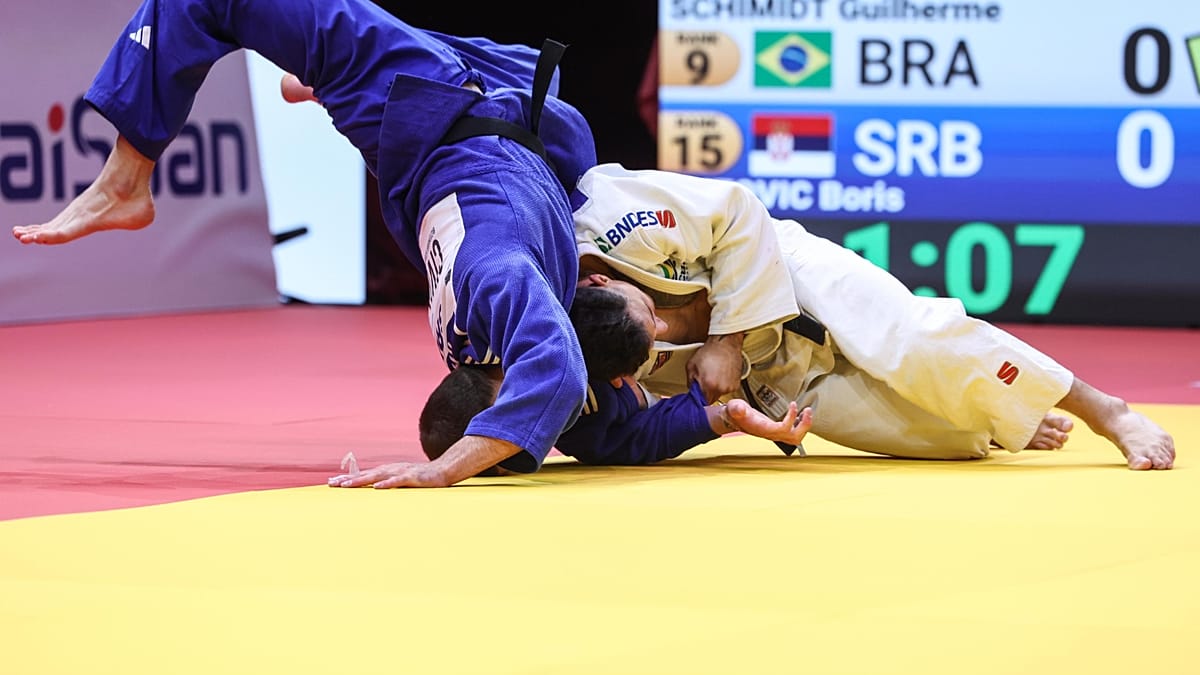
Heavyweights Bring the Hungary Grand Slam to a Spectacular Close
Budapest delivered a thrilling final day as Schimidt, Pavic, Pirelli, Hershko and Endovitskii struck gold. Pavic celebrated her first Grand Slam title, while the heavyweights brought three unforgettable days of judo at the Papp László Arena to a close.
Sep 14, 2026 · byEuronews
'Superb' Kerr storms to 1500m win
Great Britain's Josh Kerr powers ahead on the final corner to win the men's 1500m, becoming the event's Ultimate Champion in Budapest.
 Sep 13, 2026 · byBBC
‘Just making a joke’: Usain Bolt retracts claim stairs got him out of breath
Jamaican says athletes ‘loving’ Ultimate Championship Former sprinter proposed to Kasi Bennett last month A year ago, Usain Bolt revealed he had stopped running and got out of breath whenever he went up the stairs. But now the greatest sprinter in history has insisted he has made a lightning return to fitness after proposing last month to his long-term partner Kasi Bennett. Bolt, who is an ambassador for the World Athletics Ultimate Championship in Budapest, laughed as he told reporters that his claims about his lack of fitness in Tokyo last year had been overegged for effect. “I made a joke and you guys took it out of context,” Bolt said, with a grin. Continue reading...
Sep 13, 2026 · byThe Guardian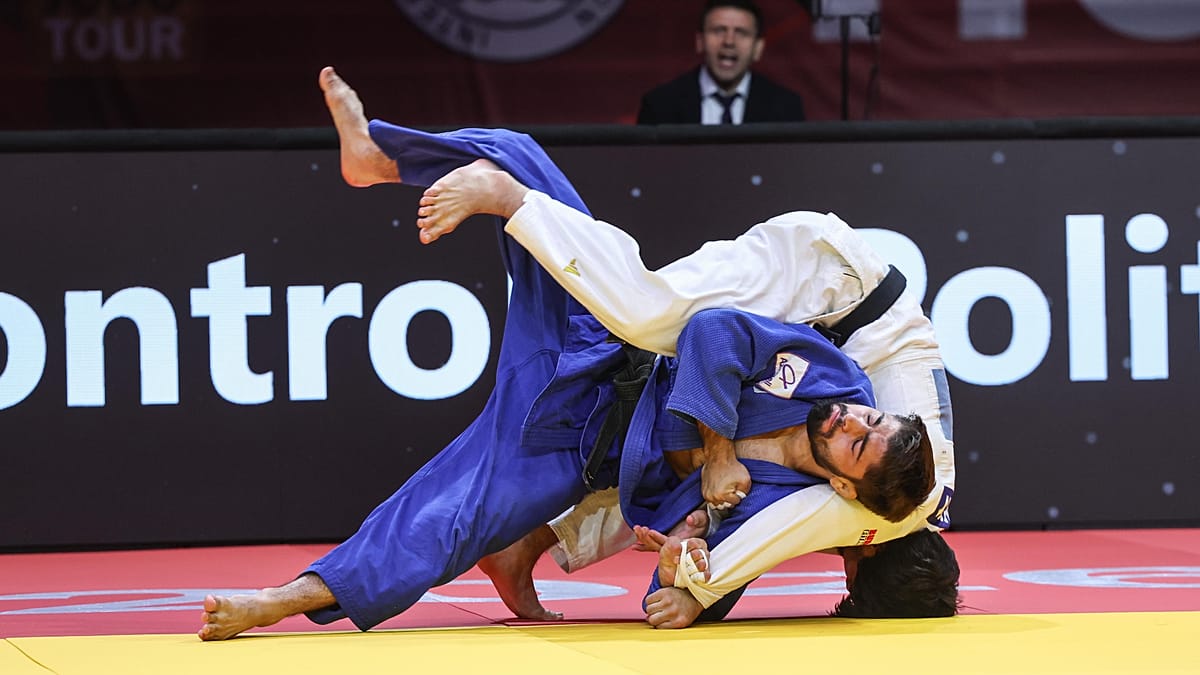
Judo: Middleweights light up Day Two of the Hungary Grand Slam
Day two in Budapest delivered four thrilling champions. Megu Danno claimed Japan’s second gold, Rashid Mammadaliyev earned his first Grand Slam title, Elisavet Teltsidou celebrated her fifth, while Yoshito Hojo secured another gold for Japan.
Sep 13, 2026 · byEuronews